


“This is an exceptional project in terms of the Third Mission,” explained Shaul Bassi, Departmental Delegate (DSLCC) for the Third Mission at Ca’ Foscari – that is, the connection between the university and its surrounding community through a cultural experiment brought to life thanks to collaboration between the academy and local institutions, with a view to giving back to and including the local community in research.” Professor Massimo Stella and Professor Barbara Innocenti of the University of Florence, who have investigated the relationship between medicine, curative and performative aspects, noting the medical sector’s gradual opening up to the human sciences since the 1970s, observe that: ‘Often, medication alone is not enough to tackle a condition in the broadest sense; dialogue with the patient and an understanding of their situation require what is known as “narrative medicine”—a field that blends medicine with insights from the arts, to create a wide-ranging therapeutic approach’.
‘‘We have studied how, as early as the 17th and 19th centuries, French and English drama influenced medicine through theatre and performance,’ the experts explained. ‘In fact, these represent important milestones in the history of science, which have left their mark on one another in plays and in discussions on medical issues’. An unexpected cross-pollination which, as Po’ summarised: ‘These are themes of extraordinary importance, where the quality of the message is worth more than the quantity of applause. It is a tradition we wish to revive and pass on to future generations, and one in which Europe has much to rediscover.’
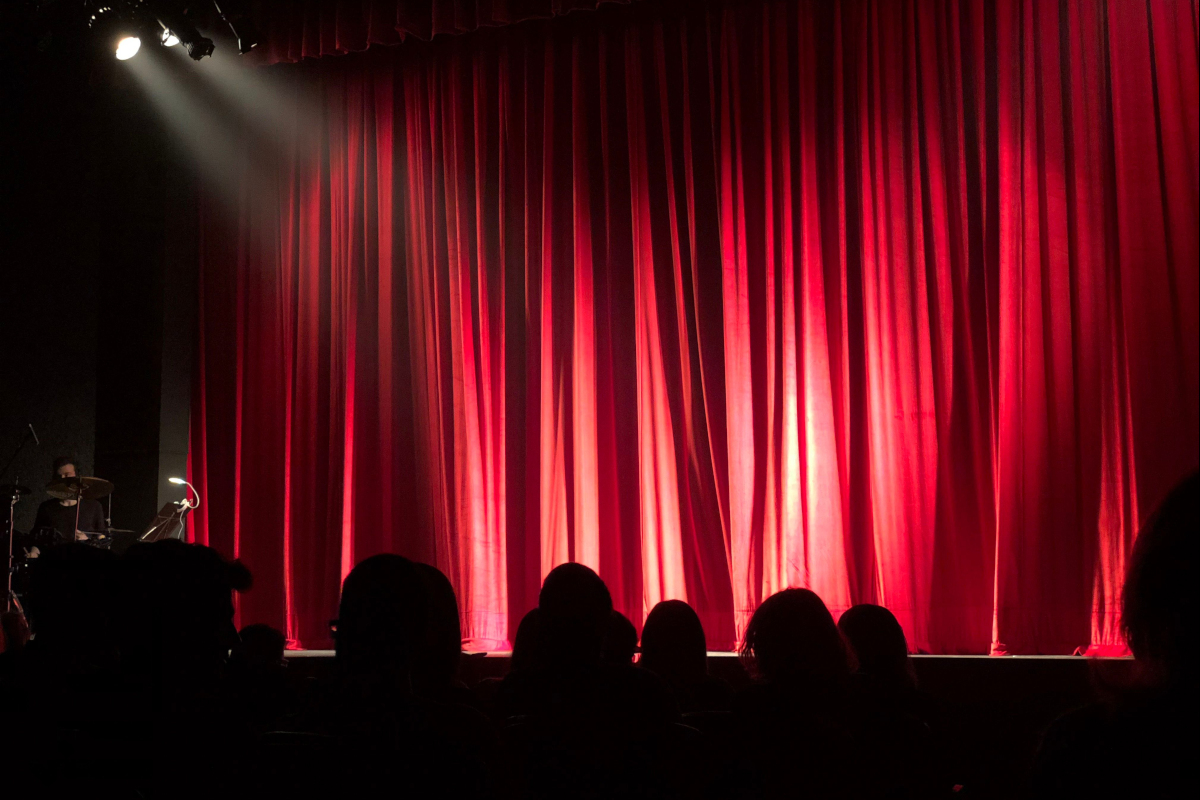
The preview of “Macbeth_we lived happily during the war”, staged by the Compagnia Biancofango, in collaboration with the Department of Comparative Linguistic and Cultural Studies at Ca’ Foscari University of Venice, the Fondazione Scuola Grande di San Marco e della Sanità and the Benedetto Marcello Conservatoire in Venice. ‘It is an experiment,’ explained Francesca Macrì and Andrea Trapani of the Biancofango Theatre Company, along with actress Irma Ticozzelli, ‘in which, through a reworking of Shakespeare’s play, a dialogue is staged between two doctors on stage: the Scottish court physician, endeavouring to heal Lady Macbeth’s ailing psyche, and the English court physician, who describes the suffering of the people afflicted with scrofula’.
In this way, mind and body are brought into dialogue, a perfect metaphor for the complex biological machine that is the human body. This is a theme on which two opposing visions clash, represented by the alter egos of the healers who practise ‘magical’ medicine: namely, the seer-witches (curanderas) and the saintly king-miracle-worker who heals through touch and prayer alone. For both doctors, the solution to the ailments observed is that they cannot be cured—neither Lady Macbeth’s psychological affliction nor the physical ailments of the scrofulous—as they are influenced by one’s way of life; this is why medicine is also the study and understanding of the human being as a whole, and not merely the physical body.
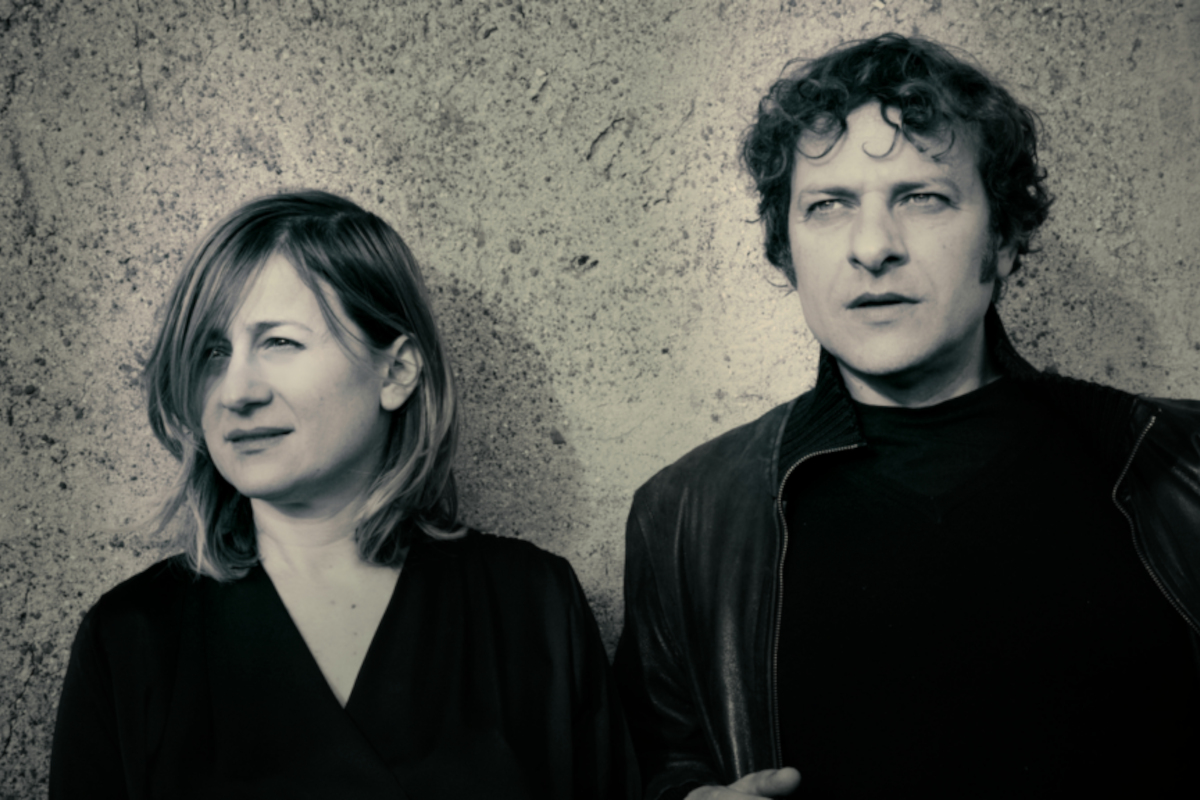
The staging of this cultural and experiential experiment was made possible thanks to the collaboration of the Fondazione Museo della Scuola Grande di San Marco e della Sanità and the Benedetto Marcello Conservatoire, two leading cultural institutions in Venice. The Foundation made available the premises of the Santi Giovanni e Paolo Civil Hospital – one of Italy’s oldest hospitals, boasting a rich collection of books and artworks – whilst the conservatoire provided the piano to accompany the dialogues from *Macbeth*.
The Cassamarca Foundation, chaired by Prof. Luigi Garofalo, is also a partner, ensuring that the production will be staged again in Treviso, at the new Teatro Eden. The Biancofango theatre company is one of the best-known names in contemporary performance theatre both nationally and internationally, and this collaboration ties in with the research project exploring the relationship between medicine and the humanities, focusing on the interplay between words, the body and gestures. ‘It is no coincidence that the project’s symbol is a chameleon, the perfect representation of the ability to adapt.’