


Nor can we forget illustrious examples of longevity such as the biblical Methuselah, who came close to living for a millennium, or, on a more light-hearted note, some may recall a comic-book character from the 1960s, the Masked Man, brought to Italy from the States (where he was known as ‘Phantom’), a sort of vigilante who fought the criminals in his country and who had the peculiarity of being immortal.
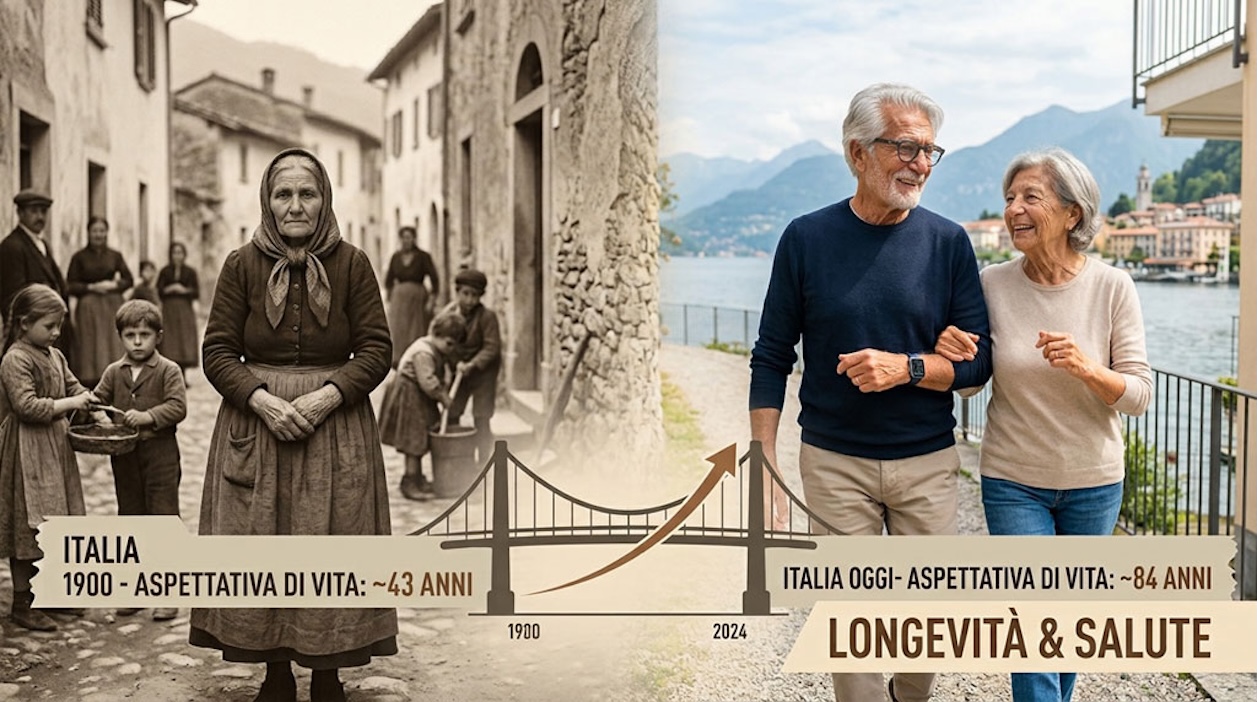
In the early 20th century, average life expectancy at birth in Italy was around 43 years; this figure has gradually increased to reach, today, 84 years (the average for both sexes), placing us for a long time now in the top ten of the world rankings of the longest-living nations.
The reasons for this success lie in improved living conditions in many countries around the globe, particularly in the Western world and in certain parts of Asia. Furthermore, medical advances in the field of cardiovascular medicine have undoubtedly contributed to this phenomenon. Researchers have calculated that by 2050, 25 per cent of newborns will reach the age of 100, but it seems that this is not the ultimate goal of the research currently underway across the globe: over the last thirty years, the race to achieve maximum longevity has gained tremendous momentum and has become a colossal business.

What future societies will have to contend with, however, is the change brought about by the rise in chronic diseases – an inevitable consequence of increased life expectancy. And whilst scientists are striving to study mice in the laboratory, administering so-called senolytic drugs that help older animals remain active and fitter for a long period of time, humans must ‘make do’ with the beneficial effects of the anti-diabetic drug metformin, which is particularly effective in preventing the cardiovascular complications of this disease.
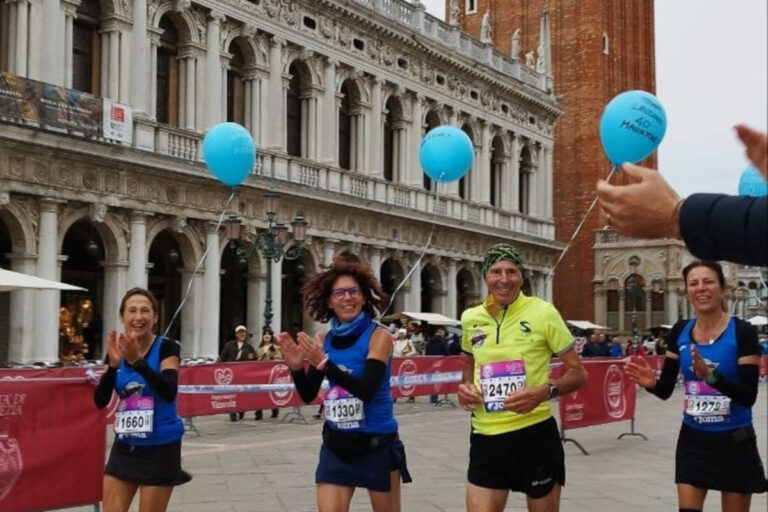
And if we add to this a more moderate lifestyle – reducing calorie intake, giving up alcohol and smoking, and stimulating the cardiovascular system daily with a few brisk walks – then we greatly increase our chances of enjoying a peaceful old age, adding life to our years rather than years to our life. It really is a case of saying: “Time will tell.”