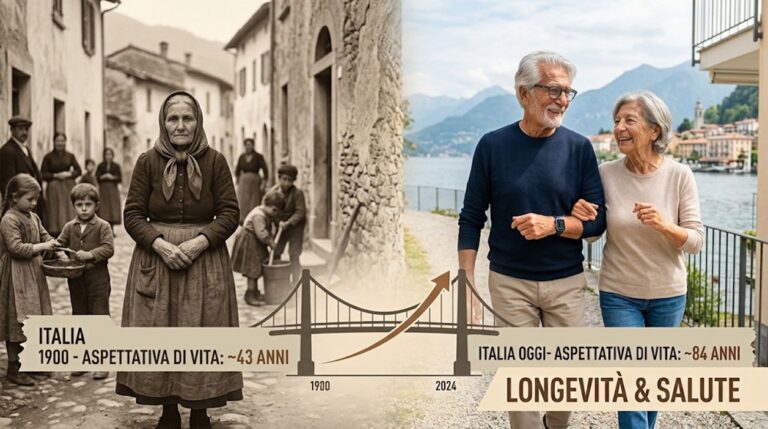


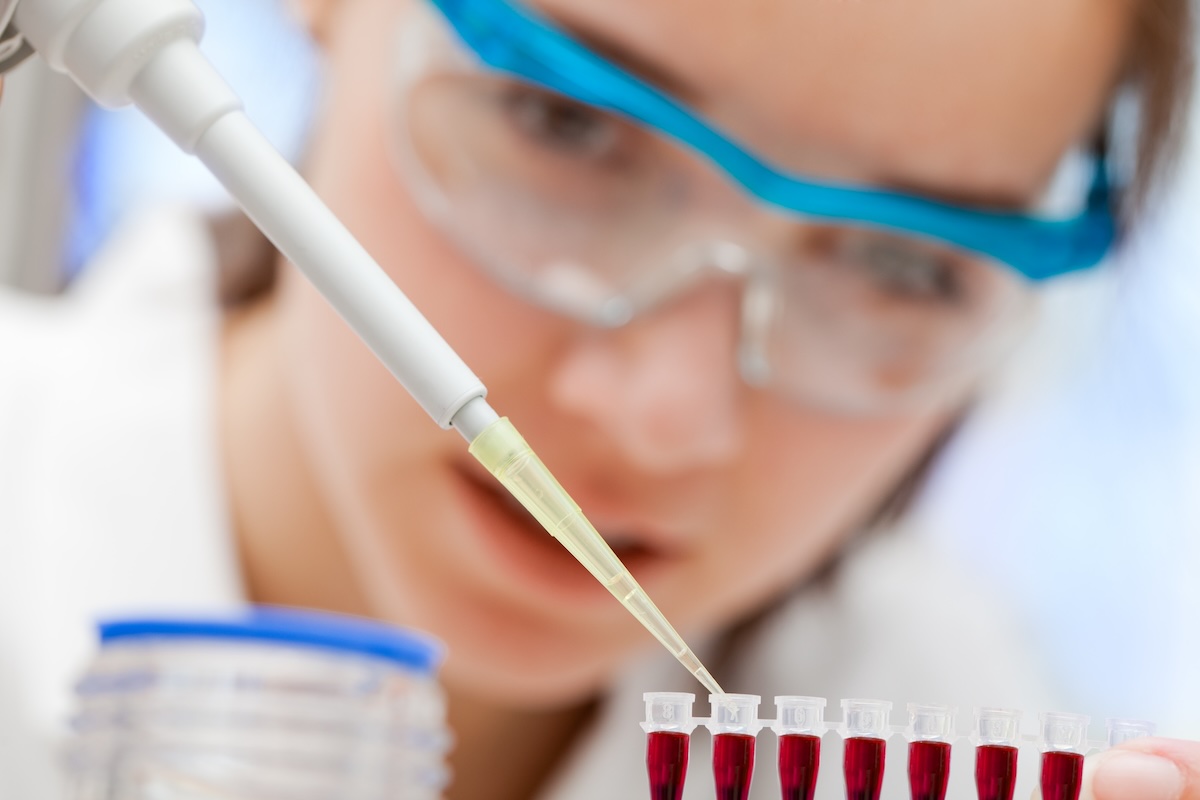

In the current debate on birth rates, a biomedical practice is coming to the fore in the public eye: the preservation of oocytes for non-medical reasons, commonly known as ‘social freezing’. This is no longer a niche phenomenon. The latest figures released by Italy’s leading fertility clinics show a sharp rise, with an estimated increase in procedures of around 50 per cent in just one year. This boom is taking place against the dramatic backdrop of a profound demographic winter, in a country where the total fertility rate has fallen to just 1.18 children per woman and the average age at first birth has exceeded 32 years.
In attempting to analyse the root causes of this trend, we discover that the decision to freeze one’s eggs does not stem from a selfish whim or a hedonistic fad (although it may become one), but rather from a state of objective vulnerability and loneliness experienced by contemporary women. In a landscape characterised by job insecurity, a lack of systemic policies to balance work and family life, and structural difficulties in building stable, long-lasting relationships, this technique presents itself as a lifeline to cling to, without having to live in anxiety as one’s most fertile years pass by – years during which it may prove impossible to conceive. However, it is precisely here that the first major ambiguity lies. Biomedicine offers an extraordinary promise: to ‘stop biological time’ in order to postpone motherhood until more peaceful stages of life. Yet international scientific records bring the reality of the figures back into sharp focus, countering the illusion of technological omnipotence. The success rate of the procedure (measured as the actual birth of a child) drops dramatically with the age at which the eggs are retrieved: in fact, it plummets to 15–20 per cent once a woman is over 38–40 years old. The technique also requires the freezing of large quantities of oocytes (at least 10–20 per woman) in the hope of a future successful outcome, eggs that will often remain unused in the laboratory, or be sold to in vitro fertilisation centres where ‘egg donation’ is practised, thus resulting in the commodification of the body: the period of fertility and natural conception are subordinated to the commercial logic of planning and calculated consumption.
From a strictly ethical perspective, we can identify three major issues with this trend. The first lies in the separation between the unitive and procreative dimensions of the human sexual act. The generation of new life, from a personalist perspective, must spring from the parents’ interpersonal encounter of love – a relational act that becomes flesh.
Cryopreservation, on the other hand, shifts procreation into a laboratory, fragmenting the continuity of the couple’s mutual self-giving and introducing a ‘productive’ logic where the logic of gift-giving should prevail. Secondly, the ambiguity of so-called ‘corporate welfare’ comes to the fore.
The fact that large multinationals offer social freezing as a benefit to their female employees, far from representing a form of genuine female emancipation, masks a deeply utilitarian logic. Women are pressured to subordinate their biological and existential rhythms to the demands of corporate productivity, thereby distorting the value of the individual in the service of economic profit. Finally, ‘self-preservation’ highlights the paradox of radical loneliness. The prefix ‘self’ reveals the crisis in the alliance between men and women, reducing parenthood to a markedly individualistic journey.
The answer to the demographic winter does not lie in the cold confines of a test tube; hope for the future is not preserved at sub-zero temperatures but is regenerated by investing in a warm social fabric, where stable employment, closeness, and family and social solidarity allow life to flourish in its own natural time. The true alternative to the technological illusion is not to preserve tomorrow in vitro, but to infuse the present with trust, restoring to new generations the freedom to procreate without fear of time.
Elena Ramilli, Bioethics Committee