

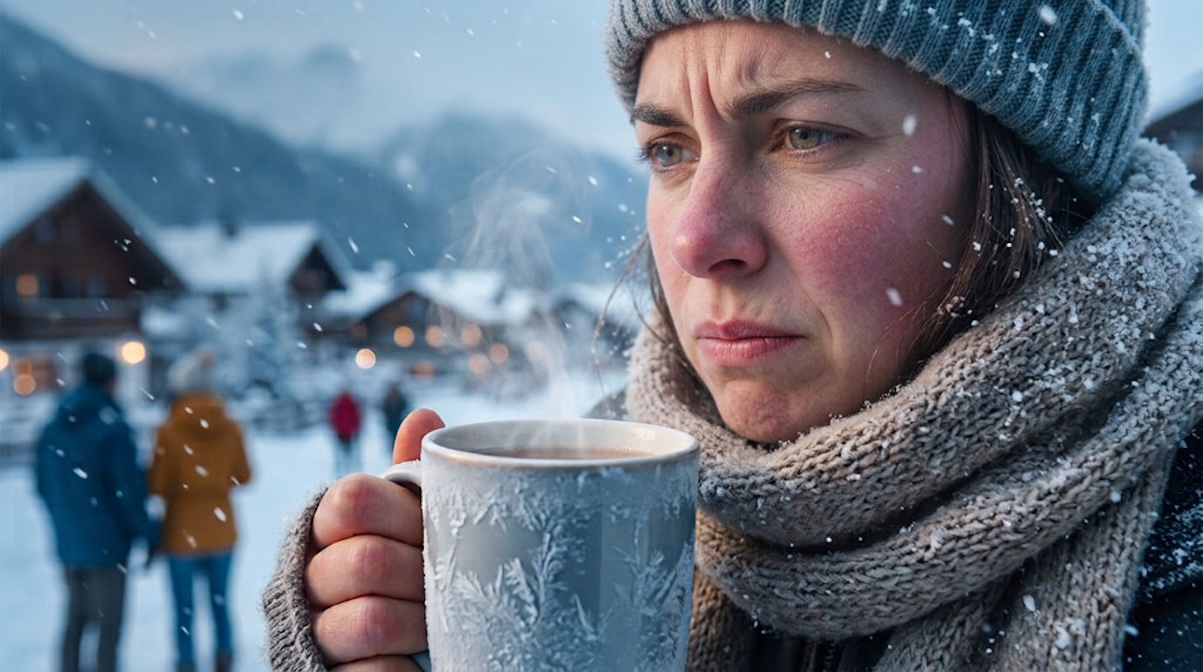
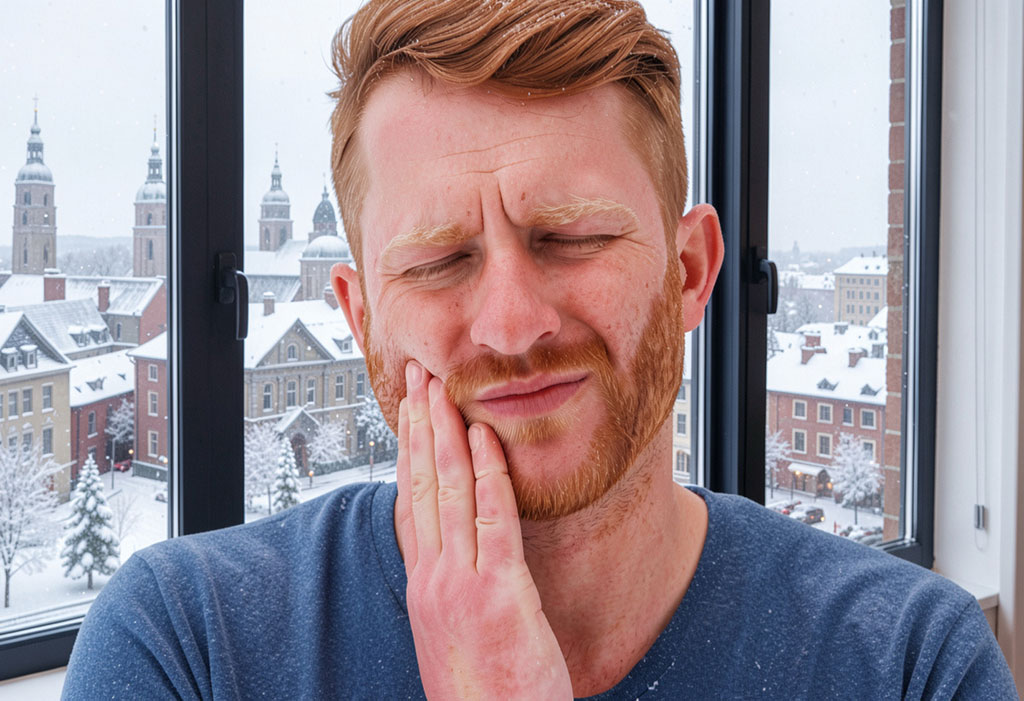
These symptoms are further exacerbated in people with gum problems (gum recession), as this exposes a larger portion of the tooth root – an area with a high density of nerve endings and therefore more sensitive. Patients with increased sensitivity may also experience greater discomfort because the cold penetrates the dentinal tubules – those microscopic channels that radiate from the inside of the tooth outwards – stimulating the nerves in the dental pulp.
Finally, there are other areas of the mouth that are sensitive to low temperatures: the lips, for example, which can become particularly dry in the cold and develop superficial lesions. This is why it is important in winter to protect them with natural products, such as shea butter or beeswax, whilst avoiding lip balms containing petrolatum, which can increase dryness.
Remineralising toothpastes, preferably gel-based, are to be preferred so as not to increase sensitivity. On the other hand, whitening toothpastes or those with a high percentage of microbeads should be avoided at all costs. If you have sensitive teeth, it is best to use lukewarm water when brushing to soften the bristles of the toothbrush, improve microcirculation and reduce irritation to the gums.
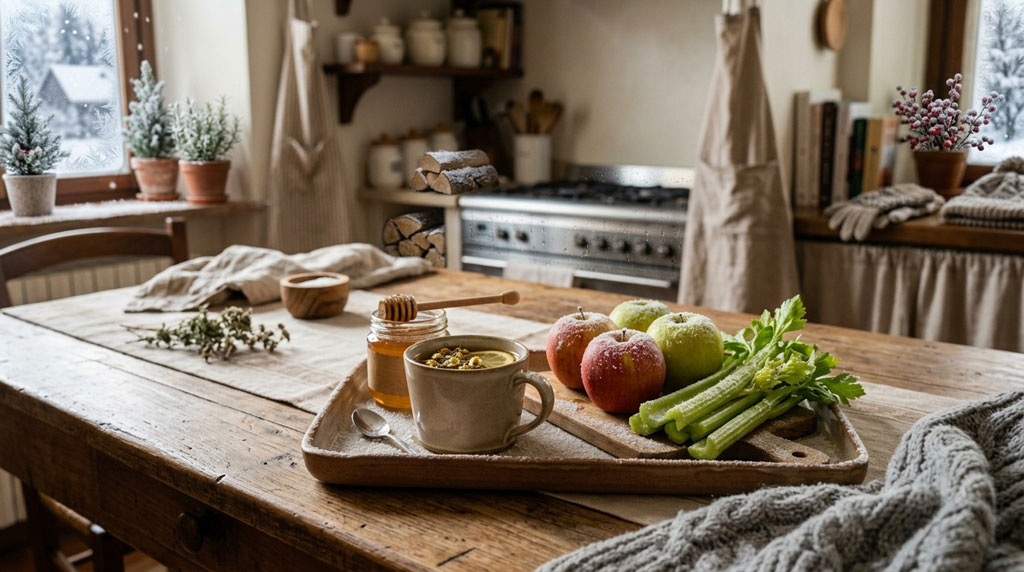
Diet should not be overlooked either: for example, drinking herbal teas containing fluoride can help; apples and celery help to clean the teeth; it is better to replace sugar with honey as it has a low cariogenic potential; chewing gum in moderation stimulates saliva production, helping to remove food debris. However, care should be taken with very hot drinks or foods, as these can cause burns to the palate or tongue.
Finally, there are other conditions that can exacerbate sensitivity to the cold: poor oral hygiene, involuntary clenching or grinding of the teeth (bruxism), and periodontal disease – a bacterial infection affecting the tissues that support the teeth.
Even in very cold weather, therefore, the advice remains the same: follow these few rules and, if necessary, consult your trusted dentist.