


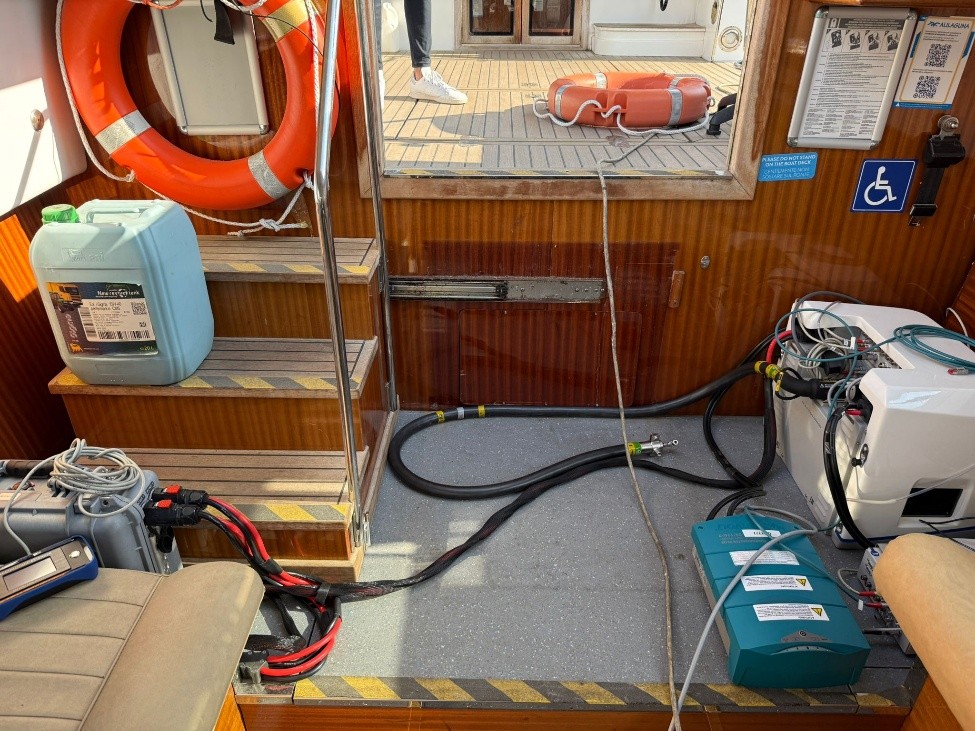
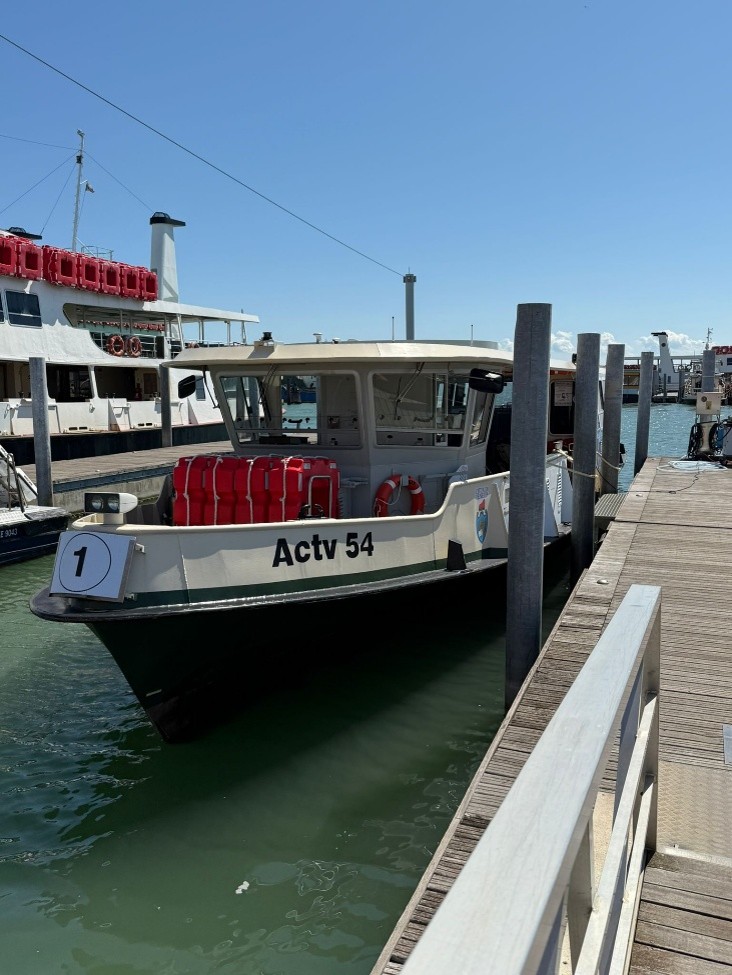
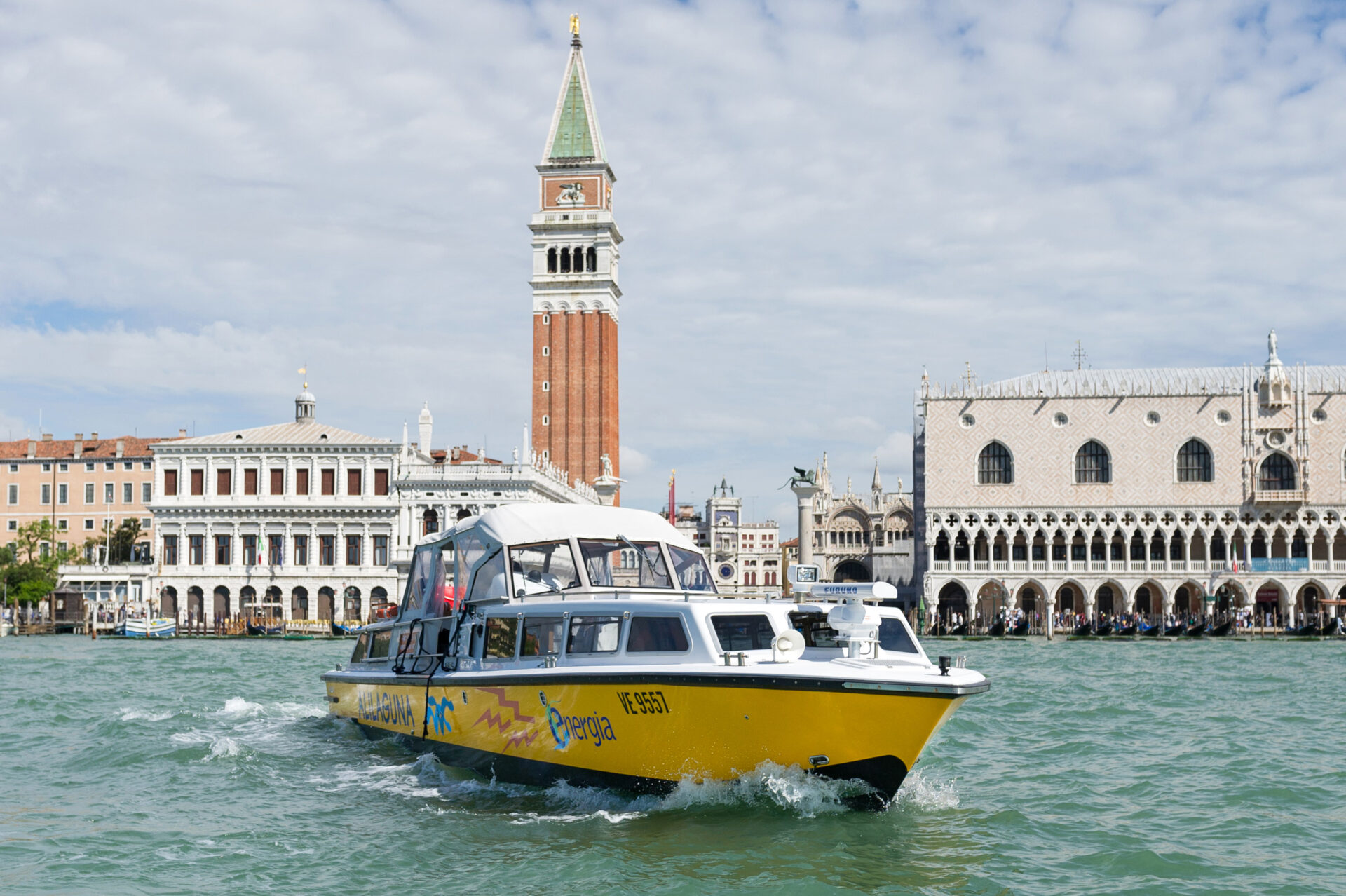
AVL Italia used portable emission measurement systems (PEMS). On routes within the canals, ACTV water buses fitted with Stage IIIA and Stage V engines were compared. On medium-length routes in the lagoon, three Alilaguna vessels were monitored: one with an older-generation engine, one with a modern engine and one with a hybrid system.
In the comparison between the ACTV engines, the switch from Stage IIIA to Stage V reduced absolute nitrogen oxide emissions by up to 34 per cent and the ratio of nitrogen oxides to CO₂ by 13 per cent. Over the same route, the Stage V engine consumed 43 per cent less fuel. For the Alilaguna hybrid, the reduction of almost 50 per cent relates to the ratio of nitrogen oxides to CO₂. According to AVL Italia, the results indicate that upgrading engines is the most effective measure for reducing emissions in the short and medium term.
The study also begins to quantify the atmospheric particulate matter produced by marine engines. The aim is to distinguish the contribution of different categories of vessels and to estimate their overall impact at an urban scale. The study identifies water transport as one of the areas where action is needed to reduce emissions and improve the quality of the air, water and lagoon sediments, with benefits for residents’ health.

According to the estimates cited in the study, more than 500 motorised vessels operate in the historic centre every day for public and commercial transport alone. Added to these are hundreds of private and tourist vessels. Venice welcomes over 30 million visitors a year, with peak numbers sometimes exceeding 100,000 people in a single day in the historic centre. During the summer months, demand for water transport can triple compared with the low season, with knock-on effects on canal congestion and infrastructure.
Measurements have shown that, across all the engine types examined, peaks in nitrogen oxide emissions occur during acceleration. ‘It is therefore important to take action on boat handling practices, maintenance and crew training as well,’ explains Silvia Oliva. The study suggests that possible measures include different management of speed, pace, routes and stops.
Among the upcoming objectives is the extension of measurements to water taxis, goods transport vessels, and tourist and private boats. According to the literature cited in the study, these categories could have a significant impact on overall emissions. The research also proposes training programmes for crews and incentives to replace obsolete engines in private and commercial fleets ahead of schedule, where renewal is proceeding more slowly in the absence of specific obligations. Another step involves working with ARPAV and the universities of the Veneto region to draw up guidelines for monitoring emissions from small vessels whilst in service, an area for which there are currently no specific regulations.
‘The next step could be the establishment of an Observatory on Sustainable Lagoon Water Transport,’ adds Oliva. The systematic collection of data would help guide decisions on water transport and, in the medium to long term, also assess the potential electrification of public services, comparing its feasibility, costs and environmental benefits with those of other solutions.
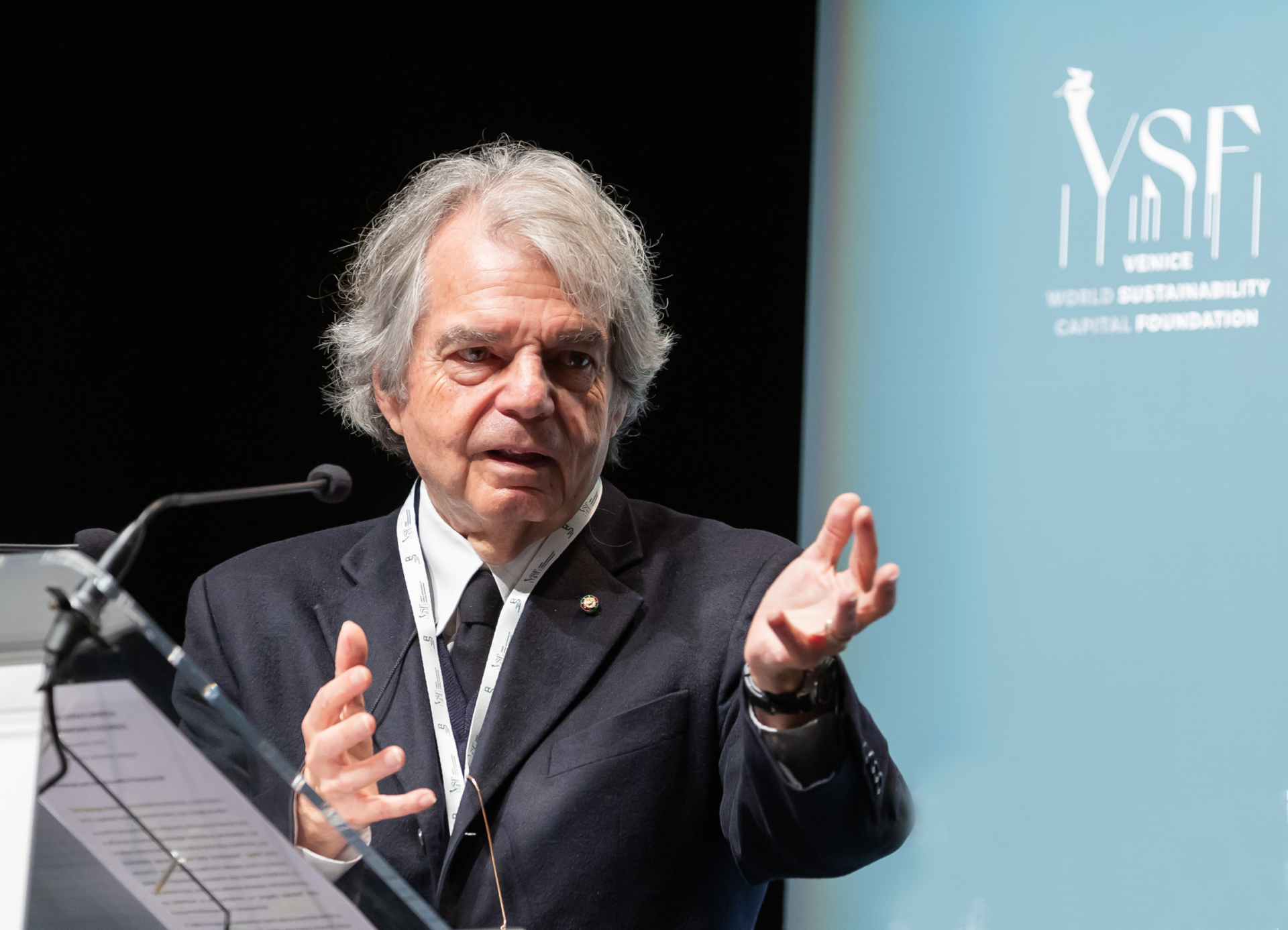
According to Renato Brunetta, president of the Venice Sustainability Foundation, the measurements make it possible ‘to evaluate technological and operational solutions on the basis of “field” measurements’. Director-General Alessandro Costa describes the survey as “a first step towards building a database to be progressively updated”, to be made available to the local authority for water transport policy-making. Massimiliano De Martin, the City Council’s managing director, emphasises the role of research, the application of technology and collaboration between organisations in protecting the local area and quality of life.
According to Gianluca Cuzzolin, Director of Sustainable Transition and Innovative Projects at ACTV-AVM, the research provides insights for ‘assessing the performance of different propulsion systems under real-world operating conditions and guiding future decisions on fleet renewal’.
Fabio Sacco, Chairman of Alilaguna, points out that the company has been investing in fleet innovation since 2010: “This initial field test allows us to verify, through concrete data, the results of these investments. “It is an important step in the decarbonisation of lagoon water transport, which confirms the value of the choices we have made and encourages us to continue in this direction.”