




Treatment, therefore, does not always have to be the same: symptoms and inflammation of the oesophagus can vary greatly and, consequently, so does their treatment.
I’ll spare you the details on healthy habits – we’ve already covered them: eating small, frequent meals, being cautious with alcohol and smoking, staying active, and avoiding overindulging in certain ‘troublesome’ foods – but it’s worth remembering that these alone already account for a large part of the treatment. ‘Help yourself and God will help you’, as the saying goes…
Let’s talk instead about the famous ‘prazoles’, named after the final syllables of their names: omeprazole, pantoprazole, lansoprazole, rabeprazole, esomeprazole – almost like the dwarves… They are commonly, and incorrectly, referred to as ‘gastroprotectants’, but they do not actually protect the stomach, which, when healthy, protects itself. In reality, they reduce acid production, which, when excessive, can cause damage.
They are among the most widely used (and abused) medicines in the world; when taken for the right reason, they work quickly and effectively: this is why people become attached to them and carry on taking them for years, even when they are no longer needed!
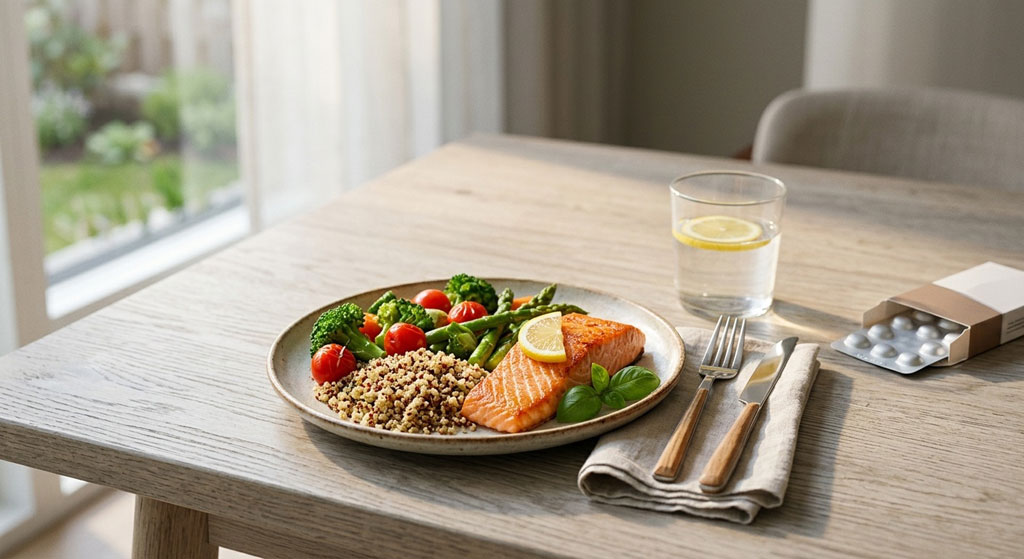
There are, however, very few cases in which they must be taken continuously, and your doctor should advise you on these; for the most part, it is sufficient to take them for limited periods, ranging from 2 to 6–8 weeks, then gradually reduce the dose and eventually stop taking them. If, before or after that, the symptoms return, it’s just another round – you’ll always come out on top, as the medicine works regardless. Between ‘flare-ups’, for episodic symptoms, simple antacids or medicines that aid digestion (known as prokinetics), perhaps taken as and when needed, are usually sufficient.
The recommendation, therefore, is not to overdo it: in most cases, the symptoms and reflux disease can be managed with appropriate, but moderate, use of medication – which, incidentally, is also good for the environment.