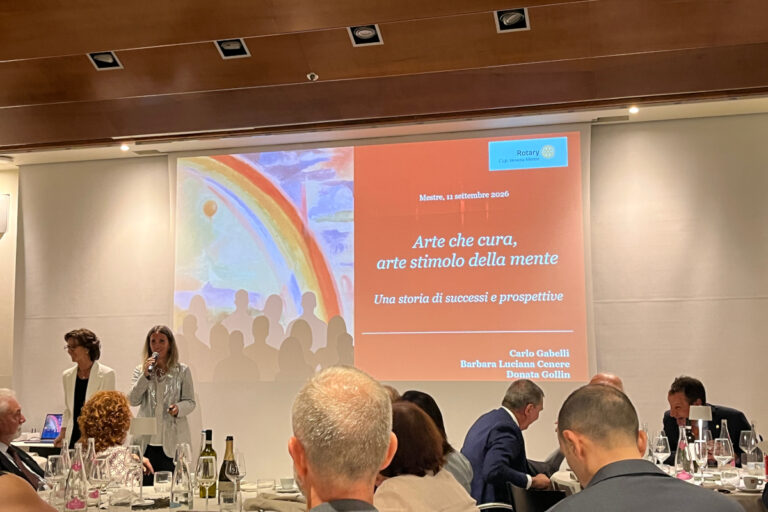


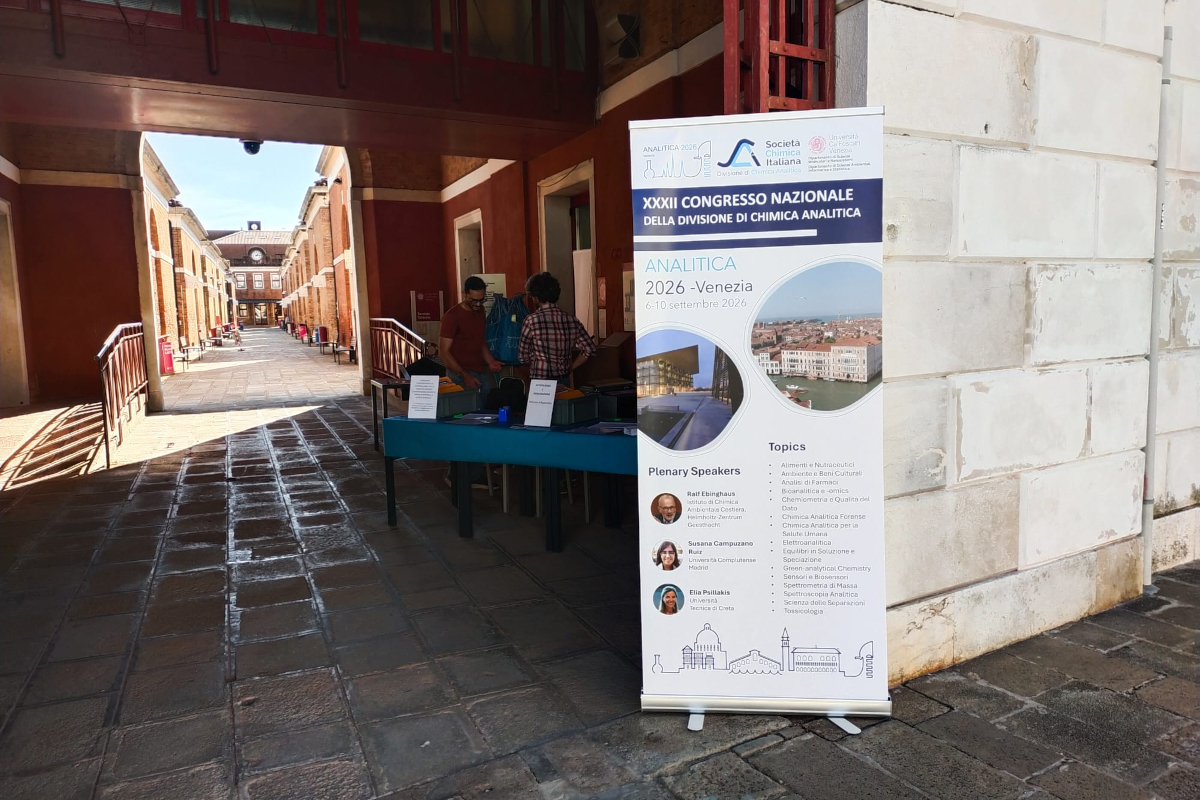
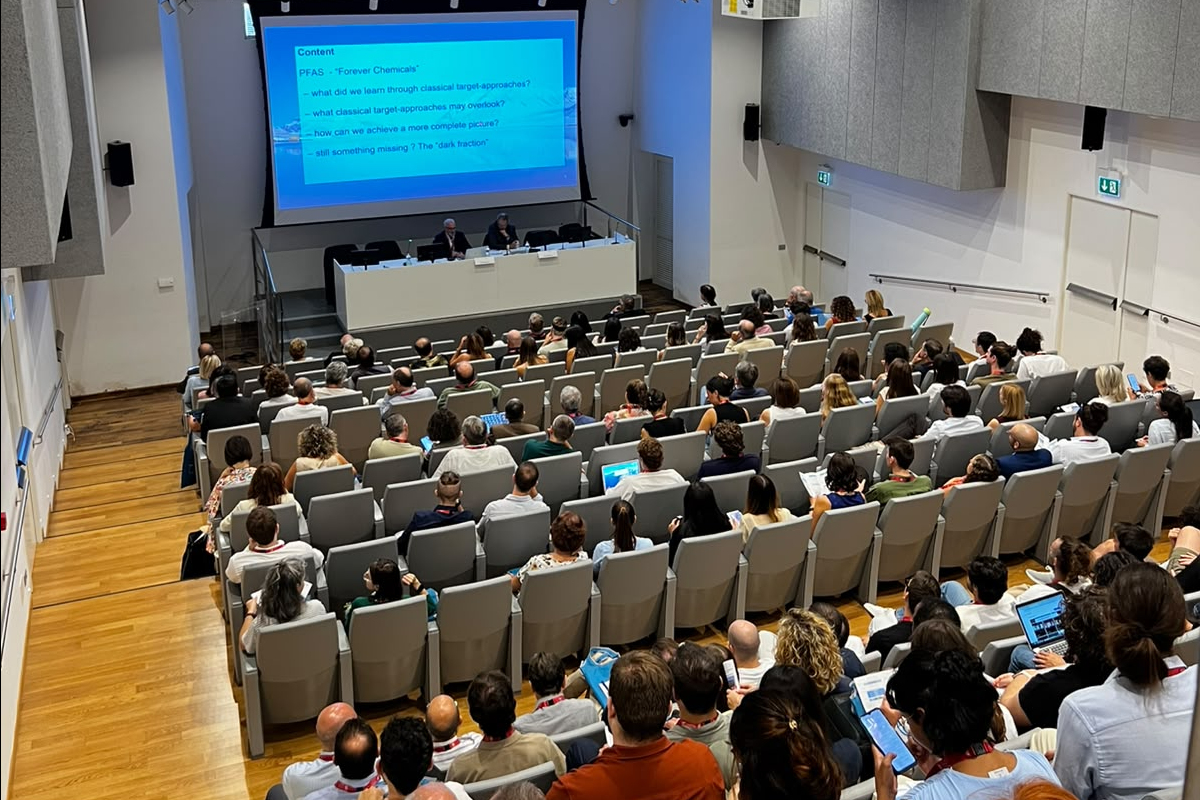
The event held in Mestre was designed to foster the exchange of ideas and knowledge and to strengthen a professional network, with a particular focus on supporting young researchers so they can showcase their talent. Speakers included prominent international scholars such as Susana Campuzano Ruiz (Complutense University of Madrid), Ralf Ebinghaus (Institute of Coastal Environmental Chemistry, Helmholtz-Zentrum Geesthacht), and Elia Psillakis (Technical University of Crete).
The program focused on laboratory techniques and increasingly advanced technological innovations capable of identifying and quantifying substances present even in very low concentrations and in highly complex samples. One example is the “Sinner case,” where, thanks to the high sensitivity of the analytical techniques, it was possible to detect infinitesimal traces of clostebol, a synthetic anabolic steroid derived from testosterone. The same technologies can be used in environmental monitoring to detect organic and inorganic contaminants in water, air, soil, and ice.
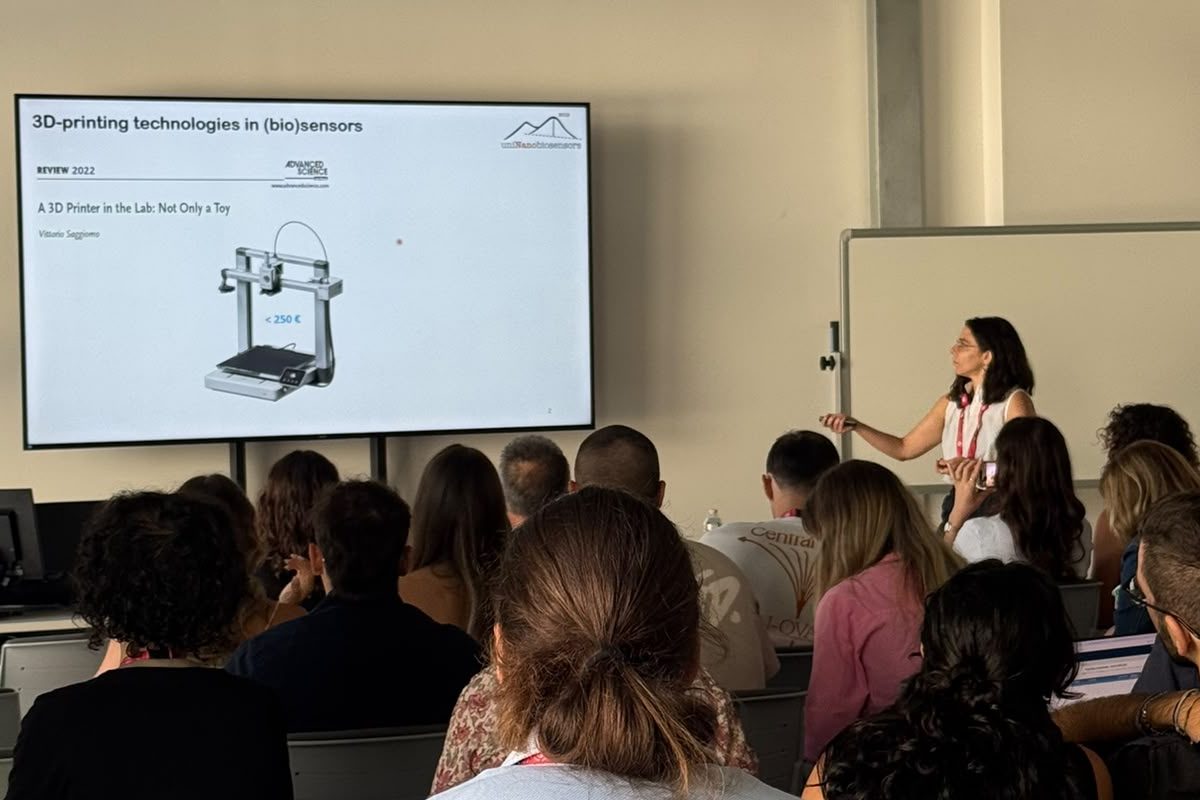
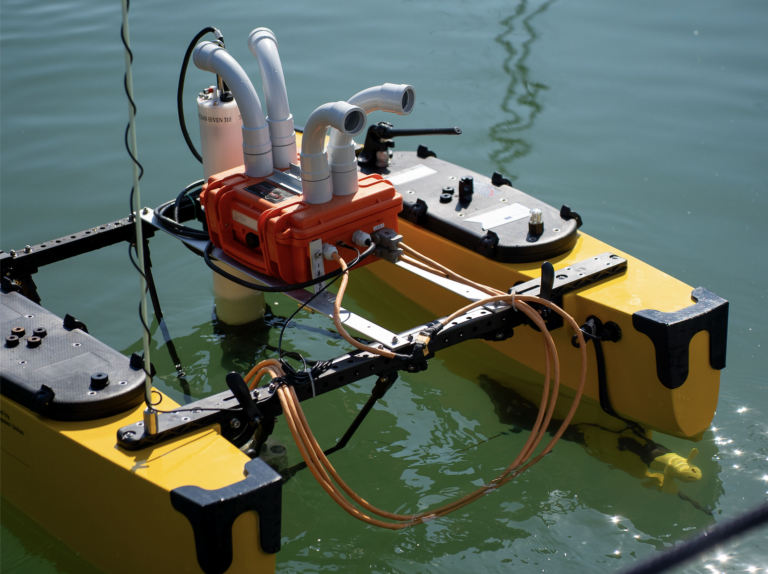
The conference was also useful for taking stock of one of the most interesting trends in innovation within the chemical analysis sector: the development of increasingly portable devices, based on a philosophy of miniaturization, so that precise analyses can be performed directly in the field. Among the most useful applications are blood glucose monitoring for people with diabetes, sensors for tracking various clinical markers, as well as parameters for assessing air and water quality, so that reliable data can be obtained more quickly to enable timely intervention.
“The portability of laboratory equipment is a topic of great importance,” explains Zanardi. “During the conference, several devices were presented that will soon be available on the market, giving rise to portable laboratory instruments that are lightweight and miniaturized, with the ability to be taken directly into the field, thereby reducing the time and complexity of analyses.”
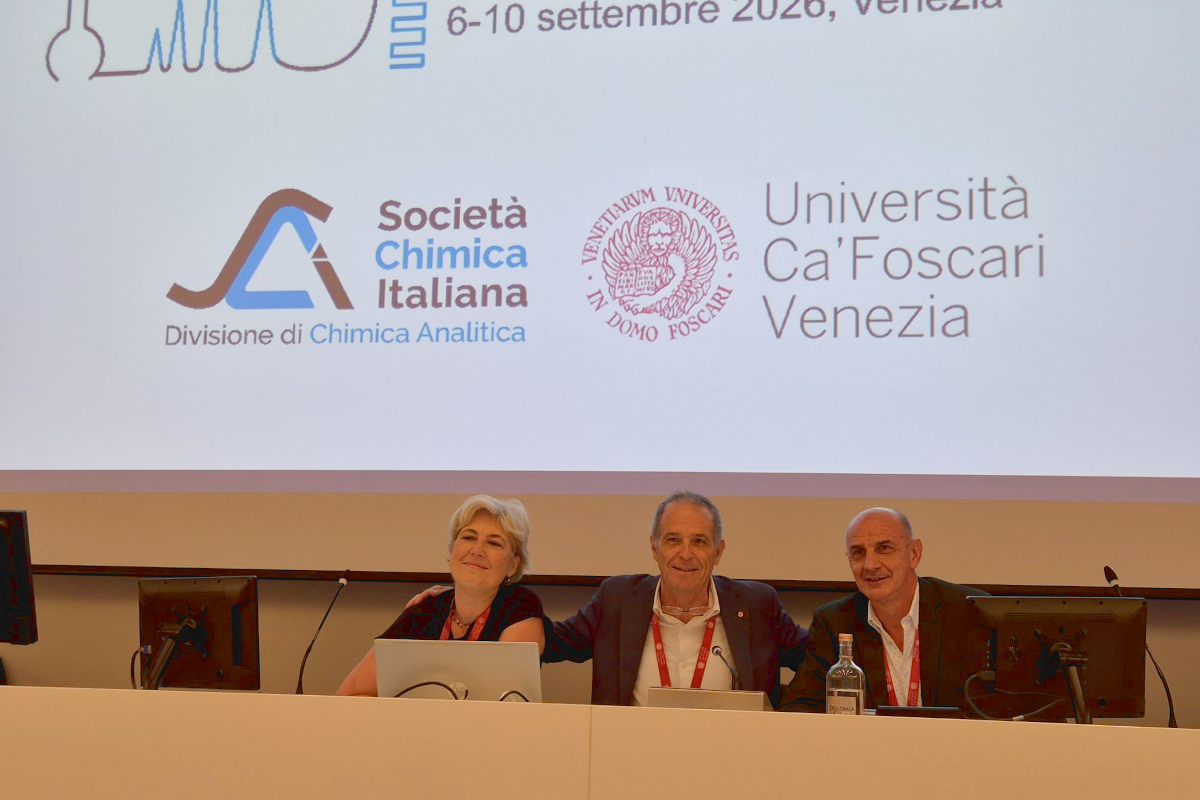
What emerges from Analitica 2026 is a scenario of major change, which raises the question of whether the future will depend more on innovations in technology or in methodology: “In reality, they go hand in hand,” explains the Ca’ Foscari professor. “Our task as chemists is to develop new methods so that industry can then produce increasingly accessible tools for accurate and rapid testing to detect pollutants, tumor markers, or disease markers, and to ensure food safety.”
An important step to be taken through technology transfer, in collaboration with other scientists and technicians, with the great potential offered by artificial intelligence. “Its impact is already significant,” concludes Zanardi, “ As analytical chemists, we generate a great deal of data, and being able to correlate it using chemical parameters—including through AI tools—proves to be a valuable aid. With the help of this technology, we are able to obtain increasingly precise information and broaden our scope of work, because it not only improves the quality but also increases the quantity of our data sources. ».