

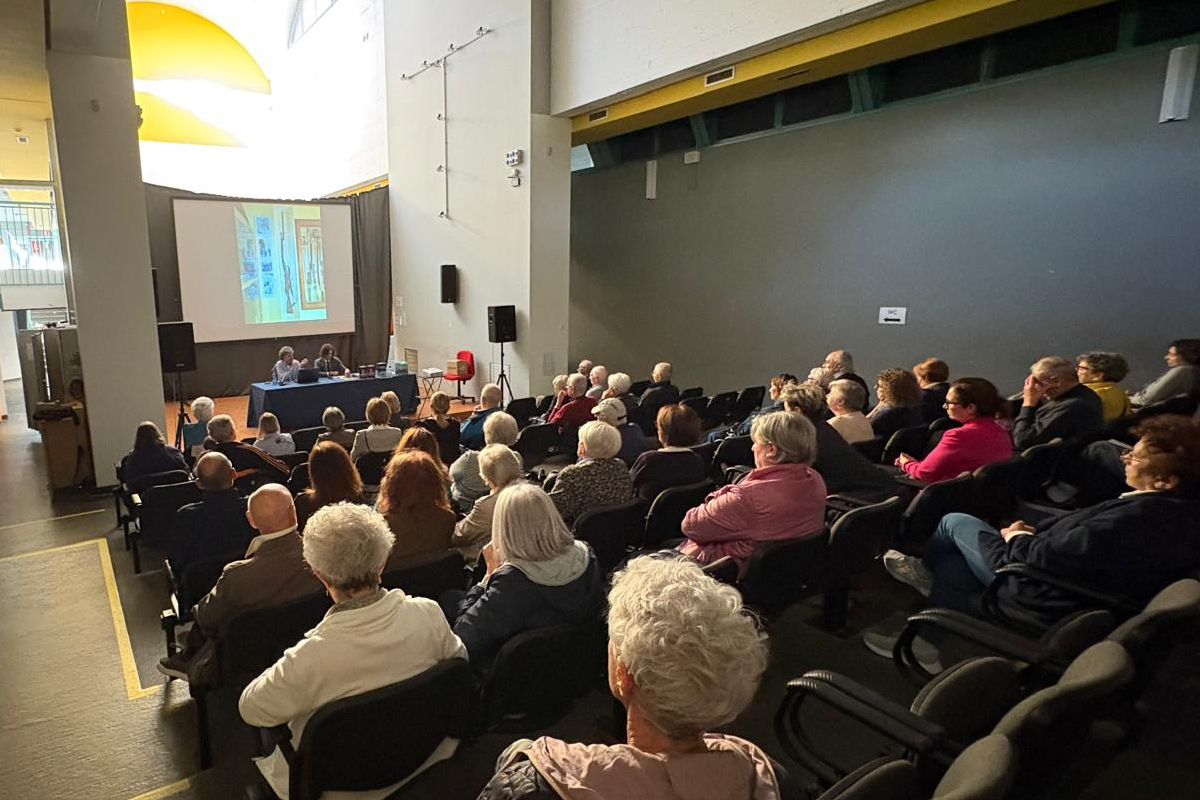
“In 2009, I wrote another book,*The City of Ice*, which recounts an interesting story from World War I,” the author explained, “namely, an incredible feat of engineering unknown to most people, namely the creation of a veritable city within the glacier, consisting of 12 km of tunnels dug by German troops who had come to the aid of the Austro-Hungarian army to reinforce their position in a war of attrition along the border at that time.” What really gives one pause is the condition of the ice more than 100 years ago, when 25,000 soldiers of the Deutsche Alpenkorps arrived and were confronted with the harsh reality of the high mountains.
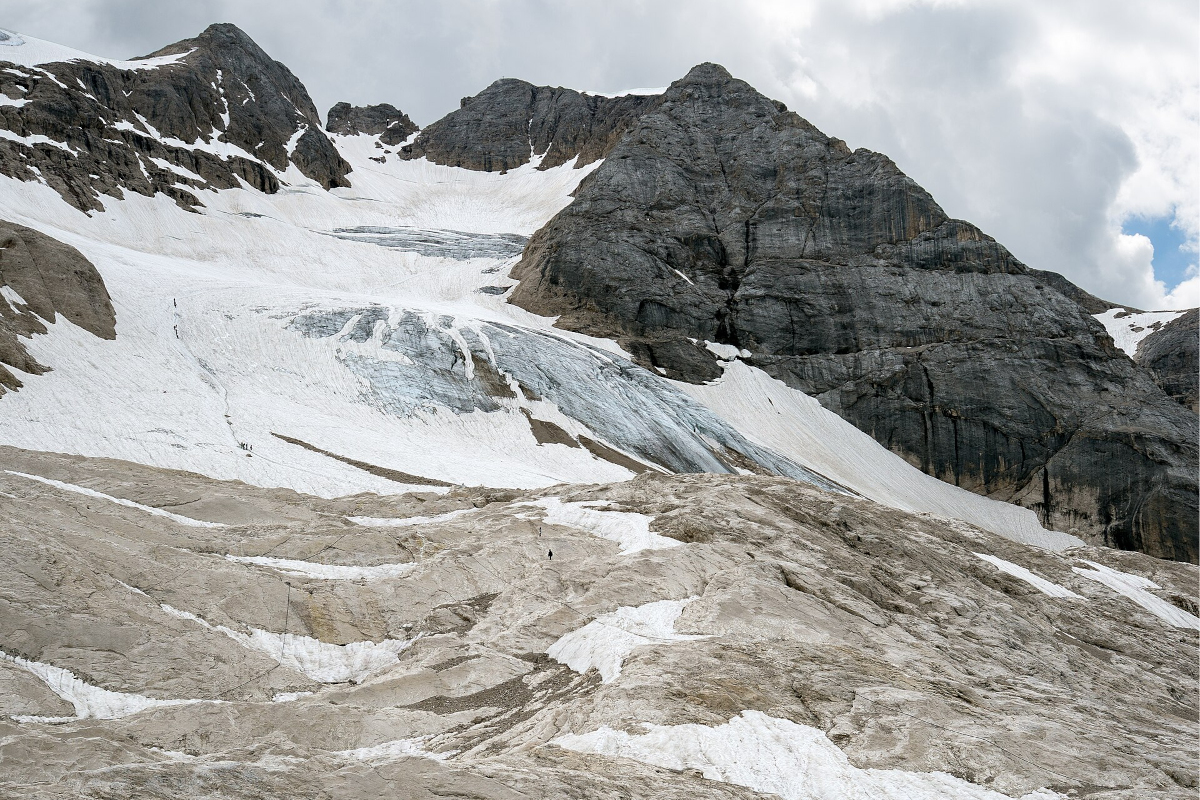
«In the winter of 1916, avalanches alone had claimed more lives than the fighting on the Marmolada - De Bernardin added - "So, in addition to seeking shelter from the Italian fire, excavation work began, which, among other things, helped limit casualties by creating an underground city within the ice where the temperature remained constant at 0 degrees throughout both summer and winter." This was possible thanks to a thickness that reached as much as 150 meters, where the soldiers lived about 50 meters below the glacier’s summit. By 1989, the glacier had already retreated significantly, and ten years later, in 1999, it had retreated more rapidly than in the previous 70 years. “We knew it, but society turned a blind eye».
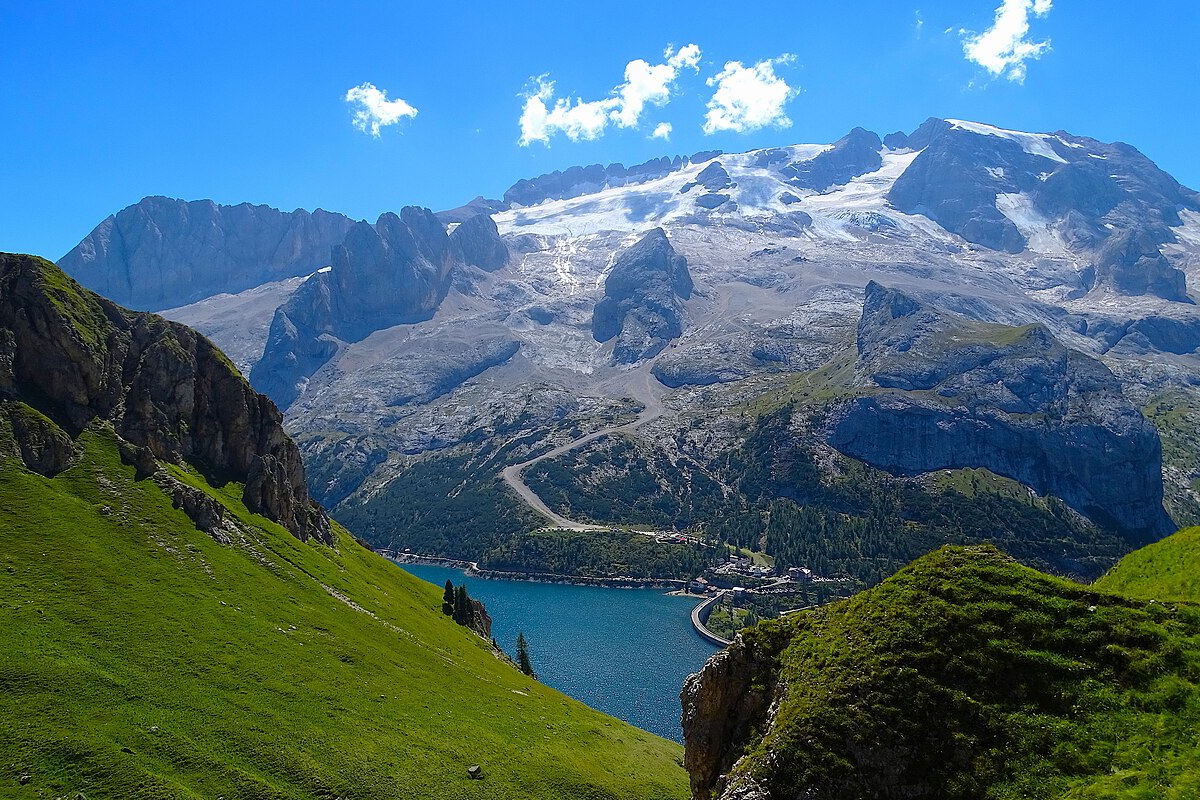
It was precisely from that glacier, which was gradually disappearing, that objects from that conflict emerged: an entire book, helmets, hats, and, sadly, the remains of soldiers, as well as a rifle with a bayonet attached. “As long as the ice is ‘alive,’ it pushes out foreign objects ,” the author explained, “ with a slow but steady movement; however, it can now be considered dead, even though it continues to retreat. An ancient legend, however, tells that in the 1200s, people would go to the slopes of the Marmolada to cut grass, it took 350 years for the glacier to reach an area of 5 square kilometers by the end of the 19th century, whereas today it measures 500 meters».
So, on top of climate change that is already underway, human activity has caused a dangerous acceleration. The mountain is also facing a dangerous population decline, while the glacier has only a few years left. “Tourists look at it, sigh, ‘What a shame,’ and walk away ,” explains De Bernardin . “The ice is disappearing, but its role as an indicator is not. Simply put, less ice means less water in the lowlands, which already has to be rationed in the Belluno area.”
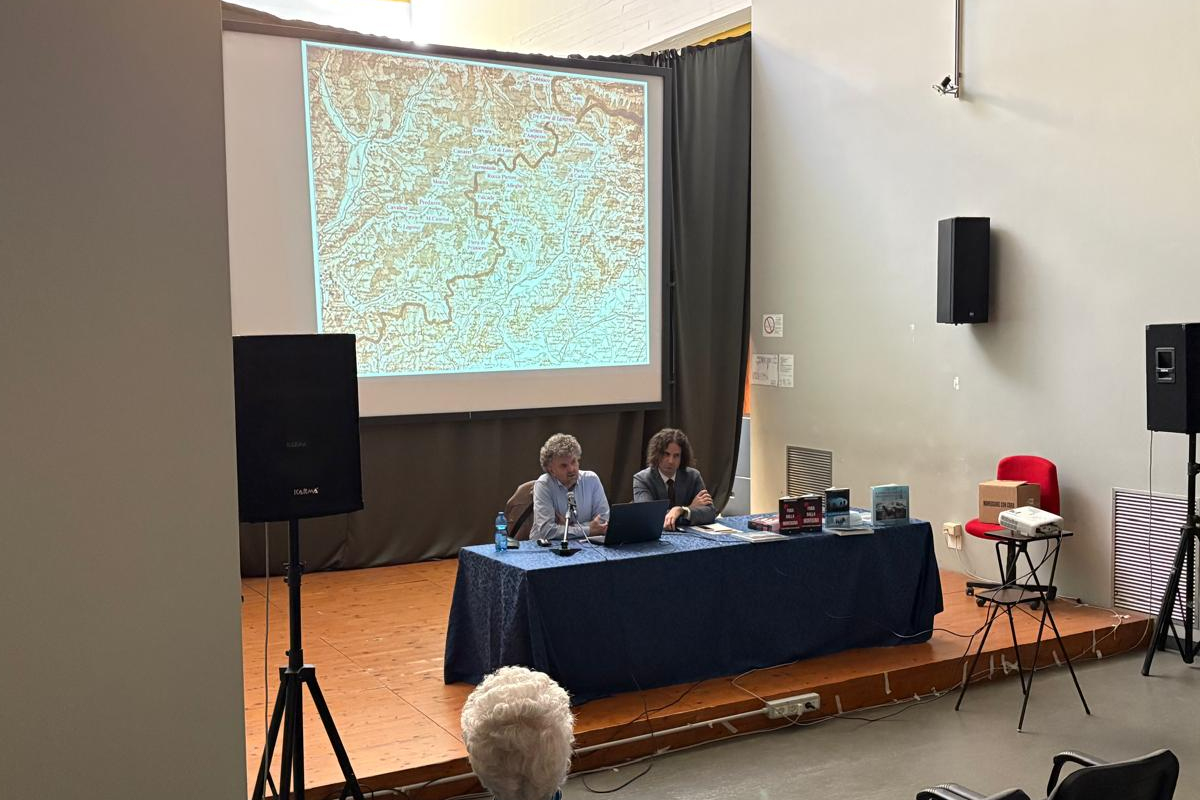
Storm Vaia and the glacier calving that claimed the lives of 11 climbers on July 3, 2022, are all signs that the climate is no longer the same. “Turning on the faucet and always finding water won’t be a given in the future ,” the author reflected, “ While the mountains have become depopulated during the sweltering summers of the plains, many come to seek relief at higher elevations—but it’s a hit-and-run kind of tourism, almost like an amusement park, that disappears when the lights of the summer season go out. Alongside this phenomenon is a smaller one involving people who decide to move from the city—this could be a new future. ».
There remains the issue of protecting the environment: “We should all be more careful not to waste resources, especially water —concluded De Bernardin— and to drive less unless it's necessary. It won’t stop irreversible climate change, but it can mitigate its effects. The mountains teach those who live there to respect them; what originates here reaches the sea, and this is the starting point for preventing hydrogeological disasters, as well as droughts and saltwater intrusion at river mouths. ».