

“Bike to Work” is reserved for residents of the municipality: to participate, you must sign up for the dedicated Ecoattivi app and register your commute, whether your destination is within or outside the municipal boundaries. By doing so, each user earns 20 points for every kilometer traveled, with a maximum of 200 points per day, equivalent to 10 km. Once 800 points are reached, a 10-euro discount voucher is generated. The total maximum limit per person is 50 vouchers worth 500 euros to be spent at participating stores (the complete list is available in the app).
“The numbers are growing, and we’re getting excellent feedback. Retailers are also satisfied with the participation and find the project useful for their businesses,” explain Councilor Oriana Gerardi and Executive Director Silvana Zanon, who were present at the voucher distribution ceremony. “Bike to Work is off to a great start, as it promotes the right balance between the city, the environment, and health—a lifestyle that is both healthy and respectful of the environment in which we live. We are confident in the program’s further expansion and in ever-greater participation from citizens and our local businesses.”
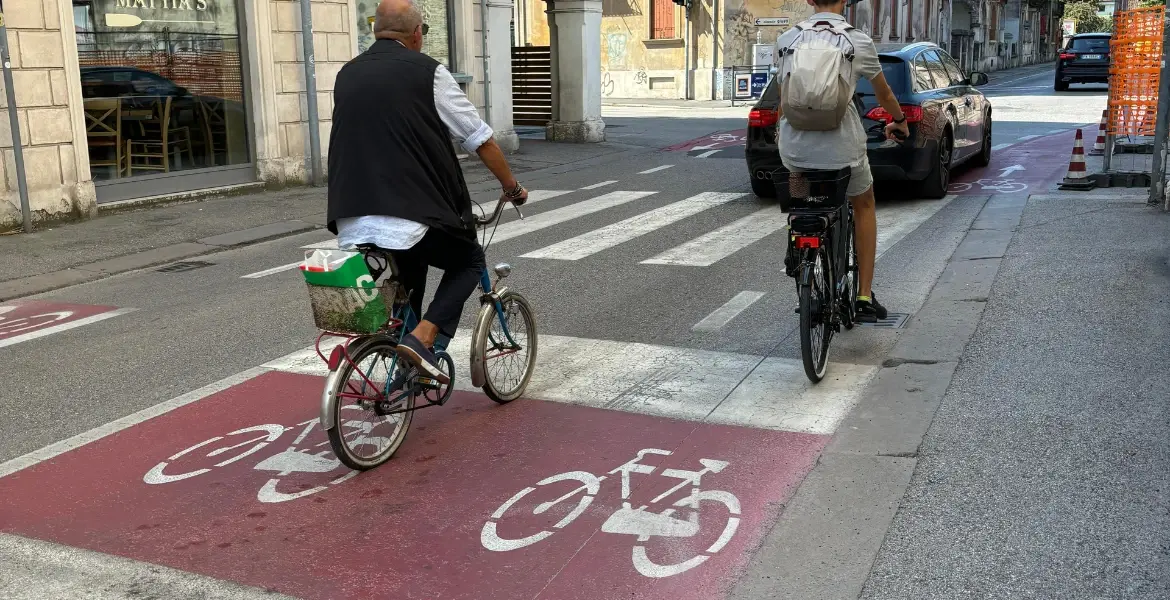
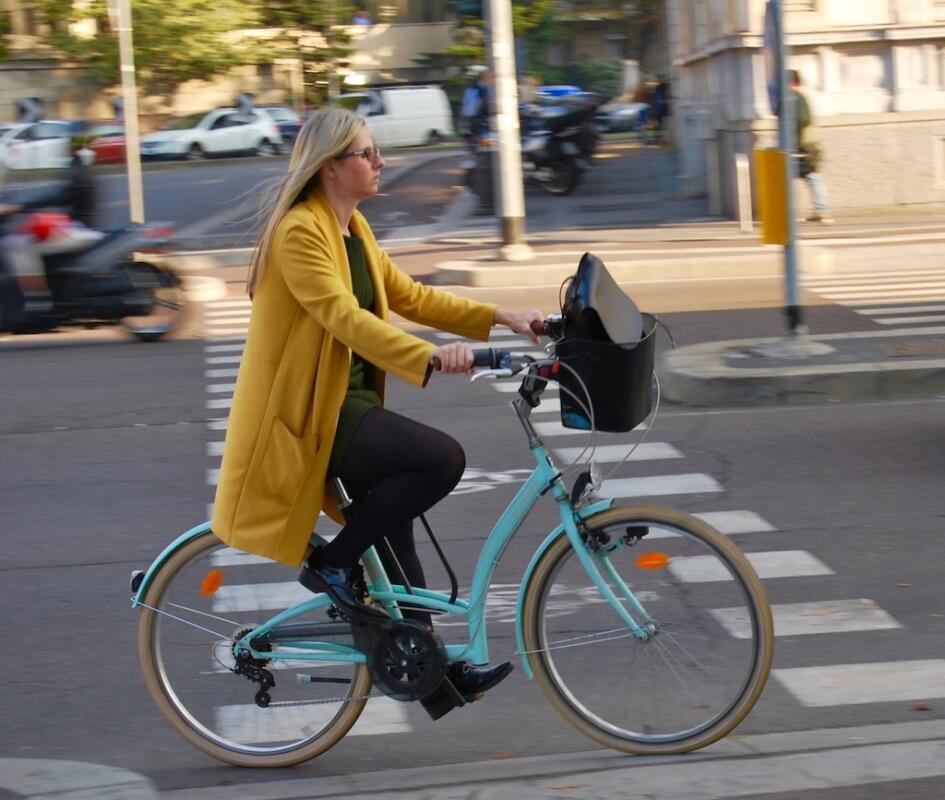
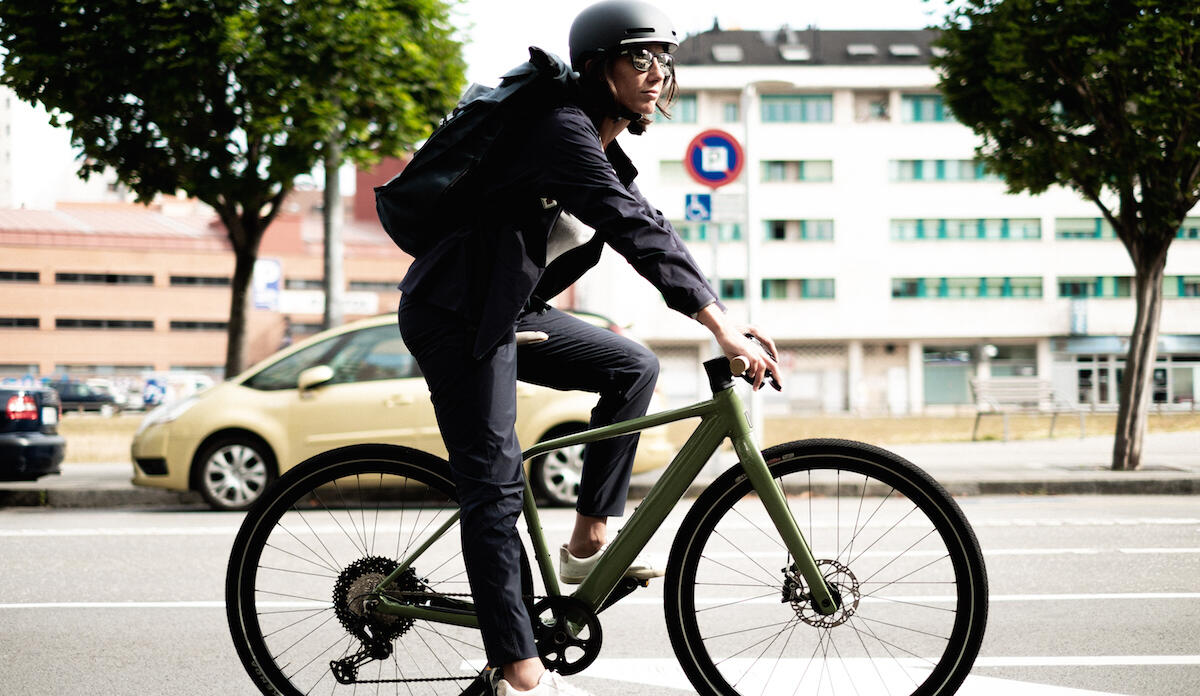
More broadly, an increasing number of Italians are choosing to leave their cars at home when commuting to work, transforming their daily commute into an opportunity for well-being and sustainability. At the heart of this trend is the “Bike to Work” project, which is powered digitally by the Eco Attivi app.
The initiative is no longer just a local experiment but a movement firmly rooted across the country. Currently, the project involves over 100 municipalities in Italy, with more than 50,000 active users. The trend is on the rise: the number of participants has doubled compared to the previous year, confirming that environmental awareness—combined with savings on fuel costs—is becoming a powerful driver of change.
Adoption is widespread but not uniform: Northern Italy remains the main testing ground, with a higher density of model municipalities, but the model is also successfully taking hold in various cities in Central and Southern Italy, where the integration of cycling and integrated mobility is becoming a priority for local governments.

The success of Eco Attivi lies in “gamification.” The app tracks trips made on foot or by bicycle, converting them into points that can be redeemed for discounts at local businesses or for rewards offered by municipalities. This approach transforms the chore of commuting to work into a game, creating a community of citizens who compete against each other on local leaderboards, thereby encouraging healthy and environmentally conscious behavior.
Despite the enthusiasm, the path is not without obstacles. The biggest challenge remains the quality of the infrastructure: in many municipalities, the lack of safe, continuous bike lanes discourages workers who are less experienced cyclists, as they view urban traffic as too risky. A second problem is technical in nature: GPS accuracy in “urban canyons” (narrow streets between tall buildings) can sometimes lead to tracking errors, causing frustration among users. Finally, the bureaucratic burden on municipalities in managing rewards and agreements with local businesses remains, in some cases, a barrier to entry for smaller local governments.
The future of the “Bike to Work” project through Eco Attivi looks promising. Upcoming developments are moving toward integration with MaaS (Mobility as a Service), with the goal of connecting bike trips with local public transportation. The idea is to reward not only those who bike, but also those who effectively combine different modes of sustainable transportation. Furthermore, efforts are underway to directly involve companies: encouraging employees to use the app not only as a civic initiative, but as part of corporate wellness programs, by offering financial bonuses or mileage reimbursements based on accurate data collected by the platform.
In an Italy desperately seeking to relieve congestion in its historic city centers, the combination of technology and sustainable mobility is proving to be the key to moving from good intentions to concrete action. The path toward more livable cities has been laid out, and every kilometer recorded on Eco Attivi is tangible proof of this.