

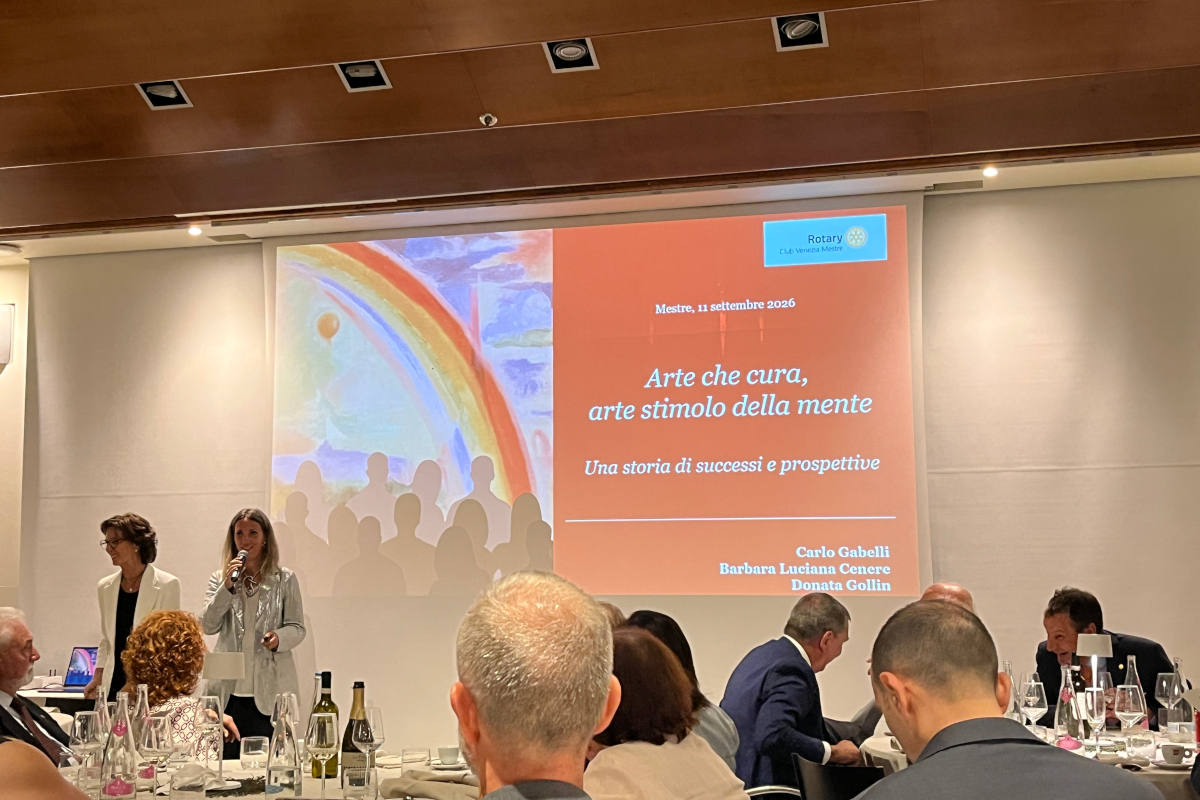
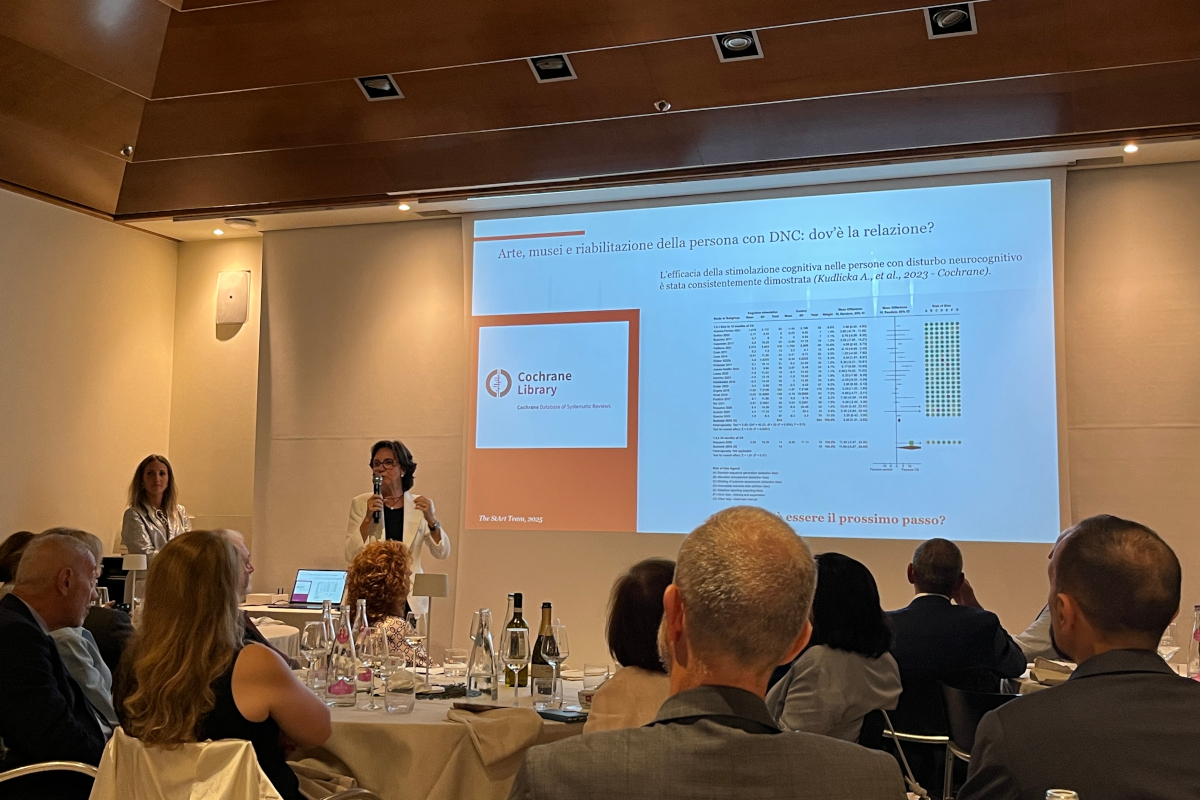
Diseases that affect the brain are still irreversible, but their progression can be slowed. A study conducted in Finland involving more than 1,200 participants (FINGER) has scientifically demonstrated that certain behaviors and habits play a decisive role in preventing or slowing cognitive decline in older adults by keeping the mind active.“There are factors that can potentially reduce cognitive decline,” said speech-language pathologist Donata Gollin, coordinator of StArt, “such as education, lifestyle, learning, hearing, and social interaction.”
“The Regional Center for the Study and Treatment of Brain Aging in Padua (CRIC) was founded 26 years ago,” recalled Dr. Carlo Gabelli, “withthe goal of treating dementia through a stimulation-based approach: keeping the brain active just as we do with muscles, since the condition worsens with inactivity.” Hence Dr. Gollin’s proposal: “Given the complexity and irreversibility of the disease, why not develop treatment models through art? By combining the clinical setting with the museum environment, we can try to break down the stigma surrounding patients and stimulate their potential.”
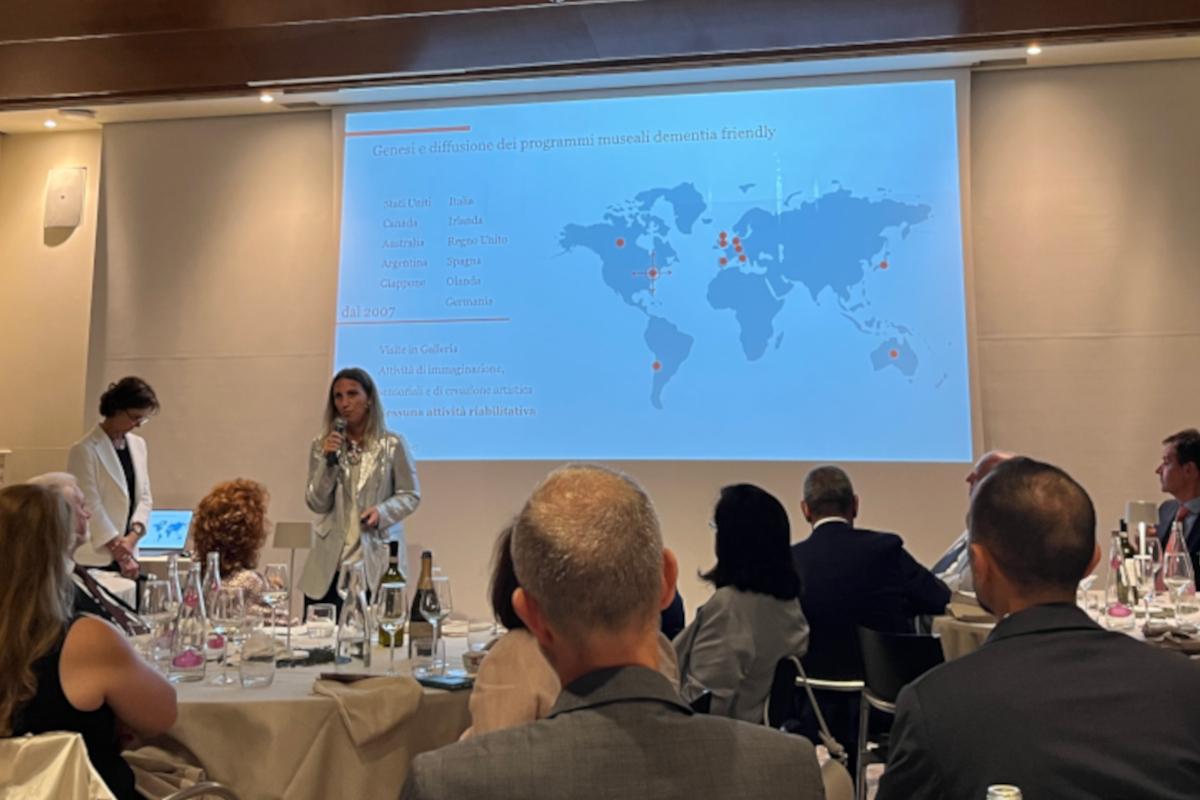
Similar experiments have already been attempted by MoMA in New York since 2007, which found a partner in the local project in the form of the Musei Civici Eremitani in Padua.“When you leave a doctor’s office and enter a museum, it’s essential to have art professionals who know how to present the works in a way that resonates with patients,” said Barbara Luciana Cenere, an art historian with a Ph.D. in art and human health who is involved in the project. “We workalongside healthcare professionals at every stage of the process, from planning to implementation.”
The method developed by Cric consists of 17 sessions, 14 of which take place in the clinic and the remaining 3 at the museum. Following a neuropsychological evaluation of the patient, each session is divided into three parts: physical activity, a guided discussion about a work of art, and activities designed to support cognitive functions —such as a crossword puzzle or a quiz based on what was observed earlier. The museum visits are group sessions, allowing participants to explore the works firsthand and fostering memory recall and discussion.“It’s a cross-disciplinary approach,” explained Gollin, “ that adapts to different diagnoses and educational needs. The improvements we have observed are not limited to language and motor skills, but also extend to overall health ».
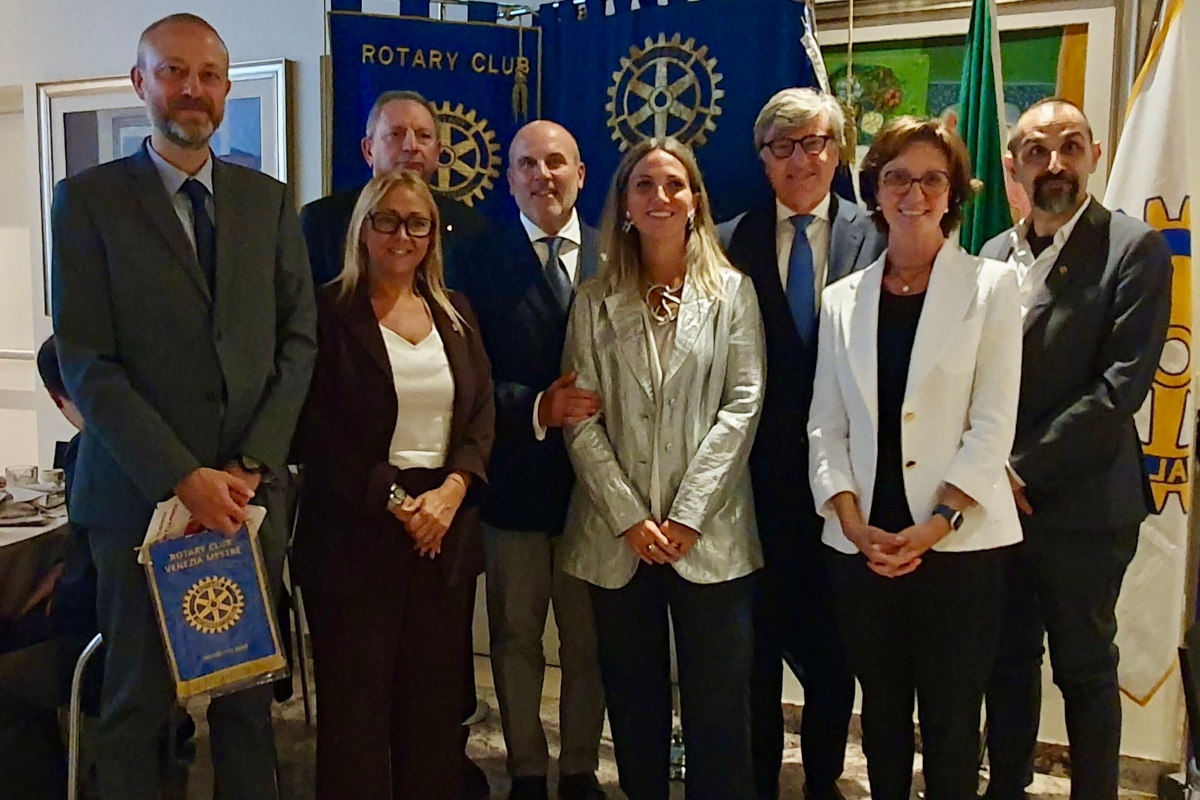
“We had never dealt with anything like this before,” explained Professor Guido Bartorelli, a contemporary art historian in the Department of Cultural Heritage at the University of Padua, during the event, “— At first, we wondered if it wouldn’t be enough simply to display the works and let them be viewed at the museum. But we quickly realized that patients had the same right as everyone else to have a guide who could describe a painting; so we adjusted our approach, placing the individual at the center. ».
The project is a useful example , especially given the trend of population aging : " Methods like this represent the future of precautionary brain stimulation ," emphasized Giovanni Leoni, President of the Venice Medical Association and National Vice President. With 1 in 10 men and 1 in 5 women at risk of developing neurodegenerative diseases like Alzheimer's by age 75, prevention becomes crucial : " Current treatments worldwide are worth the entire GDP of Saudi Arabia. Initiatives like this, which have an impact on limited budgets, are extremely useful ," emphasized Luca Pezzullo, President of the Veneto Association of Psychologists. " Art can also change the narrative of the disease ," Cenere stated, " continuing to fill life despite the diagnosis ."