


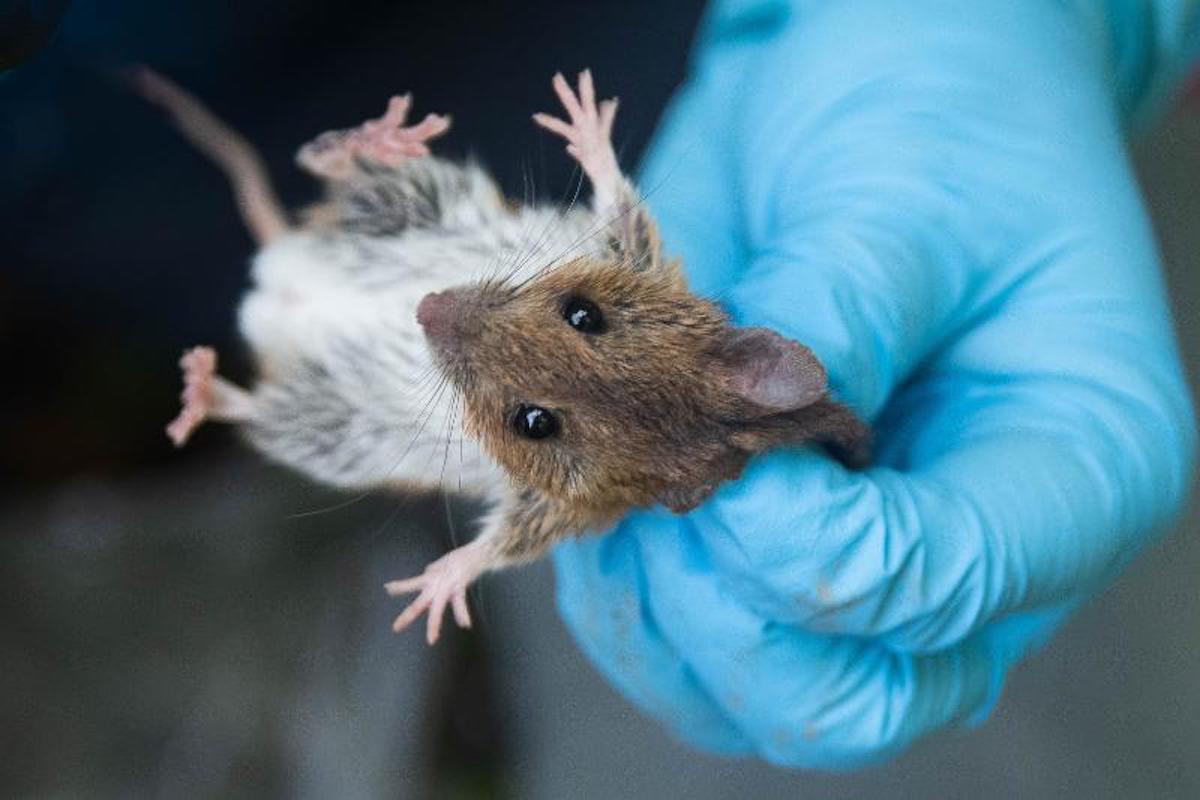
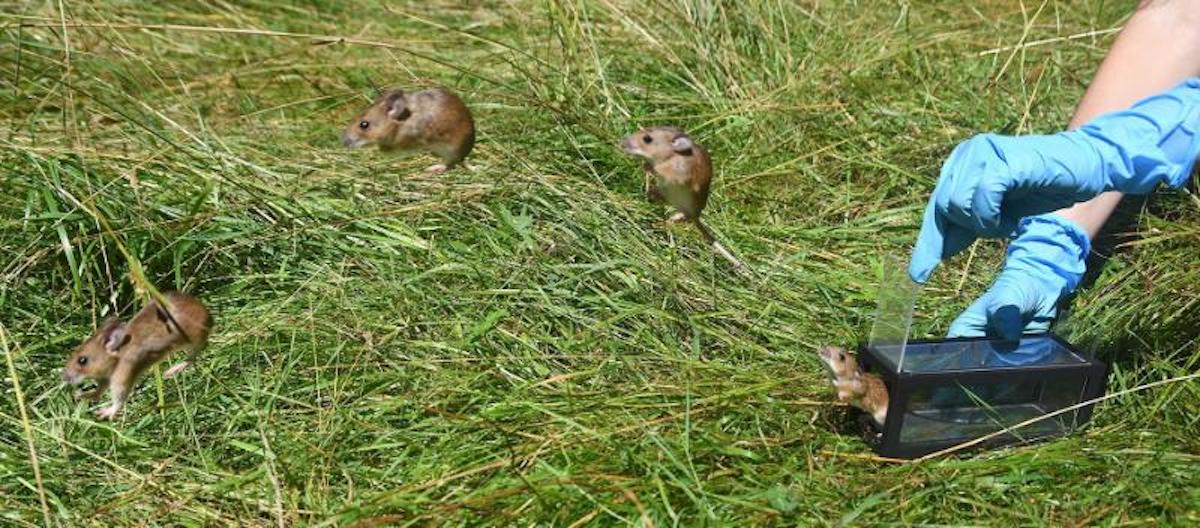
Mammals serve as important bioindicators, capable of providing information on the health of ecosystems and environmental changes. Species such as deer, roe deer, chamois, and wolves are already covered by established monitoring programs. However, significant knowledge gaps remain regarding small and medium-sized mammals, whose presence and distribution across the territory require further investigation. Following the collection and organization of historical data, carried out between February and September 2025, the second operational phase will continue through 2027. Activities will focus primarily on the least-studied groups: mustelids, including weasels, skunks, and martens; felids, with particular attention to the wildcat and any hybrids with the domestic cat; small mammals, such as shrews, wild mice, voles, and dormice. Various techniques will be used to identify them. Monitoring will rely primarily on camera traps, supplemented by specialized devices called “mostela boxes, ” which are also used in the Western Alps. These are special boxes that take advantage of the habit of small mustelids, such as weasels and stoats, to search for prey inside tunnels and crevices. The narrow passage slows down these particularly fast and elusive animals, increasing the chances of photographing them. Plans also include collecting fur samples for genetic analysis and conducting temporary trapping campaigns for small mammals.
“One aspect of the park that has been little studied is that of small mammals, such as wild mice and voles,” notes Stefano Malavasi, a professor at Ca’ Foscari University and the project’s scientific supervisor. The captured specimens will be identified and measured for key biometric data, then immediately released. The operations will be conducted using temporary traps designed to ensure the animals’ well-being. The information gathered will help better define the species present and their distribution. A key contribution comes from the Natural History Museum of Venice, which draws on thirty years of experience in the study of small mammals and the creation of faunal atlases. “Understanding the distribution of species is the first step toward protecting them and effectively managing our natural heritage,” notes Mauro Bon, the museum’s head of research and scientific outreach. Alongside research activities, public outreach aims to raise awareness about respect for the environment and the delicate balance between nature and human activities. Among the most innovative elements is the direct involvement of the community through Citizen Science. In collaboration with the Carabinieri Forestali and park staff, the “Adopt a Camera Trap” campaign is launching, which will allow local organizations to make a tangible contribution to monitoring efforts. Participants will be trained to install and monitor the equipment, use it correctly, and comply with privacy regulations. Regular meetings will also provide opportunities to share survey results and compile photographs and descriptive profiles for the final publication. Citizens, students, and hikers will thus be able to play an active role in the research, helping to build a more comprehensive picture of the wildlife in the Belluno Dolomites. The Atlas is therefore intended not only as a tool for scientific knowledge but also as an opportunity to engage the local community in biodiversity conservation and to strengthen awareness of the value of the protected natural heritage.