




““Anyone who equates ethics with artificial intelligence is off track,” —the professor explained— ‘the systems of governance that define boundaries and spheres of action must be strictly human; a machine has no conscience.’ The truth, according to the professor, is that those who talk about AI often know very little about it—from the sensationalism in the newspapers to the empty rhetoric of politicians—while now, more than ever, we need to understand this phenomenon.
“Even the big players from the industry’s leading companies, after generating a morbid fascination, have become trapped in a utopian dream, so they’re trying to save face with fear-mongering marketing. The truth is that they lack the data centers and energy needed to carry out their grandiose development plans, and with insufficient revenue— he adds— they need to position themselves, just as Donald Trump and Xi Jinping do, who use this technology to mask the fragilities or internal weaknesses of their own economies.”
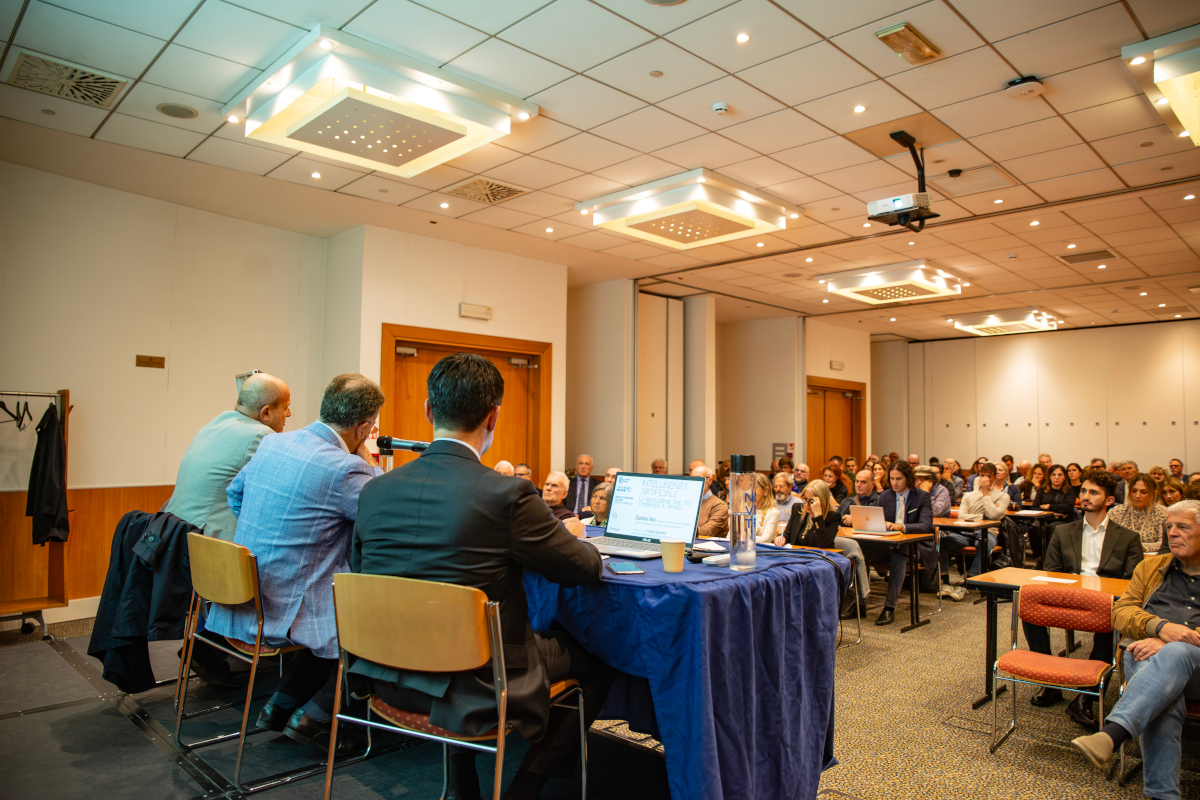
When viewed critically However, this technology could be very useful for Italy and Europe: “We’ve already lost the battle with the United States over the large language models used in GPT systems - Noci warns— But not the digitization of manufacturing —precisely the area in which China is investing. AI can be a great opportunity for our small businesses; we’re among the leaders in manufacturing in Europe but third from the bottom in digital skills. The relationship between technology and SMEs needs to be nurtured, but there’s a lack of urgency—if we miss the boat, others will take our place.».
The approach, therefore, is based on freeing people from repetitive, labor-intensive tasks so they can spend their time on other, more value-added activities. “However, this change requires new educational policies to improve cognitive abilities,” the expert explains, “ AI raises the average level of quality required for work, eliminating the return associated with skill levels. The challenge, therefore, is how to manage the transition while avoiding millions of potential unemployed. In China, they have eliminated 12,000 college degree programs deemed obsolete; what’s needed is vision and courage. ».
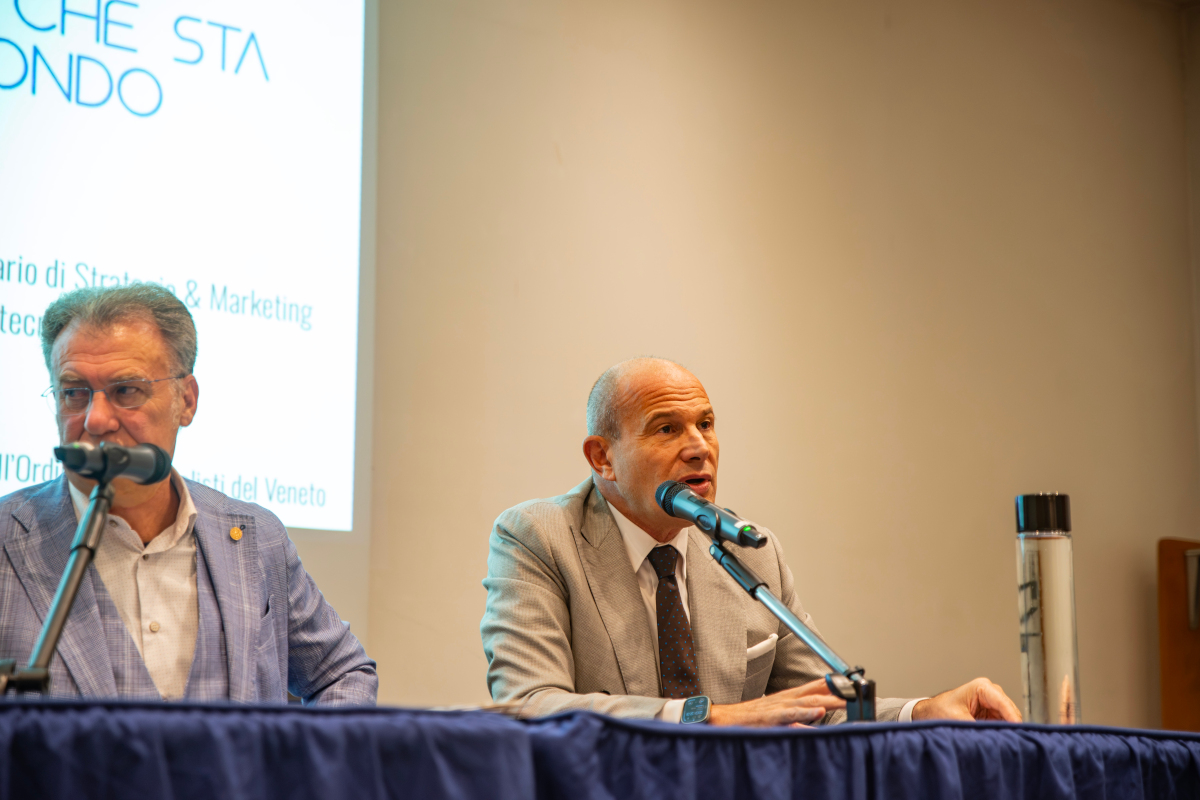
AI is not a new phenomenon; it has been discussed since the 1950s and has been with us for decades, but with the rise of the Internet and the gradual improvement in computing power, we have learned to live alongside algorithms, experiencing them more and more firsthand thanks to generative artificial intelligence: “It’s impossible to stop it now —Noci points out— But regulating it is a must. The problem is that Europe isn’t a major player—even though it sets standards in this area—it lacks authority; it’s a continent that’s falling behind, the only area where it still has a say is AI applied to industrial processes, which doesn’t even require much computing power, given that we don’t have data centers like China and the U.S. and we boycott them whenever someone proposes building them ».
If data centers generate heat, that heat can also be put to use:“In Milan, there’s a project to heat an entire neighborhood with hot water produced by the cooling systems,” concludes Noci, “ We’re saddled with the legacy of the U.S.’s problems, where the state-run power grid is inefficient, but we ’ll be able to use renewable energy to power them—though we’ll need to get the necessary authorizations. If we do nothing, the Chinese have already won the game— a game that will be played out not only in the energy and computing sectors but also in cybersecurity, because data will become increasingly valuable and in need of protection, given that modern wars will be cyberwars. That is why we must develop public policies to manage the transition in a way that is sustainable for the environment, people, and the economy. ».