

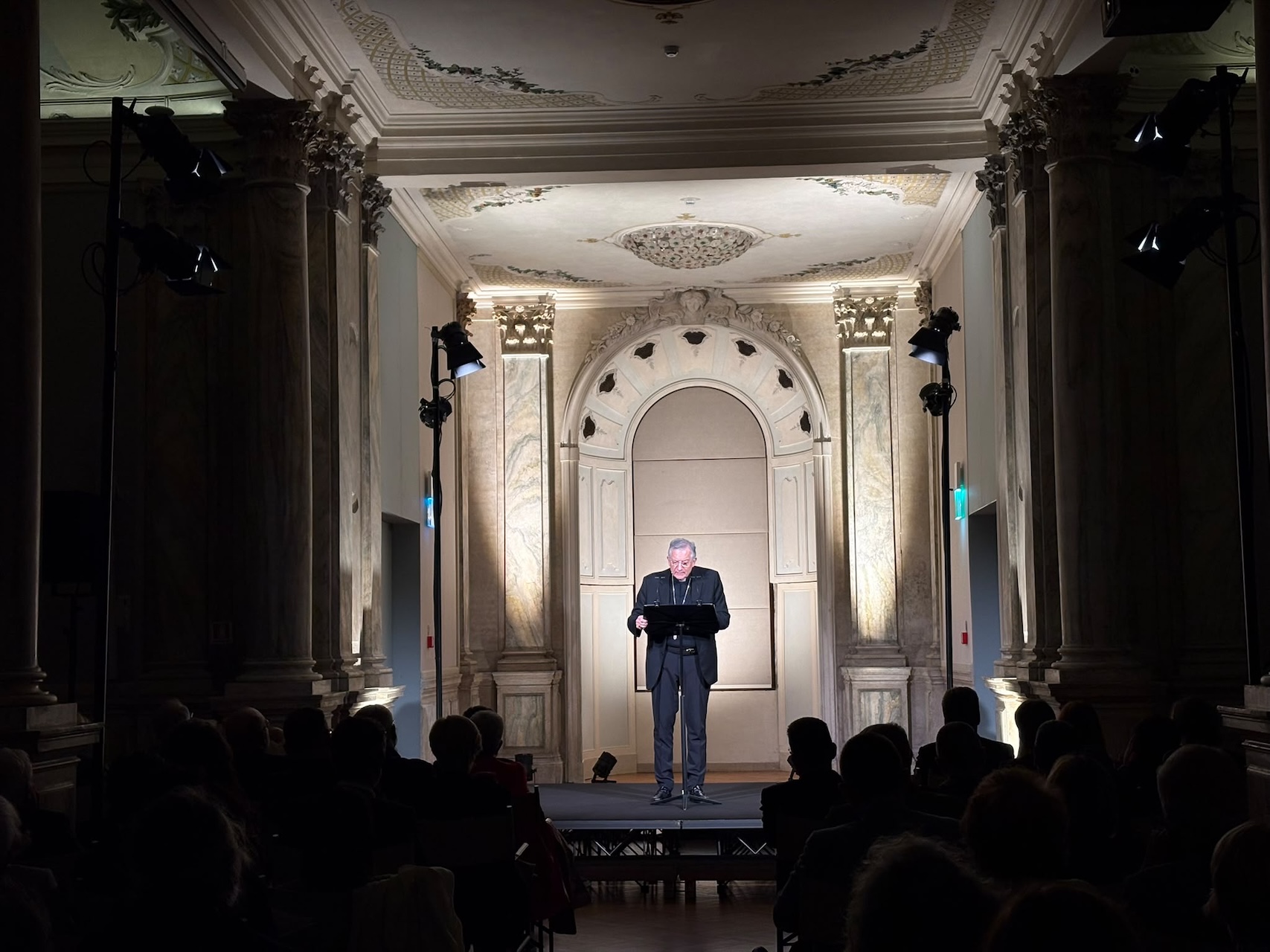
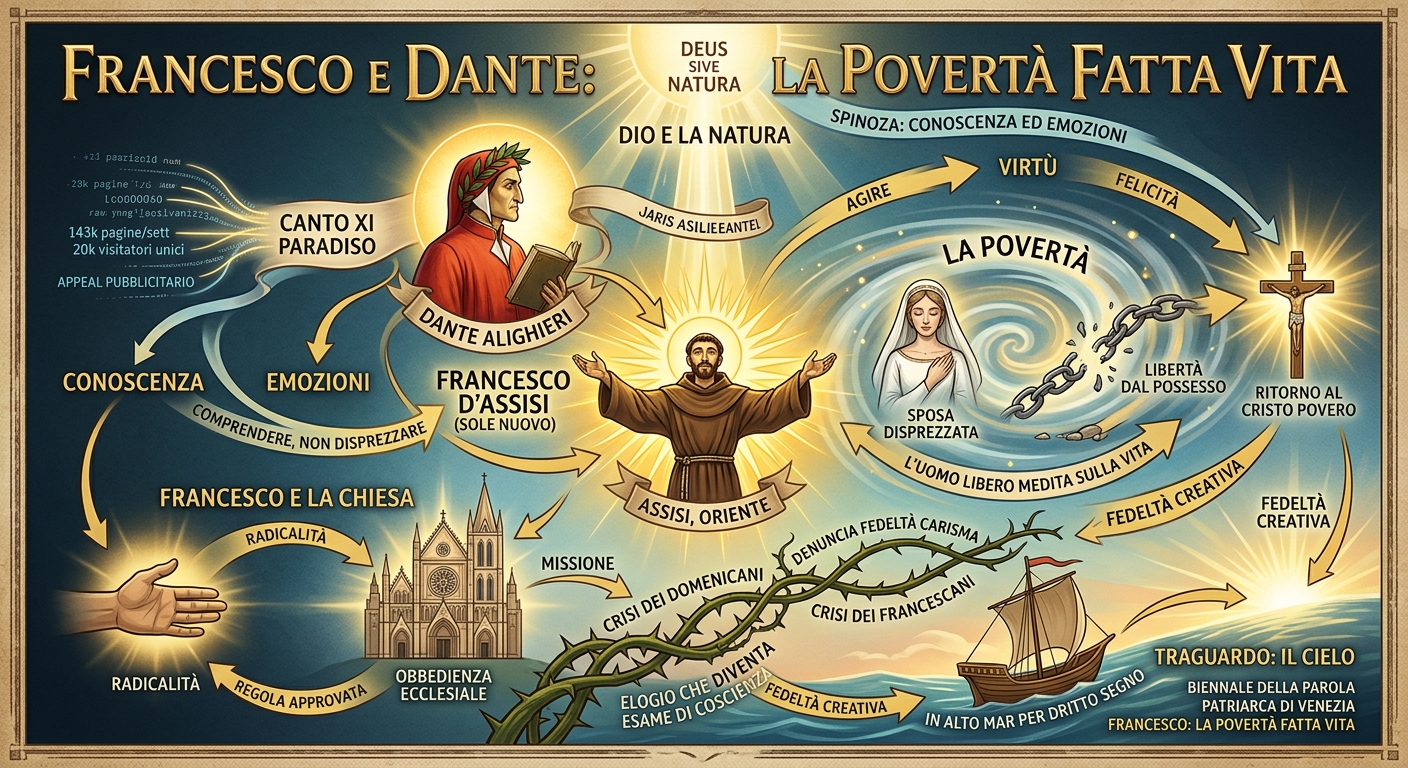
The theological and poetic culmination of the Patriarch’s address concerns the personification of Poverty. For Dante—and for Francis before him—poverty is not merely an ascetic theory, a form of social hardship, or economic deprivation: it is a bride.
She is the female figure of Our Lady of Poverty, who remained a widow and was despised for over a thousand years after the death of her first husband, Jesus Christ. No one sought her out or desired her anymore, until the very young Francis decided to unite himself with her through a public and groundbreaking act. His renunciation of the possessions of his father, Pietro di Bernardone, before the bishop of Assisi and his own community, was neither a performance nor a gesture of “reverse patronage,” but a “scandalous marriage” that broke with the logic of the world.
By choosing poverty, Francis rediscovers and reaffirms the true “forma Christi.” The Patriarch clarifies a fundamental point to avoid any ideological misunderstanding: Franciscan poverty is by no means synonymous with the cult of misery or suffering for its own sake. It is, above all, synonymous with absolute freedom. Owning nothing as his exclusive property allows Francis to view reality with eyes free from domination and selfishness: only those stripped of the desire for possession can discover universal brotherhood, coming to call every creature “brother” and “sister”—from the least of these to lepers, and even the elements of creation.
Another crucial aspect of the reflection presented at Ca’ Giustinian concerns Francis’s relationship with the Gospel and the ecclesiastical hierarchy. The Poverello neither invents a new doctrine nor proposes a complex exegesis: he lives the Gospel sine glossa—that is, literally, without qualifications, shortcuts, or intellectual compromises.
His path, however, was not one of rebellion. Although his choice challenged and shook the wealth and compromises of the ecclesiastical institutions of the time, Francis categorically refused to become a leader of the opposition or to found an “alternative” Church. Instead, he sought Rome’s endorsement: he went to Pope Innocent III to obtain initial verbal recognition and, subsequently, to Pope Honorius III for the solemn approval of the Rule.
Here, Dante demonstrates an extraordinary synthesis of evangelical freedom and ecclesial obedience. Francis’s personal charism does not remain a private or anarchic experience, but enters into a profound dialogue with the universal Church to purify and evangelize it from within. This same missionary impulse will lead him, unarmed and without any claim to conquest, right before Sultan Al-Malik al-Kamil.
The culmination of this journey of conformity to Christ takes place on Mount La Verna, where, in 1224, Francis received the stigmata. For Dante, the signs of the Passion imprinted on the Saint’s body do not represent a spectacular miracle, but rather the final, definitive “seal” by which Christ himself acknowledges the absolute fidelity of his servant. Right up to his final act: his death on the bare ground near the Porziuncola, where Francis entrusted to his brothers his one true legacy—Poverty—before commending his soul to God.
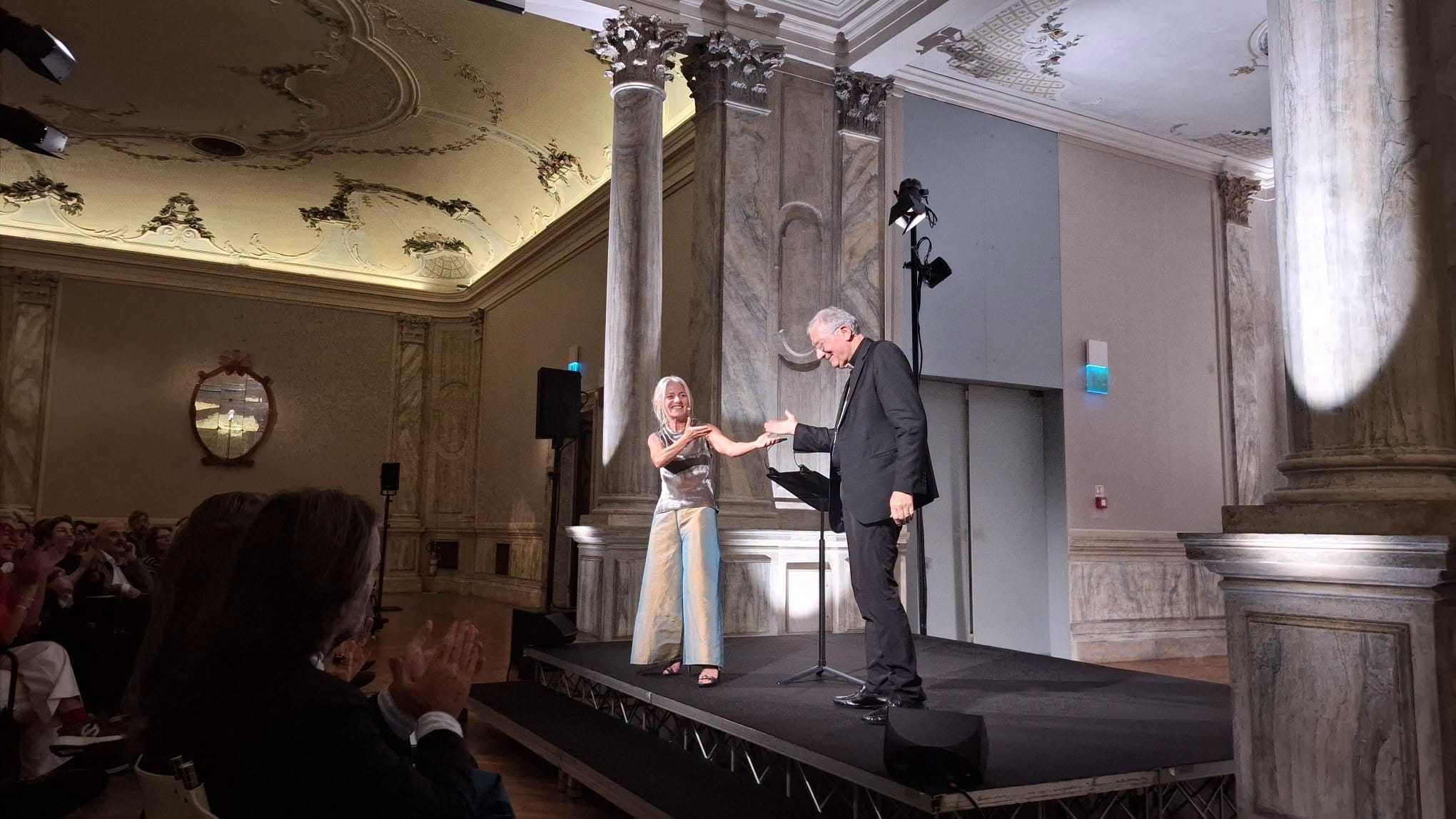
In the final part of his speech, Patriarch Moraglia focuses on the polemical turn with which Thomas Aquinas concludes Canto XI. After singing the hymn to Francis, the great Dominican theologian turns his gaze to his own Order and bitterly denounces its decline.
Using the famous metaphor of the “pecuglio” (the flock), Thomas condemns the Dominican friars who, greedy for “nova vivanda” (that is, careers, worldly ambitions, power, and lifeless philosophical subtleties), scatter across steep pastures (“various leaps”), returning to the fold devoid of spiritual milk. Very few now cling to the shepherd, keeping their habit intact and remaining faithful to the original charism.
Bonaventura will make a similar indictment in Canto XII regarding the deviations of the Franciscan Order, which was internally divided between laxists and extreme rigorists. This critical symmetry demonstrates Dante’s profound modernity: the celebration of the sanctity of the past is not meant to indulge in nostalgia or to create a museum of memories, but rather serves as a stern and demanding examination of conscience for the present.
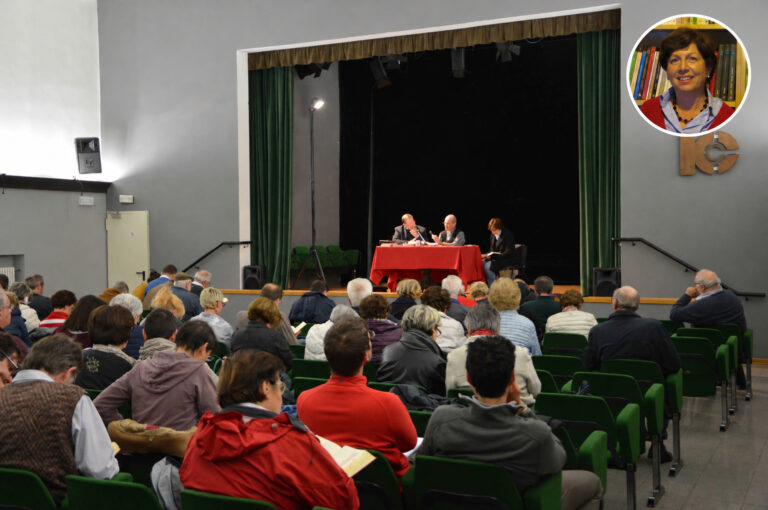
In concluding his remarks before the Venetian audience, Monsignor Moraglia noted that Dante’s portrayal of Francis remains a living work, capable of stirring consciences even more than eight centuries after his death. Francis’s life does not offer a consolatory or convenient form of religiosity; it poses an open and radical question to every believer and to the institutions of every age: How much are we willing to risk personally to remain faithful to the essence of the Gospel?