
New Genetic Cause of Deafness Discovered in Venice
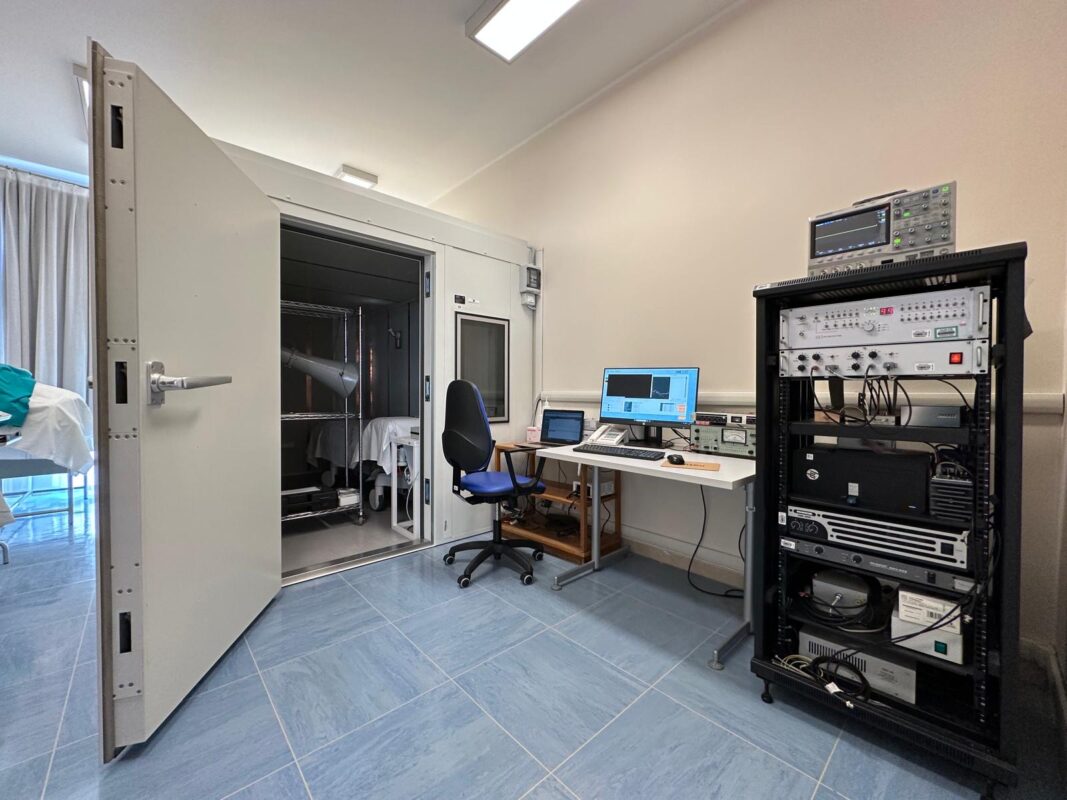
He was only a few years old when the noise around him began to fade. His mother and father, who had perfect hearing, took him to the Center of Excellence in Audiology at the Ospedale Civile in Venice, hundreds of kilometers from home. There, the child became a patient of Dr. Rosamaria Santarelli, a professor at the University of Padua and a nationally recognized specialist in childhood deafness, who diagnosed him withbilateral sensorineural hearing loss. A decade later, observing the patient’s clinical progression, Dr. Santarelli herself suspected that there might be a specific genetic cause behind that hearing loss. The professor entrusted the genetic material of the patient’s entire family to the test tubes of the Genetics and Cytogenetics Laboratory at the Ospedale dell’Angelo in Mestre, another center of excellence led by Chief of Staff Mosè Favarato. There, the team analyzed 115 genes involved in the boy’s auditory perception and investigated the same number of genes in his closest relatives to study the possible hereditary transmission of the condition. This led to a study that has entered the international scientific literature: the discovery, published in JALM (The Journal of Applied Laboratory Medicine) under the title “Isoform-Specific TRIOBP Truncating Variants in Deafness, Autosomal Recessive 28: A Case Study of Postlingual Moderate Sensorineural Hearing Loss, is authored not only by Chief Physicians Favarato and Santarelli but also by geneticists Dario Degiorgio, Eliana Greco, Marianna Beggio, Edoardo Peroni, and Giulia Favretto, as well as otoneurologists Erennio Natale, Cristina Gondiu, Elona Cama, and Pietro Scimemi.

