
An exhibition in Venice showcases the golden age of Murano glass
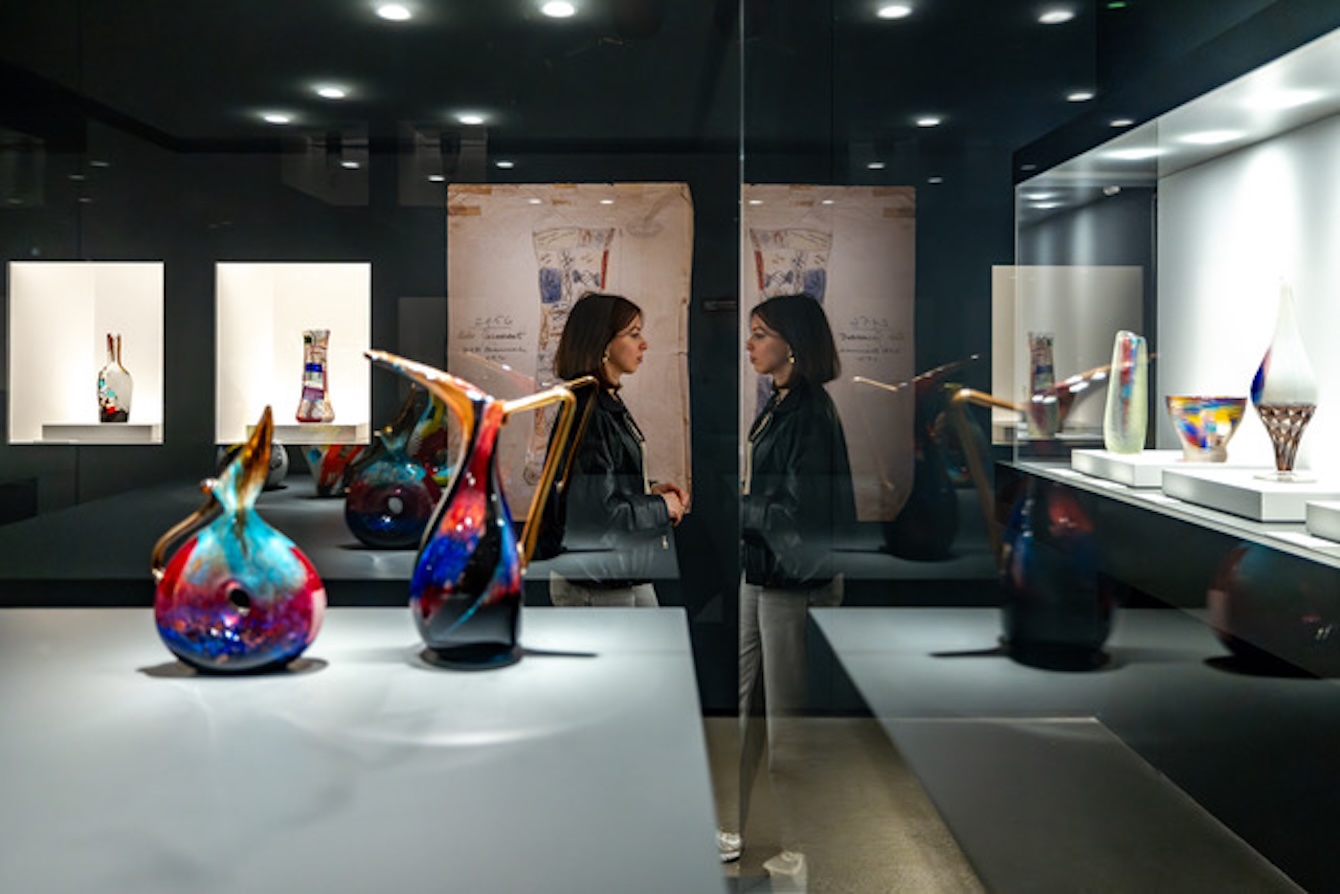
With new geometric forms, uses of colour and unprecedented experiments, between 1948 and 1958 Murano glass at the Biennale became a form of pure art. At Le Stanze del Vetro, on the island of San Giorgio Maggiore in Venice, the third instalment of the exhibition series dedicated to the presence of Murano glass at the Biennale is drawing to a close. The exhibition ‘1948–1958. Murano Glass and the Venice Biennale’, running until 22 November and curated by Marino Barovier, examines Murano’s golden decade, during which the works of the period’s most important glassworks – including Venini, AVEM, Barovier & Toso, Seguso Vetri d’Arte, Alfredo Barbini, Archimede Seguso, and artists such as Vinicio Vianello. ‘It was Vianello himself, a painter from the Spatialists’ group, who created his “Nuclear Explosions”—a series of sculptures that are particularly interesting as they were inspired by the explosions at Hiroshima and Nagasaki. – explains Marino Barovier – He made many of them, as photographs from the time attest, but now only two remain. A vintage photograph on display in the exhibition shows Peggy Guggenheim standing right next to one of these works, of which, however, no trace remains; perhaps it was broken over time,” speculates the curator.
Laudino Mason, aged 79, is running his 40th Venice Marathon
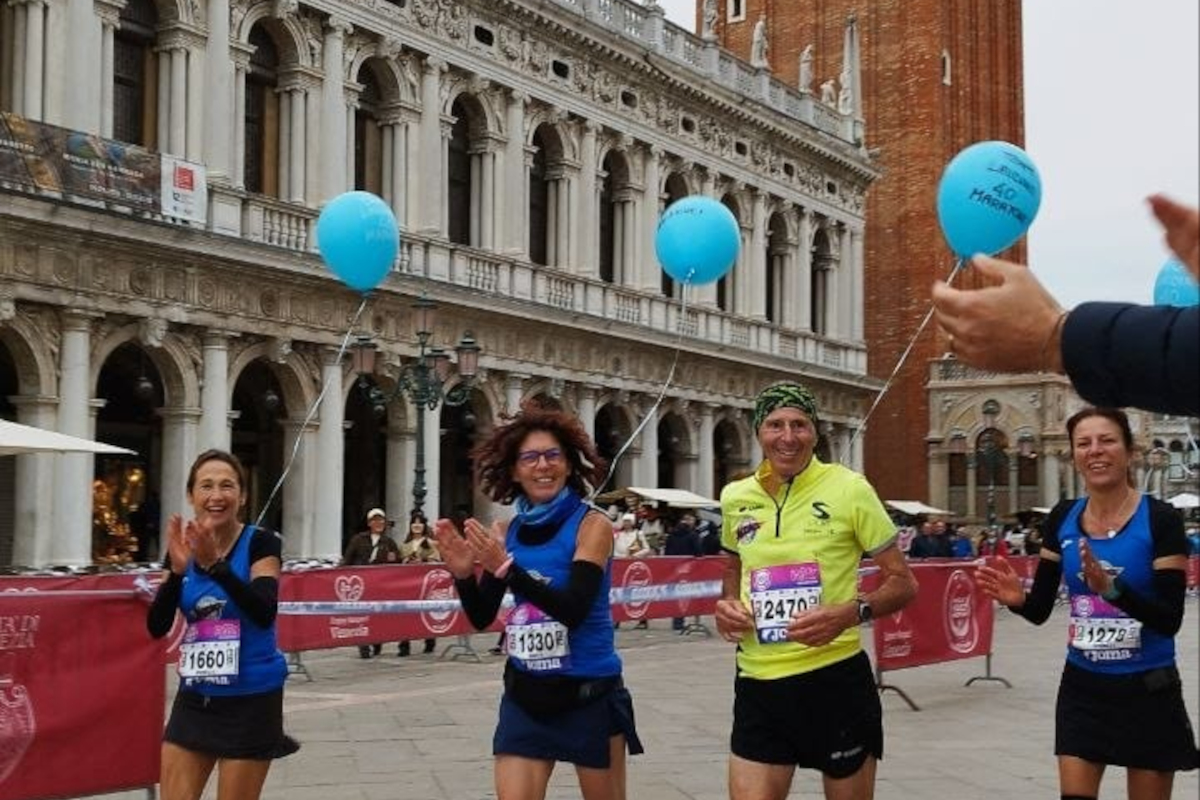
The 40th edition of the Venice Marathon was full of records and anniversaries, but one that stands out above all is the fact that it featured no fewer than three loyal participants who have run it without fail since 1986: Mauro Trevisan from Padua (born in 1957), Gianfranco Tagliapietra (born 1951) from Chirignago, and Laudino Mason, who, at the age of 79, was determined not to miss out on this milestone number of participations under any circumstances. ‘We thought this “birthday” deserved a proper celebration, so we put together a group of female runners to run alongside Laudino ,” say the six women who accompanied him, “who remains as strong as ever in his determination and training; despite being born in 1947, he hasn’t lost his enthusiasm for sport.”
The Far North is no longer a distant world. Not even in Venice
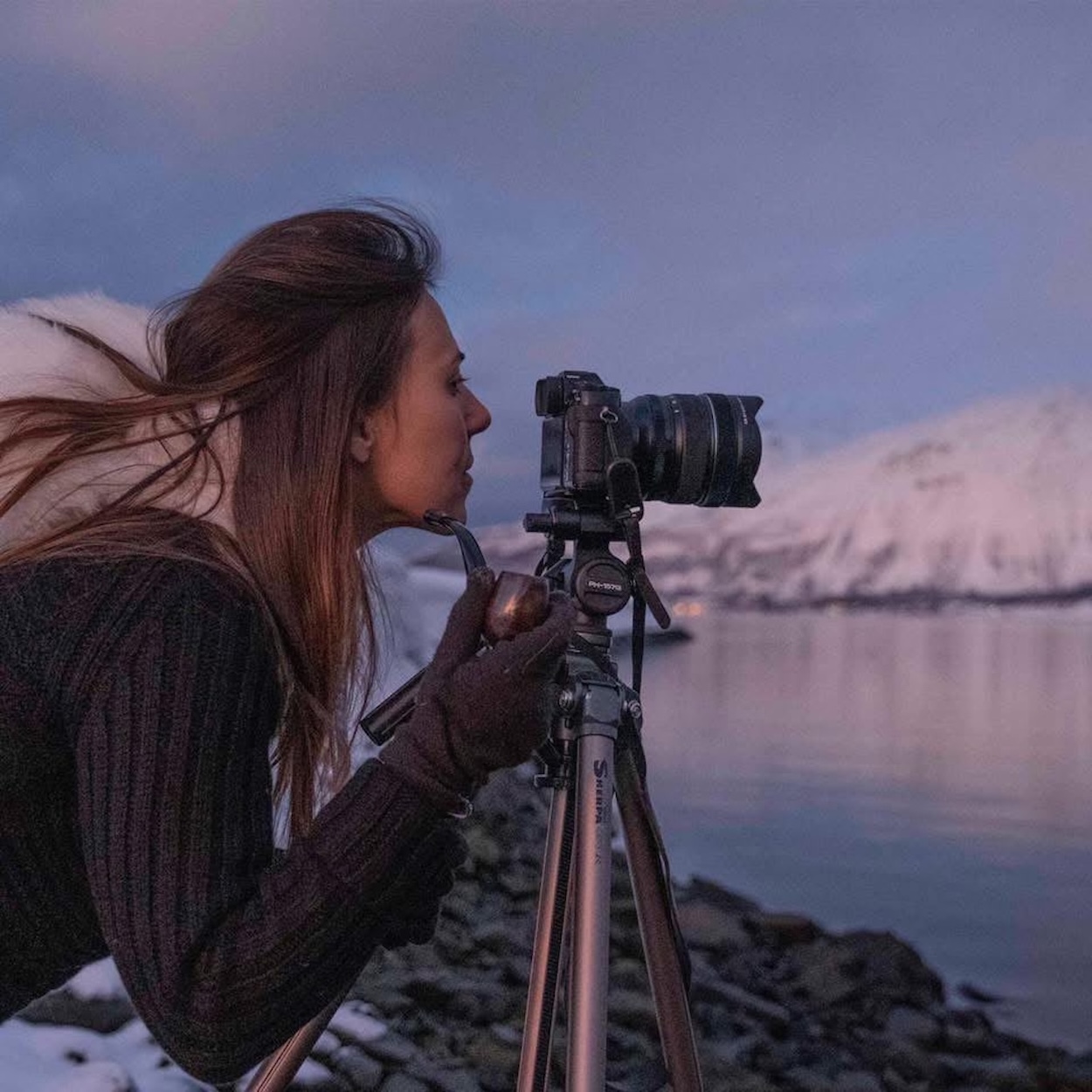
After spending time in challenging regions across Africa and the Middle East, where she documented borders and conflicts, she travelled literally to the ends of the earth to find a reality without borders.
And it is precisely in the far north, amidst the dazzling light and the white expanses of the Arctic desert, and then in the darkness of the polar nights, that the photographer and journalist Valentina Tamborra, known for her reportages woven from stories and images, found her locus amoenus – a place of tranquillity where her soul could find rest, where the only boundary that exists is the one marking the dividing line between humans and polar bears.
A journey spanning a total of nine years, undertaken in several stages, to explore the far north – from Svalbard to Lofoten and Finnmark – to tell the stories of those living on the edge of the world, such as miners, fishermen and the Sami people.
All this is recounted in *Anime Artiche*, the new book published by Marsilio, presented on Thursday 5th at the Spazio Eventi of the La Toletta bookshop in Venice, in which Tamborra has sought to capture the many intertwined stories of those living on the edge of the world, where, in places deemed remote and inhospitable, there are people willing to share their stories with generosity.
And it is precisely beyond the Arctic Circle, where nature reigns supreme rather than man, that Tamborra, in that light which ‘reshapes spaces and geometries’, has recounted how natural balances – altered by climate change – and geopolitical balances, which are becoming increasingly pressing today, influence the lives of those who have always lived in such extreme places.
Madonna della Salute: Venice renews its vow
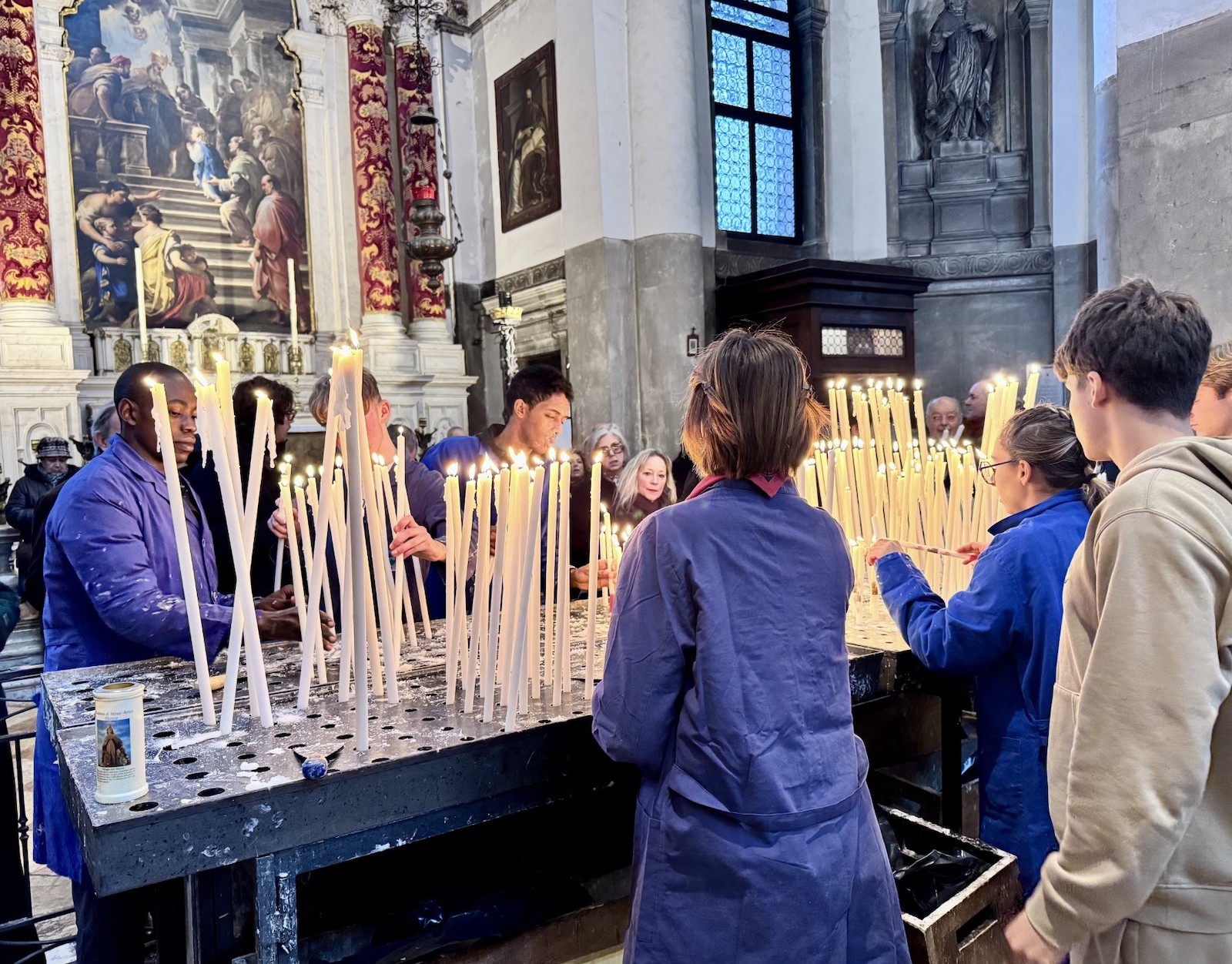
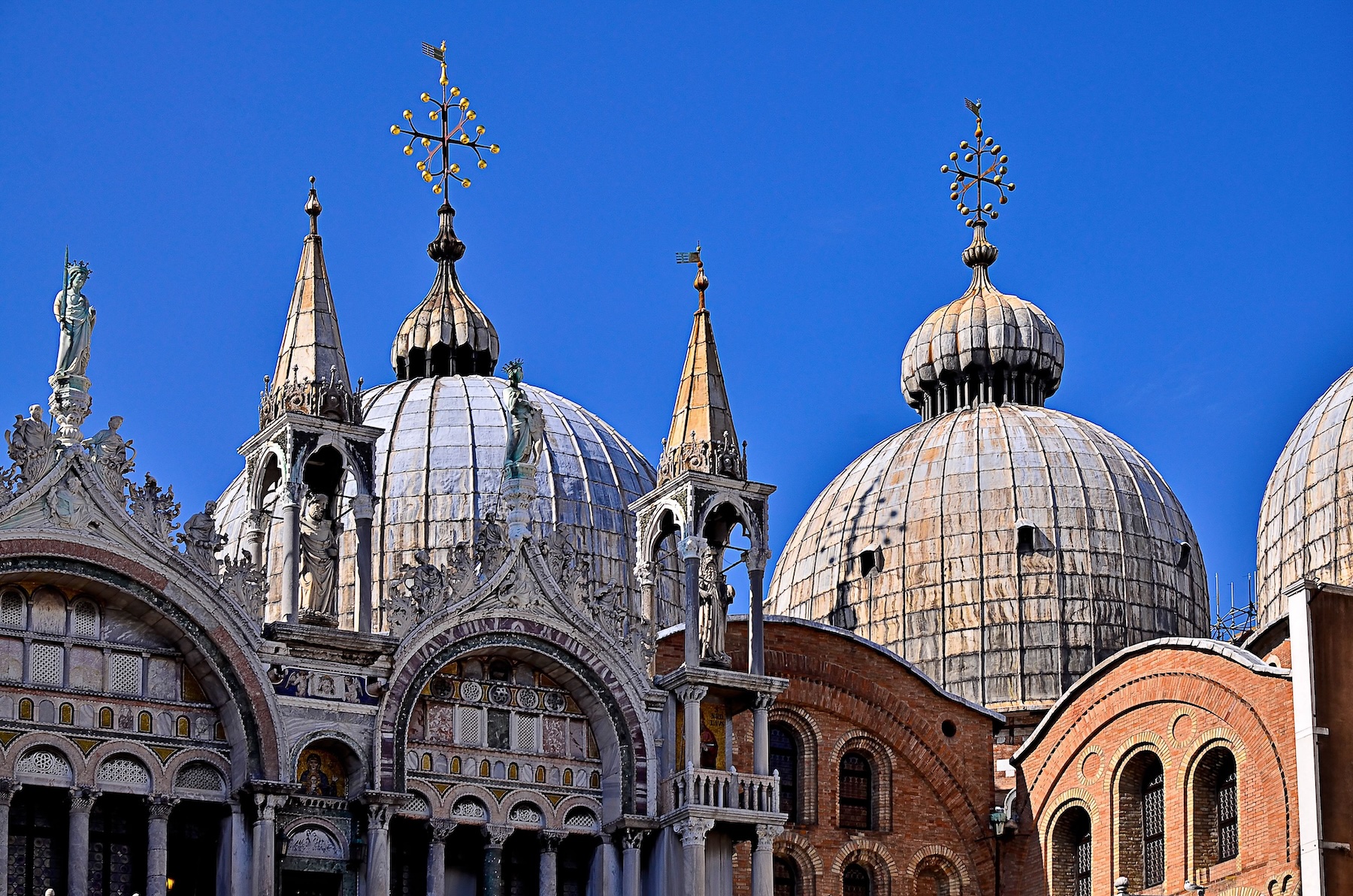
Preparations are in full swing in Venice for one of the most cherished events in its history: the Feast of the Madonna della Salute. A celebration that weaves together religious devotion, collective memory and folk traditions, transforming the city into a place of pilgrimage and communal celebration. Its origins date back to 1630, when Venice was struck by a terrible plague epidemic that claimed tens of thousands of lives. Faced with the gravity of the situation, the Doge Nicolò Contarini and Patriarch Giovanni Tiepolo invoked the Virgin’s help, organising a prayer procession and making a solemn vow: if the city were spared the plague, a church would be built in her honour. When the epidemic came to an end, the promise was kept. Thus was born the Basilica of Santa Maria della Salute, designed by the architect Baldassarre Longhena and completed in 1687. Ever since then, every 21 November, thousands of Venetians and visitors make their way to the Salute to pay homage to the Virgin Mary. For the occasion, the traditional votive bridge is erected – a temporary structure spanning the Grand Canal and connecting the area of Santa Maria del Giglio to the basilica. It is a symbolic and evocative crossing, traversed by the faithful carrying a candle to be lit in the church as a sign of thanksgiving, prayer and a plea for protection for themselves and their loved ones. Throughout the day, numerous Masses are celebrated and the basilica remains the spiritual heart of the festival. Outside, however, the atmosphere becomes more lively and festive, with stalls selling sweets and balloons for the little ones. The culinary tradition is also well represented: Venetian tables are graced with castradina, a soup made with smoked and salted mutton, savoy cabbage and vegetables, linked to the memory of the ancient supplies that came from Dalmatia during the plague. The Feast of the Salute is therefore much more than a religious celebration: it is the story of a city which, for almost four centuries, has been renewing a promise and preserving its identity.
The Patriarch: ‘The Church owns property, but it does not live off its property’
“The Church’s Assets: Responsibility, Stewardship and Ecclesial Purpose” is the title of the Second Annual Meeting of parish priests and parish finance committees, held on Saturday 7 November at the Urbani Centre in Zelarino. “Assets are entrusted to the Church for a mission and must therefore always remain at the service of the Church’s mission. We are not, in a personal sense, the owners of what we administer. We are called to safeguard, administer and pass on a heritage that predates us and which must continue to serve future generations,” stated Patriarch Francesco Moraglia in the text, which we reproduce here in full.
Breast cancer: ULSS3 launches sports and rehabilitation programmes at eight gyms
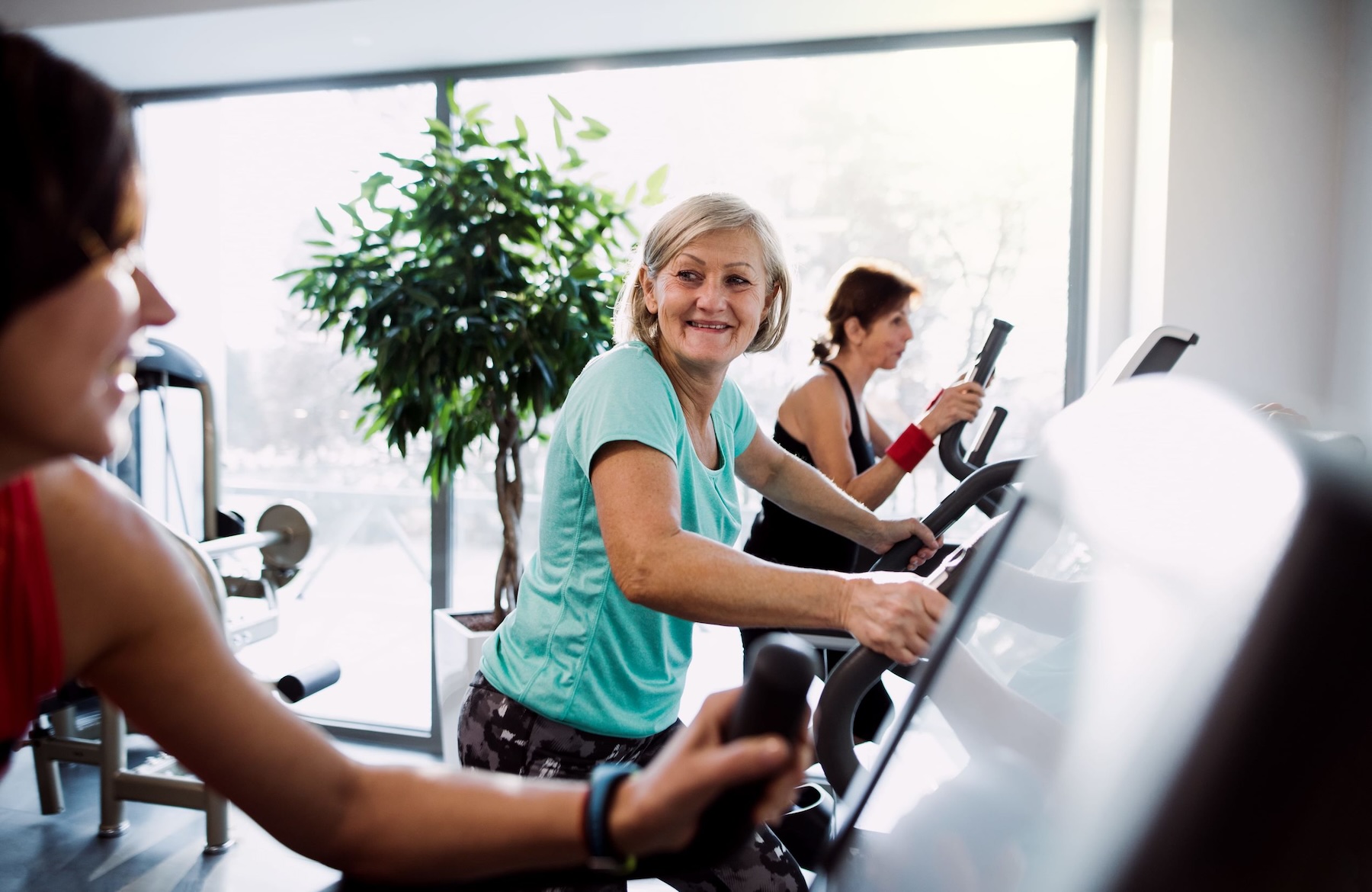
Eight health centres to help women undergoing post-surgical cancer treatment following a diagnosis of breast cancer to combat the disease and prevent recurrence. This is an initiative by ULSS 3 Serenissima, which has launched a programme prescribing physical exercise specifically designed for people with cancer.
Life expectancy is increasing; the challenge is health
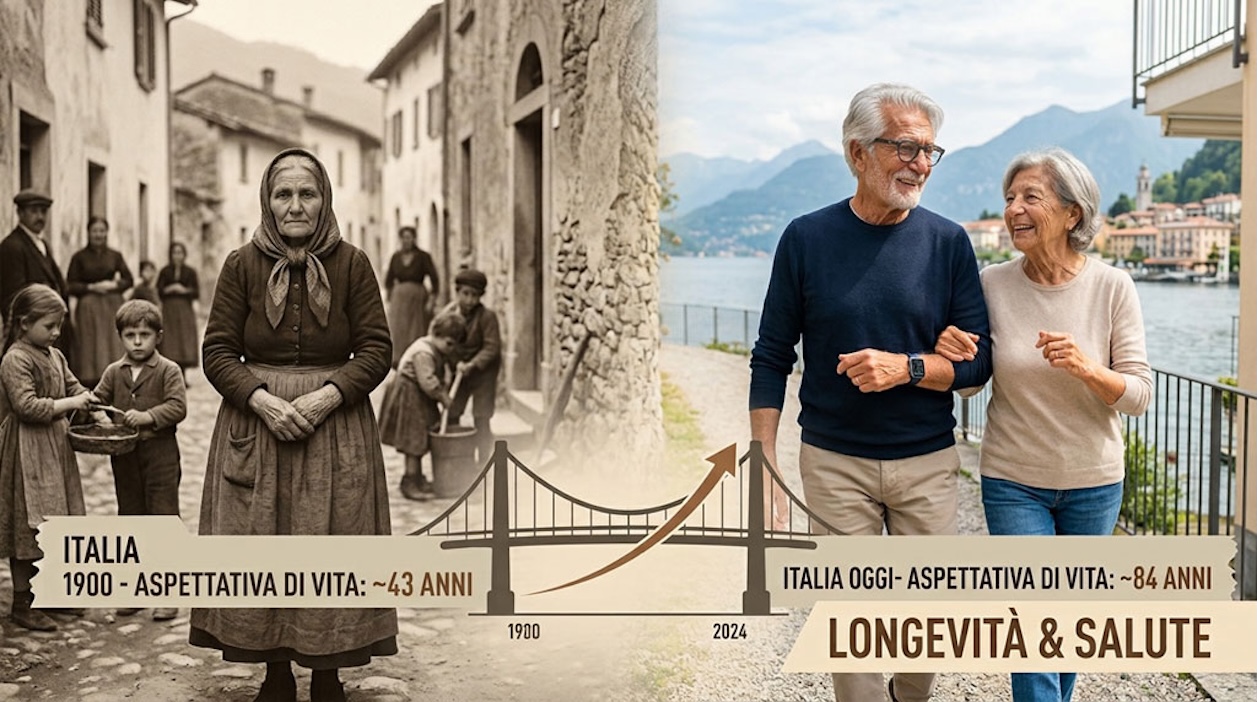
Many will recall an ex libris – a sort of label – featured in school textbooks published by Editrice Loescher, a publisher that has been producing school books for over a century, which depicted an old man drinking from an hourglass. Beneath the image was the inscription: ‘It is lovely to live on after death’. The phrase appears to derive from a 13th–14th-century motto and seems to have been very popular amongst the people. However, the true meaning of this expression is unknown, as there may be many interpretations. Certainly, this saying embodies the innate human desire to live as long as possible, warding off the spectre of death and, consequently, continuing to enjoy the finer things in life.
It is indisputable: life has become much longer than in ancient times, and its duration has been the subject of numerous treatises written by illustrious philosophers such as Aristotle and Seneca, not to mention the wise contributions of the Greek physician Hippocrates, the father of medicine, who recommended healthy lifestyles in order to live longer.
Venice takes to the stage to tell its own story
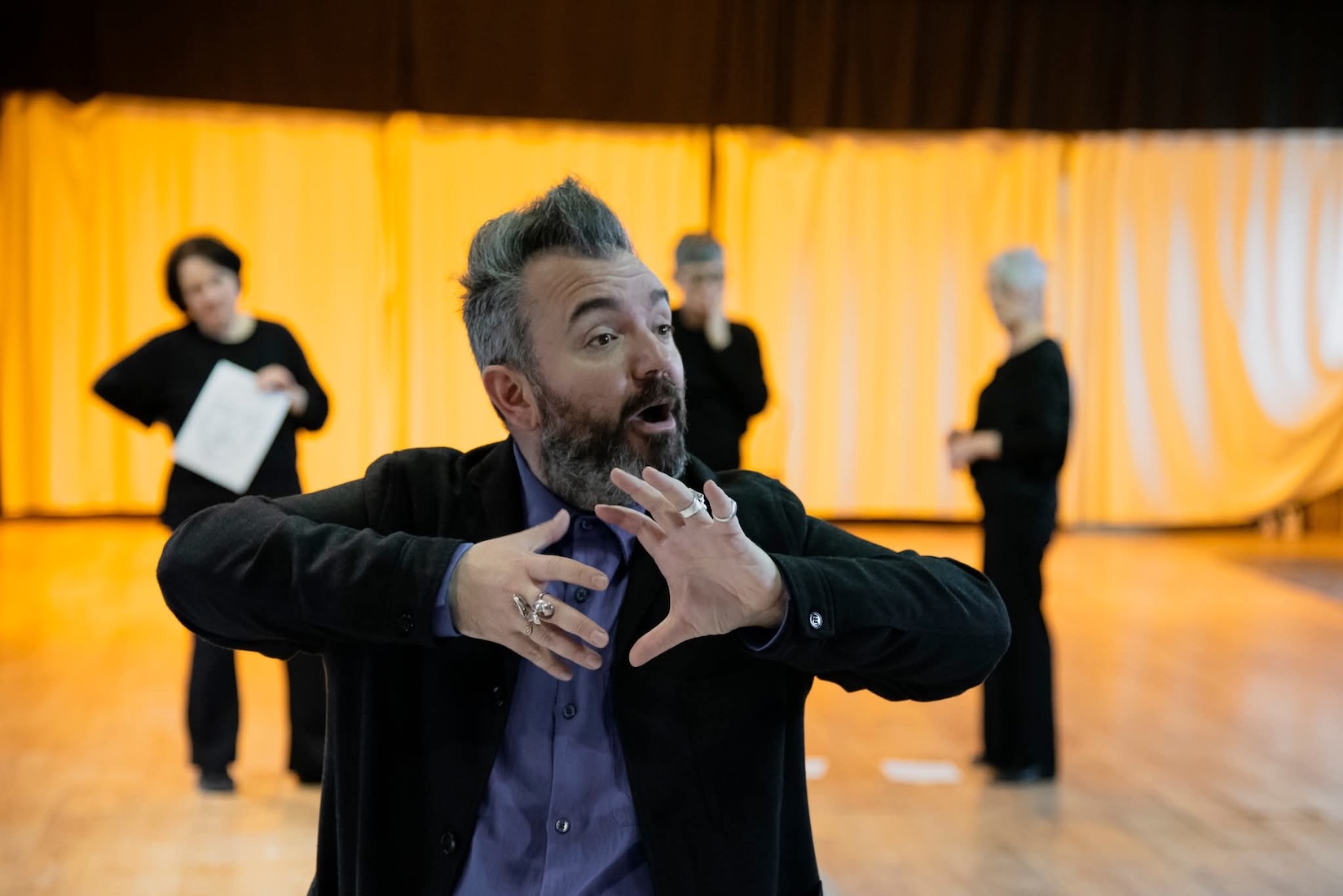
The new season of Teatro di Cittadinanza has got off to a flying start. This community theatre project was launched in Venice after many years of hard work, thanks to the Venetian Mattia Berto, aged 44, who now has many new projects and performances to organise across the city: “Teatro di Cittadinanza has been active for almost twenty years now; it’s a project deeply rooted in the Venetian community,” explains its founder. A format that has also become a registered trademark in recent years and which, after launching its Manifesto in St Mark’s Square, is now touring throughout Italy.
We’ve just returned from Sardinia, where we ran two workshops that culminated in two performances; we also carried out a project on bullying in a Year 7 class in Treviso with around 80 pupils, says an enthusiastic Mattia Berto, who, as part of the ‘Lei’ project with Ca’ Foscari University,, has also created ‘Magnolia’: a three-day workshop alongside Selene Gandini and the designer Roberto Piffer. A group of 10 young female students from various backgrounds and an equal number of adult women from the Teatro di Cittadinanza – symbolically representing mothers and daughters – drew on their own lived experiences to reflect on the passing of the torch from one generation to the next, transforming this into a performance at the Auditorium Santa Margherita that drew a large audience. “This is very important to me,” says Berto. “The Teatro di Cittadinanza is like a collective where people with different stories make their own contributions; the important thing is that we listen to one another.”
Rachele and that calling she felt at the World Youth Day in Lisbon
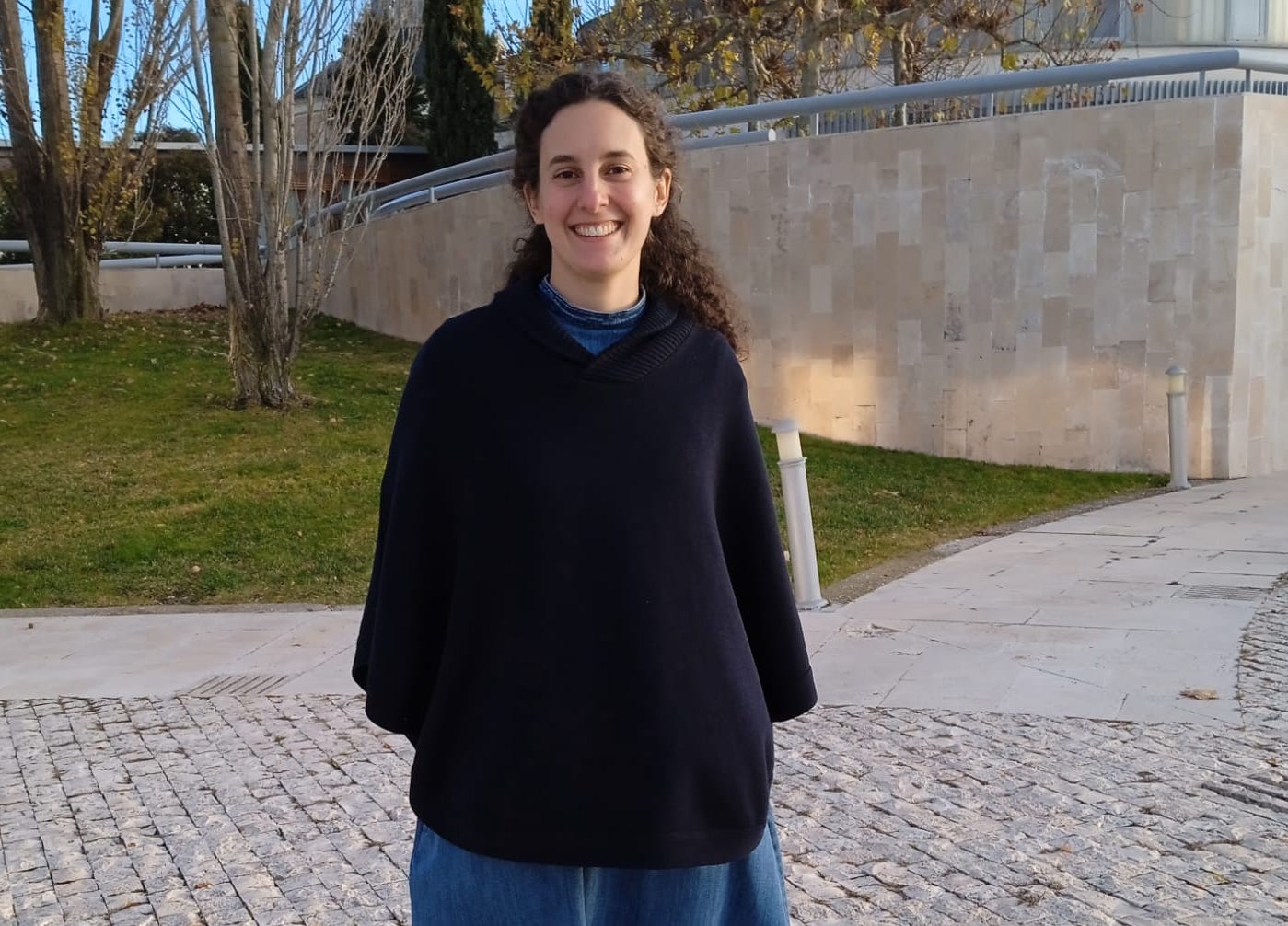
She turned thirty-two on 11 November, had a degree in Materials Science from Padua, had spent four years teaching maths at secondary school, owned a car to get about freely, and was planning to buy a home of her own. Rachele Ceroni’s life was that of a ‘perfectly normal’ young woman, centred on the mountains, friends and family. Yet within that everyday life lay a profound spiritual quest, which on Saturday 14 November takes an important step forward: the start of her novitiate with the Sisters of ‘Iesu Communio’ in Spain. Raised in Mestre, in the parish of St John the Evangelist, Rachele comes from a large family: her father Francesco, her mother Paola and six children (three of whom are married), including a twin sister and a younger sister. A family deeply rooted in the faith and in the Neocatechumenal Way, where she too developed her own spiritual journey. On the surface, her future seemed mapped out, but one question about what lay ahead remained unanswered: ‘She was a girl who loved everything about life,’ says her mother, ‘but every now and then she seemed a little restless, perhaps precisely because she felt she hadn’t yet found her path.’ The turning point came during a pilgrimage to World Youth Day in Lisbon in 2023. Whilst stopping off at a convent in Valencia, her encounter with the nuns of ‘Iesu Communio’ sparked an unexpected desire within her: “She felt something special, a deep longing for this calling, which she herself found difficult to explain to us.”

