

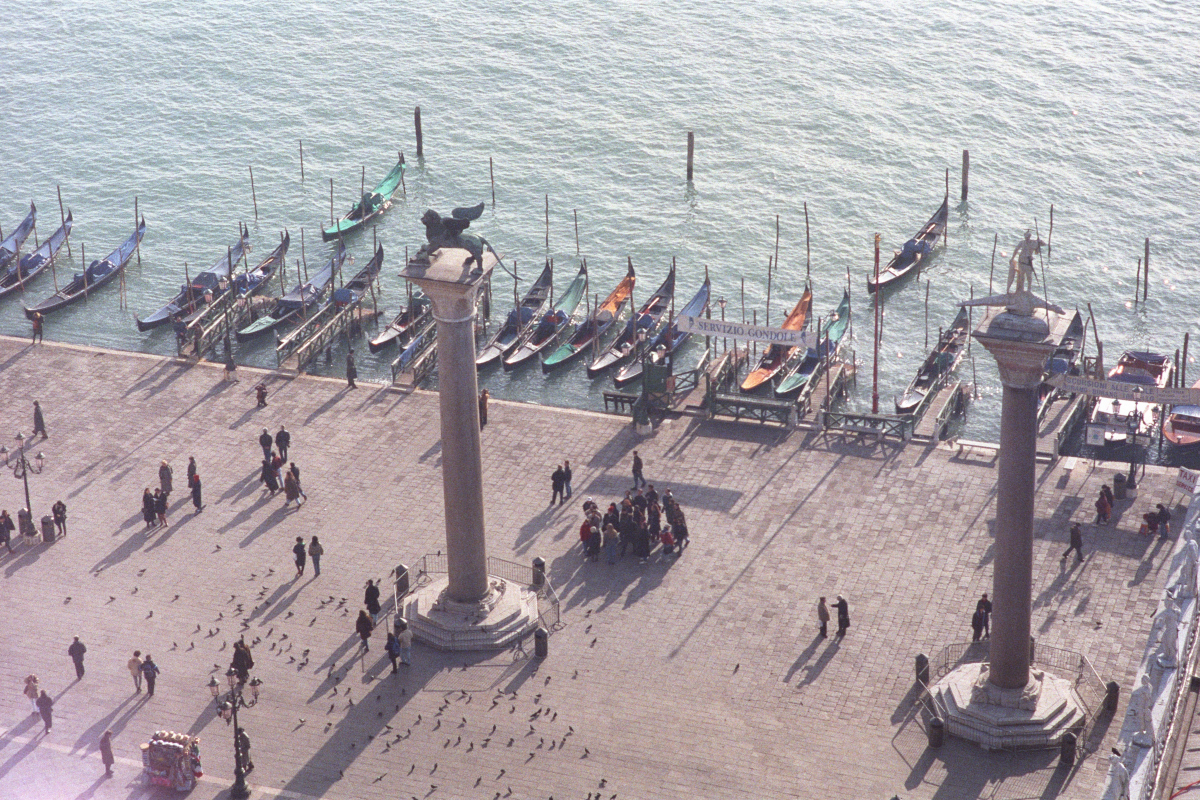
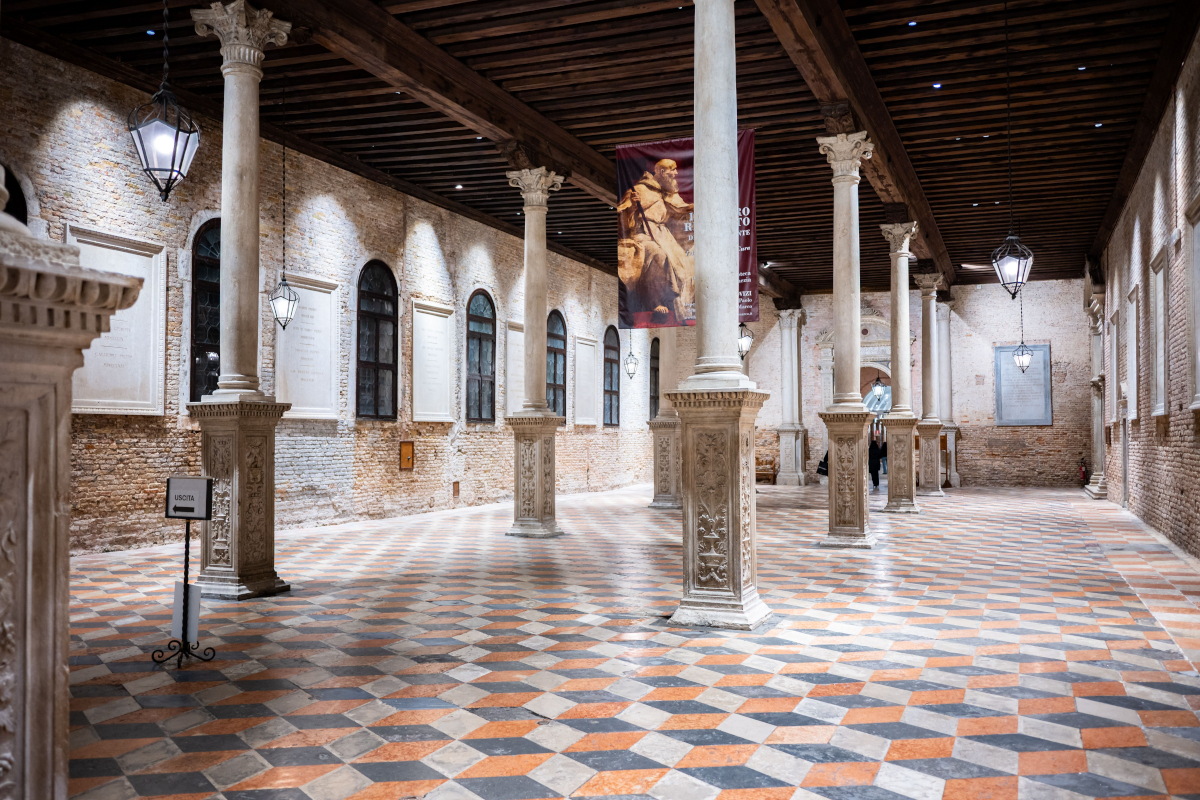
The paradox lies precisely in being a global reference point for art and culture while failing to continue fostering its production, relying primarily on what has been inherited from the past.“One exhibition model dominates,” the expert explained . “There is certainly no shortage of prestigious venues for exhibitions—so much so that numerous private foundations have emerged seeking to associate themselves with the ‘Venice brand’— but there is no large-scale production.” This sector could create many job opportunities to attract talent that could become new residents; a striking example is the film festival.
“Is it possible that at every Biennale, makeup artists come from outside the city and the region? ” Casarin asked. “Well , if we were to train professionals to work right here in the lagoon, bringing film productions to be shot on location, there would be new opportunities.” There wouldn’t even be an issue with finding large spaces to build studios, given that Marghera has plenty of abandoned industrial buildings that would lend themselves well to conversion. Similar initiatives, such as those in London—where film villages have been created, complete with surrounding activities and services—have also generated new and innovative forms of tourism.
Rethinking the cultural offering also means, in a way, reexamining the city’s geography, moving away from the compartmentalized view that characterized the early 20th-century model—which was effective for its time. The context has changed, and with it the urban fabric and its residents, as well as “city users”—that is, those who visit for various reasons—whose numbers today are 10 times the 50,000 daily residents. However, we must engage in a profound reflection on what Venice could become in order to chart clear and effective paths forward.
“Those who work as cultural managers are often too focused on their own work to broaden their horizons to the wider context,” the executive reflected. “In my case, thanks to the opportunity provided by some seminars I conducted for Ca’ Foscari University, I found the motivation and set myself the goal of looking abroad for comparison, especially by studying those major cities that today account for a large part of the world’s culture. Cultural tourism accounts for 80% of the total, and Venice alone employs 6% of its workforce in the sector; there is therefore ample room for growth, going beyond the mere preservation of our cultural heritage.”
“The public sector plays its part—just consider that the City of Venice alone manages theaters, such as the Toniolo, movie theaters, and exhibition centers, as well as the Biennale Foundation in collaboration with the Ministry of Culture, an organization that generates 80 million euros in economic impact annually,” Casarin explained — but its approach to accessibility and outreach isn’t profit-driven like the private sector, which in recent years has invested heavily in contemporary art to attract even younger audiences.” Of course, everyone does their job, but what if these two approaches were to work hand in hand toward more ambitious goals?
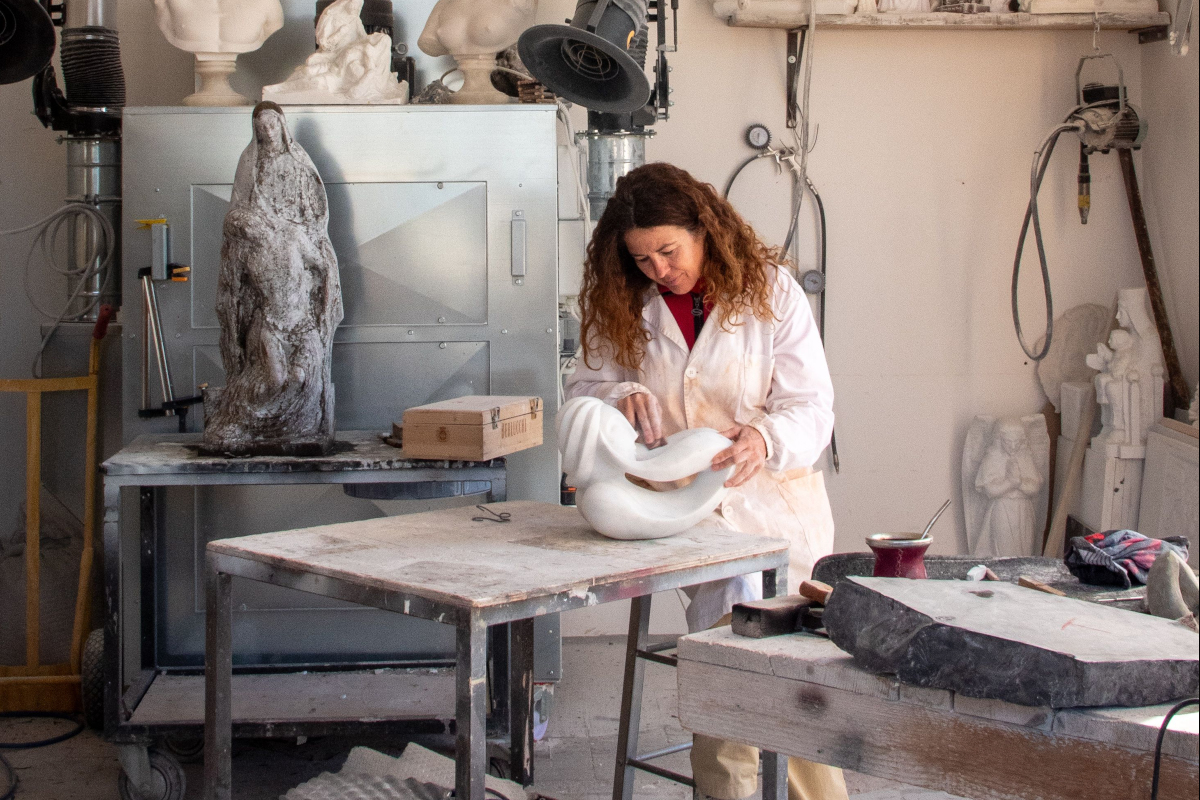
“This challenge would be well-suited to creating production chains, sincewe already have the people in Venice—or we can train them,” —the manager concluded—today, those who enroll in the Academy of Fine Arts don’t dream of becoming artists, but graduate as professionals with marketable skills, combining creativity and technology, with a sensibility that is also very useful for businesses looking to bridge art and science.” So, with innovative talent, the right spaces, and the right partners to engage with—while also leveraging theinnovative solutions offered by artificial intelligence—great things could be achieved in Venice as well.