

Superficial or Deep Vein Thrombosis: Is There a Big Difference?

How to Distinguish Between Different Types of Thrombosis and What Risks They Pose

One of the hottest summers in history is thankfully over, and the autumn rains are already on the horizon. There were some very hot days during which we saw many patients with venous thrombosis and pulmonary embolisms. I may be wrong, but one factor that likely played a role—and should not be overlooked—is dehydration: many people didn’t drink enough given the high temperatures they were exposed to. Hence my advice for next year: please make sure to stay properly hydrated—for many reasons, but also to prevent thrombosis.

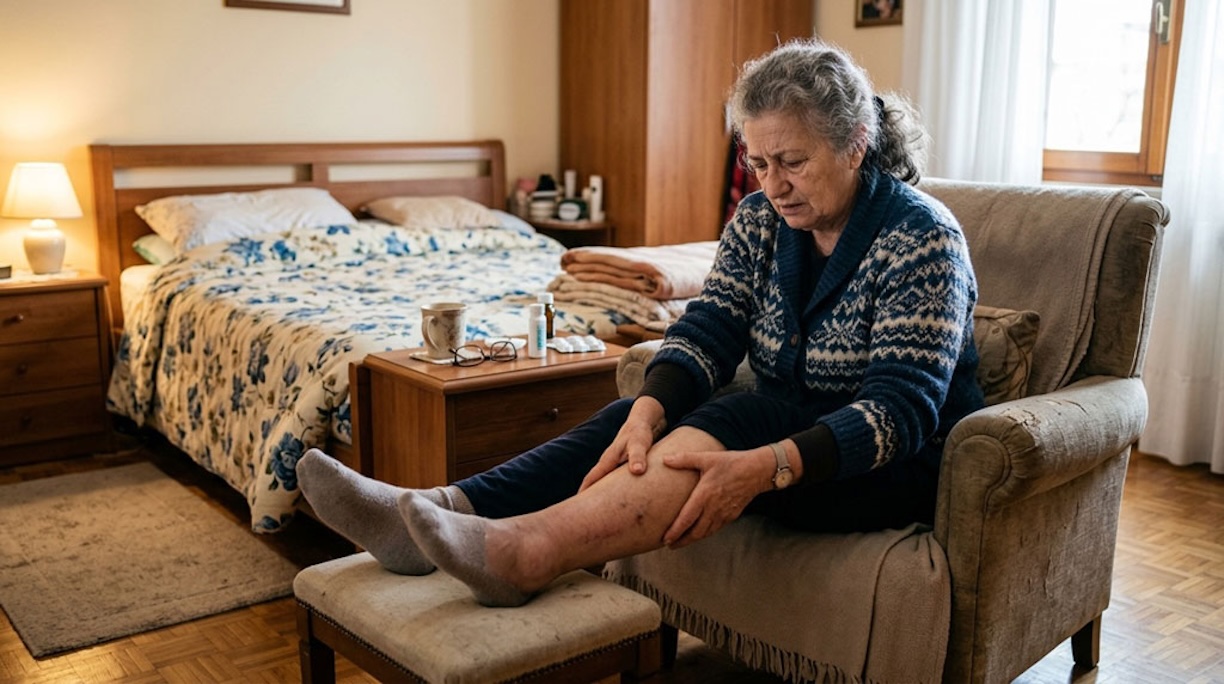
Speaking of thrombosis, when I talk to patients who have varicose veins, they often tell me that they themselves or their family members—mother, father, grandparents—have had a venous thrombosis. Then, by asking a series of specific questions, I’m able to determine that the thromboses occurred in varicose veins and were superficial.

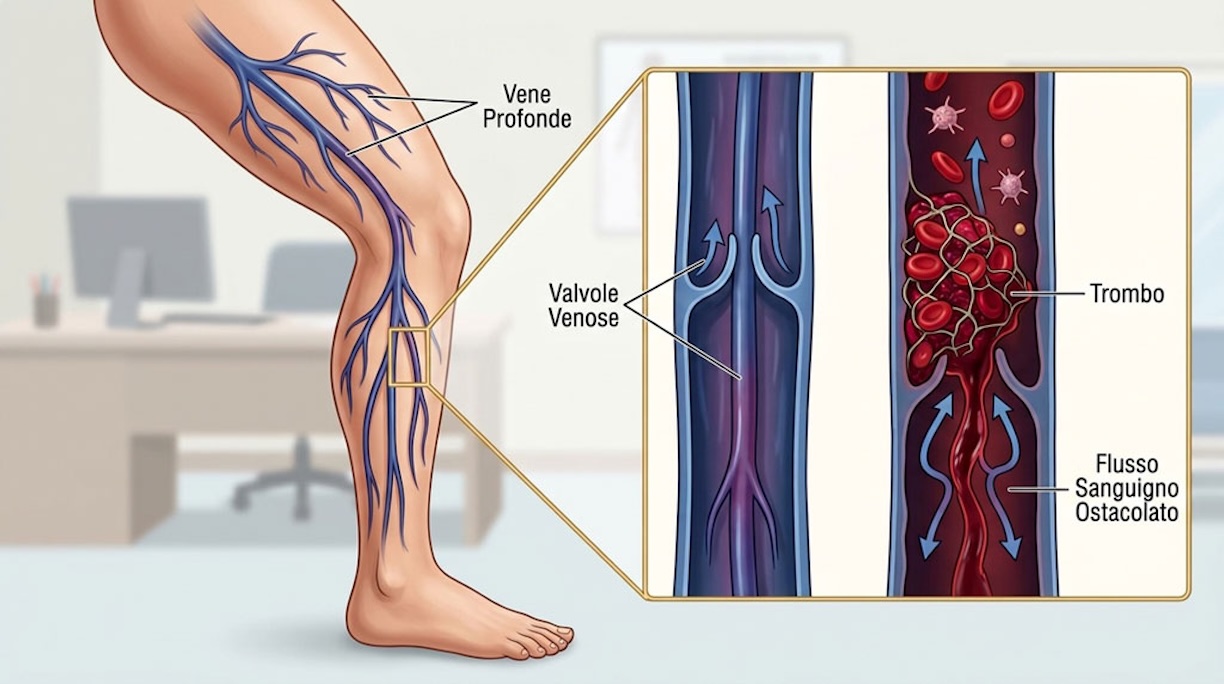
Is this important? Yes, very much so. A patient who already has varicose veins has an increased risk of deep vein thrombosis or pulmonary embolism, but this risk is still very low, although it is higher than in people who do not have varicose veins. The risk of developing thromboembolism increases if we have superficial thrombosis in varicose veins, but we are still a long way from the rates seen in cases of deep vein thrombosis.

When discussing deep vein thrombosis, we must distinguish the underlying cause. If, for example, we have had a pulmonary thrombosis or embolism following a major event, such as orthopedic surgery, the likelihood of a recurrence is low. Patients, on the other hand, who have developed a thrombosis without an apparent cause have a much higher risk of experiencing another one.

Symptoms You Shouldn't Underestimate

People with a family history of deep vein thrombosis—that is, those with close relatives who have had the same condition—are also more likely to develop thrombosis. The same does not apply, or at least not with the same probability, to patients with a family history of varicose vein thrombosis alone.

At this point, it would be a good idea to have some basic knowledge to determine whether our old varicose vein has developed into thrombophlebitis. Here are the symptoms to look for: first, the skin in the affected area turns red—this is actually a sign of inflammation. Another symptom: the varicose vein becomes hard, whereas before it had an elastic texture, and eventually it usually becomes very painful. In this case, we should see a doctor, who will determine the type of treatment needed, whether we also need to consult a specialist, and whether a color Doppler ultrasound is necessary.

In short, when it comes to thrombosis, there are significant differences: it’s important to distinguish whether we’ve had thrombosis in varicose veins—which are not deep vein thromboses but superficial ones—and this also applies to our close relatives. But be careful: acquired conditions don’t count!


Author:

Iscriviti a GREEN&SALUS e non perderti nessun aggiornamento, ti invieremo 1 volta a settimana i nuovi articoli!