

In numbers: if 100 relapses occur among unvaccinated people undergoing immunotherapy, approximately 50-55 of those vaccinated and similarly undergoing immunotherapy are observed. And the benefit is even more evident in preventing the appearance of metastases in distant organs (such as lungs, liver, or brain): the addition of the vaccine has shown a reduction in the risk of distant metastases of approximately 59-62%. This means that more than 6 out of 10 serious metastases that would have formed even years later are blocked by the immune response activated by the personalized vaccine.
Paolo Morandi, former head of Oncology at the Angelo Hospital in Mestre and at the Civil Hospital in Venice of the ULSS 3 Serenissima, invites us to look at the logic behind this new strategy. «The concept of the vaccine is that everyone is different in terms of disease and the characteristics of their immune system.» For this reason, therapy is not prepared in the same way for everyone, but seeks to build a specific target for each patient.
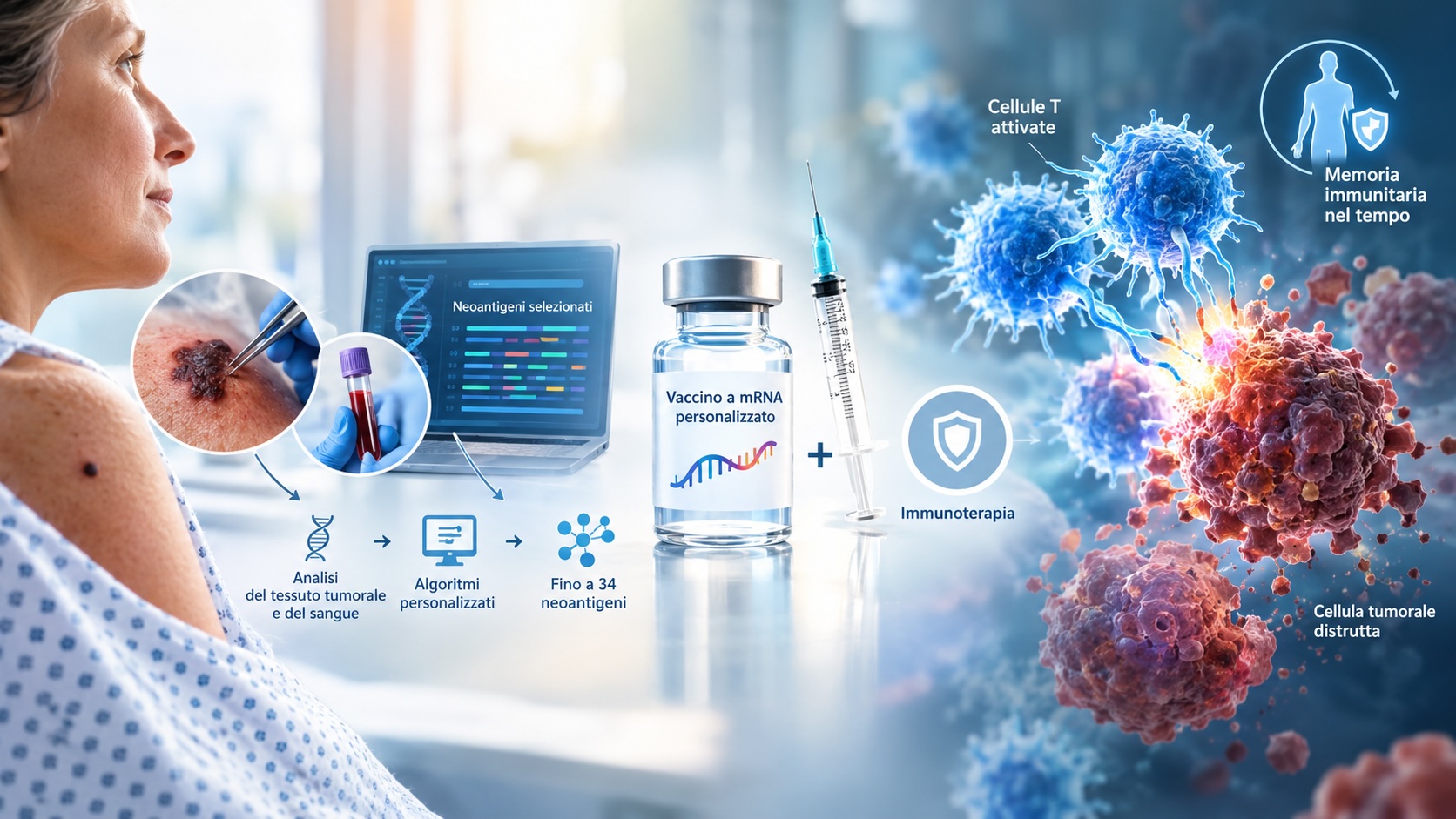
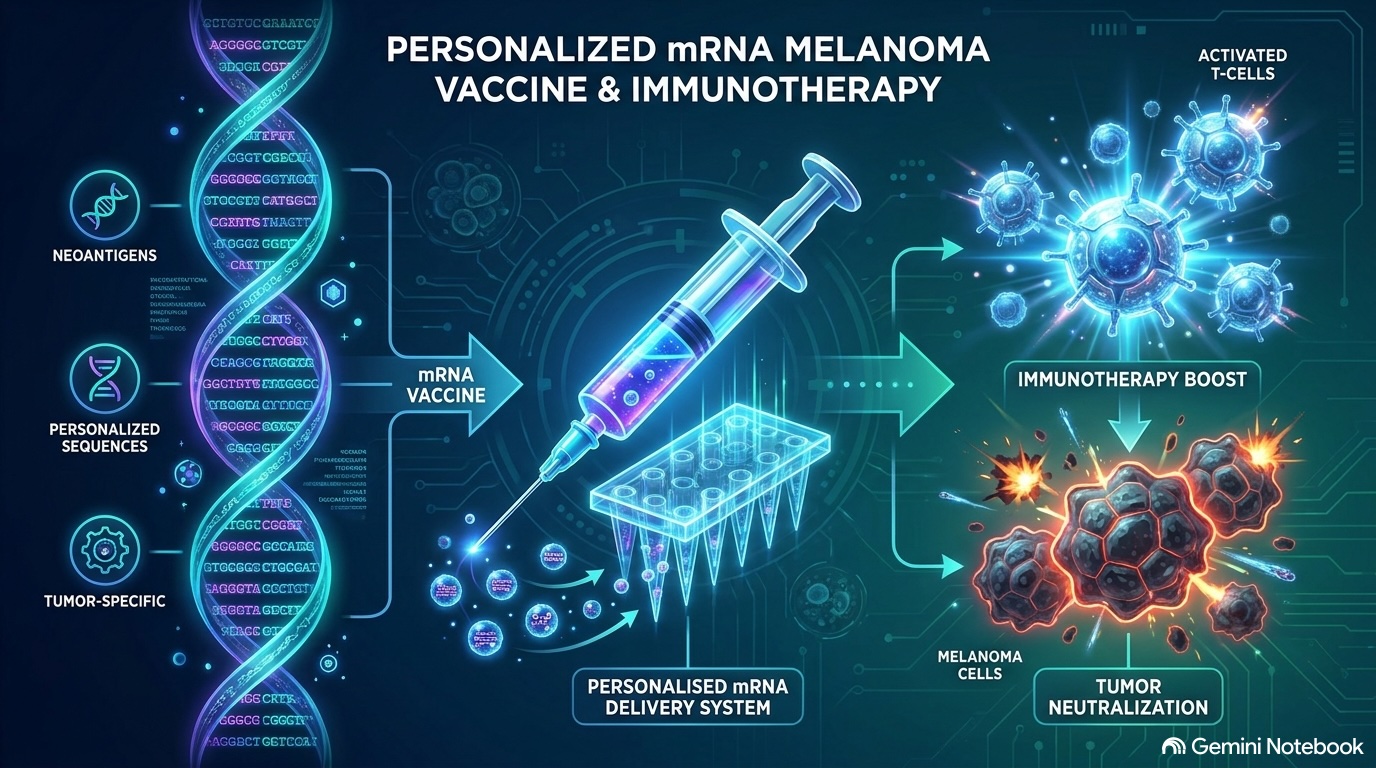
The process starts from two pieces of information: a blood sample and a tumor tissue sample. The latter is analyzed to identify the mutations characteristic of the neoplasm. The algorithms then select up to 34 neoantigens, that is, molecular characteristics specific to that tumor, which can be used to stimulate an immune response.
Simply put, it's as if the immune system is being shown a much more precise identikit of the enemy. The more information the body's defenses are provided – Morandi emphasizes - the greater the precision with which they recognize the cells to be targeted.
In fact, mRNA contains the instructions necessary to produce the proteins corresponding to the selected antigens. This information is used by the cells presenting the antigen and then shown to the immune system. There's nothing mysterious about the underlying mechanism, Morandi emphasizes; what's new is the ability to choose in a highly personalized way which tumor characteristics to present to the body's defenses.
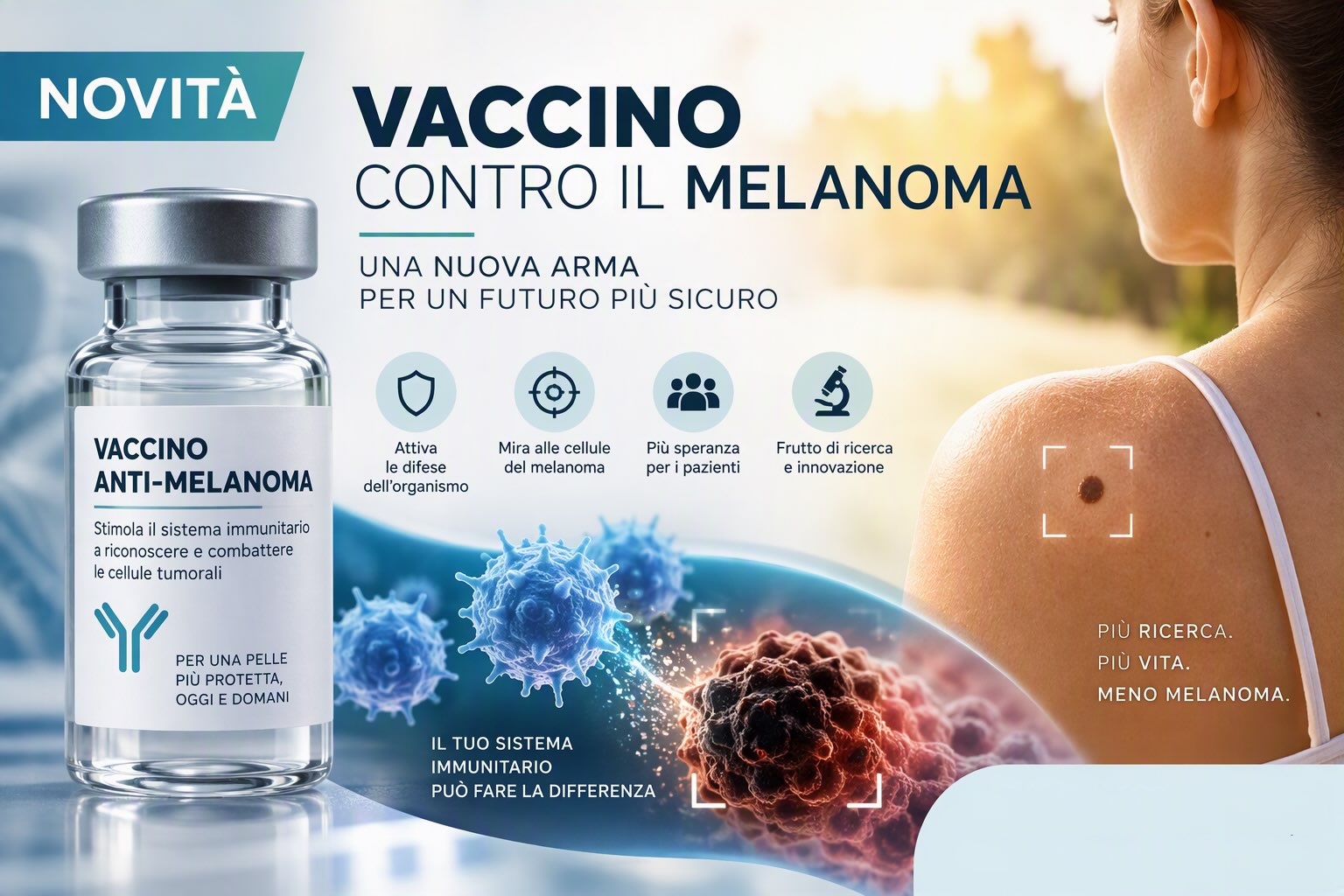
The vaccine is also combined with immunotherapy. The idea is to combine two actions: on the one hand, to make the target more precise, on the other, to remove some of the brakes that prevent the immune system from acting effectively. In the case of the study, the comparison was rigorous: patients were given either vaccine or placebo along with the same immunotherapy, in a double-blind study.
The results, according to Morandi, are relevant because they do not only show a temporary postponement of the recurrence. The survival curves of the two groups remain separated over time and the available data reach approximately five years.
The explanation also comes from observing the immune system. In patients treated with the vaccine, the oncologist adds, an expansion of T cells is observed, that is, those immune cells that can recognize the new antigens identified in the tumor. And the data doesn't seem to be limited to the first few weeks: clonal expansion remains observable over time.
This, according to Morandi, is one of the most interesting aspects of the strategy: the therapy may end, but the immune system seems to maintain a sort of memory of the target. «This way you can recondition the system longer than the duration of the treatment, which means you can “reclamation” the system, regenerate it, stabilize it and there is no need to intervene further».
The data concern patients with high-risk melanoma, particularly stage 3 situations, and patients who have had metastatic disease undergoing treatment. The goal of research, however, is to better understand when to include the vaccine in the disease pathway.
Melanoma currently represents one of the ideal models for testing this strategy, because it is a tumor particularly sensitive to the action of the immune system. «Melanoma itself is a tumor that we can define as “hot” from an immunological point of view», explains Morandi. The real challenge will therefore be to understand whether the same principle will also work in tumors in which immune defenses are less easily activated.
Studies are already underway in other malignancies, including lung, kidney, bladder, and pancreatic cancer. «It will be interesting to try to understand whether the pancreas or lung or other organs give signals of effectiveness of the therapy that are not, I say, overlapping, because that would be too nice, but still consistent with this model.»
This is where research could bring about a more general change in the way we think about cancer care: no longer simply choosing a therapy based on the affected organ, but progressively adapting it to the biological characteristics of that specific person's tumor. The vaccine, Morandi observes, represents «a turning point» precisely because it adds a further level of individualization, simultaneously refining precision and efficacy.
Of course, however, enthusiasm and prudence must proceed together. A therapy built on a patient-by-patient basis poses production, time, and cost challenges. Preparation of the individualised dose currently takes 6 weeks, major financial commitment (the estimated costs of producing a single batch ad personam are now between $100,000 and $200,000 per patient, not counting the cost of the matched immunotherapy) and the challenge will be to make the process sustainable when it has to leave the narrow scope of clinical trials.
The steps still to be taken. A closed note, however, must be made. Indeed, it should be remembered that quantitative safety and efficacy data have not yet been disclosed, nor have they yet been validated by the medical-scientific community with expertise in the field, nor have they yet been approved by the appropriate regulatory agencies. Furthermore, the actual possibility of implementing the production of customized mRNA vaccines on a large scale remains to be explored, due to time and cost constraints.
Only then will it be possible to fully assess the extent of this potential breakthrough in the fight against cancer.