

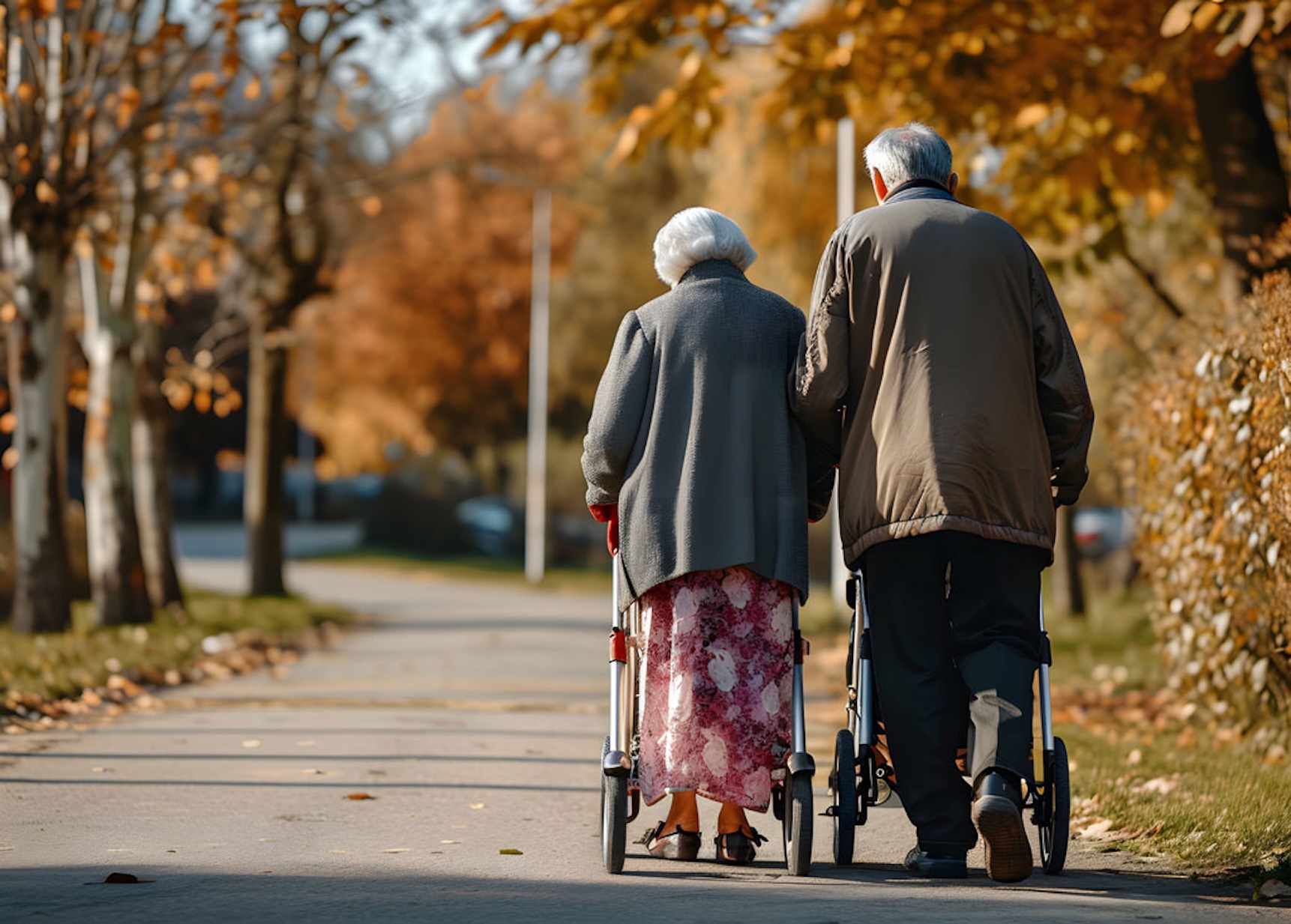
A growing proportion of the population will therefore consist of pensioners, who may require care. Furthermore, an ageing population can affect the labour market, economic growth and the demand for goods and services, making it necessary to rethink economic and social policies. Who will look after this growing tide of elderly people?
Our community will only be able to sustain the care and support needs of such a vast number of people if everyone who is about to join the ranks of the elderly takes care of themselves. From today onwards, ‘middle-aged’ men and women must devote their utmost attention and commitment to looking after their health, particularly when it comes to preventing chronic diseases. This, in turn, means making the right choices now and putting healthy lifestyles into practice.
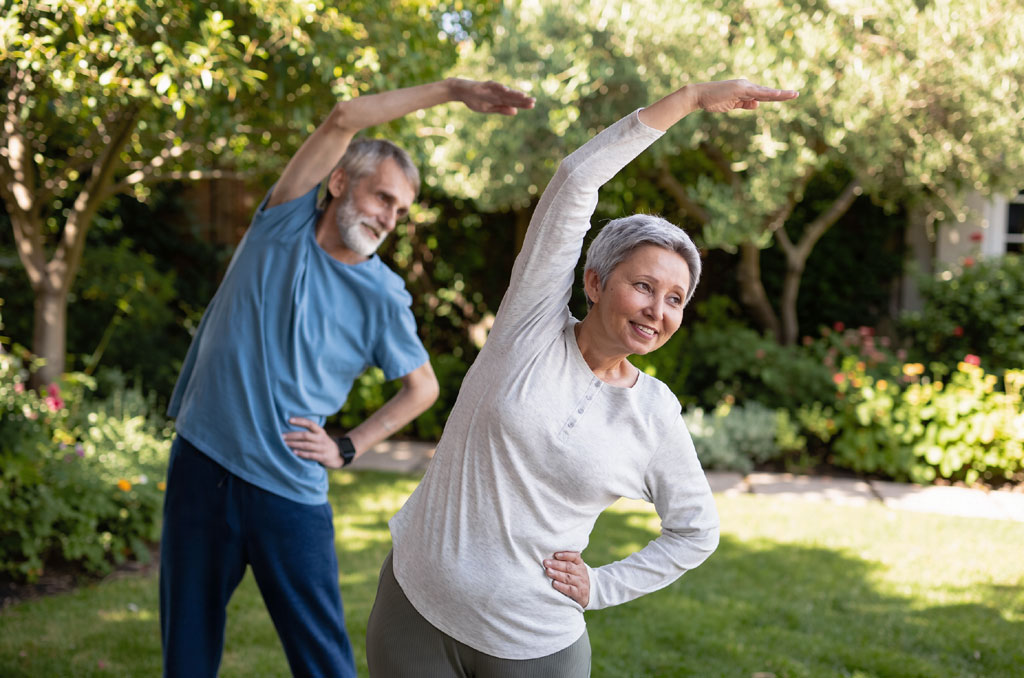
We all know that eating – and drinking – in a certain way is just as important for our health as doing daily aerobic exercise – a brisk walk of at least 40 minutes a day is enough – and as important as giving up smoking. Dedicating two sessions a week to gentle exercise, such as Pilates and similar activities, makes a real contribution to the wellbeing of our bones. Furthermore, taking advantage of the screening programmes that, fortunately, our health authorities offer free of charge – for early diagnosis and thus a course of treatment that is almost certain to lead to a full recovery – will genuinely help us avoid developing breast, cervical and colorectal cancer.
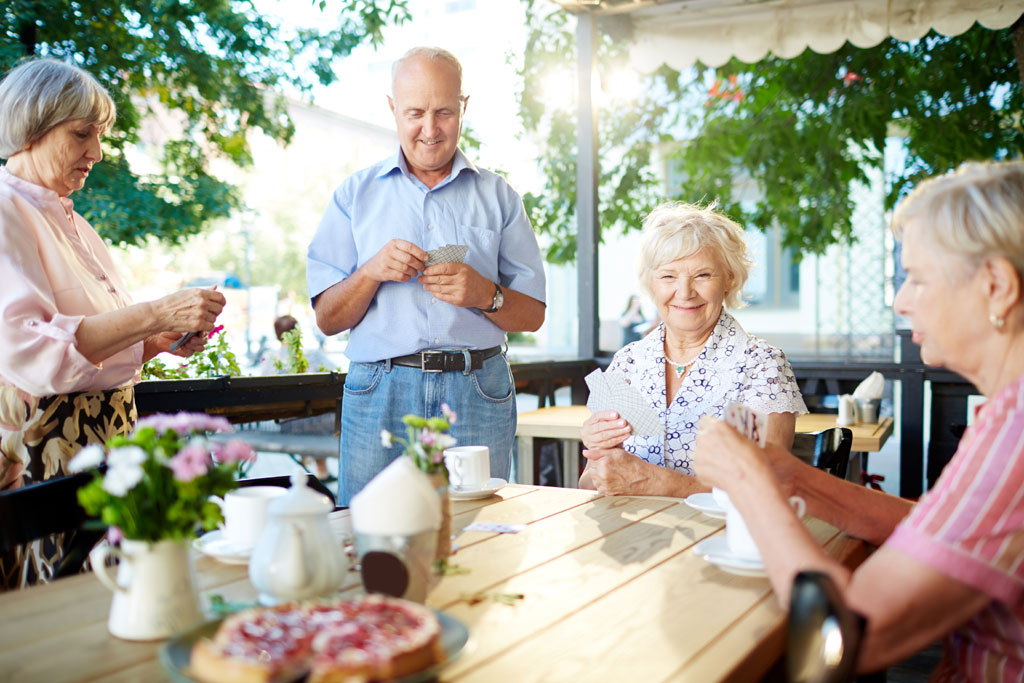
Exercising our minds – first and foremost through social and family relationships – and channelling our intellectual energies into voluntary work or cultural activities helps keep our brains young, preventing us from becoming part of that 20 per cent of the population aged over 85 – 1 in 5 people! – who currently suffer from dementia.
Even if we do not wish to do all this by choice, we must do so at least for purely economic reasons: as the ageing population is accompanied by a rise in chronic diseases (cardiovascular conditions, diabetes, Alzheimer’s disease and other neurodegenerative conditions such as Parkinson’s disease, chronic obstructive pulmonary disease and musculoskeletal problems), as well as cancers, healthcare costs will inevitably rise – costs that no public healthcare system will be able to sustain, for a range of reasons we cannot explain here. Translation: let’s get it out of our heads that the public health service will be able to treat us all, and for free.
In conclusion, although the risk of disease increases with age, health problems are not an inevitable consequence of ageing. Whilst effective preventive measures are not known for many of these conditions, for many others they are already well established. We must therefore give serious thought to this responsibility of ours and commit ourselves every day to doing what we know we ought to do: to add life to our years – which is far more important than adding years to our lives – the only people who can help us do this are ourselves.