

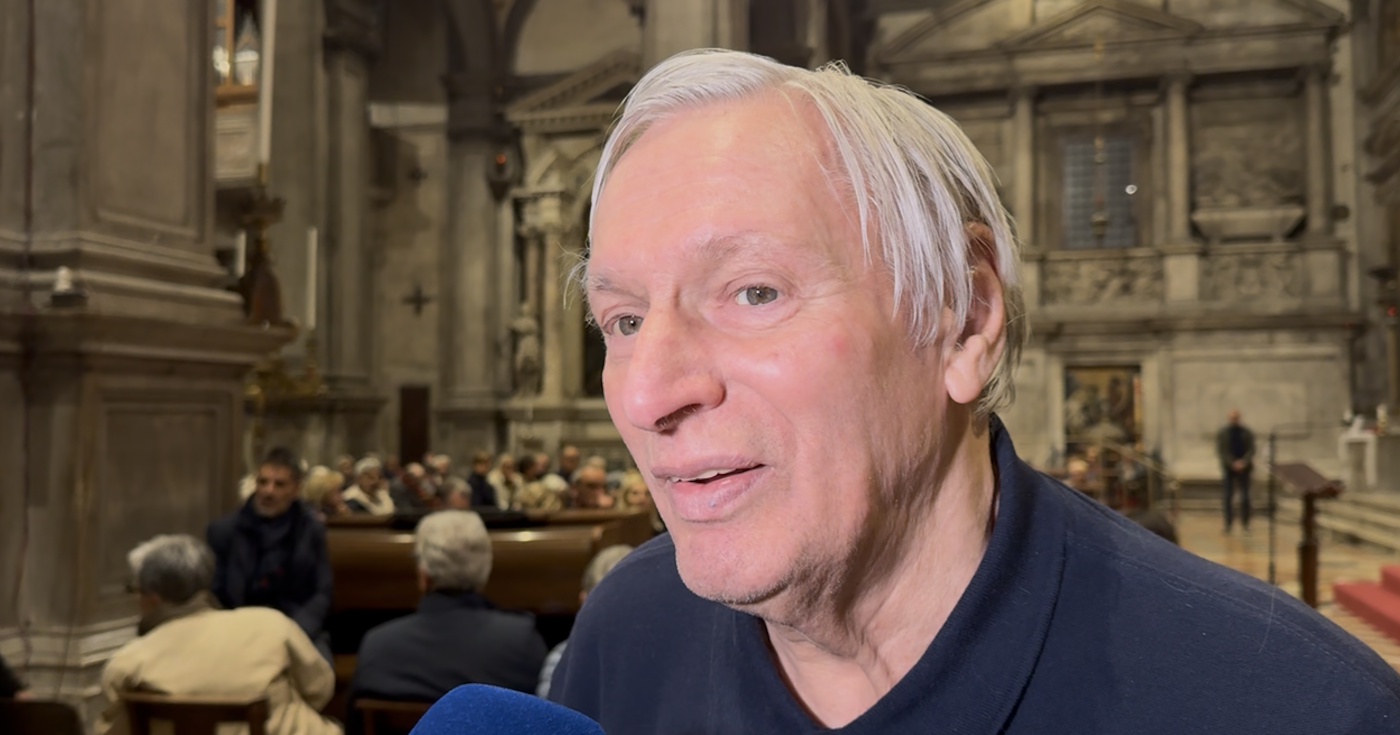
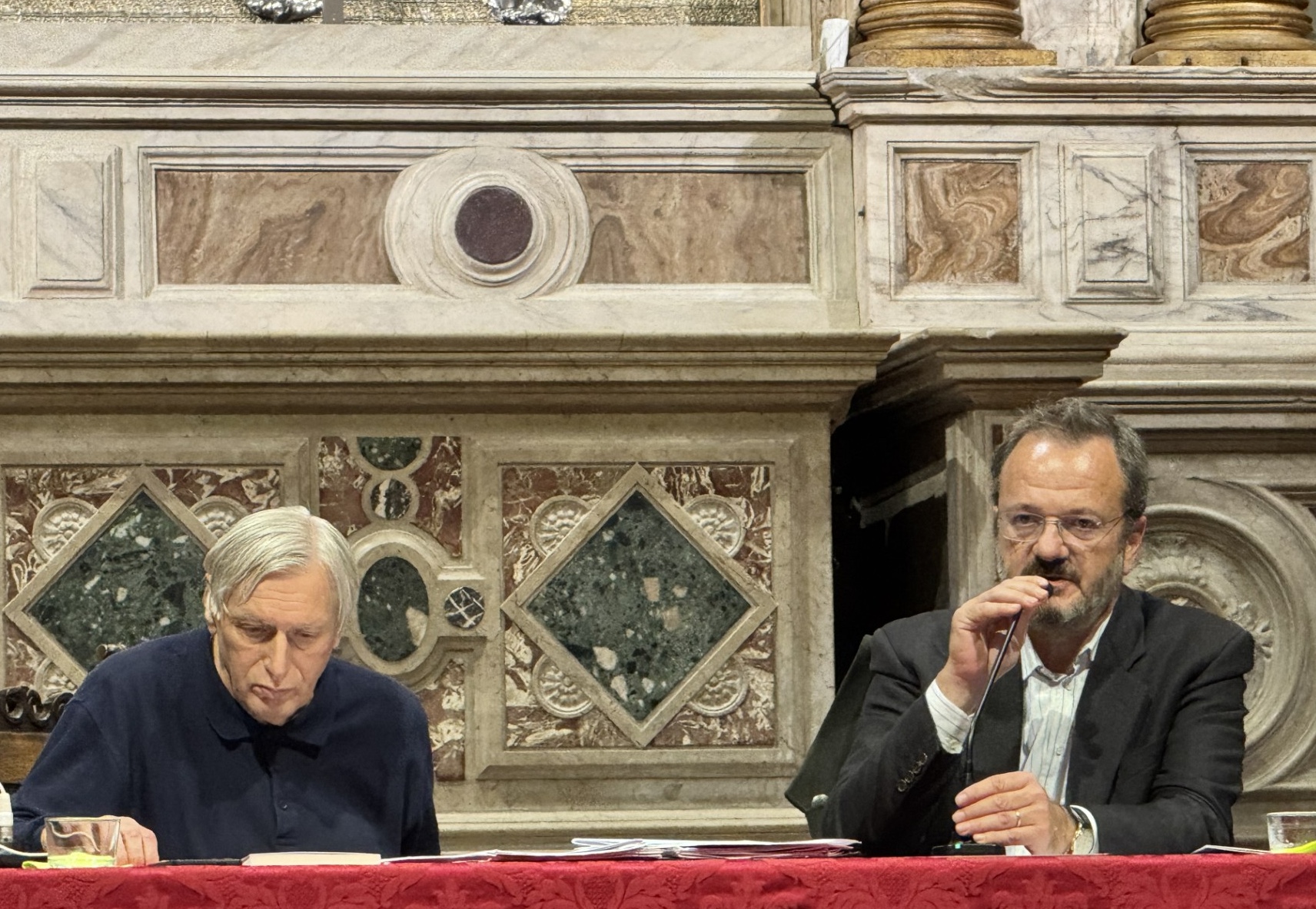
«The death of a child, the loss of a loved one, are wounds that remain. And the task is not to erase them but to learn to live with them, to ensure that they do not become the only thing that animates us». Words that also arise from encounters with many mothers and fathers marked by the death of their children, killed by drugs or the mafia, or victims of other tragedies. Stories in which pain risks becoming isolation, but can also open a different, alternative path. «I learned from these people that pain is not overcome but transformed. It can turn into commitment, into love for others. But for this to happen you must first inhabit it, have the courage to stay inside the wound without escaping». It is not a question of attributing meaning to death or considering it acceptable, but rather of preventing suffering from producing further loneliness. Because no one should be left alone just when words seem impossible. «The wound – Don Ciotti continued– is how our deepest humanity reveals itself. It is the place where we discover that we are not alone; if the wound is inhabited together, then it becomes a meeting place, otherwise it can become a prison». It's also a question of memory. The priest recalled an episode that profoundly affected him: the first anniversary of the Capaci massacre, where Giovanni Falcone, his wife Francesca Morvillo, and the escort officers died. During the ceremony, next to him, he noticed a woman crying without being able to hold back her tears. As authorities remembered the victims, she turned to Ciotti, asking him why they didn't name their son. That mother was the mother of Antonio Montinaro, Falcone's escort agent. In that question, there was a desperate need to see one's child recognized not only as a victim among victims, but as a loved one, with a name and a story. «It is there that one understands the need for silence, but also to use our voice so that those names do not remain locked in a closet, to make them still alive. Because for us they are not dead».
From the memory of lost children, the gaze thus broadens to those who today risk losing their way, to children who seek listening, opportunities, and reasons to believe in the future. For Ciotti, grief cannot remain a private matter: it also becomes a question addressed to society, called upon to question its responsibilities. And among the most pressing wounds are those of the new generations, often grappling with loneliness, addictions, marginalization, and a lack of prospects. «The young people demonstrating in Italian squares? It's a very beautiful sign, it's important and positive that there are young people protesting nonviolently: for their rights, for their dignity, for their freedom, for real change to occur in our country. We want to reject all forms of violence, it's out of the question, but we also have to be able to listen to these kids: catch their cry, the reason for all this». Listening means going beyond immediate condemnation. It means understanding that behind some behaviors there can be discomfort, lack of references and lack of opportunities. «We are going backwards compared to young people: Italy is a country that worries but does not deal with it as it should. We are an increasingly older society with fewer and fewer young people». A call to invest concretely in the new generations, through services, spaces for gathering, education, and opportunities, especially for those living «in the geographical and existential peripheries».
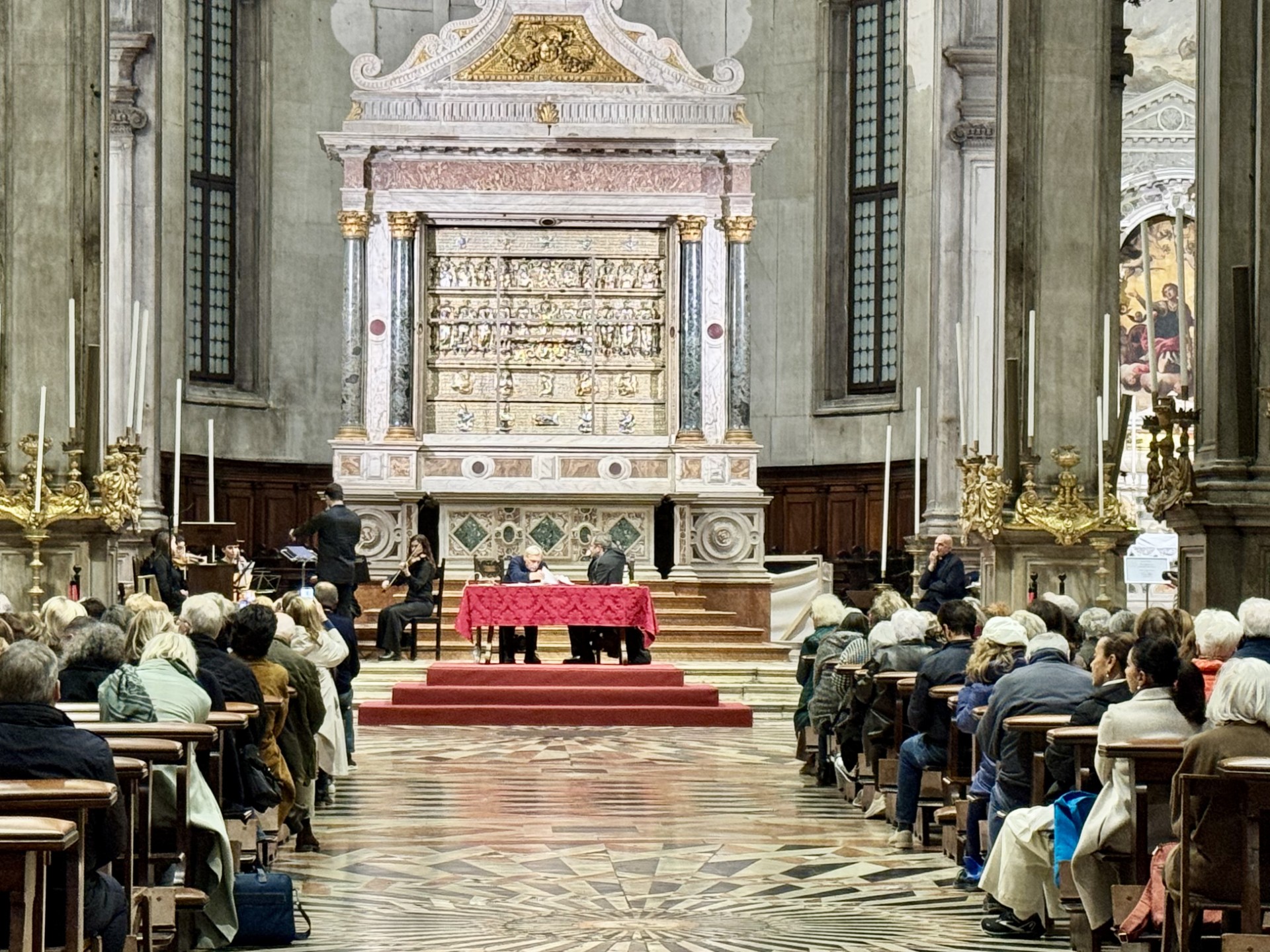
Libera's experience, also involved in supporting children who come into contact with the juvenile justice system, shows how important it is not to abandon anyone to their fragility. «We need to invest in children», observed Don Ciotti, explaining how the answer cannot be exhausted by increasing penalties for minors. We need to prevent, support, and create alternatives. The link between the pain of those who have lost a child and that of those struggling to find their place in the world perhaps lies precisely in this: in the need not to look the other way. A society capable of standing with a grieving family must also recognize the cry of a teenager, the loneliness of those who lock themselves in their homes, the addiction that devours a life, the anger of those who see no possibility ahead. Hope, then, does not coincide with the erasure of pain. It is the choice not to allow him to become indifference. It's staying with those who suffer, guarding the names of those who are no longer with us, and building conditions for other kids to have a future. Thus, in the evangelical metaphor of the grain of wheat, recalled during the meeting, we find the image of a love that can continue to generate life even after a loss.