
Defense Becomes Attack: The Vaccine That Teaches How to Hit Cancer
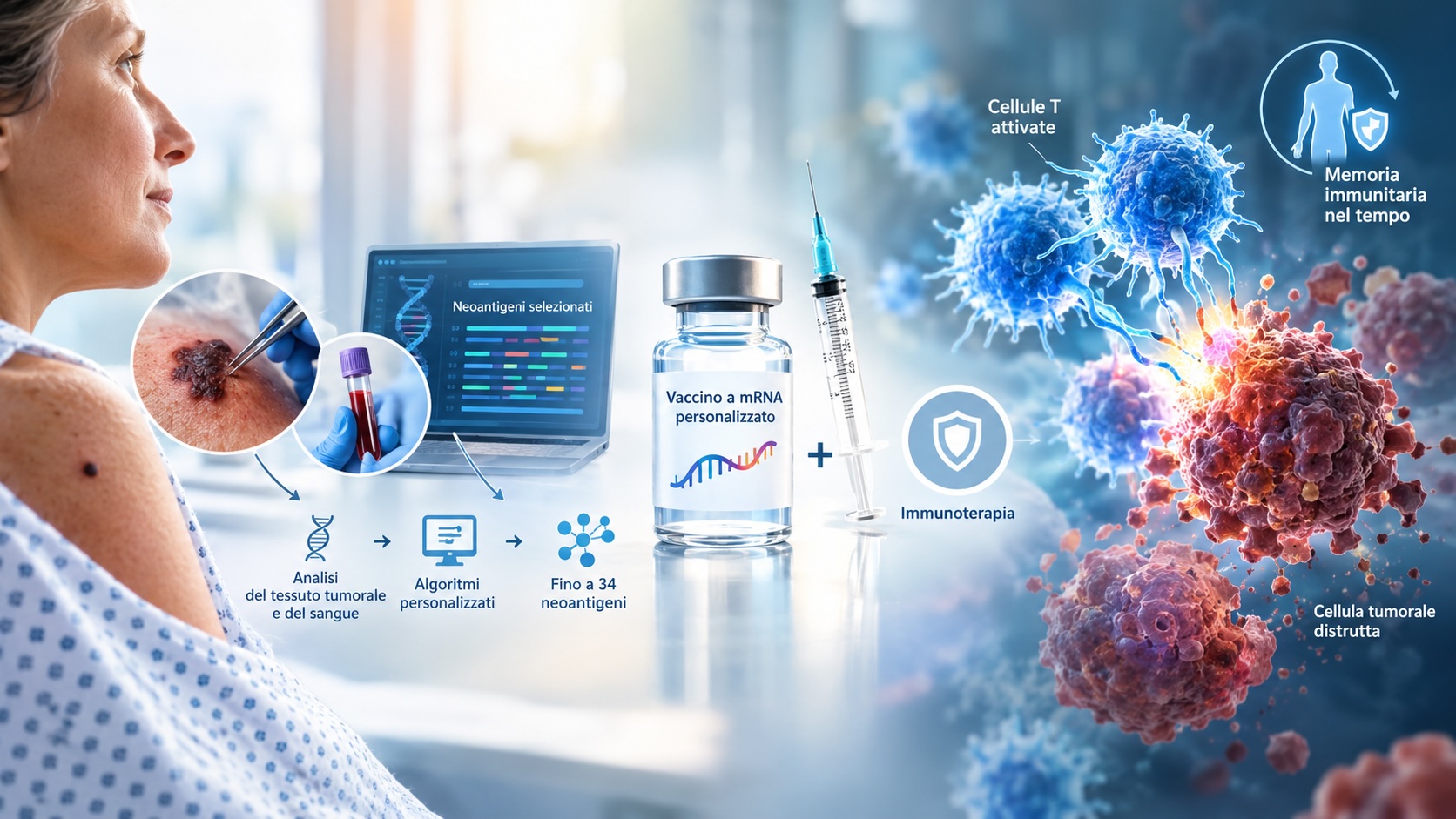
It is not a vaccine to prevent cancer, but to teach the immune system to better recognize what remains of the disease after surgery.
The first results of the Phase 3 INTerpath-001 study, published in recent weeks, open a new perspective in the treatment of high-risk melanoma, with therapy built on the characteristics of the individual patient. Looking ahead, we are at a turning point.
The innovation stems from the encounter between two tools that have changed oncology in recent years: immunotherapy and mRNA technology, the same technology many have come to know during the pandemic. But in this case the goal is very different from that of a traditional vaccine. You don’t try to stop a healthy person from getting sick: instead, you try training their immune defenses to more precisely identify any cancer cells left after surgery.
The study, conducted on over 1,100 patients, involves a personalized mRNA vaccine developed by the U.S. companies Moderna and Merck/MSD. The results indicate a significant reduction in the risk of recurrence and distant metastases when the vaccine is combined with standard immunotherapy.
Don Ciotti: «Pain cannot be overcome, but it can transform into love for others.»
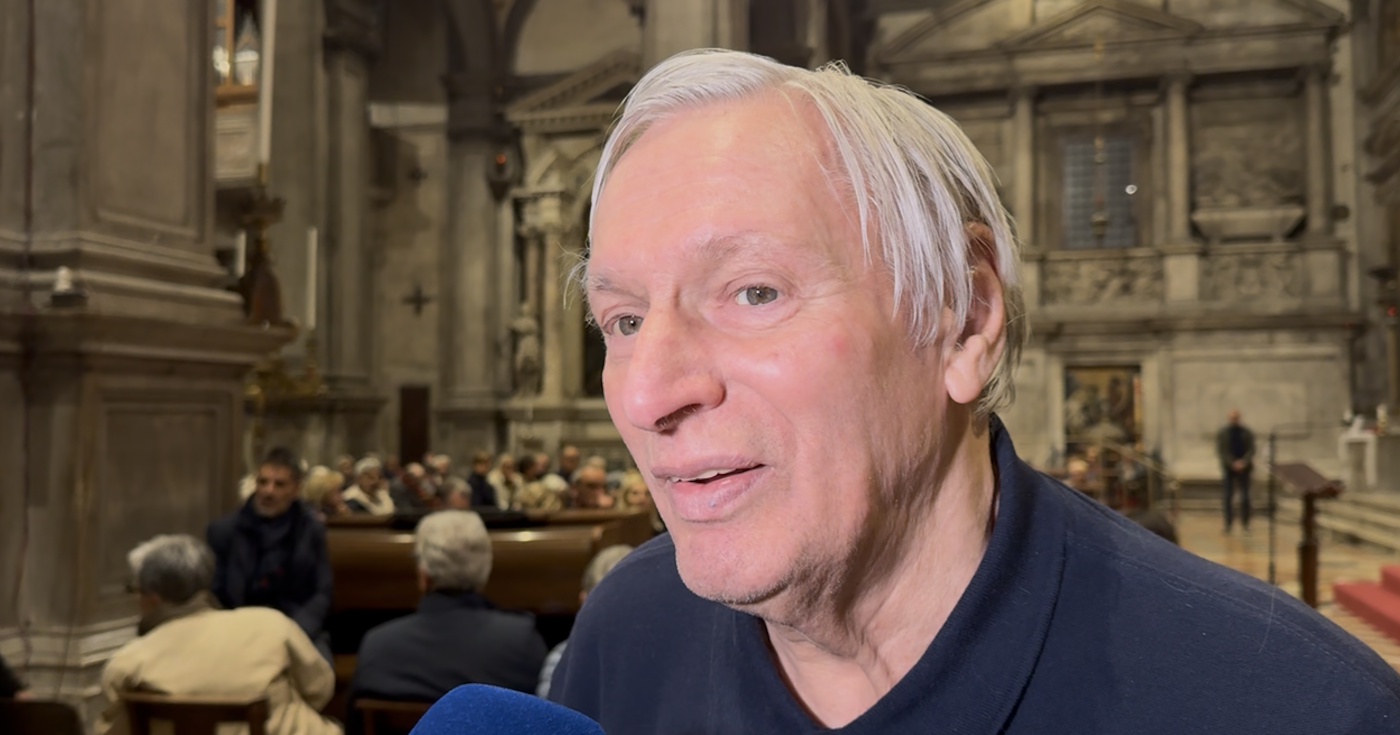
There are pains that cannot be explained, words that are not enough and wounds that not even time cannot erase. The loss of a child belongs to this dimension: a void that forever changes the lives of those who remain, questioning certainties, faith, and the future. Yet, precisely within that suffering, a new form of love can be born, capable of transforming into closeness to others and collective responsibility. This is the thread that links the reflection of Don Luigi Ciotti, founder of Libera and Gruppo Abele, who has always been committed to the most vulnerable people, to the book “Inside the Wound. Living after the loss of a child” (Marcanum Press, 2026), by the parish priest of the Marcian community Don Roberto Donadoni, presented on Wednesday in the church of San Salvador, in Venice. A book that collects homilies and reflections shared over the years with the group “Parents with a Child in Heaven,” led by the author himself. At the center of the dialogue, moderated by the Vatican correspondent for “Corriere della Sera”, Gian Guido Vecchi, was the rejection of easy consolations, of those phrases uttered to silence the inner malaise, rather than to understand it. «We live in a time when we are afraid of pain, we want to hide it, to anesthetize it. As if it were a disease to be eradicated and not instead a dimension of existence that belongs to us, everyone: the experience of pain, some in one way, some in the other», observed Don Ciotti. The wound, therefore, is not something to be quickly erased, but a reality with which to learn to live, without pretending that everything can suddenly go back to the way it was before. «Inhabiting the wound means recognizing that there are experiences that cannot be overcome, not forgotten in life».
More than Halloween: Venice has Light in the Night
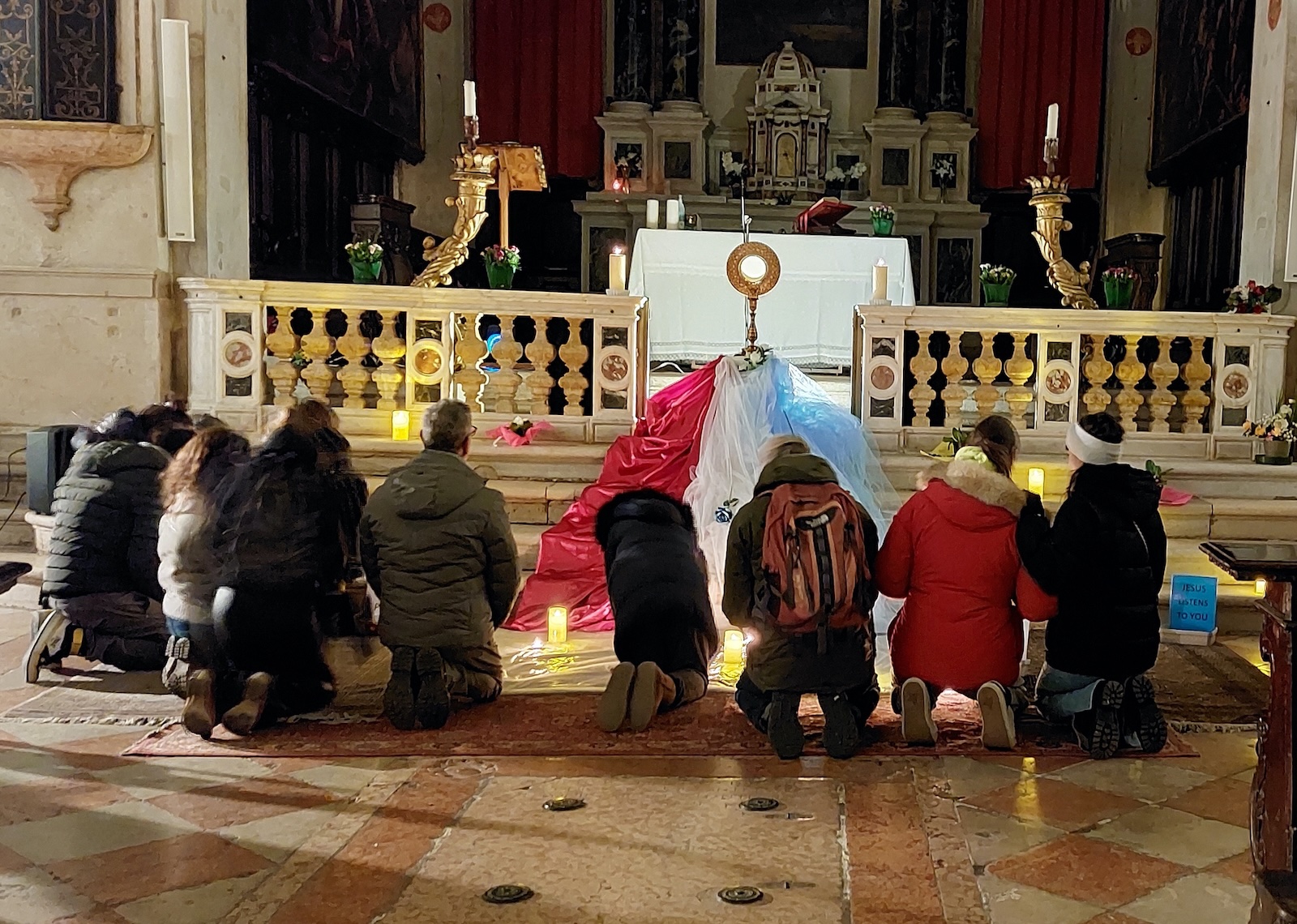
The evangelizers of “Light in the Night” return to the streets, in the heart of Venetian nightlife. The appointment is for Saturday 31 October, when the group will meet in the Rialto area to invite the young people to enter the church of San Giovanni Elemosinario and stop for a moment of prayer and Eucharistic adoration.
Approximately 25 evangelizers will be involved, mostly from parishes in the diocese of Venice, but also from other local communities, including Padua, San Donà, and Conegliano. A diverse group in terms of age, origins, and ecclesial paths, united by the desire to proclaim the Gospel even outside the usual spaces of parish life.
The meeting for evangelizers will begin at 5 pm in the patronage of San Cassiano for a moment of prayer and formation. Then at 8:30 pm in the church of San Giovanni Elemosinario, Holy Mass will be celebrated, presided over by Patriarch Francis, who will give the mandate to the evangelizers.
Secret revealed to the Frari: the monument to Doge Francesco Foscari was in color
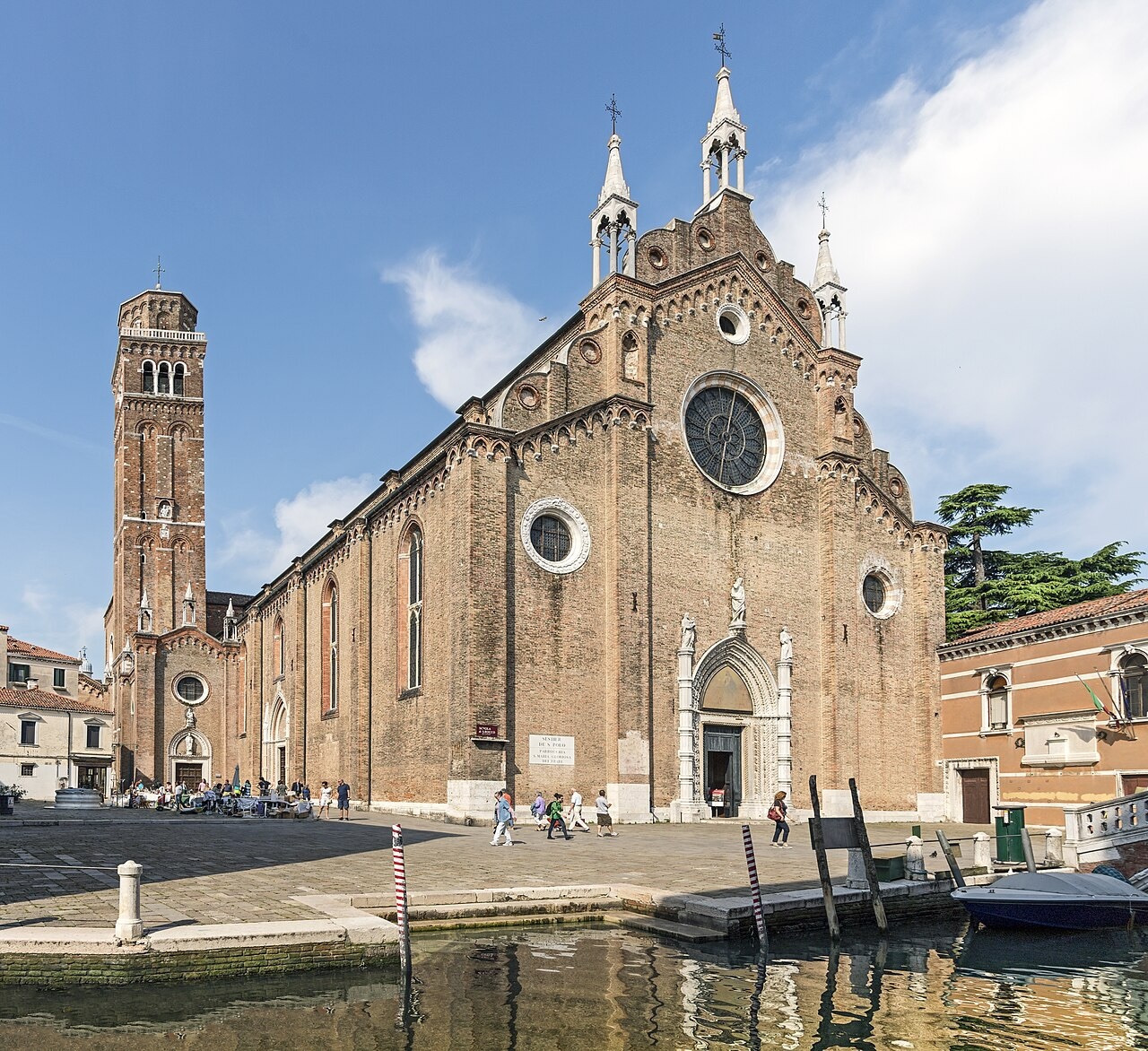
Previously illegible pigments emerged on the marble and the chromatic reading of the fresco was recovered. The restoration of the fifteenth-century Monument to Doge Francesco Foscari in the Basilica dei Frari in Venice has come to an end. The project, which began in July 2025 and ended last August, was funded for a total of €360,000 by the Save Venice Committee, thanks to the main support of the Nora McNeely Hurley Foundation and the contributions of Patricia Fortini Brown and Alice T. Friedman. Once again appreciable in all its chromatic richness, the Monument to Doge Francesco Foscari has dominated the right wall of the Basilica’s presbytery for over five and a half centuries, preserving the memory of the Doge who led the Republic of Venice the longest. The marble complex, a masterpiece of the early Venetian Renaissance attributed to the Florentine sculptor Niccolò di Giovanni Fiorentino, was created around 1461. The restoration was conducted by Arlango Restauro e Conservazione Beni Culturali under the direction of Egidio Arlango, under the supervision of the Superintendency, the Patriarchate of Venice, and under the direction of architect Marco Biscontin. The photographic documentation was carried out by Matteo De Fina, while the diagnostic investigations were conducted by Arcadia Ricerche and 3A Laboratori Lifeanalytics
‘St Mark’s belongs to everyone’: Barel talks about the challenge of accessibility
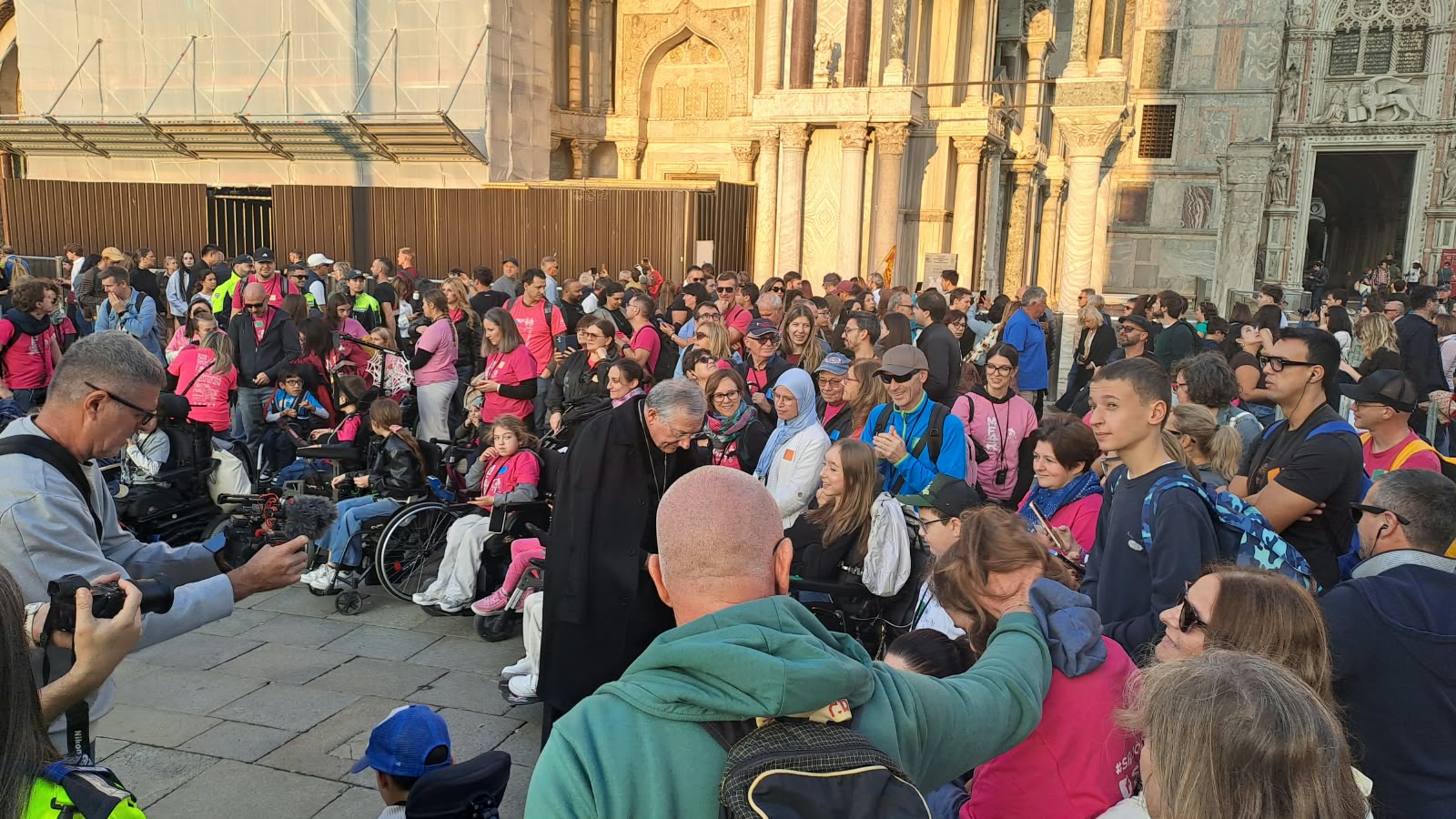
On Saturday 17 October, in St Mark’s Square, Patriarch Francesco Moraglia, Mayor Simone Venturini and Chief Procurator Bruno Barel welcomed the children and young people with spinal muscular atrophy taking part in ‘Venezia a 4 Ruote by night’. This event highlights the importance of accessibility and forms part of the “Venezia accogliente” project, through which the Procuratoria is working to remove architectural and sensory barriers at the Basilica and the Campanile. This same focus on people also inspired the acquisition of the property belonging to the Franciscan Sisters of Christ the King in Castello, which is intended to house a nursery school and provide affordable accommodation for those working in the city. The visit to the Bell Tower took place at a particularly significant time for the Procuratoria, which is currently engaged in the two-year ‘Venezia accogliente’ project, dedicated to overcoming the architectural and sensory barriers that can hinder access to the Basilica and the Bell Tower. From 10 to 18 October, in fact, the ‘The Top for All’ initiative enables people with reduced mobility, including those using manual or electric wheelchairs, to reach the lift access level of the Bell Tower independently via a special mobile ramp. This is a temporary ramp, but one of practical significance, made possible thanks to a contribution from the company EPS and the collaboration of the Patriarchate of Venice. Entry to the Bell Tower is free for people with disabilities and one accompanying person, with no booking required. It is in this context that Bruno Barel, First Procurator of St Mark’s, comments on the Procuratoria’s wider efforts in support of the city.
What message does this day leave us with?
St Mark’s Basilica is a part of our shared world heritage, and we feel a responsibility to ensure that as many people as possible can discover and experience it. The preservation of a monument is not merely a matter of conserving its structures and works of art: it also means considering how to make it accessible, whilst respecting its historical and architectural characteristics.
The Patriarch of Venice, Monsignor Francesco Moraglia, was also present at the event, where he welcomed the children and young people alongside their families. In his address, he emphasised the importance of taking on a challenge that enables us to stand by those who risk facing obstacles in exercising a right or fulfilling a wish.
The Basilica is a place that belongs to everyone and must be accessible to those with mobility difficulties, the Patriarch emphasised, expressing his satisfaction at having been able to accompany and greet the young people, the children and their parents. Initiatives such as this enable us to offer something tangible to the city and ensure that these young people, too, can engage with the Basilica and feel that it is part of their own experience.
The ‘Welcoming Venice’ project is being implemented through a range of initiatives, from the Bell Tower to the Basilica Museum. What are the next objectives?
Work is currently underway and requires a range of skills. In 2025, we created a tactile three-dimensional model of the Basilica, thanks to the collaboration of the Rotary Club of Venice and the support of foundations, institutions and private organisations. It is a tool that enables blind people to explore the monument’s architecture through touch and to gain an understanding of it in a different way.
From the accessibility of cultural venues to the possibility of living in Venice, the theme of inclusion also highlights the social dimension of the Procuratoria’s work. This perspective is reflected in the acquisition of the property belonging to the Franciscan Sisters of Christ the King, in the Castello district. Why did you decide to get involved in this property deal?
We have sought to reconcile two fundamental requirements. The first is to safeguard the assets of St Mark’s Basilica, as they represent a guarantee for the future. During the Covid year, income came to a standstill, whilst the Basilica requires considerable investment: we currently have nineteen construction sites. It is therefore essential to have a financial safety net that enables us to protect the monument, ensure the continuity of the work and deal with any difficult situations that may arise. The second requirement is that every initiative we undertake should also serve a social purpose. We are not a speculative property development company, but a not-for-profit organisation. We want every project to generate added value – not only in economic and heritage terms, but also in social terms. Preserving our heritage and caring for the community are not competing objectives: they can reinforce one another. Making a monument accessible and helping to keep the city alive are different ways of fulfilling our responsibility towards people.
How did the opportunity to acquire the property in Castello come about?
The nuns, now numbering just four, were considering selling off a significant property portfolio situated about twelve minutes’ walk from St Mark’s Square. They were particularly concerned about the future of the nursery school housed within the premises, an institution with a long history that cares for thirty-two children. We carried out a thorough assessment, albeit within a short timeframe, as other private-sector parties were also involved in the negotiations. We felt it was important to ensure this opportunity was not lost, not only for the Procuratoria, but above all for the city. The negotiations were swift, straightforward and transparent, with no intermediaries. Following the necessary assessments, we concluded that the transaction was of great interest to the Procuratoria and approved it unanimously. We referred to a valuation report drawn up by an independent expert, a professor at the University of Padua, and concluded the purchase at a price lower than the value indicated in the report. A technical report also highlighted that the property is in good condition and can be reused with relatively limited extraordinary maintenance work. The complex covers approximately 4,100 square metres and comprises fifty-six en-suite rooms, two gardens, spaces designated for a nursery school and a church. We saw an opportunity to enhance this property whilst preserving its heritage and restoring it to a use consistent with the city’s needs.
What will the complex be used for, and how will the continuity of existing activities be ensured?Quali saranno le destinazioni del complesso e come verrà garantita la continuità delle attività già presenti?
The nuns had set two conditions for the transfer: to ensure the continuity of the nursery school and to retain, on the ground floor, a small space to serve as a chapel, dedicated to the memory of a fellow nun who had been a valuable spiritual guide. We have agreed to both requests. As regards the school, the Procuratoria is not permitted under its statutes to manage educational activities directly. We therefore explored the possibility of involving the Diocese, which responded positively through the body designated to manage the school. The collaboration between the Patriarchate and the Procuratoria has thus made it possible to find a practical solution. The school will be able to continue its activities, providing peace of mind to the families of the thirty-two children who attend it. The residential part will be used as guest accommodation for the Procuratoria’s staff and as accommodation for other people working in Venice. The idea is to refurbish the existing rooms and, where possible, combine them to create small flats, suitable for couples and families alike. We wish to offer sustainable financial terms that ensure a balanced return on investment without placing an excessive burden on the incomes of those working in the historic city. Venice needs people who can live there permanently, as well as those who work there. The difficulty of finding accommodation at a cost compatible with local salaries affects the very possibility of keeping services and activities running.
To what extent did the possibility that the property might end up in the hands of investors interested solely in commercial development play a part?
It was an important element, but the key point is to have identified a destination consistent with the nature of the asset and Venice’s needs. A property of this size, in such a significant location, represents an asset for the city. If it had been intended solely for a market logic, an opportunity could have been missed to maintain an educational service and offer housing to workers. We have followed the procedures provided for, including those relating to the possible exercise of the right of first refusal by public bodies, with the will to act correctly and with full transparency. Our responsibility is to ensure that the assets continue to be useful. This requires attention to accounts, but also the ability to look beyond the immediate value of an asset and question the function it can perform over time.
What is the planned timeframe for the property’s redevelopment, and what future do you envision for the complex’s historic spaces?
Initial forecasts indicate that work will not be able to begin before the end of 2027, a timeline that will need to be confirmed in light of the design and authorization process. The technical evaluation gave us confidence, because the property does not seem to require a particularly long or invasive restoration, but safety, the functionality of the spaces and compliance with the agreed destinations come first.
We would also like the church in the complex to be accessible to the public again. It is a space that deserves to be known and valued, respecting its identity and history. We will be able to evaluate, at a later stage, any cultural initiatives or other forms of use compatible with the location and economic sustainability of the intervention. A building isn’t just made up of square meters, rooms, and possibilities: it’s also a repository of relationships, experiences, and stories that have helped build a community. When dealing with heritage of this kind, one must be able to distinguish what can be rethought from what deserves to be kept.
Do Castello’s accessibility initiatives and housing project reflect a broader vision of the Prosecutor’s Office’s role in Venetian life?
Our primary mission remains the protection of St. Mark’s Basilica and its preservation for future generations. But being present in Venice also means recognizing the context in which the Basilica lives. The city is not just an artistic heritage to visit: it is a community, with housing needs, services, jobs and relationships to preserve.
Mountaineering and climate: Cazzanelli in Venice: ‘The mountains are changing; we need to know how to adapt’
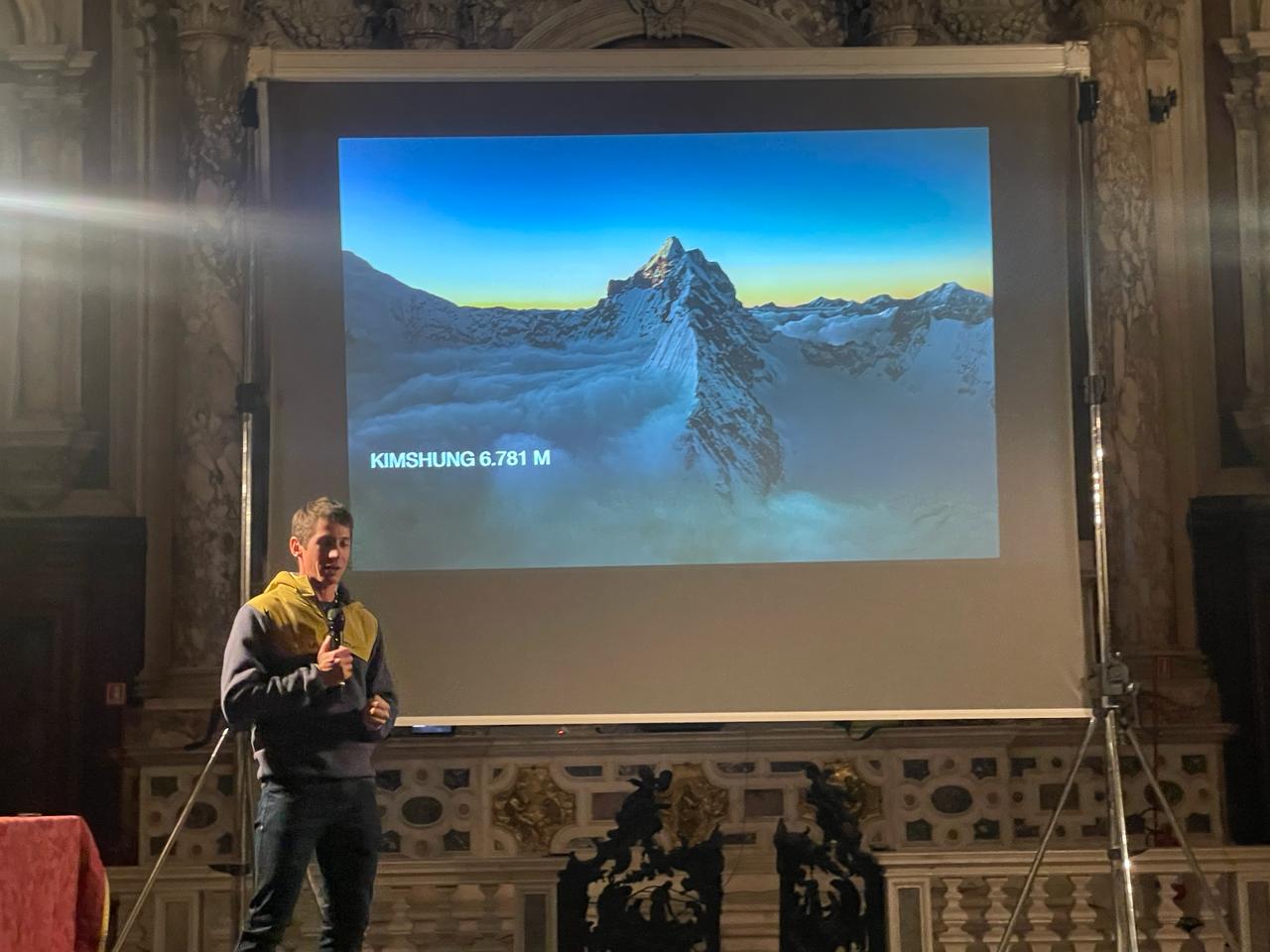
‘Mountaineers of the future will need to be increasingly well-prepared to recognise when something is feasible and when it isn’t. The mountains are not what they used to be; you have to know how to adapt.’
He is clear and resolute in his vision of the future the young mountaineer and guide François Cazzanelli who, as one of the few to have had the opportunity to speak about his achievements in the prestigious setting of the Scuola Grande di San Rocco, on Thursday 22nd, he spoke to a journalist from *La Repubblica* Guido Andruetto that evening “My Mountaineering 2.0”, held during the closing event for the 80 years of ‘Giovane Montagna’ in Venice, in the presence of the section chair Tita Piasentini, from the national president Stefano Vezzoso and the city councillor Sebastiano Costalonga.
Cazzanelli was born in Aosta in 1990 and grew up in Cervinia, at the foot of the Matterhorn, where he went on to become a mountain guide – a profession in which he is also a national instructor – a trade that has been passed down through his family for more than five generations; he is also a specialist technician with the Aosta Valley Mountain Rescue Service. He has taken part in over 20 major international expeditions, watching the mountain change from time to time. In the context of global warming, Cazzanelli explained how It will change the way we go to the mountains: ‘In this intense heat, the challenges increase and you have to choose your routes carefully. Future mountaineers and guides must be able to face and manage the major risks that the Climate change is having an impact on the mountains; they will have to be even better at changing course and adjusting their objectives, and at adapting to what the mountains have to offer – and he continues – ‘On the Matterhorn this year, we’ve had to halt ascents twice. Fortunately, there are alternatives at lower altitudes until the cold weather returns.’ But for Cazzanelli, the realisation has already set in: ‘This summer in the Western Alps, unlike in other years, as the Alpine Rescue Service we’ve done ‘There have been very few ascents of the major peaks, and we have never attempted certain routes. I think professional mountaineers have realised the seriousness of the problem and have turned to routes that are more accessible and safer in these conditions.’
Luigi Nono Festival: women’s voices take centre stage
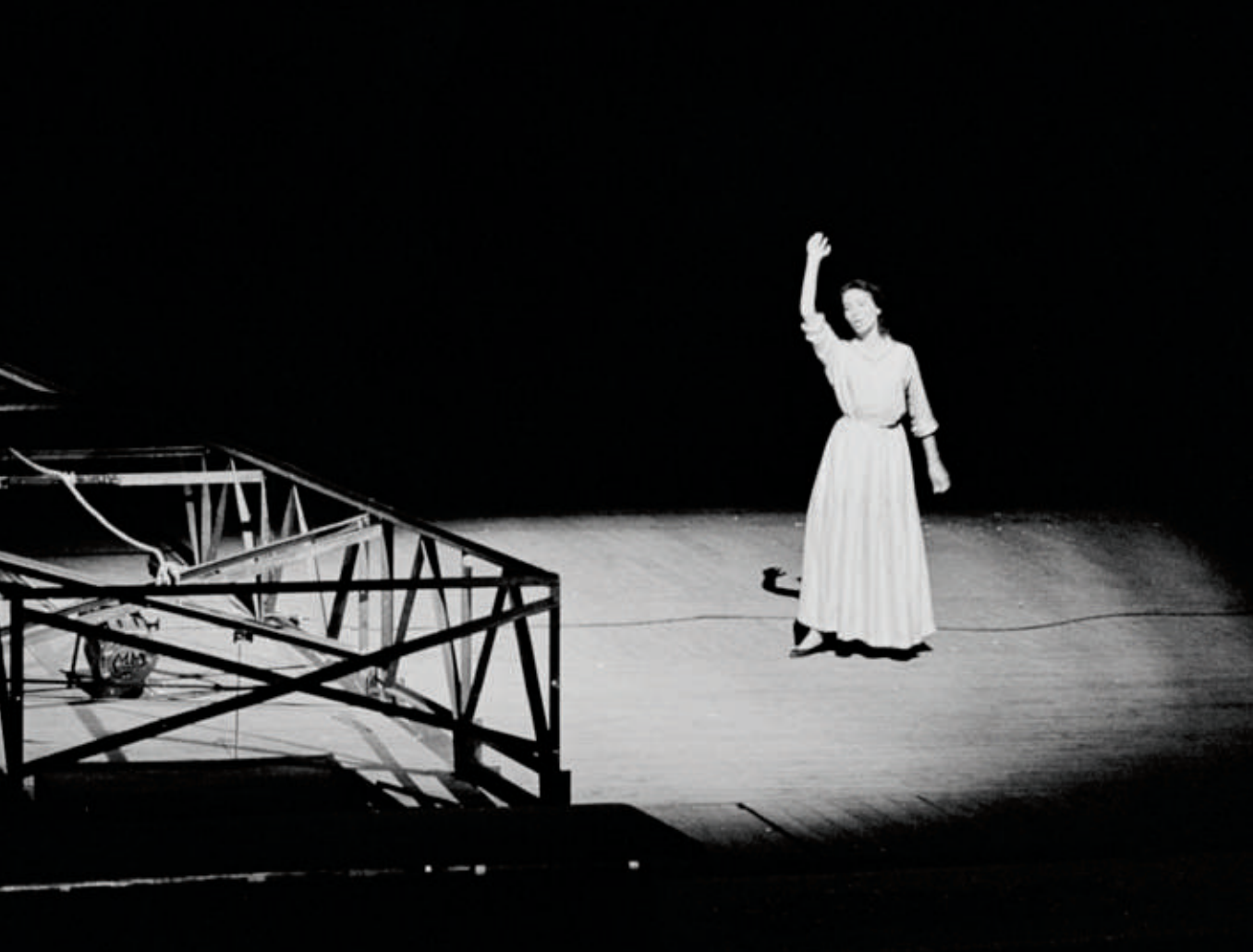
It was the world of women that inspired much of Luigi Nono’s work. On several occasions in his compositions, he allowed himself to be guided by the depth of certain women’s thinking, the strength of their ideas and their unique perspectives on the world.
The ninth edition of the “Luigi Nono Festival”, to be held in Venice from 30 October to 4 December across a range of prestigious cultural venues in the city on the water, will be dedicated to the female figures in Luigi Nono’s work and life. This year’s festival, entitled ‘Voci Destroying Muros’ to reflect Nono’s desire to break down walls and cross boundaries, will focus on the voices of the women in the renowned Venetian composer’s personal life, as well as those of intellectuals and female politicians who helped shape the intellectual landscape from which his work emerged and whom he referenced in his compositions.
The Festival, organised by the Luigi Nono Archive Foundation to re-examine the composer’s life and work, will feature a packed programme of concerts, lectures and workshops, all with free admission.
“My father held women in very high regard: within the family, he always consulted and involved my mother and us sisters in his work. A man ahead of his time, he always admired and studied revolutionary women, particularly philosophers and politicians,” explains Serena Nono, the composer’s daughter and organiser of the Festival.
A ‘Tech-free’ Saturday at the Frari for 25 young people
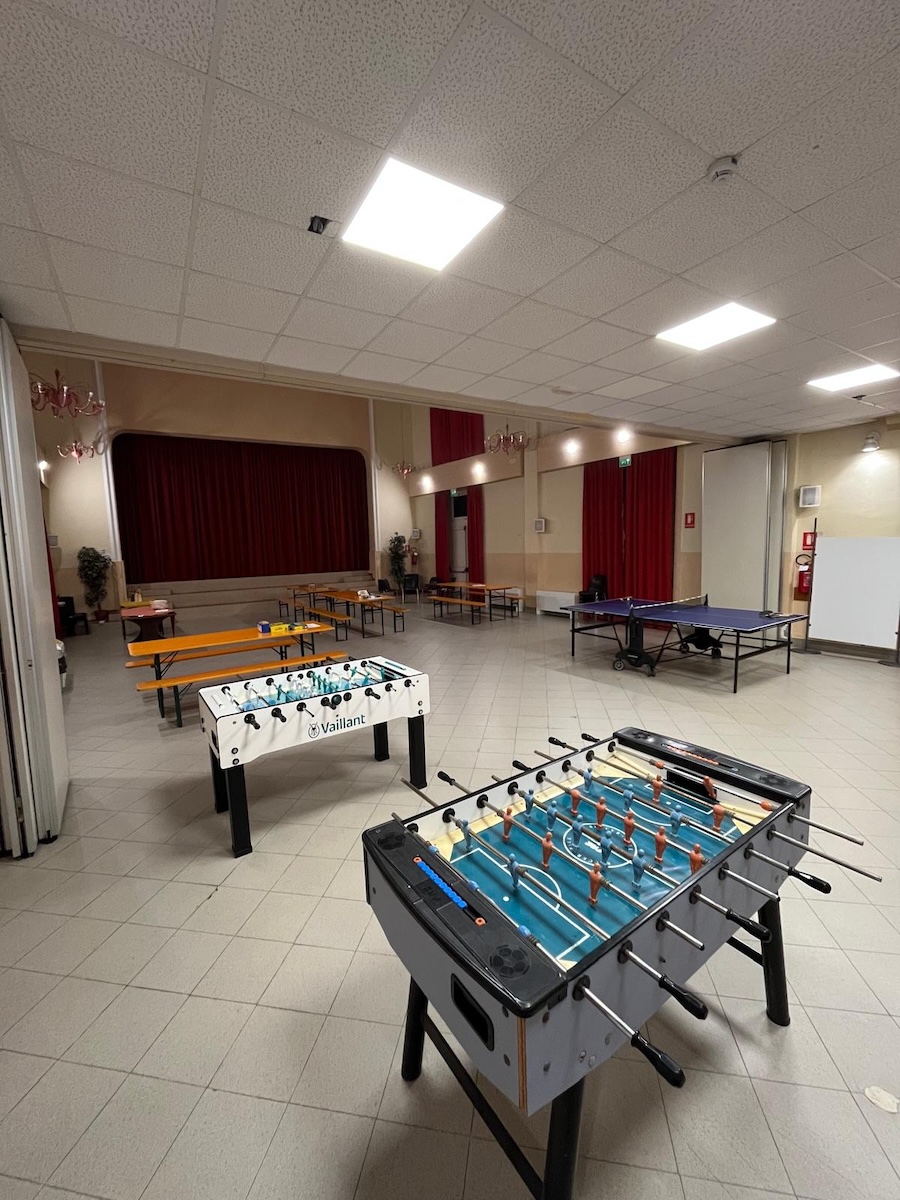
It was a successful start for the Frari Youth Centre’s initiative aimed at young people: around 25 young people left their mobile phones at the entrance last Saturday to take part in the first session of the ‘Tech-Free Evenings’, where fun and socialising are free from technology. The young people – some under-18s, others over 18 – found board games, table football and table tennis in the patronato’s hall: split into different groups, they played chess, Jenga, ‘Don’t Get Angry’, cards, Shanghai, Dungeons & Dragons… This experience will be repeated on 28 November, preceded on Thursday 26 (as on this first occasion) by a themed session: the next one will be dedicated to contemporary music.
Antibiotics: Let’s Not Misuse Them
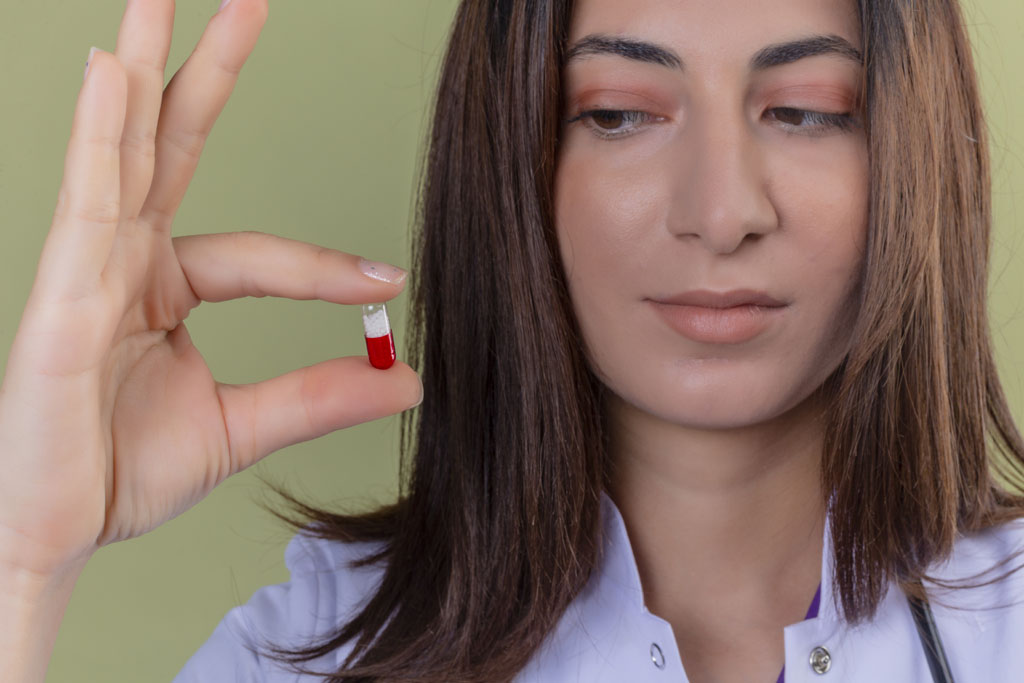
It is now well known to everyone that one of the most significant health crises of recent years is the progressive global spread of infections caused by bacteria that have become resistant to antibiotics. This phenomenon stems from the fact that most antibiotics are derived from substances produced by bacteria themselves: they are used in the competition between different bacterial species to ensure that one prevails over the other, acting as a sort of weapon against rival bacteria. Since bacteria are among the most primordial forms of life and have been present on our planet for over three billion years, the various species have developed mechanisms to defend themselves against their enemies’ weapons by learning to become resistant to them very quickly.
Humankind then learnt to use these substances as medicines to combat infections: penicillin, the first antibiotic discovered by humankind, is in fact derived from a microscopic fungus (Penicillium notatum) and was introduced as a medicine in 1941. It was a major discovery for medicine, but shortly afterwards the first instances of resistance – albeit isolated ones – were also observed.

