

A resource as important and widely available as mammography was bound to become a target for misinformation that sensationalizes the dangers of X-rays, the sometimes painful compression of breast tissue, and the futility of screening.
Among women over the age of 40, mammography is currently the radiological examination recommended by the international scientific community as a useful tool for the early diagnosis of breast cancer, the most common cancer in women.
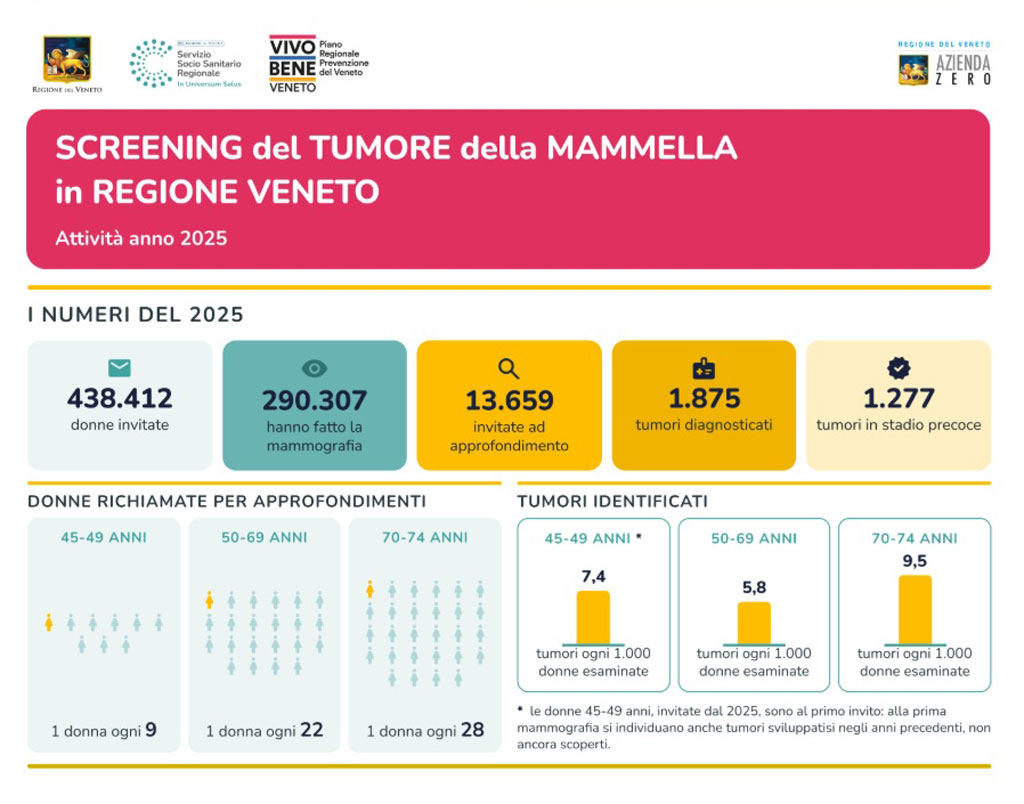
In 2025, 290,307 women participated in this type of screening in Veneto, and among those invited to undergo further diagnostic testing, 1,875 cancers were detected, 1,277 of which were in the early stages. An early diagnosis—as Regional Health Commissioner Gino Gerosa emphasized in recent days while presenting the Nastro Rosa initiatives alongside LILT—ensures a cure in nearly 90% of cases.
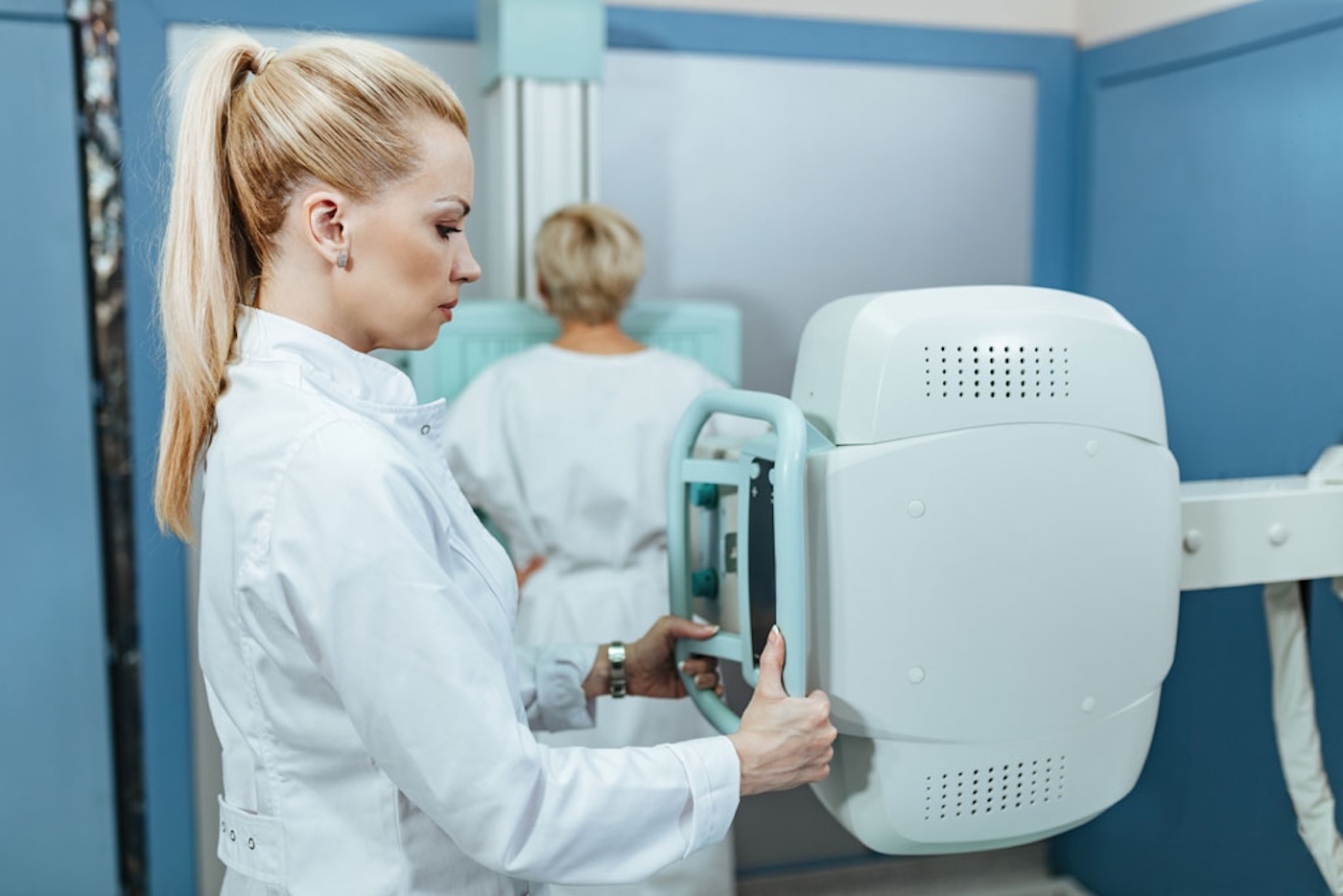
Mammography relies on electromagnetic radiation, a form of energy similar to light. As with all medical procedures, its use is guided by a cost-benefit analysis—where “cost” refers to potential harm to the patient, such as radiation-induced cancer, and “benefit” refers to the early diagnosis of breast cancer—and is governed by laws and guidelines.
Mammography is a quick and reliable examination and is the only screening test capable of reducing breast cancer mortality because it allows for the detection of early signs of cancer at a very early stage—and therefore treatable—and does so using a low dose of ionizing radiation absorbed by the patient (Class I, Art. 161, Law 101/20).
Undergoing a mammogram, therefore, is justified and optimized: the compression of the breast during the mammogram does not alter the breast tissue and does not squeeze the cells, destroying them or flinging them who knows where. It is clear that breast cancer screening has saved many lives and will continue to do so in the future, despite the naysayers.
One piece of advice to wrap things up: don't let yourself be swayed by those who spread fake news by playing on unfounded fears... Take care of yourselves.