
Venice holds the (negative) world record for births in the new millennium
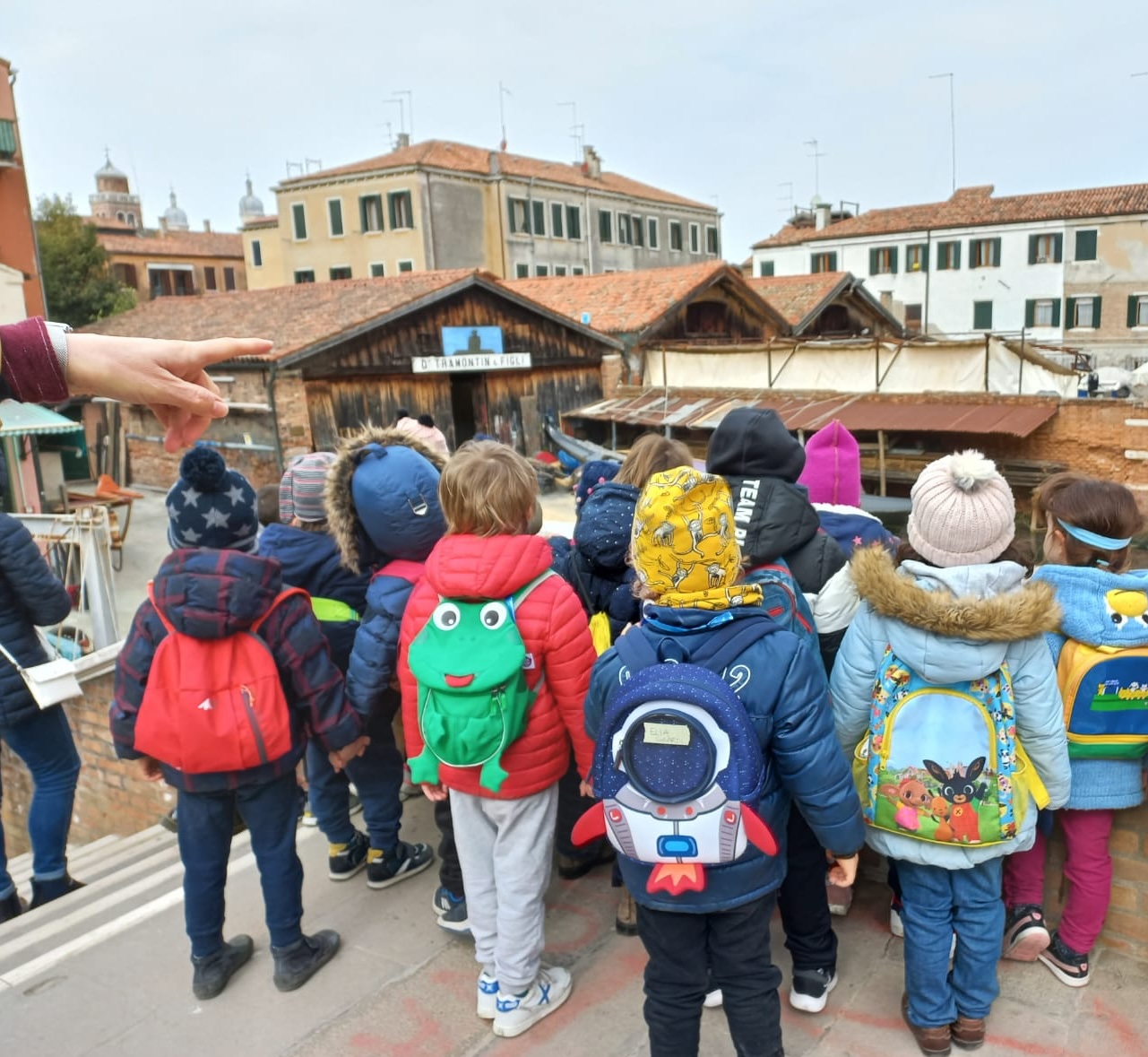
Venice’s historic center has the lowest percentage of people born in the 21st century in Italy (and perhaps in the world).
With just 14.5% of its residents under the age of 26, the island city ranks ahead of Savona and Genoa on the list of Italy’s oldest cities.
This is what the Istat data show, confirming the top ranking—albeit by stretching the interpretation a bit: the comparison is, in fact, with all other provincial capitals, whereas in our case we’re talking only about the historic center. But the core finding remains. Let’s take a broader view: while globally nearly 4 out of 10 people were born in the last 25 years, in Italy that percentage drops to 22.5%.
But it is as one ventures deeper into the canals of the Lagoon that this generational landscape comes up against a record-breaking statistic: if Venice’s historic center alone were a provincial capital in its own right, it would be the city with the lowest percentage of residents born in the 21st century in Italy—and, in all likelihood, on the entire planet.
The reason is well known: the effects of “touristification” and the high cost of living are driving families to the mainland, turning the heart of the Serenissima into a global demographic case study.
Currently, Savona holds the official top spot among Italy’s 109 provincial capitals (with about 16.5% of residents “born in 2000”), followed by Biella, Genoa, and Trieste. The City of Venice as a whole (251,000 residents) ranks around 30th, with a modest 19.2% of residents born from 2001 to the present.
However, the municipal data masks a clear divide: the mainland (Mestre, Marghera, Favaro, Chirignago-Zelarino) maintains a demographic profile in line with Northern Italy, where the presence of Italian and foreign-born families with children brings the proportion of young people under 26 to 21–22%. But in the historic center and on the islands, the proportion of people born in the 21st century plummets to a striking 14.5%–15%.
If only the island’s core population were counted, it would surpass Savona by a full two percentage points, climbing to the top of the Italian demographic ranking for “ageing populations.”
From the great masters of the past to the new organ: the Basilica renews its tradition
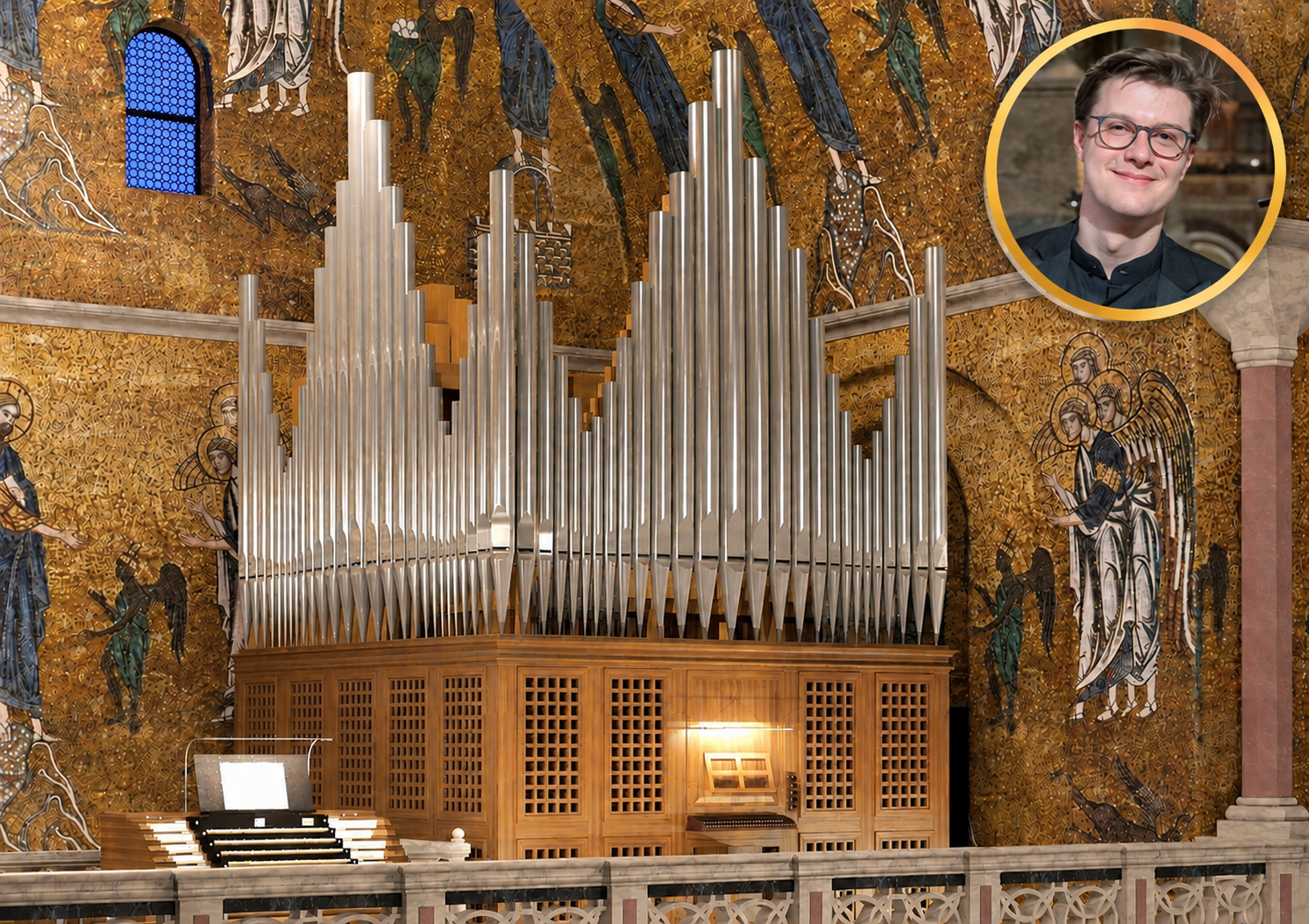
Seven centuries of organ history, a musical tradition that has shaped European history, and the liturgical needs of a cathedral that is also one of the most delicate monuments in the world. This complexity gave rise to the project for the new organ at St. Mark’s Basilica in Venice, commissioned by the Procuratoria to the firms Johannes Klais Orgelbau of Bonn and Francesco Zanin of Codroipo, based on the design by Maestro Alvise Mason, the cathedral’s principal organist, a native of Chirignago. Work is scheduled to be completed in the fall of 2028, the year marking the 1,200th anniversary of the arrival in Venice of the relics of the evangelist Mark. A conference is scheduled for Friday at Sant’Apollonia to provide an update on the project.
Maestro Mason, how did the need for a new organ at St. Mark’s arise? What will change?
The idea for a new organ at St. Mark’s has deep roots in the past. Already in recent decades, on several occasions, the Basilica and its organists have sought a solution that would define and clarify the role of the organ and the organist at St. Mark’s, particularly in light of the Basilica’s great musical and organ-playing tradition. The project arose from a twofold need: the need for a dignified and comprehensive accompaniment to the liturgy that meets the requirements of a cathedral, and the opportunity to perform the world’s great organ repertoire in the Basilica, both during liturgical services and in concerts. The new organ will open the door to the possibility of performing a wide range of musical repertoire—repertoire that cannot be performed in other churches but which St. Mark’s Cathedral demands, mindful of its glorious heritage. It will offer a completely new acoustic experience.
Why does the project require such a comprehensive vision?
St. Mark’s is not just any basilica. It has seven centuries of organ history and about six centuries of history tied to its music chapel. The new instrument must strike a balance between these various phases.
What are the main features of the project?
The new organ will be divided into four sections: two main sections in the chancel and two secondary sections in the transept. The electronic transmission system will allow these sections to be “controlled”: this division of the organ will enable the sound to be distributed throughout the space, in harmony with the architecture, without compromising the Basilica’s delicate mosaic work. A secondary console with two keyboards will also be available, intended for accompanying weekday services in the Chapel of Our Lady of Nicopeia.
Why was an international commission established?
Since this project is no easy challenge, it was deemed appropriate to establish an international committee to support it, composed not only of myself but also of Martin Baker, former choirmaster of Westminster Catholic Cathedral in London; Winfried Bönig, principal organist of Cologne Cathedral; Jean-Baptiste Monnot, organist of the famous Cavaillé-Coll organ at Saint-Ouen Abbey in Rouen, and Michele Vannelli, choirmaster of the Basilica of San Petronio in Bologna. Their experience and insights are also invaluable for understanding great historic organs.
What will be presented at the conference on Friday, October 16?
The event, titled “The Sound of St. Mark’s: Toward the Basilica’s New Organs,” will take place from 10 a.m. to 6 p.m. in the Sant’Apollonia Hall, next to the Cathedral. It will be an opportunity to showcase the progress of the work and explore the project in depth with those involved. Speakers will include organ builders Philipp Klais, Francesco Zanin, and Carlo Zanin; the day will also feature musicological presentations by Franco Rossi, Paolo Da Col, Luigi Collarile, and Matteo Malagoli, focusing on the history of the instruments, musical venues, tuning practices, and organ transformations of the late 19th century during the Perosi era. The day will conclude at 7:30 p.m. in the Basilica with the concert “The Legacy of Gabrieli,” in which I will perform alongside cornettists Frithjof Smith and Gebhard David. A follow-up event is also planned for 2027, along with the future publication of the proceedings, to leave a musicological and historical record of this journey.
Giuliano Noci: In Mestre for Artificial Intelligence

«Artificial intelligence has nothing human about it; it has a comparable capacity for learning, but it lacks the capacity for thought. It will never be a subject, but only an object. For this reason, it is wrong to place it in a relationship with a person; at most, it can enhance a person’s activities, but it cannot replace them. “. This definition of AI comes from Professor Giuliano Noci, full professor of Strategy & Marketing at the School of Management and vice rector of the Politecnico di Milano, who inaugurated the Circolo Veneto School of Political and Social Education in collaboration with the CGIA of Mestre on October 15 with the inaugural lecture “Artificial Intelligence: The Revolution That Is Changing the World,” at the Novotel in Mestre, where the professor engaged in a discussion with Tiziano Graziottin, Director of the“Dino Buzzati” School of Journalismof the Veneto Order of Journalists.“AI could reduce our workload and allow us to process knowledge, but the transition that lies ahead must be managed, ”the expert warns.
The Bebe Vio Academy is Coming to Venice
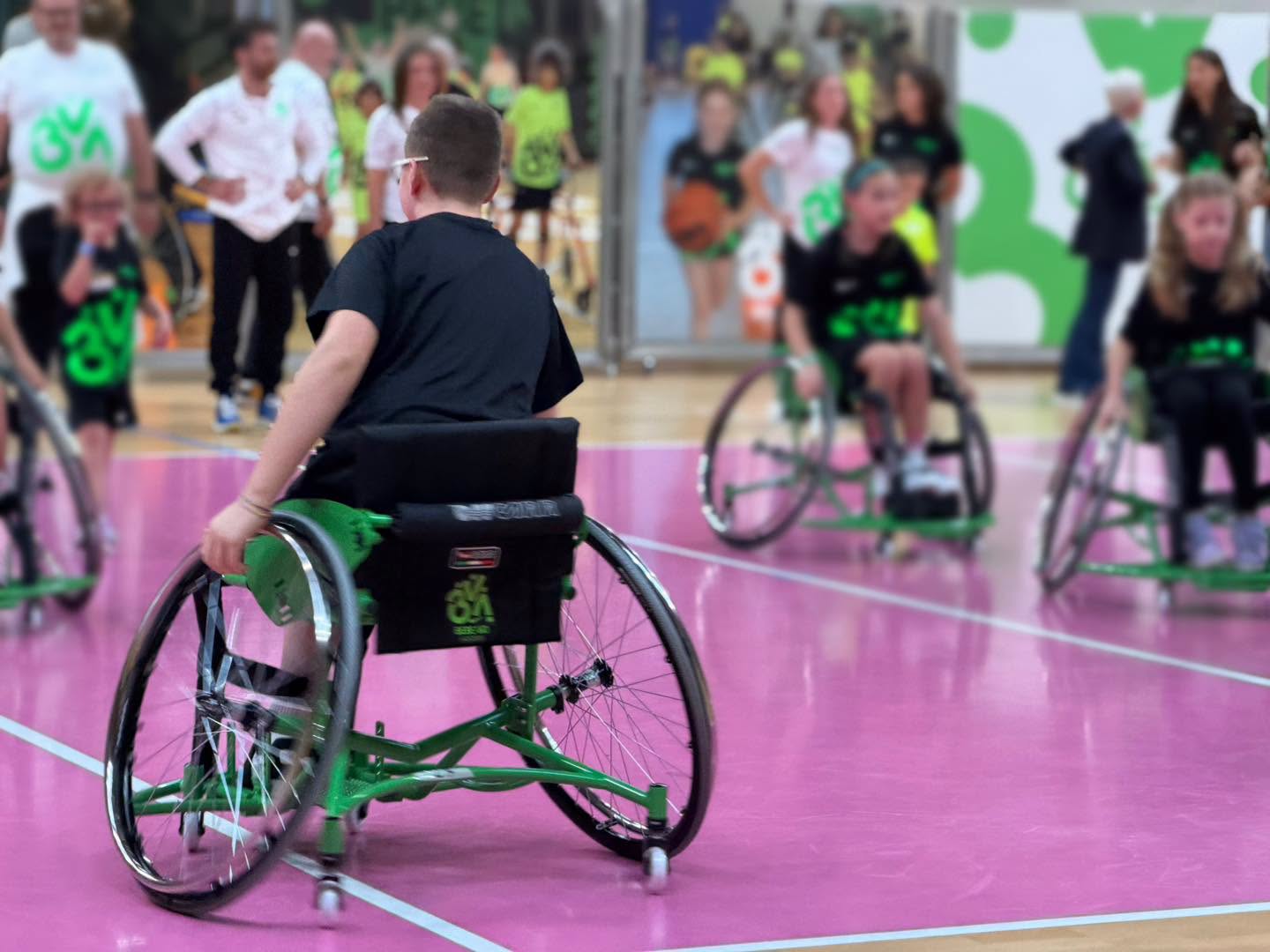
“My dream has always been to come home.” And Bebe Vio has now made that dream a reality with her Academy. The Bebe Vio Academy (BVA) was recently inaugurated at Polisportiva Terraglio, the place where Bebe Vio took her first steps into the world of Paralympic sports after her illness.
Following the success achieved at its locations in Milan and Rome, the program is thus expanding a network that has already involved more than 320 young athletes since its inception.
Sponsored in partnership with Nike and organized and managed by the art4sport Foundation, the BVA was created with the goal of making physical activity accessible to everyone by breaking down physical and cultural barriers through the power of teamwork.
The opening of the new facility at Polisportiva Terraglio—a center of excellence for promoting inclusive sports at the regional and national levels—was made possible thanks to the dedication of two long-standing figures at the art4sport Foundation, Elena Pinton and Claudio Pavanello, and enjoys the full support of the CIP’s Veneto Regional Committee, led by President Davide Giorgi, who previously served as president of Polisportiva Terraglio itself.
Diocesan Bible School: A New Year Following in the Footsteps of Ruth, Tobit, Esther, and Judith
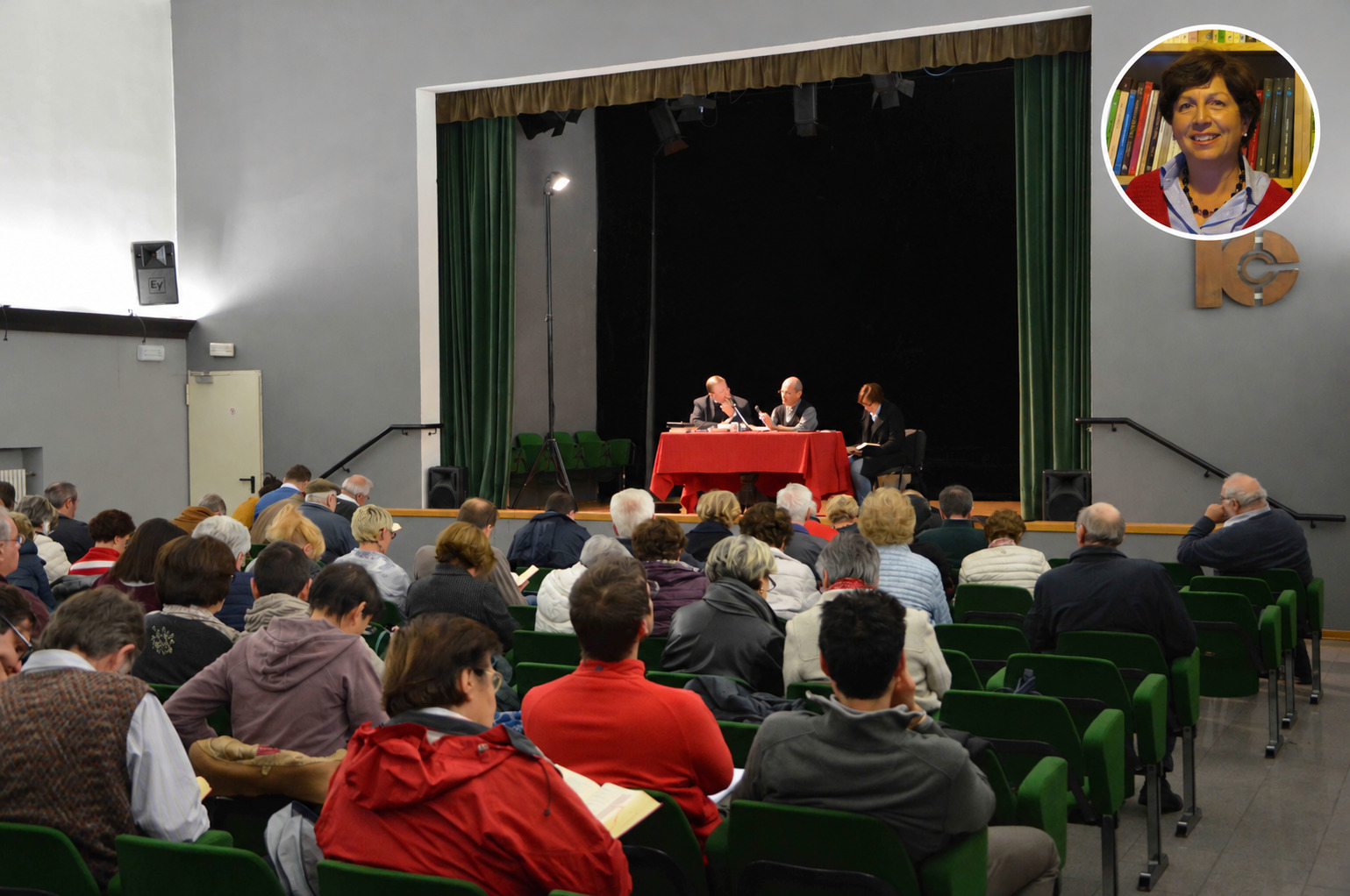
Ruth, Tobit, Esther, and Judith: not one but four books of the Old Testament —ones that aren’t usually read very often—will be the focus of attention, discussion, and in-depth study during this year’s sessions at the Diocesan Bible School of Venice. “Often considered ‘minor books’ because of their brevity,” writes Director Fr. Mauro Deppieri, “they are true literary and theological masterpieces, capable of speaking with extraordinary relevance to our daily lives. In a world dominated by men, Ruth, Esther, and Judith stand out for their courage, their political acumen, their unshakable faith, and their ability to change the course of history. And the Book of Tobit shows the power of daily fidelity within family relationships. Unlike other great books, here God acts in silence through the free choices, generosity, and determination of human beings. These texts address issues of burning relevance today: welcoming the stranger and integration (Ruth); the value of family bonds, care, and support in times of darkness (Tobit); and resistance against injustice and the abuse of power (Esther and Judith).” As is tradition, the new academic year of the Bible School began with a series of introductory sessions led by biblical scholar Donatella Scaiola, vice president of the Italian Biblical Association. For her, it was a particularly fitting choice to dedicate a year to seriously exploring four Old Testament books that are not very well known and, moreover, rarely used in the liturgy. “These are very interesting texts that contain elements of great relevance today.” For the vice president of the Italian Biblical Association, the women who are the protagonists of some of these books will offer many significant insights. The title of the first lecture—“A Stranger Among Us”—already says a lot:“Ruth is a foreigner; she is a Moabite who moves to Bethlehem and later becomes the wife of Boaz and, thus, the ancestor of King David. Esther, on the other hand, is a Jewish woman living at the court of a foreign king. Both are outsiders within their respective contexts. And yet both are agents of liberation. Ruth becomes one for her family—first and foremost for Naomi, her mother-in-law, and then also for Boaz, to whom she will bear a son. She thus liberates them from a situation of mourning and poverty. Esther is, in a sense, a queen who could have lived in seclusion but instead decides—as we would say today—to step into the fray, that is, to put her life at risk to save her people, who are threatened with extermination. “The outsider, the foreigner—here, rather than being a problem, becomes a resource, both at the family level and for the people as a whole.”
Superficial or Deep Vein Thrombosis: Is There a Big Difference?
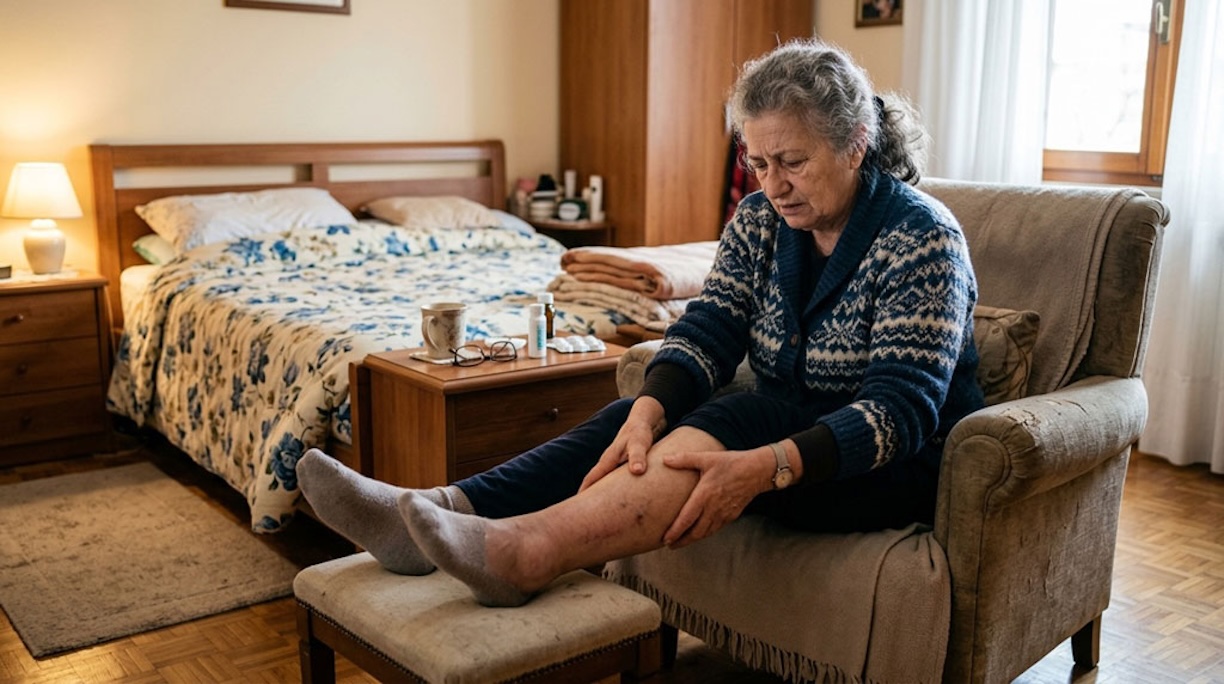
One of the hottest summers in history is thankfully over, and the autumn rains are already on the horizon. There were some very hot days during which we saw many patients with venous thrombosis and pulmonary embolisms. I may be wrong, but one factor that likely played a role—and should not be overlooked—is dehydration: many people didn’t drink enough given the high temperatures they were exposed to. Hence my advice for next year: please make sure to stay properly hydrated—for many reasons, but also to prevent thrombosis.
Speaking of thrombosis, when I talk to patients who have varicose veins, they often tell me that they themselves or their family members—mother, father, grandparents—have had a venous thrombosis. Then, by asking a series of specific questions, I’m able to determine that the thromboses occurred in varicose veins and were superficial.
Is this important? Yes, very much so. A patient who already has varicose veins has an increased risk of deep vein thrombosis or pulmonary embolism, but this risk is still very low, although it is higher than in people who do not have varicose veins. The risk of developing thromboembolism increases if we have superficial thrombosis in varicose veins, but we are still a long way from the rates seen in cases of deep vein thrombosis.
When discussing deep vein thrombosis, we must distinguish the underlying cause. If, for example, we have had a pulmonary thrombosis or embolism following a major event, such as orthopedic surgery, the likelihood of a recurrence is low. Patients, on the other hand, who have developed a thrombosis without an apparent cause have a much higher risk of experiencing another one.
Barrier-Free St. Mark’s: Accessibility Tests for Everyone
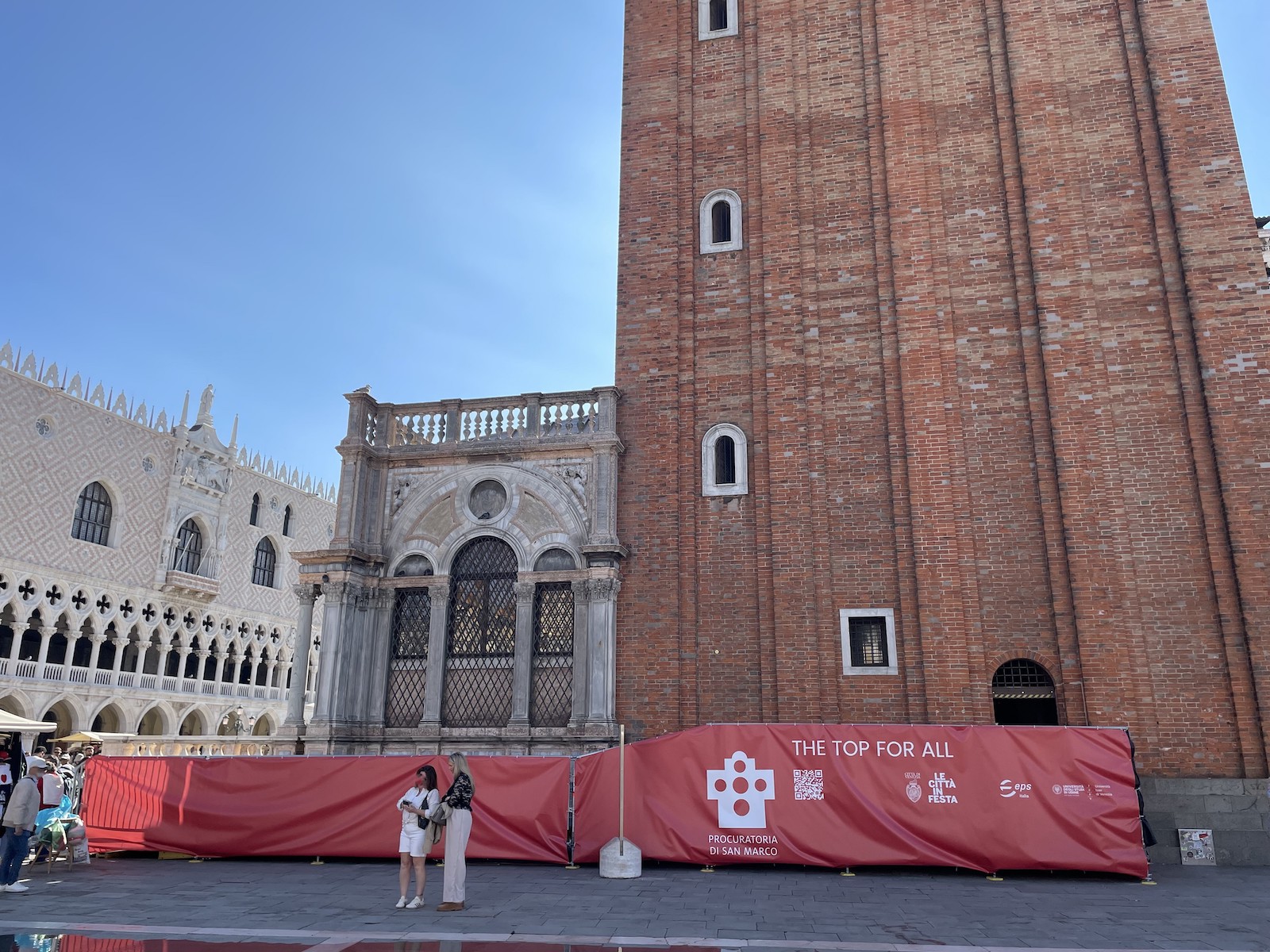
Making beauty accessible to everyone, while respecting the history and identity of the monuments. This is the goal of “Venezia accogliente,” the two-year strategic project promoted by the Council of the Procuratoria of St. Mark’s to improve accessibility to the Basilica and the Bell Tower for people with motor and sensory disabilities. A significant milestone in this effort will be “The Top for All,” an initiative running from October 10 to 18 that will allow people with limited mobility and those using manual or electric wheelchairs to independently reach the access level for the “Paron de Casa” elevator, which can accommodate two people at a time. To overcome the elevation difference, a special mobile ramp has been temporarily installed on the right side of the loggetta, next to the regular entrance, and will remain in place for the entire current week. Access will be available during regular opening hours— from 9:30 a.m. to 8:00 p.m.—without the need for a reservation, and will be free of charge for both people with disabilities and one accompanying person. The ramp was made possible thanks to a contribution from the company Eps, as part of an initiative in which the Patriarchate also collaborated (information available at: www.basilicasanmarco.it/the-top-for-all/). The topic of accessibility will also take center stage on Saturday, the 17th, with a new edition of “Venezia a 4 ruote by night, ” an event dedicated to children and young people with spinal muscular atrophy, a rare genetic disorder that requires the use of a wheelchair. Sponsored by the IRCCS Cà Granda Ospedale Maggiore Policlinico Foundation in Milan, the initiative involves—among others—the Italian Navy, the City of Venice, the Procuratoria, ACTV, and Civil Protection, along with various associations. At 5:30 p.m. in St. Mark’s Square, Patriarch Francesco Moraglia, Mayor Simone Venturini, and the Chief Procurator, Attorney Bruno Barel, will welcome the participants. This event is designed to offer young people the opportunity to explore the “City of Water,” reaffirming everyone’s right to learn about and deepen their understanding of the rich cultural and artistic heritage that shapes its history.
From Kenya to Venice: 17 young people will work as sanitation workers
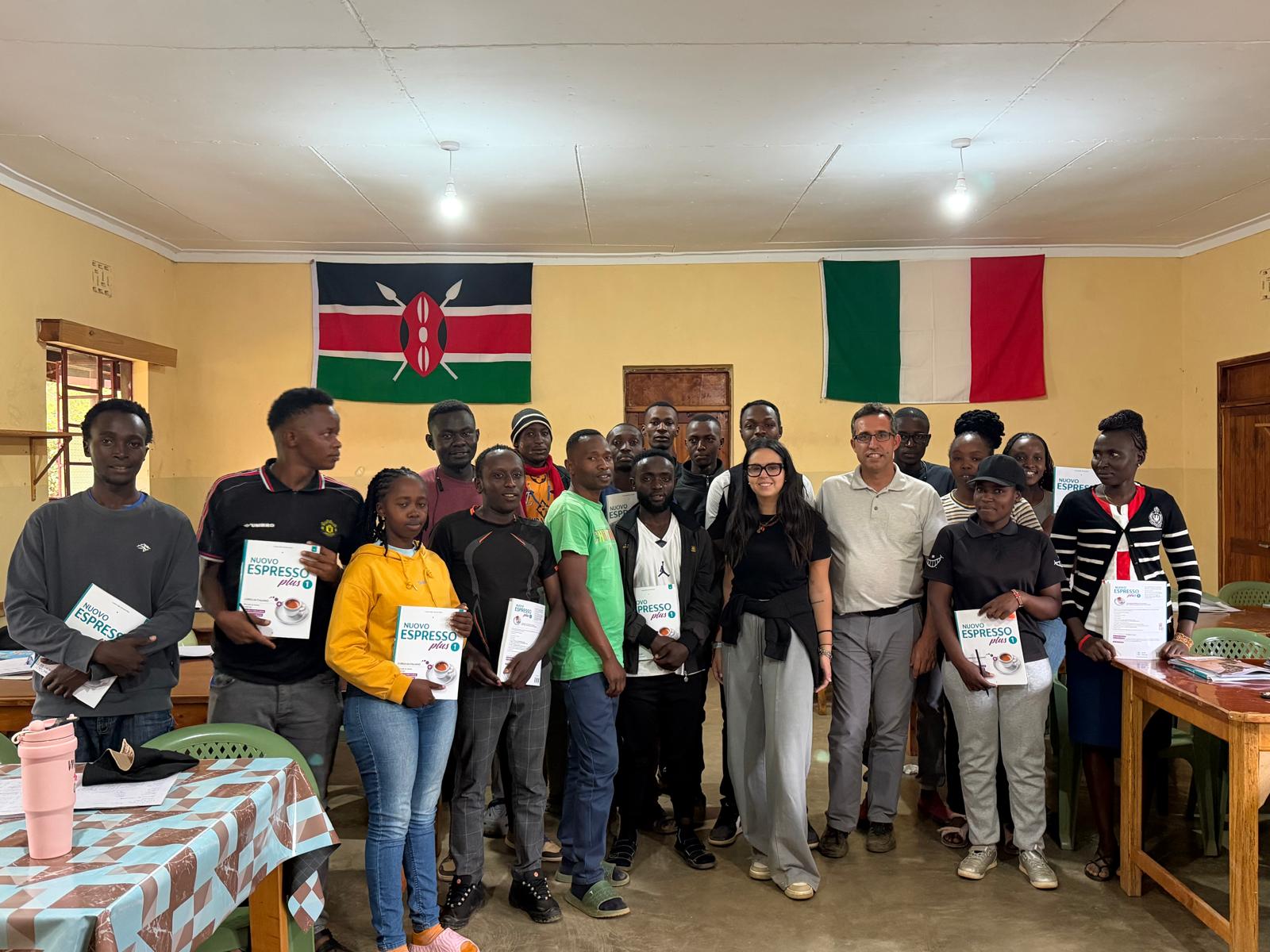
An ethical and lawful way to facilitate the entry of foreign workers into Italy, through training in their country of origin and a process of reception and integration. This is the goal of “Kenya: people, skills, work,” the project presented Wednesday at the Eurointerim headquarters in Padua, which involves Eurointerim, Veritas, and Caritas Veneziana. with the goal of addressing the challenge of recruiting staff for environmental services—particularly in waste collection—and offering new career opportunities to young Kenyans.
The program will begin in Ol Moran, Kenya, at the mission of the Patriarchate of Venice led by the Venetian priest Father Giacomo Basso. Here, at the Saint Mark Institute, the 17 participants will prepare for their move to Italy by acquiring the necessary professional skills, as well as the linguistic, civic, and cultural knowledge needed to navigate their new living and working environment.
“We believe that preparing participants in their country of origin—through vocational, language, and civic training—is essential to fostering an informed and sustainable integration into Italian society,” emphasizes Luigi Sposato, president of Eurointerim Spa. “The hope,” he adds, “is that this experience can become a replicable model, based on training, the rule of law, and the dignity of work.”
The program, organized by Eurointerim Servizi Srl at the Saint Mark Institute, includes 160 hours of training: 100 hours of Italian language instruction to reach level A1, 24 hours of civic education and Italian culture, 28 hours of technical and professional training for waste collection workers, four hours of general safety training, and another four hours dedicated to the rights and duties of temporary agency workers.
The training program. The classes for the 17 current candidates will cover topics such as separate waste collection, environmental regulations, manual and mechanized collection techniques, and operational procedures. The civic education component, on the other hand, will cover elements of the Constitution, labor law, the organization of the state, and the rules of coexistence. At the end of the program, participants will take the A1-level Italian language certification exam in Nairobi, administered by the University for Foreigners of Perugia.
The project involves a process that supports workers from the selection phase through to their professional and social integration. Veritas, which has identified staffing needs, will integrate them into its operations through temporary staffing contracts arranged by Eurointerim Spa and will provide a cultural mediator to facilitate their transition into the workforce.
Eurointerim will handle the selection process and the administrative procedures required for legal entry into Italy, as part of the planned immigration flows provided for, in particular, by Law 50/2023 (known as the Cutro Decree), which provides funding for vocational and civic-linguistic training programs abroad, ensuring that participants are placed in temporary employment for at least the first year. Eurointerim Servizi will oversee the initial training and any subsequent professional development.
Caritas Veneziana will be responsible for supporting reception and integration efforts by providing furnished and equipped housing and serving as a point of contact during the initial phase of their stay.
Permanent Deacons: The First Ordination in Venice 40 Years Ago
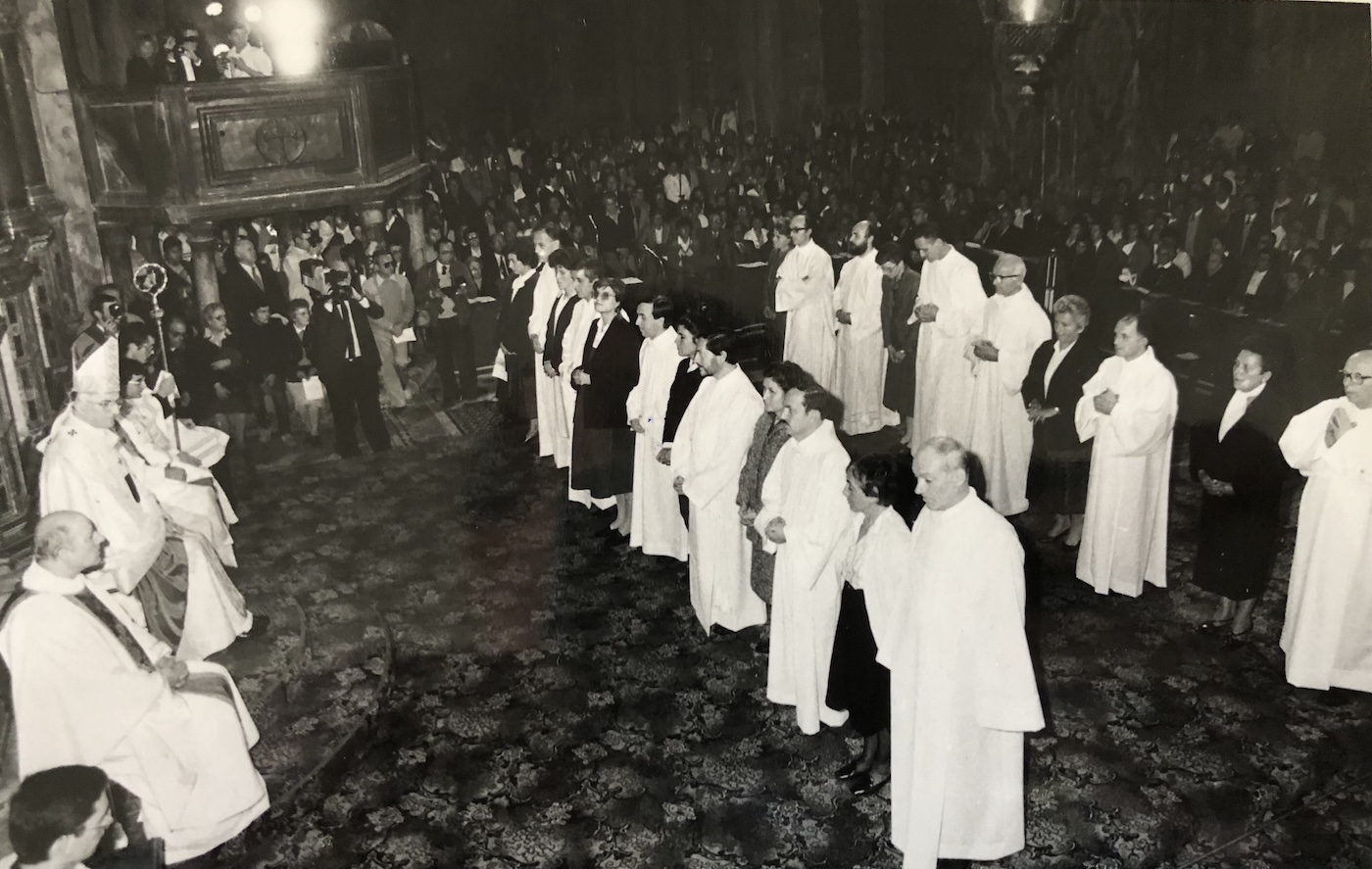
It has been 40 years since that Saturday afternoon, October 18, 1986—the feast of St. Luke—when Patriarch Marco Cè ordained the first twelve deacons in St. Mark’s Basilica, thereby implementing in Venice as well one of the innovations of the Second Vatican Council: the restoration of the diaconate as a stable and permanent ministry in the Church—no longer merely a stepping stone to the priesthood—and, furthermore, the possibility of conferring it on married men.
Among others, the Vicar General, Monsignor Giuseppe Visentin, and the theologian Father Nini Barbato—who are responsible for the formation of deacons—also participated in the concelebration. Of the first twelve deacons, six are celebrating this anniversary in heaven: Bepi Pistolato (who passed away on Wednesday, October 14), Antonio Maschietto, Ilario Albertini, Arturo Pedrazzi, Antonio Dariol, and Gianni Ferraresi, who, as a member of the Diocesan Pastoral Council immediately following Patriarch Marco Cé’s arrival in Venice, actively collaborated in the restoration of the permanent diaconate in our diocese. Here are the other seven deacons: Giuseppe Pistolato, Antonio Sinatora, Benito Colecchia, Matteo Bognolo, Gino Cintolo, Sergio Sabbadin, and Tiziano Scatto.
Belluno Dolomites: Mammal Census Begins—Citizens Take the Lead in the Research

Knowledge for Conservation. This is the guiding principle behind the project to create the first Atlas of Mammals of the Belluno Dolomites National Park, a three-year initiative launched in February 2025 to deepen our understanding of the protected area’s fauna and improve the tools available for biodiversity conservation. The initiative stems from an agreement between the Belluno Dolomites National Park and the Department of Environmental Sciences, Informatics, and Statistics at Ca’ Foscari University, in collaboration with the Giancarlo Ligabue Museum of Natural History. The goal is to collect and organize information on the species present, supplement existing knowledge with new field surveys, and publish a volume featuring texts, maps, and descriptive fact sheets. This project is divided into three phases: the retrieval and analysis of existing data, the collection of new information through targeted monitoring, and, finally, the creation of the Atlas itself. The result will be a scientific tool available to specialists, but also a resource for the general public—including citizens, hikers, enthusiasts, and the curious—who are invited to actively participate in this journey of discovery. “Research and monitoring activities are among the most important in the protected area, because the conservation of our natural heritage is all the more effective the more precise and detailed our knowledge is,” emphasizes Park Commissioner Ennio Vigne. The project will make it possible to bring together the information already gathered into a comprehensive framework, to deepen the study of less-studied species, and to disseminate up-to-date and scientifically rigorous data. This initiative, Vigne adds, continues the long-standing collaboration between the Park and the academic and museum communities.

