
Nicola Camporiondo, the digital missionary who brings young people closer to the faith
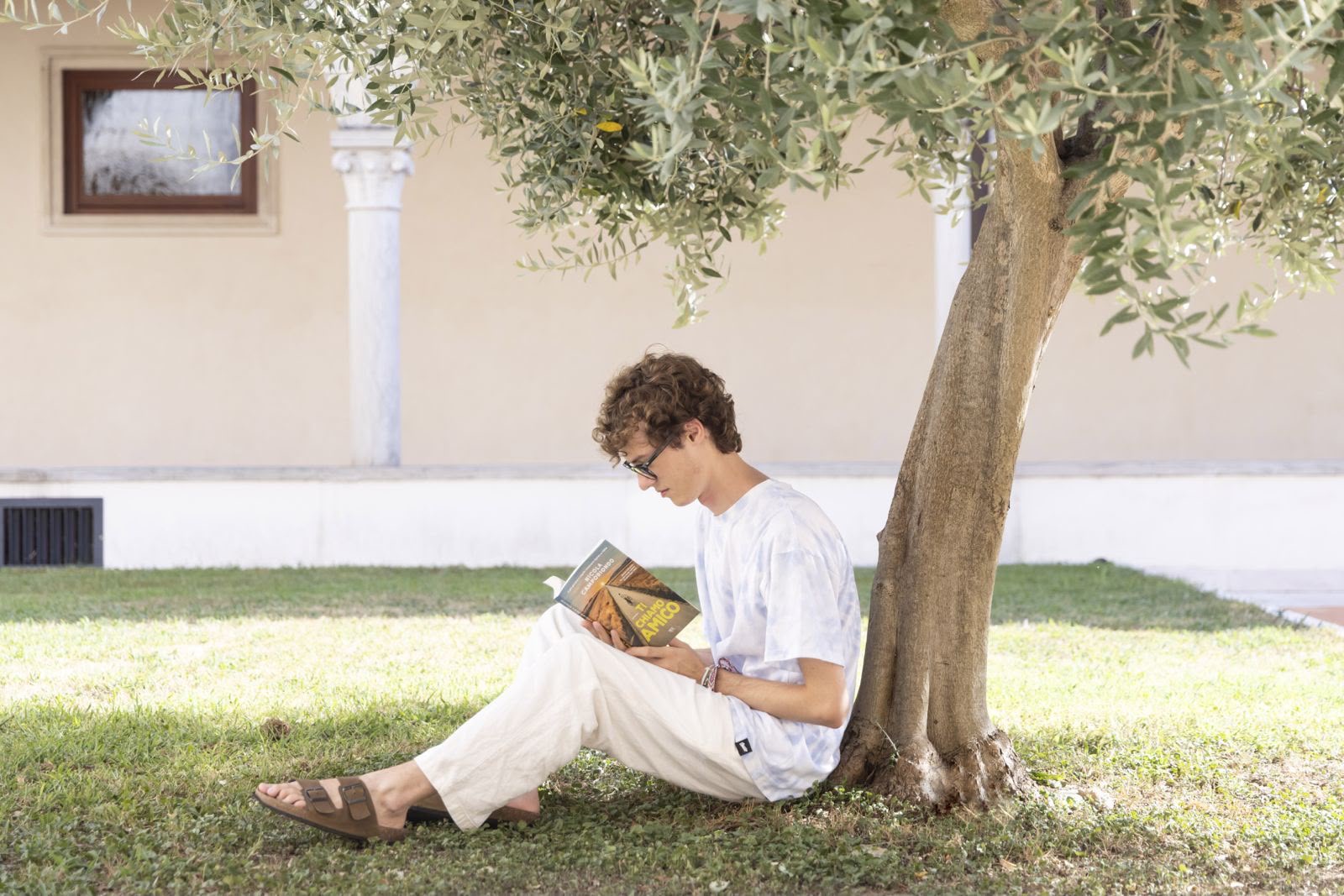
Nicola Camporiondo, who will turn 21 in December, has chosen to bring the Gospel to the place where young people spend most of their time these days: on social media. Born in the province of Vicenza (in Lonigo) and a theology student in Padua, he has been a digital missionary since 2022. He is convinced that even through a screen, it is possible to spark questions, open up new paths and bring people closer to the faith. But his mission is not confined to the virtual world. The content he shares aims, in fact, to help people rediscover the value of meeting others, listening and feeling part of a community. It was he who shared his testimony on Sunday 22 November in Venice with the young people of the diocese who took part in the pilgrimage to the Madonna della Salute, inviting them to bear witness, through their own lives, to their personal encounter with God. Nicola evangelises through social media – with nearly 15,000 followers on Instagram and around 160,000 on TikTok – by creating videos that very often prompt questions and a desire for discussion amongst his followers. He comes from a practising Catholic family who, from a very young age, helped him to experience life within his local parish, where he received the sacraments. But the real spiritual turning point came with the pandemic, when everything came to a standstill and the young man felt the need to be embraced – perhaps truly for the first time, or at least in a more conscious way – by his faith. Hence the question, from which the videos posted on social media were born: how can we get people talking about God? During his teenage years, Nicola gradually drifted away from the faith he had grown up with at home, only to find himself facing two particularly difficult periods: a serious illness in the family and his final year of secondary school. It was precisely from these difficulties, as the young man himself testifies, that the crisis arose, and from the crisis came a question that led him to embrace the faith anew.
Nicola, who is a digital missionary?
It is someone who, through the new means of communication at our disposal, shares the Gospel and their experience of faith and the Church in its various forms: a priest through his vocation, a layperson through their relationship with God – which is, in fact, what I personally try to do.
What are the needs of young people today?
They need to be listened to and they need healthy role models (of which there are currently very few). They need people who are well-prepared and aware, ready to make themselves available to them and to listen to their needs.
What advantage do social media have, in conveying a certain type of message, compared to more traditional methods?
The Church is currently facing a great deal of prejudice from the younger generations, even though their search for meaning has never ceased – it is part of being human. Compared to the past, it is more difficult to turn to a priest: when in need, a young person is unlikely to knock on the rectory door. As a result, there are issues – specifically those related to faith – that often remain unaddressed by them: they no longer have figures with whom to engage. This is where social media can prove to be a valuable tool, although we must not forget that the relationship formed behind a screen can never be compared to one in person. In short, social media offers the chance to connect with a section of the population who would otherwise not set foot in a church to find answers to their questions. All of this, however, is intended to serve as a catalyst for a subsequent, face-to-face meeting.
You mention prejudices; which ones do you encounter most frequently?
The Church’s institutional role tends to be criticised. People fail to distinguish between this and its spiritual role. Another prejudice stems from the idea that faith is something of the ‘past’, belonging to older generations, and that life can be lived without it. Those who say they believe because they are afraid of hell are clearly practising a rather frivolous form of faith. I’m also thinking of those who argue that it isn’t necessary to believe in Heaven to do good deeds. Of course that’s true, but faith nonetheless adds extra value to what we do. Often it’s also a matter of religious ignorance – which affects adults too – that is profound and widespread.
Does the world today make you feel uneasy?
A little, yes. I don’t think anyone can feel completely at ease when faced with certain situations. I’m thinking, for example, of artificial intelligence: if not properly understood, in the years to come it could genuinely pose a risk, both on a global scale and for individuals. Young people today often grow up in disastrous family situations; they are increasingly put to the test. I remain hopeful, however; all is not lost. If everyone, in their own small way, tends their own little patch, together with others we can create a large garden. Let’s hope that each of us, deep down, is aware of this: from grandparents and parents right up to the highest echelons of our society.
We experience the risks associated with social media first-hand every day. How can we avoid crossing the line?
The balance is, in fact, a very fine one, in the sense that we need to understand why a person looks at and uses social media. In my case, I do so guided by a set of values aimed at sharing something positive and, at the same time, I am aware that my life does not end within a screen. The risk is being born with a mobile phone practically glued to your hand and growing up convinced that the outside world is merely an afterthought, when in fact the opposite is true. It is the moment we lose this certainty that our existence begins to waver and falter.
In the absence of concrete points of reference, there are those who rely on AI to find answers to their existential questions.
That’s true. Yes, it can provide good answers too, but we must bear in mind that AI lacks human experience, so it has its own limitations. It may say the right things, but the response from a person with ‘real-life experience’ can never be the same or have the same depth as that of an algorithm.
Social media on the one hand, print media on the other: I’m referring to the book you’ve written, *Ti chiamo amico* (Rizzoli, 2026). Why did you make this choice, which seems to go in the opposite direction to the path you’ve followed so far?
At first I was sceptical, but then I gave it some thought. Through my content, I try to convey a very important and profound message – namely, faith – via a video lasting about thirty seconds (the shorter they are, the more people are drawn in). I asked myself, why not convey this whole system of values through the pages of a book as well? In written form, what I try to communicate in 30 seconds allows me to engage the reader in a more dynamic and profound way.
Any other projects in mind?
At the moment, my main focus is on graduating (laughs, ed.). My next publication? My degree thesis. I won’t be writing anything else before that. Juggling my studies with writing my first book and the social media content I share has been quite a challenge. Once I’ve graduated, we’ll see.
Climate and COP 31: diplomacy comes to a standstill when it comes to fossil fuels

COP31 – the 31st annual Conference of the Parties to the United Nations Framework Convention on Climate Change (UNFCCC) – concluded in Antalya, Turkey, on 22 November 2026, following two weeks of negotiations and nearly fifty hours of additional discussions that dragged on due to a deadlock over the political agreement, which could not be reached: the deep divisions in governments’ positions on the energy transition and, above all, the resistance of hydrocarbon-producing countries, led by the Saudi bloc, prevented the adoption of the so-called Cover Decision, the key political document anticipated as the Antalya Pact.
With the initial ambitions to establish decisive energy policies to prevent global average temperatures from exceeding the 1.5°C threshold having been watered down, the latest draft of the agreement presented by the Turkish-Australian presidency was now devoid of any explicit reference to the transition away from fossil fuels, the phasing out of fossil fuels (unanimously recognised by the scientific community as the primary source of climate-altering gas emissions in energy production), which had been painstakingly enshrined at COP28 in Dubai in 2023.
Faced with the prospect of such an unacceptable concession, and with a proposal also emerging to include a specific target for carbon capture and storage – a practice that is in itself desirable, provided we had the technology to implement it on a large scale, but here serving merely to provide a convenient excuse to continue expanding fossil fuel production – over ninety countries, led by the European Union, together with the United Kingdom, Norway, Switzerland, developing countries and the small island states of the Pacific and the Caribbean, chose to reject the text rather than endorse a meaningless and, in effect, useless agreement.
In Venice, ancient anatomy volumes: the forerunners of pop-up books
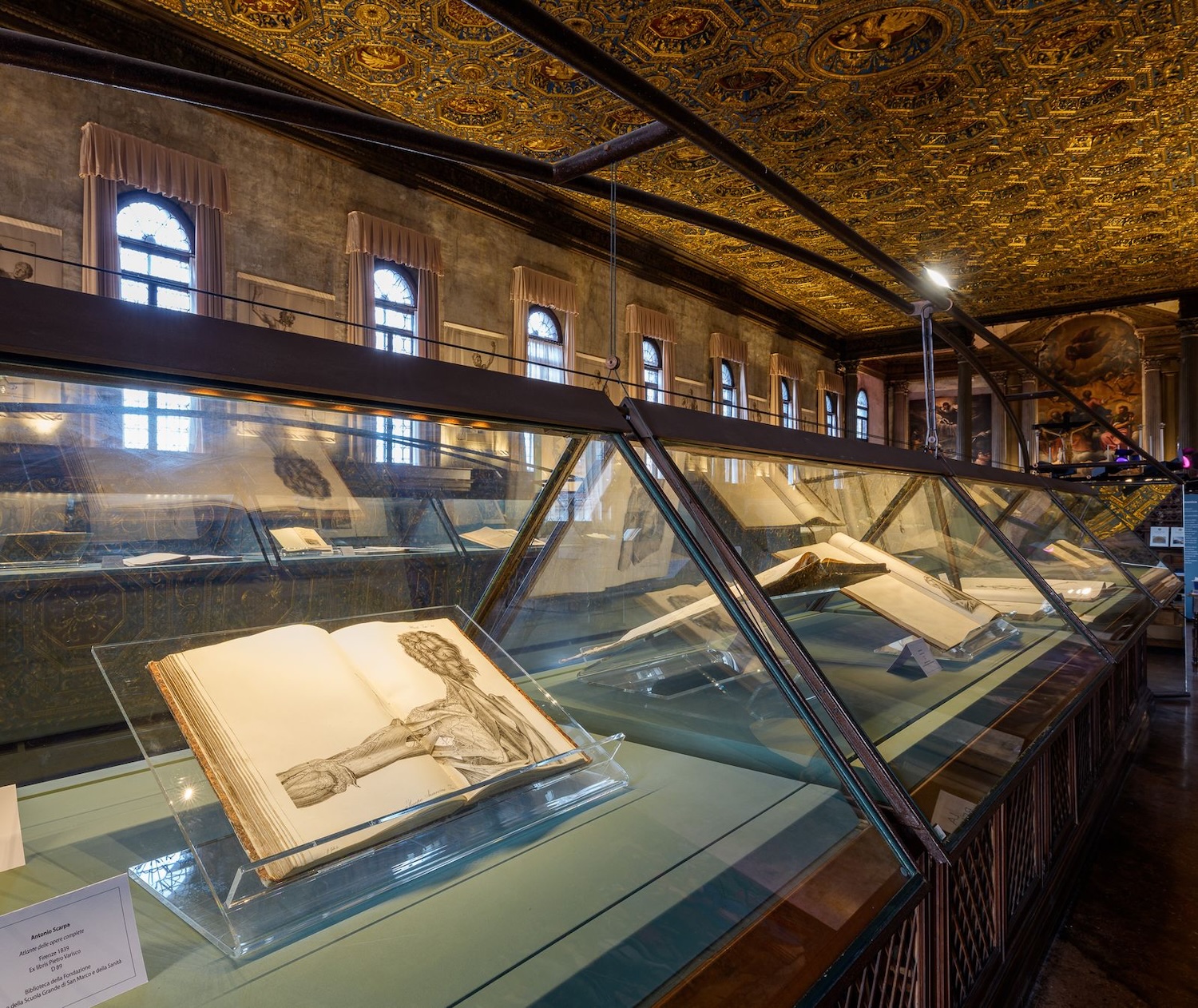
It depicts the interior of a pregnant woman’s womb, showing the foetus first sitting upright and then curled up, already in a head-down position, ready for birth. These are the images featured in Pietro da Cortona’s *Tabulae anatomicae*, the first to be encountered in the exhibition *‘Beauty that Heals. Anatomy and Art in the Ancient Books of the Scuola Grande di San Marco’, curated by Giovanni Capitanio, Giacomo Pistolato and Mario Po’, on display until 16 January in the Sala Capitolare of the Scuola Grande, as part of the Festival della Salute.
‘The monumental library of the Scuola Grande di San Marco now holds over twenty thousand medical volumes. Of these, some sixty are ancient anatomical atlases selected for the exhibition from a collection of 500 volumes dating from the 16th century to the present day, donated by various senior consultants who have worked at the Ospedale Civile. In fact, we have displayed around 10 per cent of the collection, given that a single title often corresponds to several volumes,” explained Dr Giovanni Capitanio, curator of the exhibition and Scientific Coordinator of the Fondazione Museo della Scuola Grande di San Marco e della Sanità.
The exhibition traces the journey of life, from images of birth to the memento mori, focusing on the dialogue between medicine and the pursuit of beauty, and promoting a broader discussion on personal wellbeing. The exhibition also features three paintings by Giambattista Pittoni (Venice 1687–1767), a leading figure in 18th-century Venetian painting and one of the foremost exponents of the Rococo style, who, together with Giambattista Tiepolo, was among the founders of the Academy of Fine Arts in Venice. ‘The canvases, depicting mythological subjects—namely Apollo, the sleeping Diana and Venus—come from the now-defunct Miari De Cumani collection in Padua. ’ explained art historian Andrea Donati, adding that they now belong to the Steven and Natalie Maksin Family Collection in Las Vegas, which has loaned them to the Fondazione della Scuola Grande di San Marco. “We have chosen to explore the ‘ratio salutis’, that is to say, the idea that the care of a sick body is in itself an act of beauty,” continued Mario Po’, director of the Foundation. “We are exploring the origins of anatomical representation, when body, mind and soul were considered a single entity.”
ULSS3 ‘Rete Aiuto Donna’: a website against violence
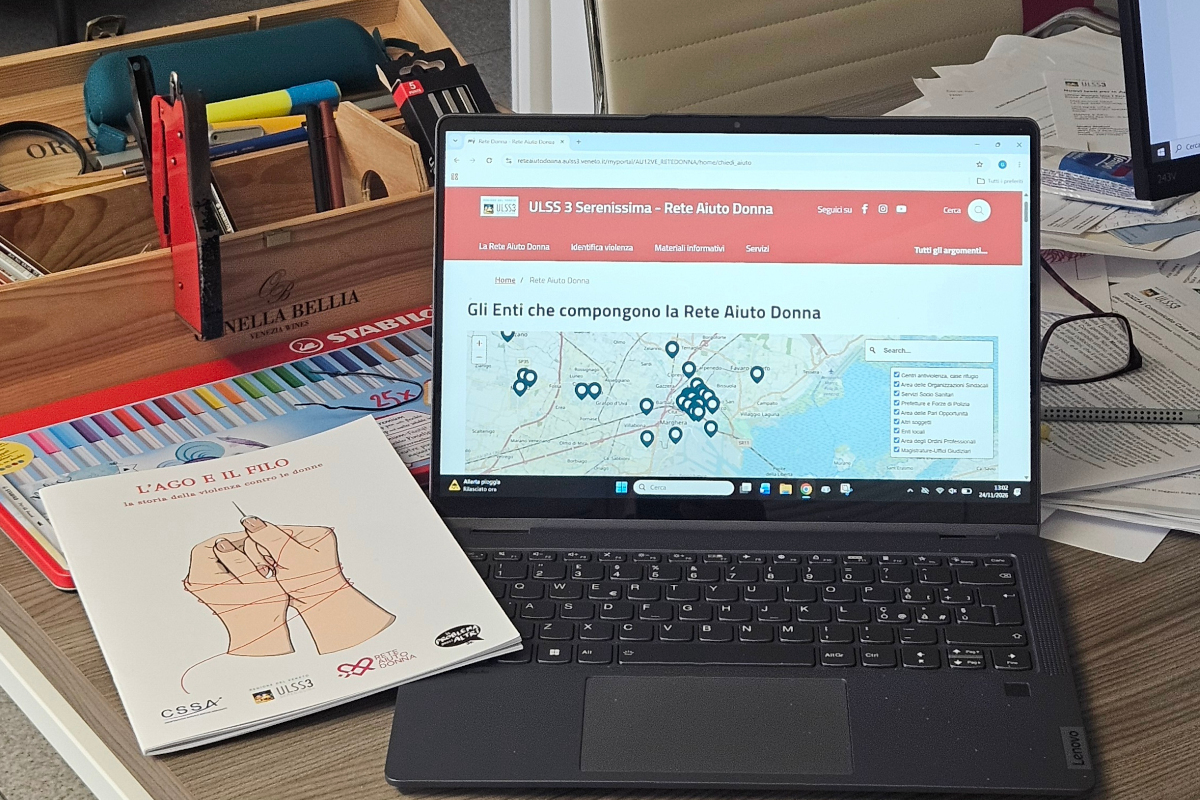
The revamped website www.reteaiutodonna.aulss3 was launched the day before 25 November, the International Day for the Elimination of Violence against Women.veneto.it contains all the useful information on the services available and how to access them within the ULSS3 Serenissima area covering Venice and its province. This multimedia resource is the result of the work carried out under the Network Protocol, promoted by the Region and signed by around 70 organisations from the public and private social sectors, with the aim of providing effective and timely responses to facilitate contact with the protection system.
ULSS3 Serenissima is leading the initiative through its participation in the steering group comprising its own social and health services, anti-violence centres and law enforcement agencies. “Gender-based violence is an increasingly urgent issue,” emphasises the Director of Social and Health Services, Antonio Maritati. “Disseminating information about the support network is becoming ever more crucial to overcoming the barriers to access faced by women trapped in violent relationships.”
Gen Rosso’s music captivates Venice: a celebration of peace and brotherhood at the Goldoni Theatre
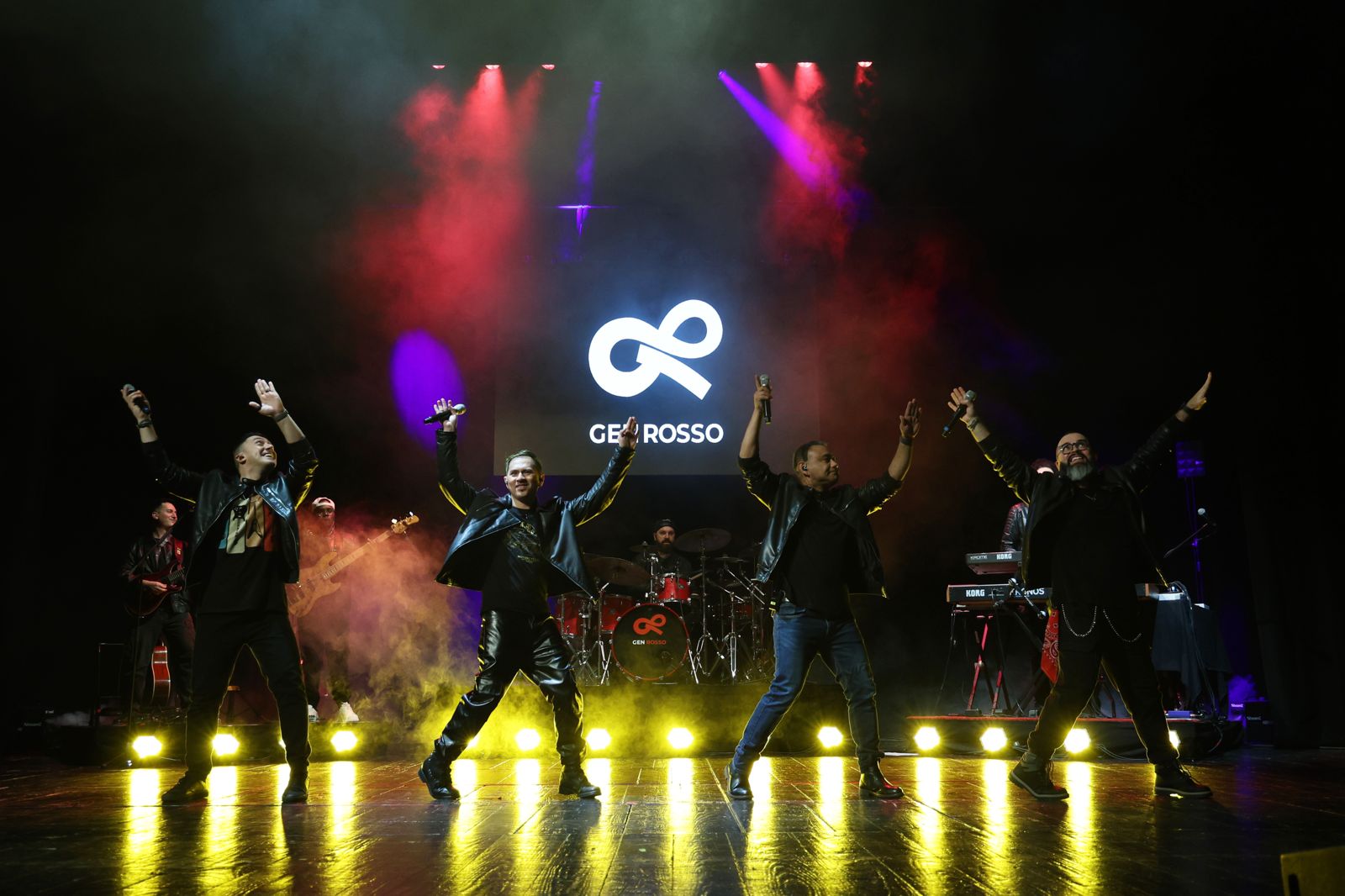
Venice welcomed Gen Rosso for the first time; on Sunday 22nd, they took centre stage for a musical debut in the lagoon that felt like a rendezvous with history. A concert that wove together music, emotion and memory, and which also marked the first step towards the celebrations for the famous international group’s sixty-year history. An important milestone, looking back to its origins whilst continuing to speak to the present, through a universal language: that of songs and sharing. The words – set to music and brought to the stage – are stories of life, invitations to look beyond oneself and rediscover the value of unity, peace, love and brotherhood. Beyond differences. Songs that span generations, capable of transforming everyday experiences into profound messages, to stir the conscience and leave room for hope, even in the most difficult moments. ‘We are thrilled and delighted to be here. We are in Veneto, which is ‘home’ to us. This evening is intended to be a journey through the history of the group – as Gen Rosso emphasised at the start of the show – but also through the history of each one of us. Our different nationalities (nine in total, including staff, ed.) are not a barrier, but a source of richness.”
Who will look after us, if not ourselves?
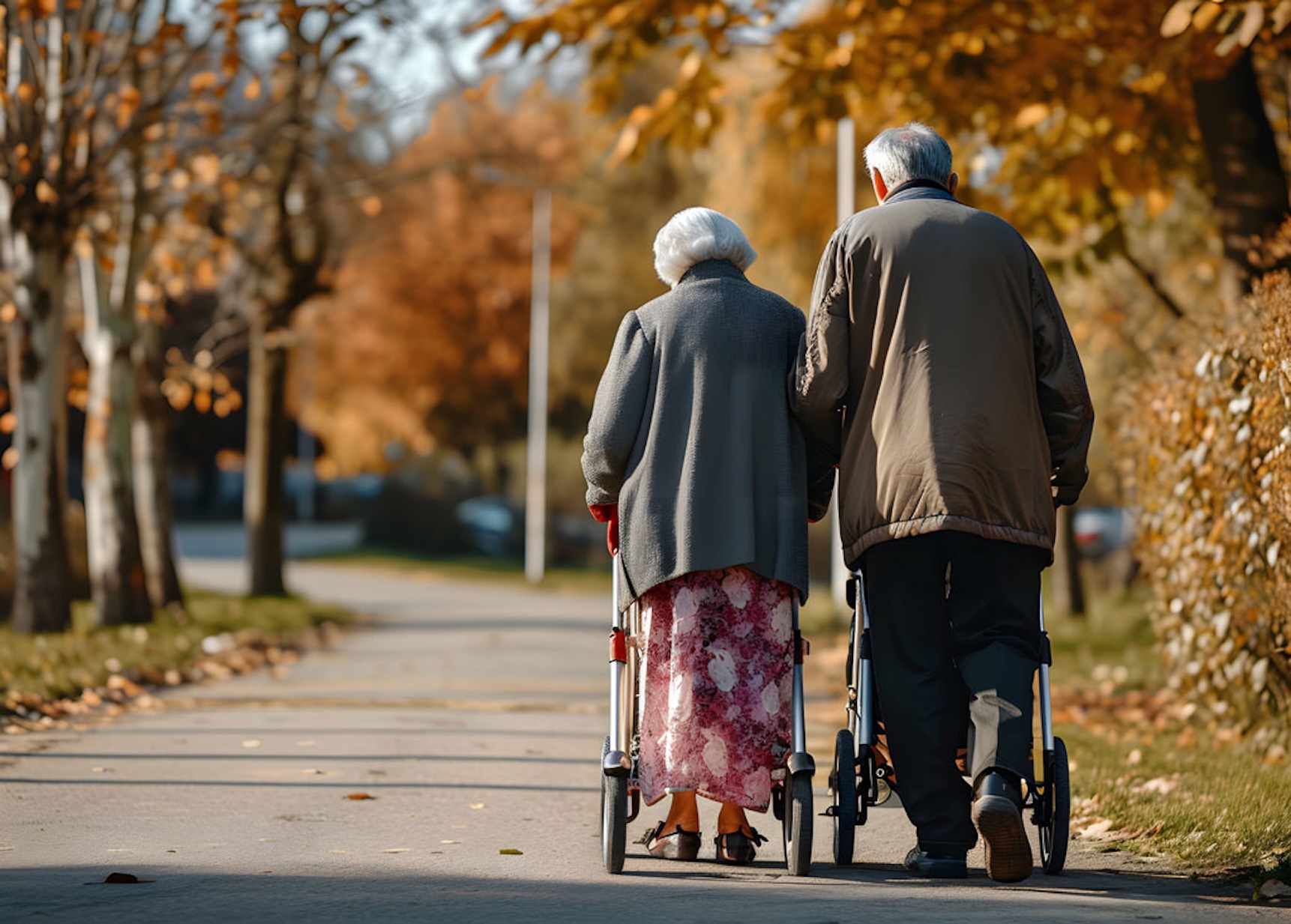
Have you ever found yourself saying, or heard someone say: ‘When we’re old, who will look after us? Certainly not our children …’? This question, with its somewhat sombre undertones, captures the demographic situation in our country, characterised, as we all know, by the inexorable rise in the proportion of the elderly population relative to the total population, if only because the birth rate is falling year on year: Italy is already a country of older people, and will be even more so in the near future.
The number of people aged over 65, which currently stands at 14,821,000, will rise to 16,441,000 by 2030, when they will account for 27.2 per cent of the entire Italian population. By 2050, those aged over 65 could account for 34.5 per cent of the total (today they make up 25 per cent), whilst those aged over 85 could rise from the current 4.3 per cent to 7 per cent.
The ratio of people of working age – that is, those aged between 15 and 64 – to those not of working age (0–14 and over 65) is also already falling significantly, dropping from around three to two in 2023 to around one to one in 2050.
Venetian Cuisine Rediscovered: One Hundred Recipes from the First Cookbook
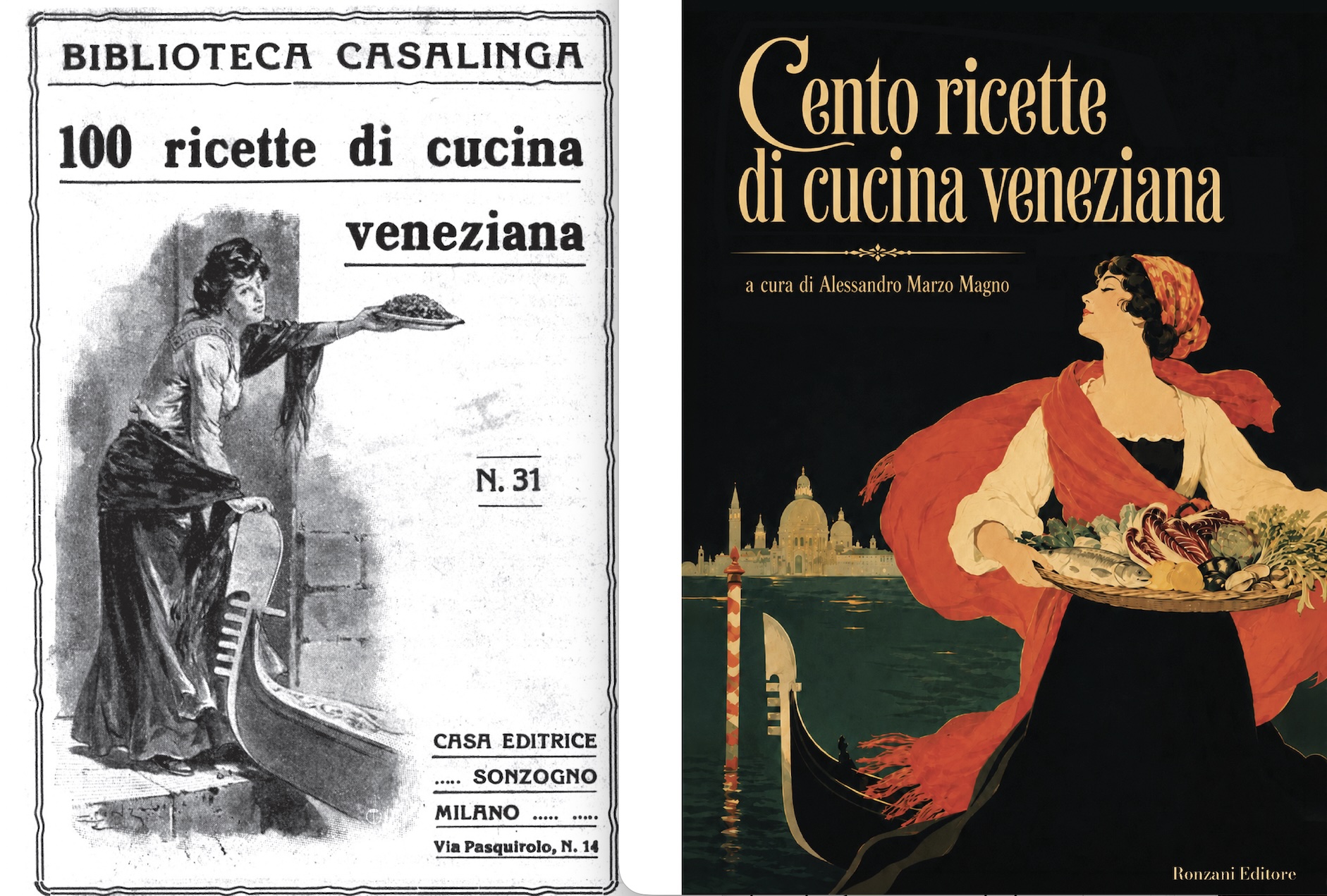
From the first printed Venetian cookbook, published in 1908, to traditional lagoon-region recipes that are now in danger of disappearing. The book, edited by Alessandro Marzo Magno for Ronzani Editore, traces half a millennium of gastronomic history and presents ten dishes that have been revived and adapted for contemporary cuisine.
Venetian cuisine is not limited to bigoli in sauce, liver with onions, sarde in saor and baccalà mantecato. Alongside the dishes that have become symbols of Venetian gastronomy lies a much broader repertoire, comprising everyday dishes, ingredients rarely used today, surprising combinations and recipes that reflect a way of eating linked to economic conditions, the seasons and family customs.
It is this heritage that *Cento ricette di cucina veneziana* (One Hundred Venetian Recipes), a book published by Ronzani Editore in October 2026 and edited by Alessandro Marzo Magno, aims to revive. The book is not simply a new recipe book dedicated to local tradition. It is also a historical study of the origins and evolution of Venetian cuisine, drawn from ancient texts, literary accounts and gastronomic publications. Above all, it offers an opportunity to discover just how much a city’s cuisine has changed over the centuries, even when certain names and dishes appear to have remained the same.
The Horses of St Mark: does a coin shed new light on the dating?
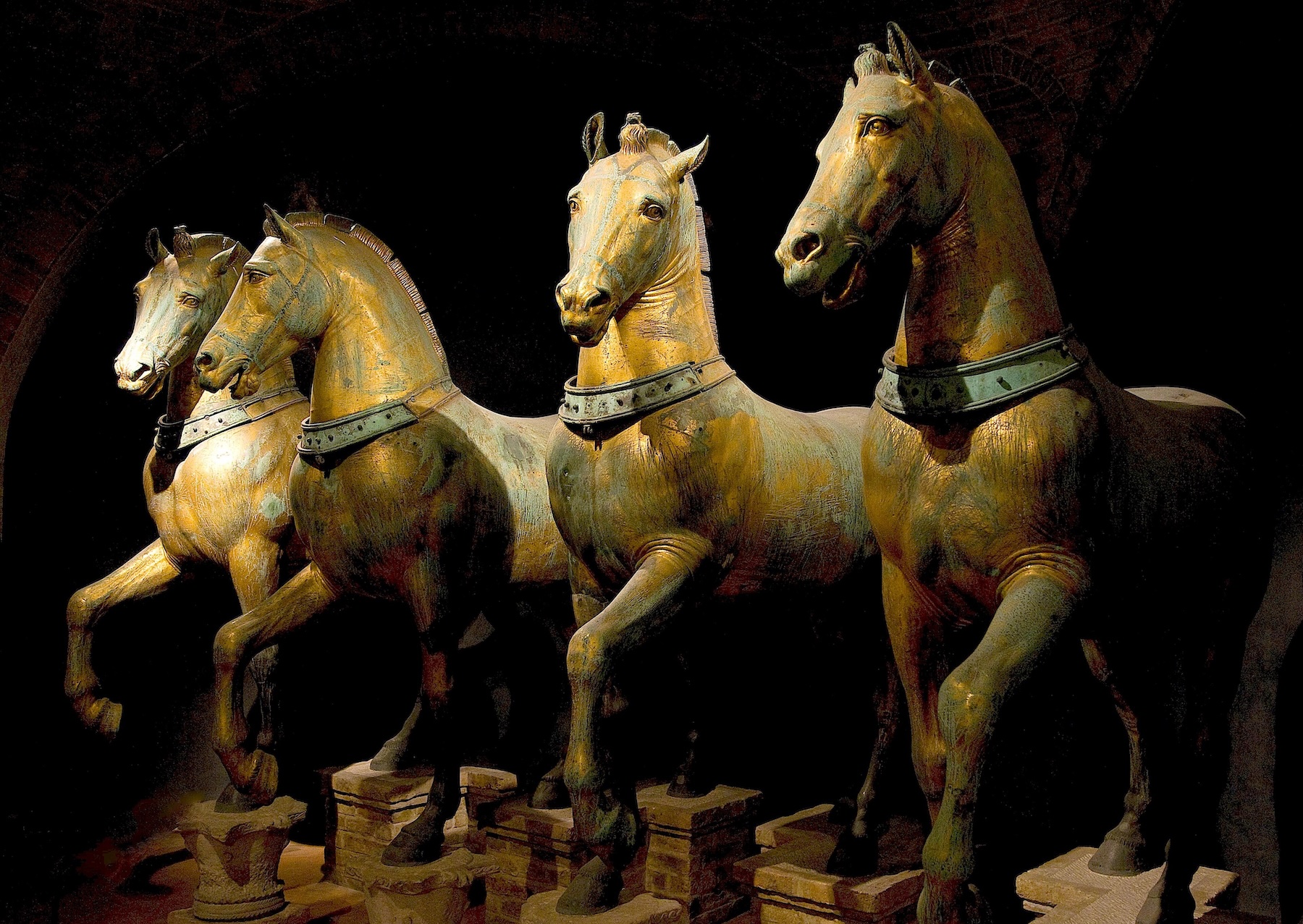
A Byzantine coin found in 1981 inside one of the horses has resurfaced from the deposits. The artefact, studied by three experts – Sara Bini, Bruno Callegher and Luigi Sperti – offers new clues as to the dating of the statues and reinforces the hypothesis that they were created between the 6th and 7th centuries AD.
Solidarity takes the form of young people: out on the streets, amongst the most marginalised, reaching out to those who are alone
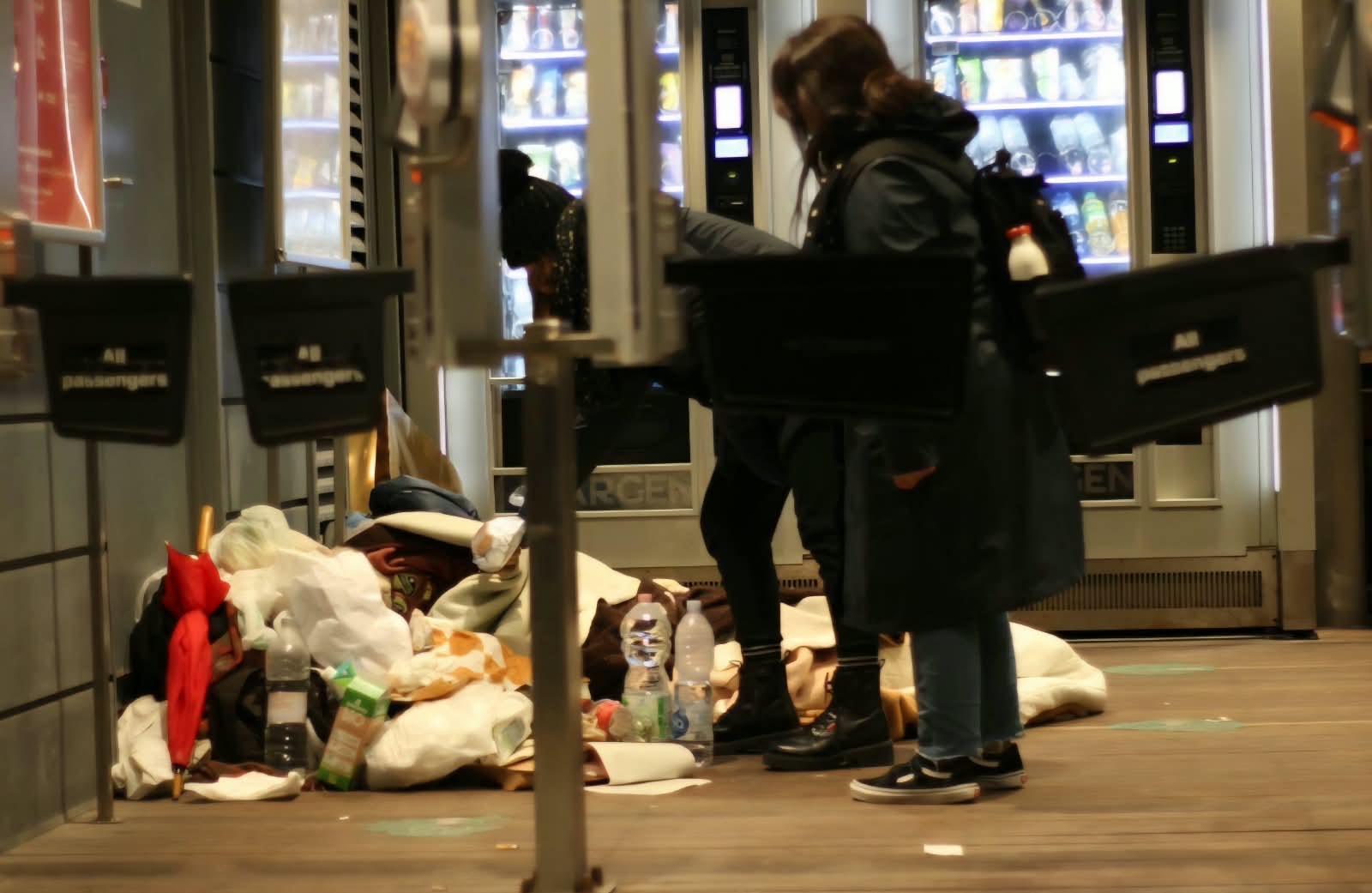
A hot meal, a bottle of water, a packet of crackers or some personal hygiene products. But above all, a smile, a few words exchanged, the chance to feel truly seen and listened to. This is the deeper meaning behind the initiative involving students from the Santa Fosca student residence (and others) in supporting homeless people in the local area. Every Monday evening, the volunteers meet at Santa Fosca itself, which makes its premises available as a base of operations. Items are collected from the storeroom – where a cupboard is set aside for the initiative – before the bags are prepared for distribution during the evening. One group makes its way through Venice – stopping at Strada Nova, Santa Lucia station and the Calatrava Bridge – whilst another group covers areas on the mainland such as Via Carducci, Piazzale Donatori di Sangue, Via Piave and Via Querini, Corso del Popolo and Via Cappuccina, as well as Mestre railway station. The items delivered to those in vulnerable circumstances come from the shelves of the Emporio della Solidarietà, coordinated by the ‘Corte del Forner’ association, with which the University Pastoral Centre (CPU) has signed an agreement: the agreement provides for the free distribution of essential goods to a maximum of fifty people, subject to the availability of food in stock. However, as Lucia Ceradini, the current manager of the Santa Fosca student residence, points out, ‘often a meal is merely an excuse to meet up, offer a smile and build a relationship’. The value of the initiative, in fact, goes far beyond the distribution of material goods. ‘A relationship is forged with these people, who eventually open up, confiding their problems and needs, such as the need for a doctor’s appointment or a warm jumper to protect themselves from the cold.’ The experience described here has, over time, managed to reinvent itself and attract new energy. This refers to the so-called Punto Pace, an organisation founded last year on the initiative of a group of university students living away from home, following a meaningful experience at Sermig in Turin. The aim is to bring the spirit of that initiative to the Lagoon as well, by listening to the needs of the local community and creating a network amongst the organisations already active in the field of solidarity. The young people from Punto Pace have also joined the Monday evening service, offering a valuable contribution in terms of coordination too. They have also developed further initiatives, including community dinners organised a couple of times a month, on Wednesdays, at the premises in Via Altobello, Mestre. This is a gesture that restores the central importance of hospitality and fellowship. These initiatives are run in partnership with Caritas Venezia, the Youth Ministry and the University Ministry. As this work has progressed, the involvement of the San Michele Students’ Hall in Mestre has also grown, with its students taking an active part, particularly in the community dinners. “These are experiences open to everyone, so much so that they have been promoted on several occasions to raise awareness amongst as many people as possible,” says Ceradini, explaining how the temporary nature of university life had initially raised fears that, with the departure of the most actively involved students, the service might suddenly come to an end. The opposite has happened, however: the arrival of new generations and the collaboration with Punto Pace have breathed new life into the initiative and ensured its full continuity, continuing to support those most in need. A genuine culture of service has thus taken root – a sort of ‘legacy’ that students completing their studies pass on to those who come after them. It is no coincidence that today it is mainly first-year students, who joined Santa Fosca this year, who are carrying on the Monday charity initiative. ‘It is an experience that is deeply enriching on a human level, as it offers a genuine opportunity to build relationships. A wonderful tradition,’ concludes Ceradini. Because, ultimately, solidarity is not merely about meeting a need, but about recognising in the other person someone with whom to share time, attention and dignity.

