

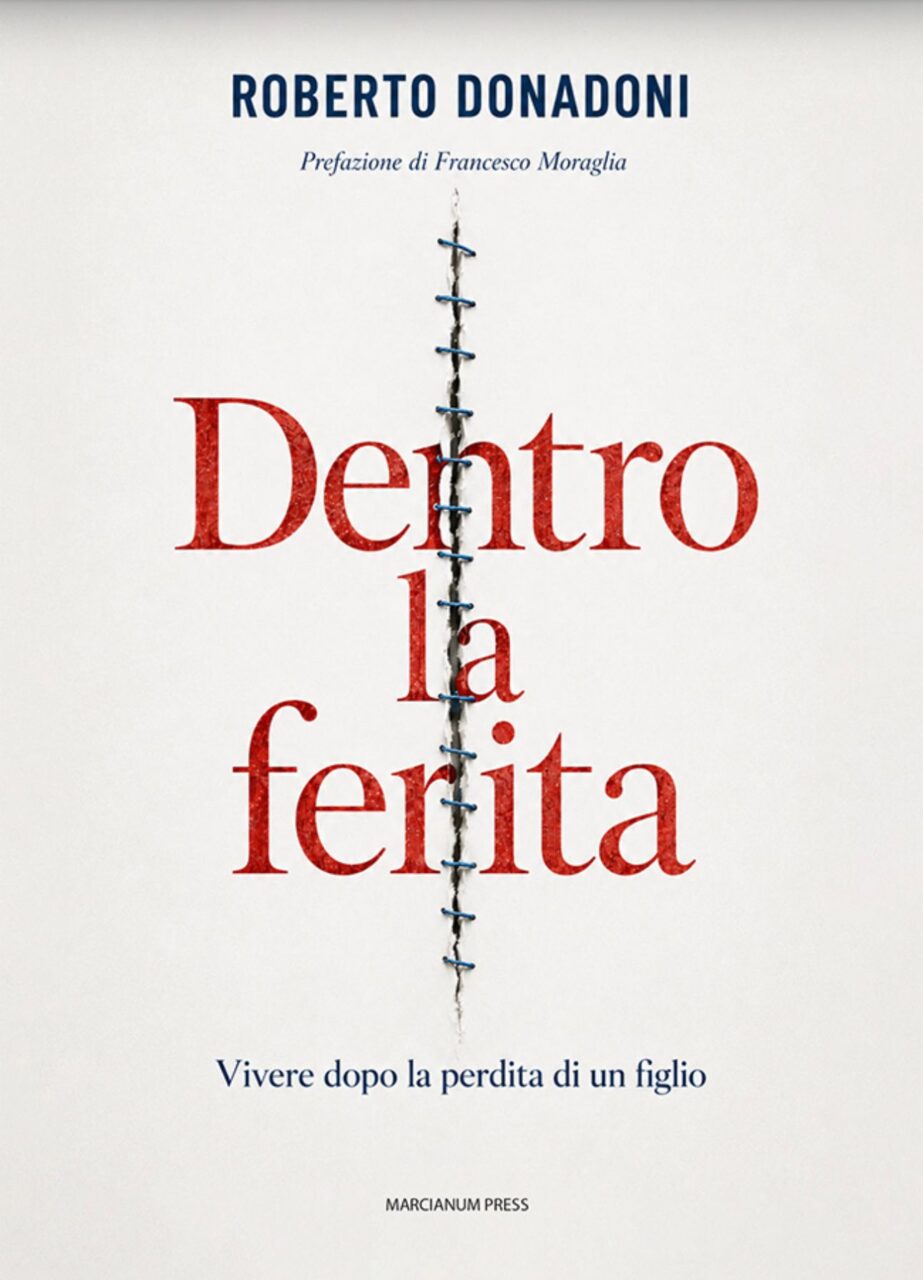
Mourning, remembrance, silence, the struggle to carry on living, and a sense of loss that defies immediate explanation: these are the central themes of a book that navigates between questions and inquiries. It does not force answers but opens the door to a space for listening and understanding. “It’s a book born from real-life experience. For about ten years, I’ve been walking alongside these parents,” explains Father Donadoni, “listening to stories that are all very different from one another. At our meetings, I offer some reflections, but above all, I listen. Because the primary task of a priest when faced with such situations is not to speak, but rather to listen. This is not a book about grief, but about the human person at the moment when they are deeply wounded. The loss of a child causes a particular kind of pain, because it contradicts the natural order of life. With their death, a part of the future—filled with plans and expectations—effectively vanishes.” For the parish priest, this grief is not something to be overcome (“it is not an illness from which one recovers”), but rather something that inevitably leads “to living differently, transforming the relationship with one’s child who is no longer here into memory, gratitude, and love.” The choice of the word “inside” for the title is no accident. “There are experiences that must be ‘lived through.’”
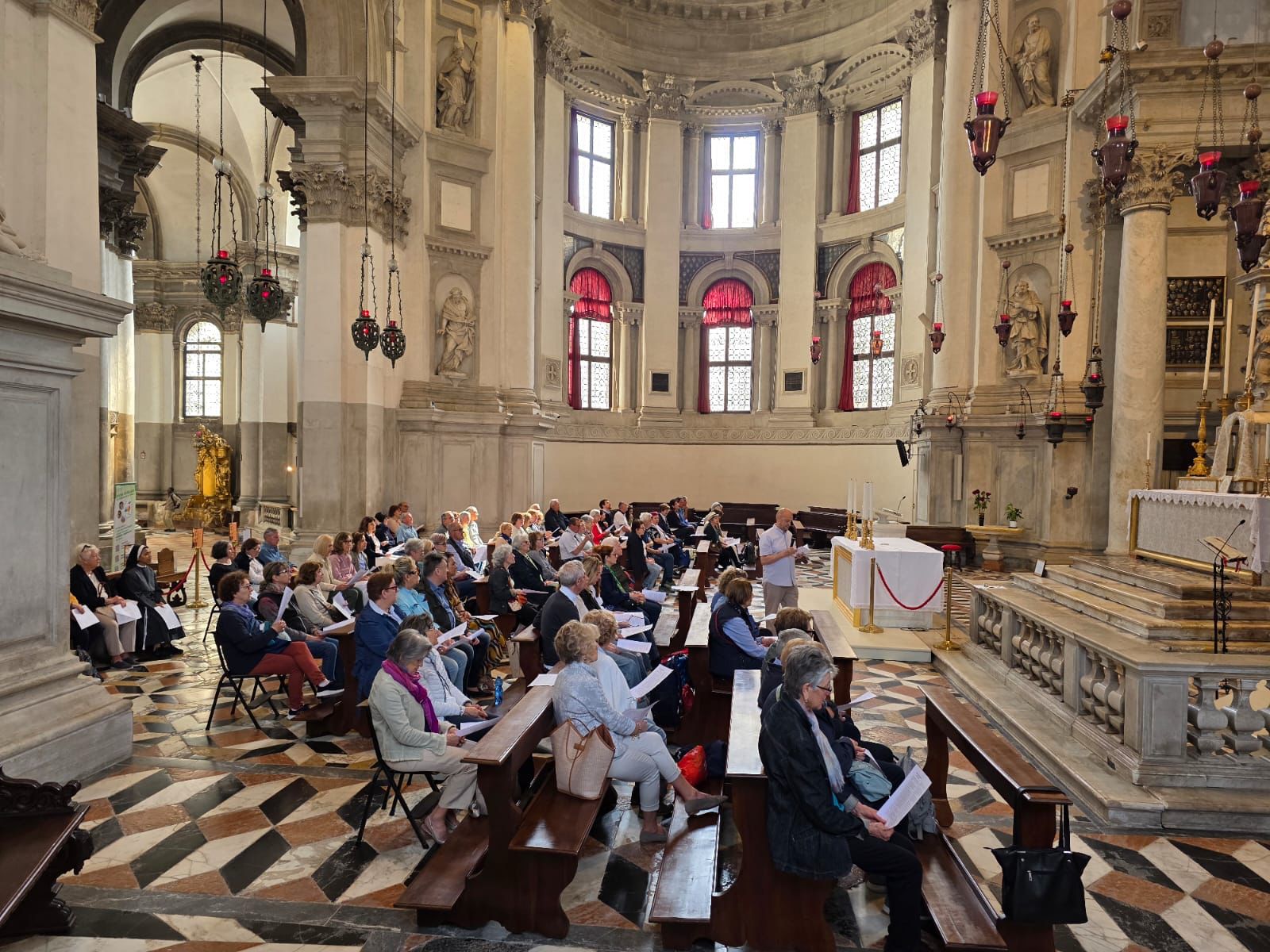
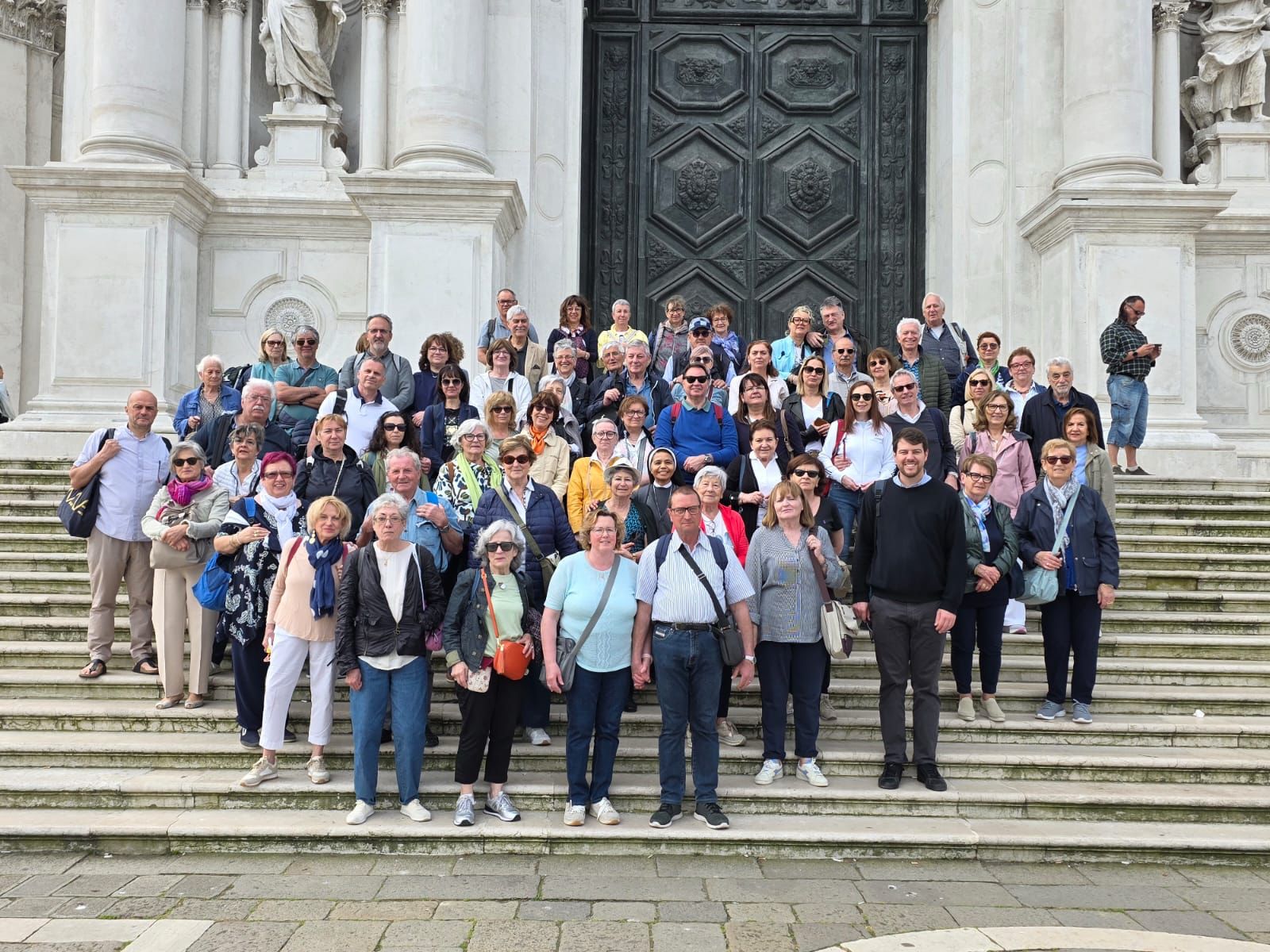
And so, within that wound, something great can happen. A new sense of solidarity, a greater awareness of others’ suffering, and a different perception of existence can emerge. How much does faith help on this journey? It is not an anesthetic. Jesus himself weeps at Lazarus’s tomb: Christian hope does not tell us not to do so, but that our tears are not the last word.” The reference is to the Resurrection. Father Donadoni emphasizes that there are also parents who, in the face of certain tragedies, have lost their faith. “People whom we must respect.” Every first Saturday of the month, Mass is celebrated at San Salvador, with parents—including some newcomers—taking part in the service, even traveling from neighboring provinces in the Veneto region. Twice a year, spiritual retreats are organized, and once a year, a pilgrimage to a Marian shrine. “When we learn—even through the newspapers—of the death of a child, we write to the family, informing them of our journey through this pain. Some parents accept this,” reports Father Donadoni, explaining that the group now includes about a hundred families, “while others aren’t ready or choose to join later. I always meet personally with the couple who have lost a child.”
The reflections contained in the new book are, in fact, the homilies of the priest from Bergamo. “Community is important, because one of the most painful aspects of losing a child is loneliness. A mother cannot find an answer to everything, but when she sees another mother going through the same tragedy, words become unnecessary: there is a mutual understanding. I confess that in recent years, it has been the parents who have walked alongside me, even teaching me something about faith. The real question isn’t ‘Why, God, did you let this happen?’, but ‘Where are you in what has happened to me?’ We continue to die; we lose our loved ones… You see, I wouldn’t want readers to reach the end of the book and say, “I understand the pain,” because you can’t truly understand it just by reading a few pages. Rather, I’d like a father and a mother to say, “Someone has tried to listen to what I’m going through.”