
Analitica 2026: 400 Attendees for Chemical Research in Venice
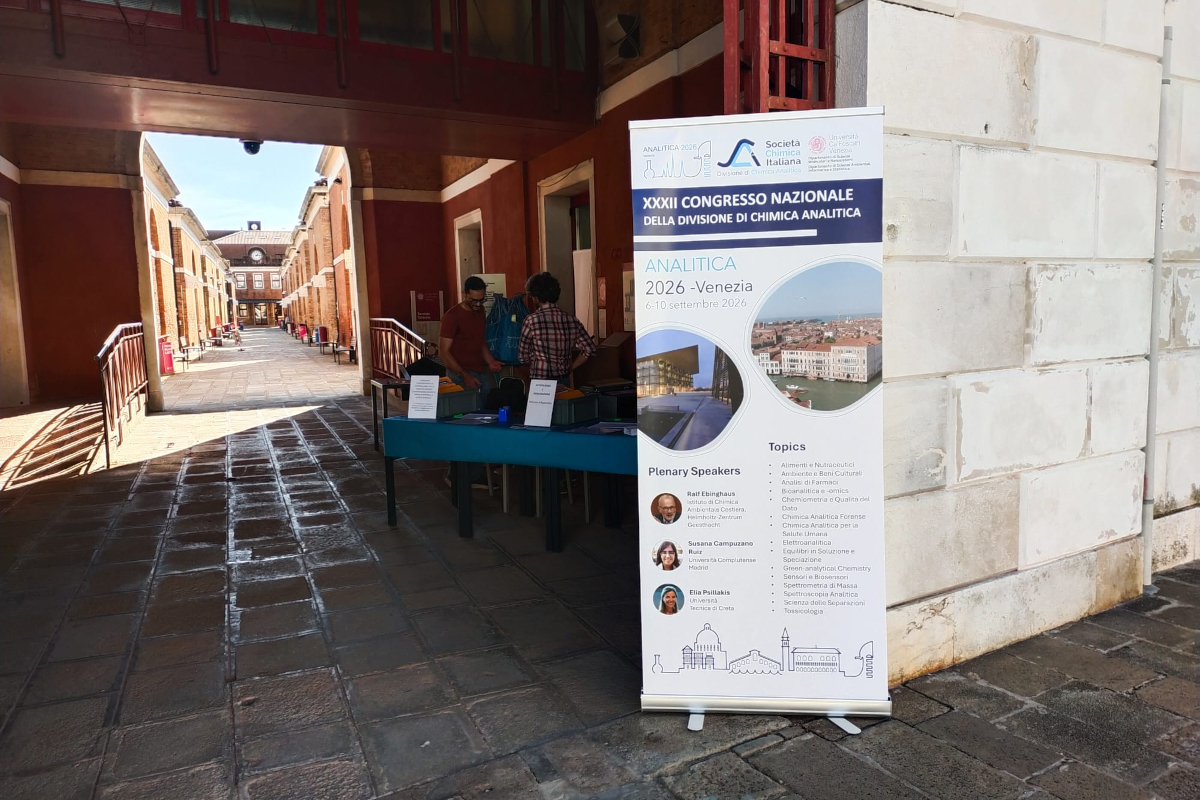
About 400 researchers gathered at the Ca’ Foscari Science Campus on Via Torino in Mestre for the 32nd edition of “Analitica 2026,” the National Congress of the Analytical Chemistry Division of the Italian Chemical Society. The event, which took place from September 6 to 10, provided an opportunity to discuss the state of the art in environmental and health analysis, with experts from all over Italy addressing topics such as the most sophisticated and innovative laboratory techniques, new portable and miniaturized devices for conducting field analyses, and developments in investigative methods—such as those used in the anti-doping tests on Jannik Sinner.
The event was coordinated by two Ca’ Foscari departments: Environmental Sciences, Computer Science, and Statistics; and Molecular Sciences and Nanosystems. “This is the very first time the conference has been held in Venice,” says Ca’ Foscari professor Chiara Zanardi, a full professor of analytical chemistry, “with 396 participants—on par with previous years when the PNRR provided funding for attendance—two plenary sessions featuring internationally renowned faculty, 178 presentations, and 141 research posters presented—we’ve confirmed that we are a very vibrant and active community in the search for new solutions for health, the environment, and food safety.”
Venice: Jasmine Trinca Meets with Female Inmates on Giudecca Island
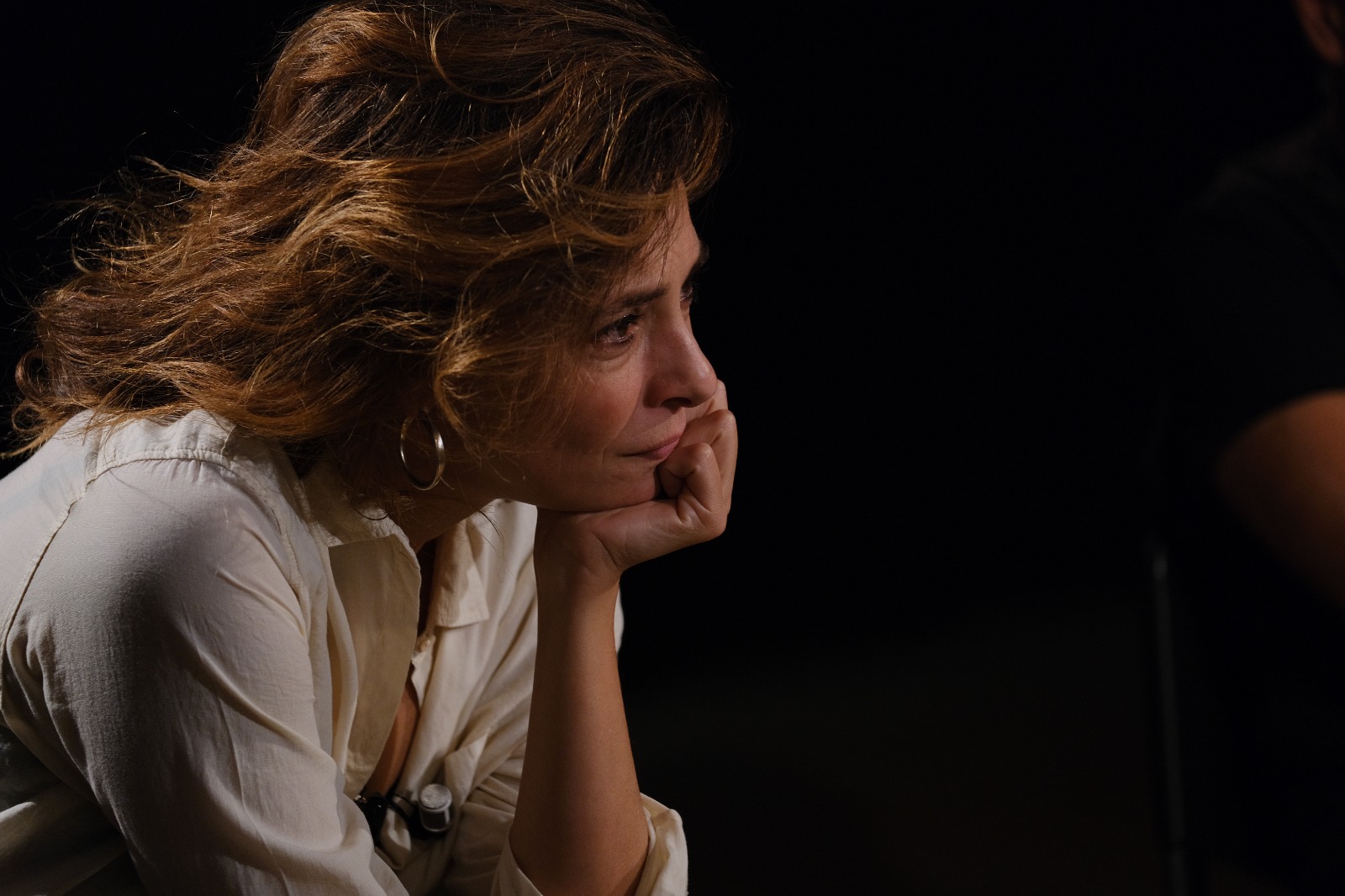
Spontaneous smiles, heartfelt confidences, mutual questions, and glances exchanged for over an hour and a half were at the heart of a gathering designed to use art, theater, and film as effective tools for addressing issues related to the prison system. Jasmine Trinca was the star of an afternoon event held on Tuesday, spent with a group of female inmates from the Giudecca Detention Center in conjunction with the Venice Film Festival and as part of Balamòs Teatro’s “Passi sospesi” project, coordinated by Michalis Traitsis. But the true star, in reality, was the actress’s willingness—she was at the Festival for Paolo Strippoli’s film “L’estranea” and “Succederà questa notte,” directed by Nanni Moretti—to listen to the many faces and stories before her, without ever overshadowing the words, curiosity, and reflections that the inmates shared with her in turn in a friendly atmosphere, marked by a genuine simplicity that encouraged them to share even their deepest inner torments—linked above all to their young children who were kept at a distance from the prison, barred from visiting through the ICAM system, to protect them from the mistakes their mothers had made.
Children in Heaven, a book: “Where are you, God, in what has happened to me?”
“The death of a child is something one never gets over. One learns to live differently with their absence, and in the face of such suffering, the priest’s task is not to explain God, but to help the person not feel abandoned by Him.” Don Roberto Donadoni’s new book, titled “Inside the Wound. Living After the Loss of a Child” (Marcianum Press, 2026, 192 pages), is set to be released on Friday, September 4. This publication, aimed at chronicling and offering support through one of life’s most difficult experiences, comes from the pastor of the Parishes of the Most Holy Savior and St. Stephen—a native of Bergamo—who has witnessed these struggles firsthand through the many stories and testimonies he has encountered over the nearly ten years he has led the group “Parents with a Child in Heaven.” Father Roberto’s book emerged from his encounters and shared journey with mothers and fathers marked by various tragedies—from traffic accidents to illnesses, and even the most extreme acts such as suicide —compiling reflections and journeys that have matured over time and offering a human perspective on grief and the possibility of not being crushed by it.
The Son I’d Like to Have and the One I Have: A Father’s Story
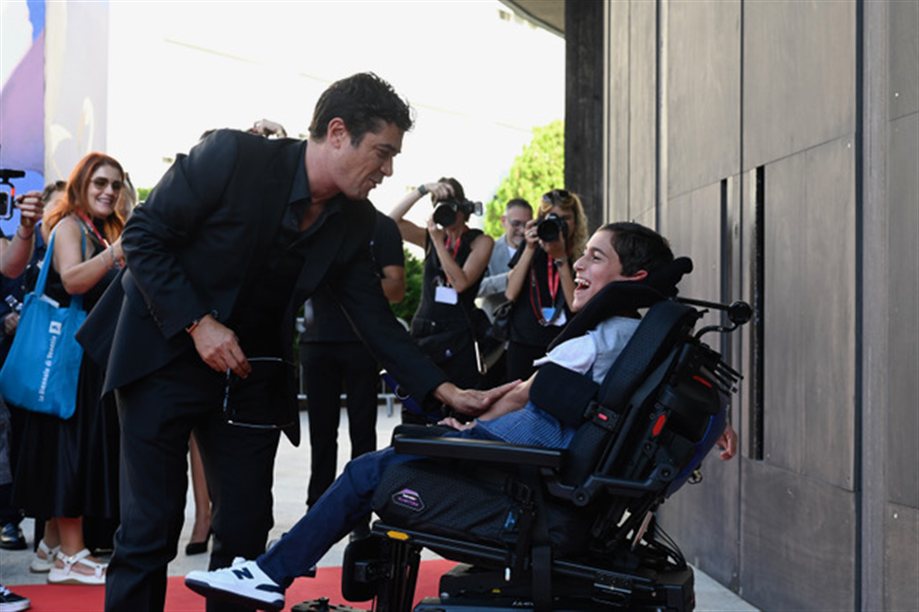
It all begins in the most intimate way; the first scene is set in the bathroom: Dario (Riccardo Scamarcio) is bathing his son Enrico (Andrea Aggio), who has a severe disability, in the tub, while his wife sits on the toilet to pee.
It takes just a few seconds to draw the viewer into that room, into that difficult, everyday family story.
It is with this intimate and powerful image that the Italian film “I figli della scimmia” opens—the debut feature by promising director Tommaso Landucci, who also co-wrote the screenplay with Damiano Femfert. The film was presented in competition in the “Orizzonti” section at the 83rd Venice International Film Festival, where it received prolonged applause and a standing ovation at its premiere. The film unfolds slowly, accompanying the protagonists through their days, in which no extraordinary events occur but rather the raw, unvarnished everyday life of a family is portrayed—so much so that it feels as though we are right there with them, thanks to the film’s highly realistic depiction, day after day, of the taboos and struggles each character carries with them.
You can feel the full weight of the burden that Dario and his wife bear. The film, in fact, takes a deep look at disability—a situation everyone would like to avoid in life—showing what it entails for those who must deal with it every day, learning to interpret their son’s cries, and facing the
Bresson Award to Pedro Costa for his films: the art of interpreting reality
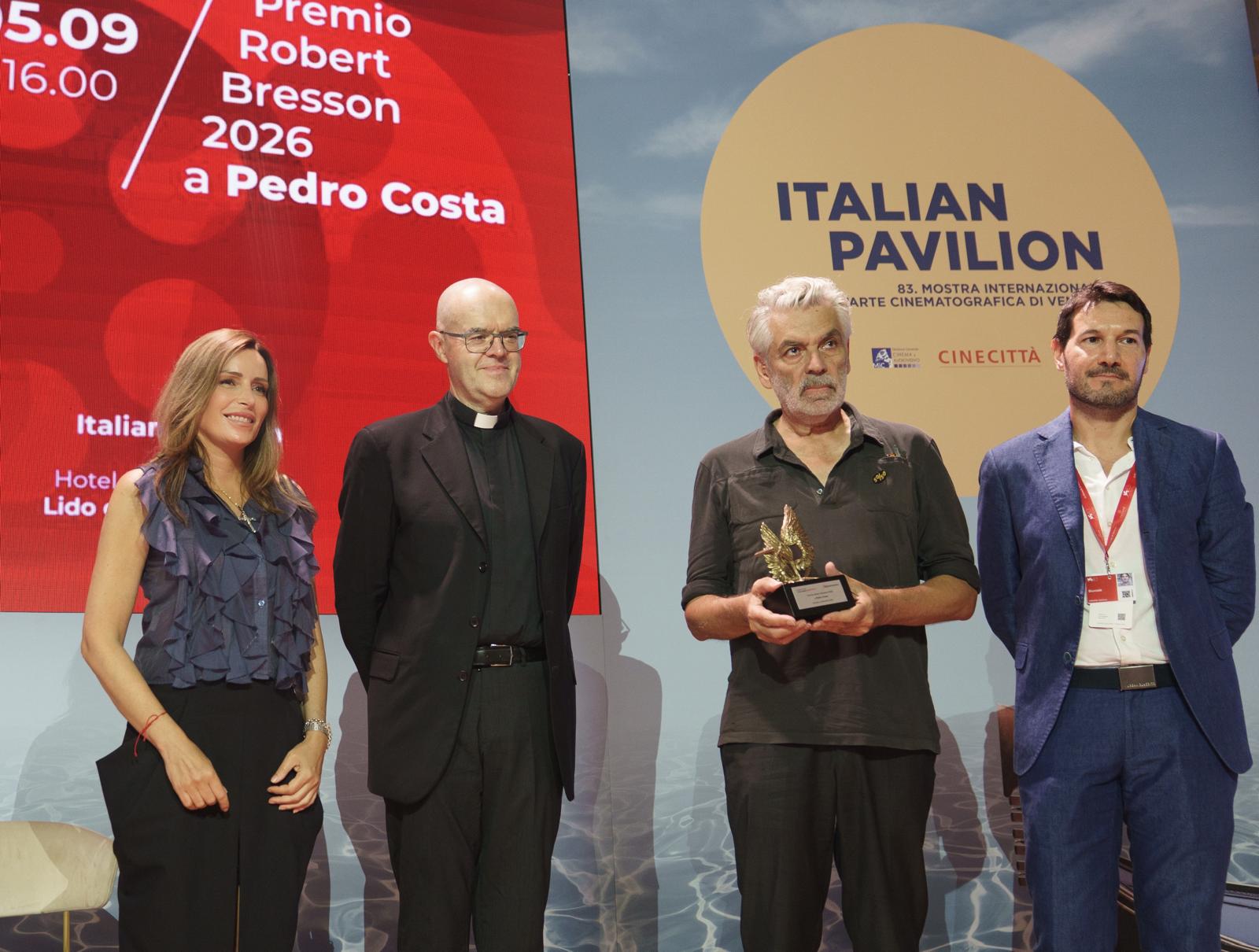
A cinema that takes no shortcuts, that looks to the marginalized without turning them into comforting symbols, and that, through images and sounds, seeks to explore the mystery of existence. For this reason, this year’s Robert Bresson Prize was awarded to Pedro Costa, one of the most radical and personal directors in contemporary cinema. The ceremony for the 27th edition of the Award, held on September 5 as part of the 83rd Venice International Film Festival, brought together representatives from the worlds of cinema, culture, and the Church around the Portuguese director. Sponsored by the Fondazione Ente dello Spettacolo and the Rivista del Cinematografo, with the approval of the Holy See’s Dicasteries for Culture and Education and for Communication, the Robert Bresson Award was established in 1999 and is awarded annually to a director who has offered “a testimony, significant for its sincerity and intensity, of the difficult journey in search of the spiritual meaning of our lives.” This award also stands out as the only film prize in the world awarded by the Holy See.
Film Festival: 400 Young People at Work
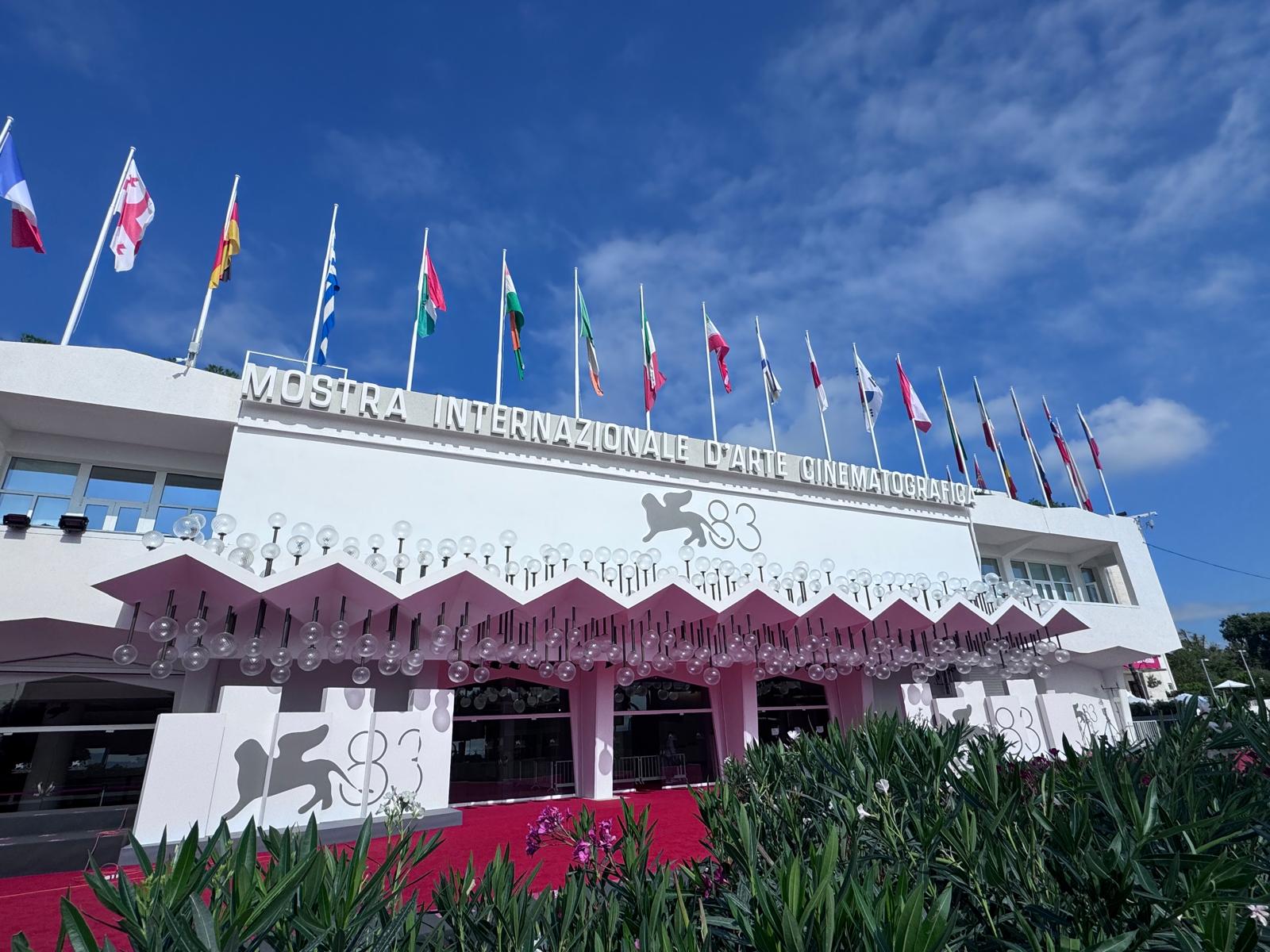
Behind the screenings, the lines, the admissions, and the hospitality at the Venice Film Festival lies an organizational machine that, for about ten days, mobilizes hundreds of workers. Many are very young—often students—for whom the event at the Lido represents a summer job, an opportunity to earn money but also to gain experience to add to their résumés.
CoopCulture, a cooperative with 2,500 employees throughout Italy, is providing this staff to the Biennale. The cooperative operates in the cultural heritage and events sector, offering services in reception, ticketing, access control, venue services, and visitor assistance.
Hydrogen-powered buses: Fleet completed in Mestre; set to hit the roads by the end of the year
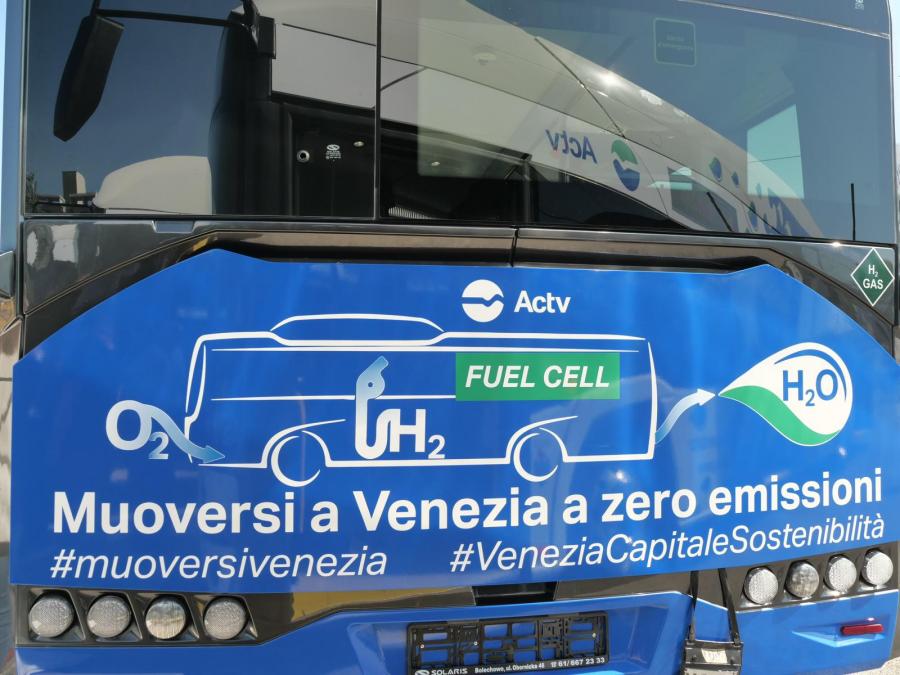
The Avm/Actv group has finalized the purchase of its new hydrogen bus fleet; these vehicles will be fully operational by the end of the year, marking a step toward quieter, more sustainable mobility.
Mauro Luigi Valenti, the company’s General Manager (officially designated as *Procuratore Generale*), explains the details.
Has the delivery been fully completed?
For the 90 PNRR-funded buses, yes—and within the deadline of June 30, 2026. However, we had previously purchased and deployed four other hydrogen buses, which entered service in 2023.
Are they all operational? On which routes?
Currently, a few buses are operating on a rotating basis across the urban network. The entire fleet will be operational by the end of the year once the Eni facility in Marghera is ready—Eni has informed us that the new plant will be delivered by late autumn—and they will generally be deployed on all urban lines in Mestre.
How are the bus tests going? Are they finished?
They are not finished yet. These months of pre-service testing are specifically designed to identify any anomalies or recurring faults in the buses currently in rotation—issues typical of any vehicle equipped with innovative technology. Specifically, for the hydrogen buses, we are monitoring fuel cell calibration, valve settings, the hydrogen distribution system, and control software modifications. All these activities are monitored and managed in coordination with the manufacturer, who implements necessary corrective actions or software updates as needed.
When the buses were announced, a range of 400 kilometers was mentioned; is that confirmed?
Generally, yes—though, naturally, it varies depending on driving style, the environment, and external temperatures (such as the use of heating and air conditioning systems). Furthermore, potential performance degradation of the fuel cells will also need to be assessed in the future.
How long does refueling take?
The current filling station on Via Orlanda, which lacks a gas “pre-cooling” system, requires about 40 to 45 minutes. For the new facility currently being built by ENI in Marghera, the estimated time is between 10 and 13 minutes for 12-meter and 18-meter buses.
What are the key strengths and weaknesses of hydrogen buses?
On one hand, a hydrogen bus is essentially an electric bus that replaces the battery pack with storage tanks and a fuel cell; consequently, it lacks various mechanical components typical of internal combustion powertrains—such as the engine, transmission, drivetrain components, and associated auxiliary systems—resulting in a significant reduction in wear-prone parts and lower overall mechanical complexity. On the other hand, the vehicle incorporates more advanced, newly developed technologies—such as the fuel cell system, power electronics, and hydrogen distribution system—that require new, highly specialized skills and dedicated training for maintenance staff; the nature of the equipment also necessitates facility upgrades, coordinated with the Fire Department, including within the workshops. In short, the hydrogen bus is mechanically simpler but technologically more complex.
How does it compare to electric and internal combustion engine buses?
Currently, hydrogen buses have higher operating costs than both internal combustion and electric buses, due to the current scarcity of the product, which has not yet achieved the level of industrial and commercial adoption seen with the other types. All market forecasts predict a sharp drop in the price of hydrogen as its use cases expand. In terms of environmental impact, both electric and hydrogen vehicles are zero-emission.
What investment did this entail, and how were the costs covered?
The total investment was approximately €60.3 million; the majority was funded by the PNRR (National Recovery and Resilience Plan) for the supply of the 90 buses, while a smaller portion—covering the 4 buses that entered service in 2023—was funded partly through European funds.
How do you respond to those raising safety concerns? Who is responsible for the safety of the fleet operating on the mainland?
Responsibility for the safety of the active fleet lies with Actv, as the operator. This also applies to maintenance, which will be carried out both at the Via Martiri della Libertà workshop and at the new facility located at the Eni distribution and depot site in Marghera. Precisely because hydrogen systems are “innovative,” we decided to handle only “traditional” vehicle maintenance in-house, while tasks related to storage tanks, high-voltage systems, hydrogen supply systems, and fuel cells will be outsourced to external companies. In any case, there has been constant dialogue over recent months with all the relevant safety authorities…
Venice: The Last Grocer in Castello
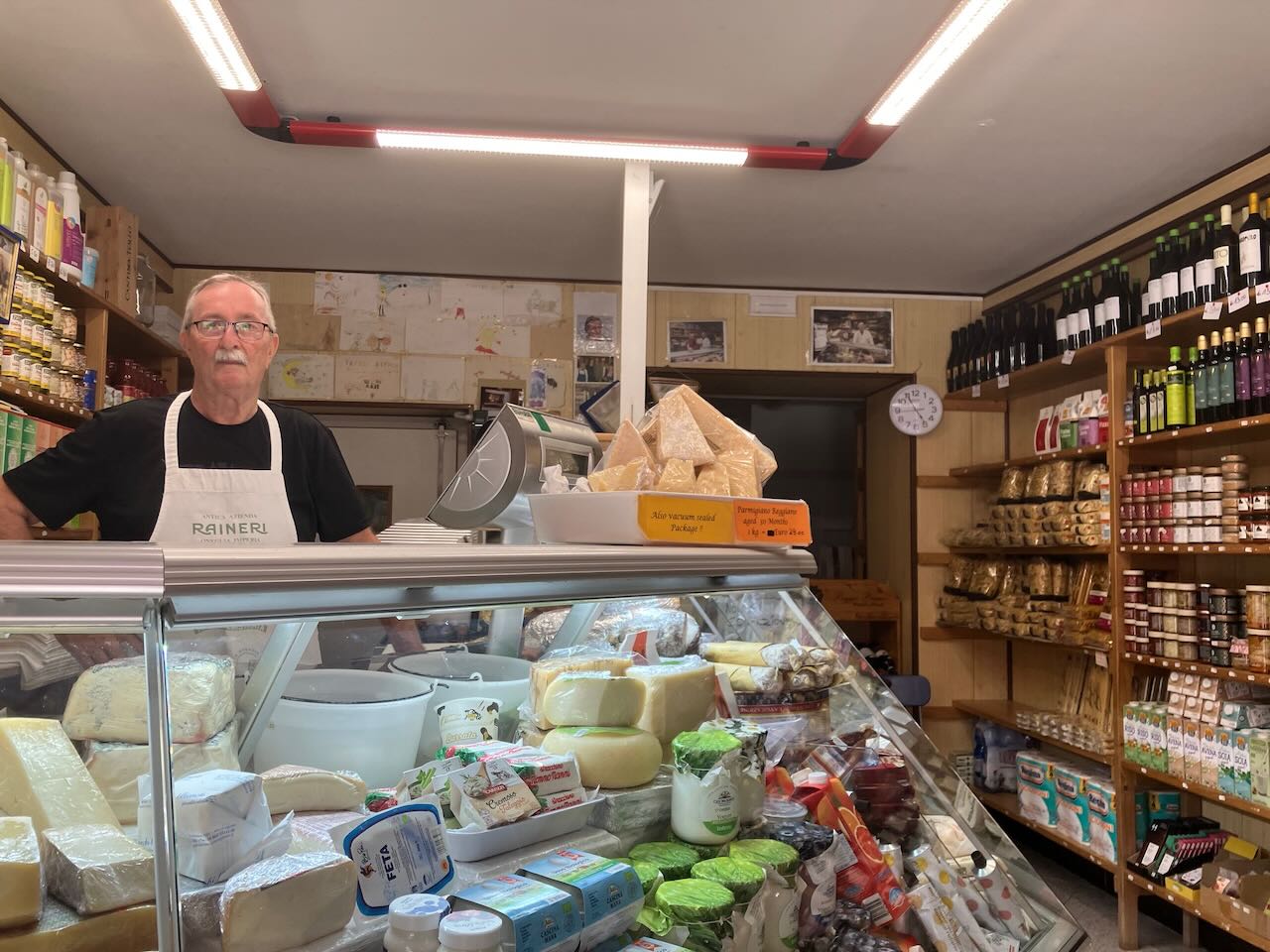
Depopulation and supermarkets are reshaping Via Garibaldi. Where there were 25 neighborhood stores 30 years ago, only one grocery store remains: a historic shop, opened between 1988 and 1989 and still run by Gabriele Bianchi.
“Over the years,” Bianchi notes, “the customer base has changed. At first, my customers were almost all residents of the surrounding area. Today, both because the number of residents has decreased and because many choose to shop at the supermarket, the store is also frequented by residents from other areas—for example, from the Lido di Venezia—as well as many tourists.”
The change in clientele, however, has not affected the shop’s offerings: “People who come to stores like mine,” explains Bianchi, “are looking for quality, and I treat locals the same as I do tourists or foreigners living in the city. For example, there’s a Swiss woman who’s been vacationing in Venice for 20 years and stops by my store every year, or a man of French origin who’s lived on Giudecca for a long time and comes to shop with me every week because he believes he can’t find the same quality in other stores closer to home. “The trust my customers place in me is a source of satisfaction for the service I provide.” The quality of Bianchi’s offerings is also attested to by the numerous certifications from Slow Food Italia that the grocer has received over the years.
Monsignor Vianello House: Construction Begins. 12 More Spots for Inmates
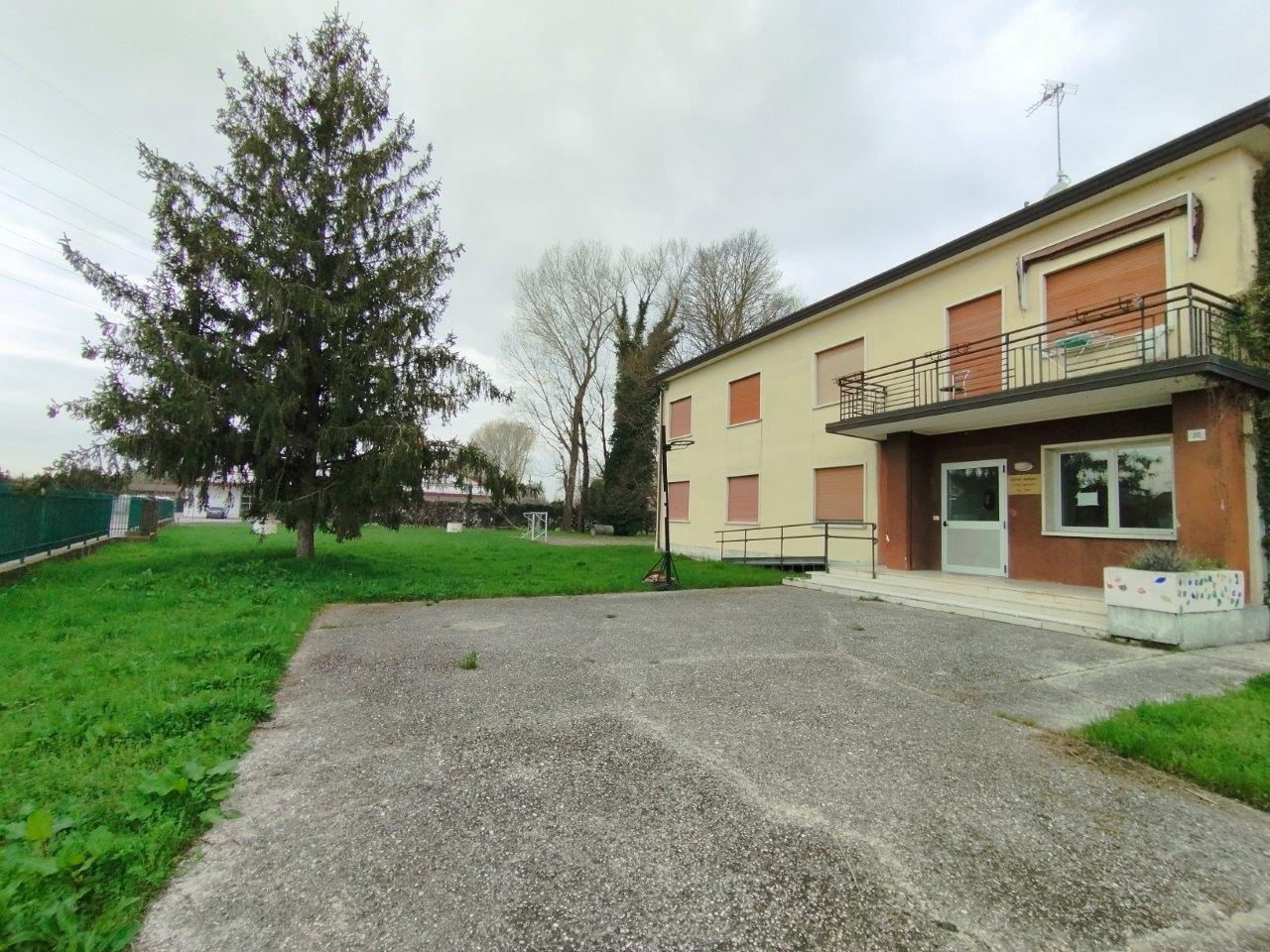
Work has officially begun on the project to restore the facilities at Casa Mons. Vianello in Campalto to use. These facilities are intended to house inmates from the Santa Maria Maggiore Correctional Facility who have completed their sentences, are serving alternative sentences, or have been granted early release. The project began on Tuesday, and completion—barring unforeseen circumstances—is scheduled for Christmas 2026. Considering that the new facility will have a total of 12 beds available for inmates, when combined with those already in use at other facilities—including those in the historic lagoon district and on the mainland—the total number of beds will reach about thirty, intended for men and women from the Giudecca women’s prison. “Patriarch Francesco,” comments Franco Sensini, director of Caritas Venice, “has worked tirelessly to ensure that inmates have the opportunity to be housed in welcoming environments, removing them from the prison setting.”
Post-vacation blues: Do they really exist?

There is a school of thought that views the widespread use of the term “therapy” with great suspicion and distrust. Today, this word is tacked on as a suffix to any activity that is even vaguely related to rehabilitation, recreation, or even leisure. And so we have chromotherapy, sauna therapy, aromatherapy, hippotherapy, and pet therapy (in Italian, “therapy in the company of animals” doesn’t quite convey the same meaning)… As if any activity that is “good for you” must necessarily cure a disorder, a discomfort, or—worse yet—a disease.
Unfortunately, this cultural drift cannot be stopped, and despite many important and necessary psychological interventions—sometimes even by specialists—we find ourselves confronted with “creative” scientific contributions that seem more geared toward legitimizing and justifying the expert’s presence than toward making a real contribution to the unfortunate patient.

