
Beyond the Wall: The History of Albania and Its Connection to Mary

At the Film Festival, Gjon Kolndrekaj’s documentary traces the persecution, faith, and emigration of the Albanian people from the 15th century to the tragedies of the 20th century. The Patriarch: “For its own good, humanity must look beyond itself.”

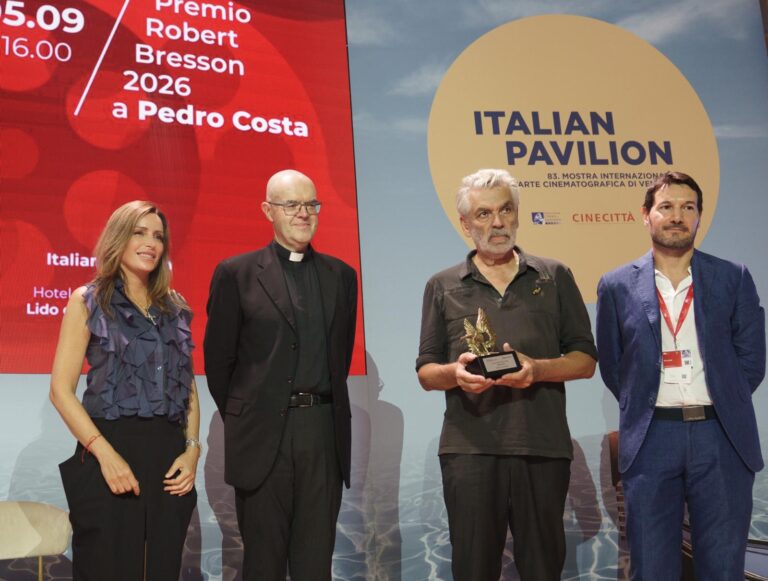
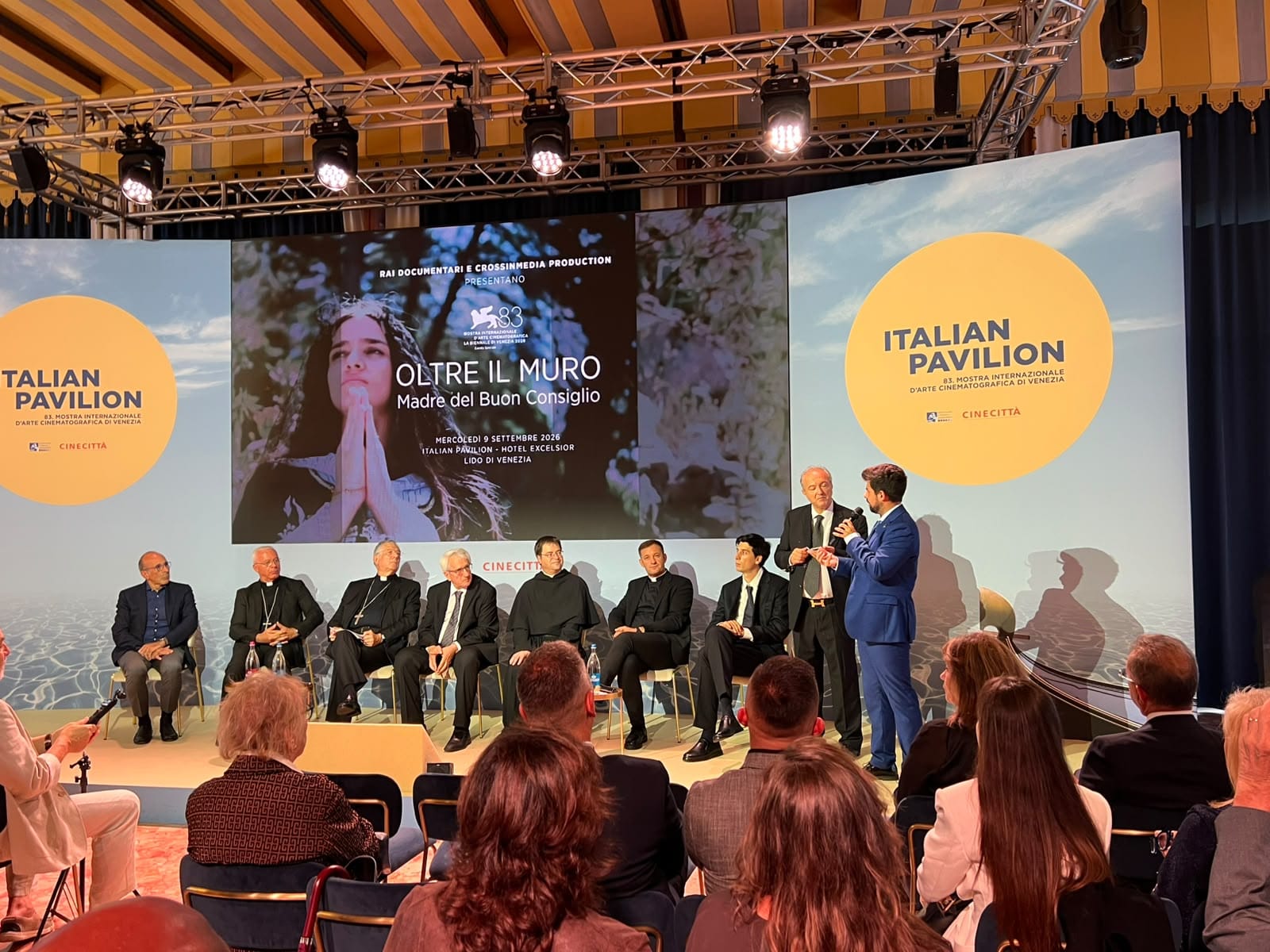
“We live in a society today that seems capable of building only walls, starting with the wall of war. The title ‘Beyond the Wall,’ however, aptly conveys the idea of something that humanity cannot give itself, but which it manages to find when it is capable of looking beyond itself and, in doing so, rediscovering its own vocation and identity. This is reflected in the very simple, beautiful, and familiar image of a mother embracing her child. She is the Virgin Mary, Mother of Good Counsel. In this documentary—a remarkable work—we trace the history of the Albanian people, who have shared this deep relationship and bond with Mary since the fifteenth century, a bond that continues to this day. The documentary goes on to recount the tragedies of the twentieth century.” With these words, the Patriarch of Venice, Monsignor Francesco Moraglia, spoke atthe 83rd Venice International Film Festival during the presentation of the documentary “Beyond the Wall: Mother of Good Counsel,” directed by Gjon Kolndrekaj and written by Pal Kolndrekaj. During the event at the Italian Pavilion of the Hotel Excelsior, the director was also awarded the “A Life in Cinema” prize, conceived by sculptor Giorgio Bortoli, who created a work of art specifically for the occasion.

Film as a Means of Reflection for a Better World

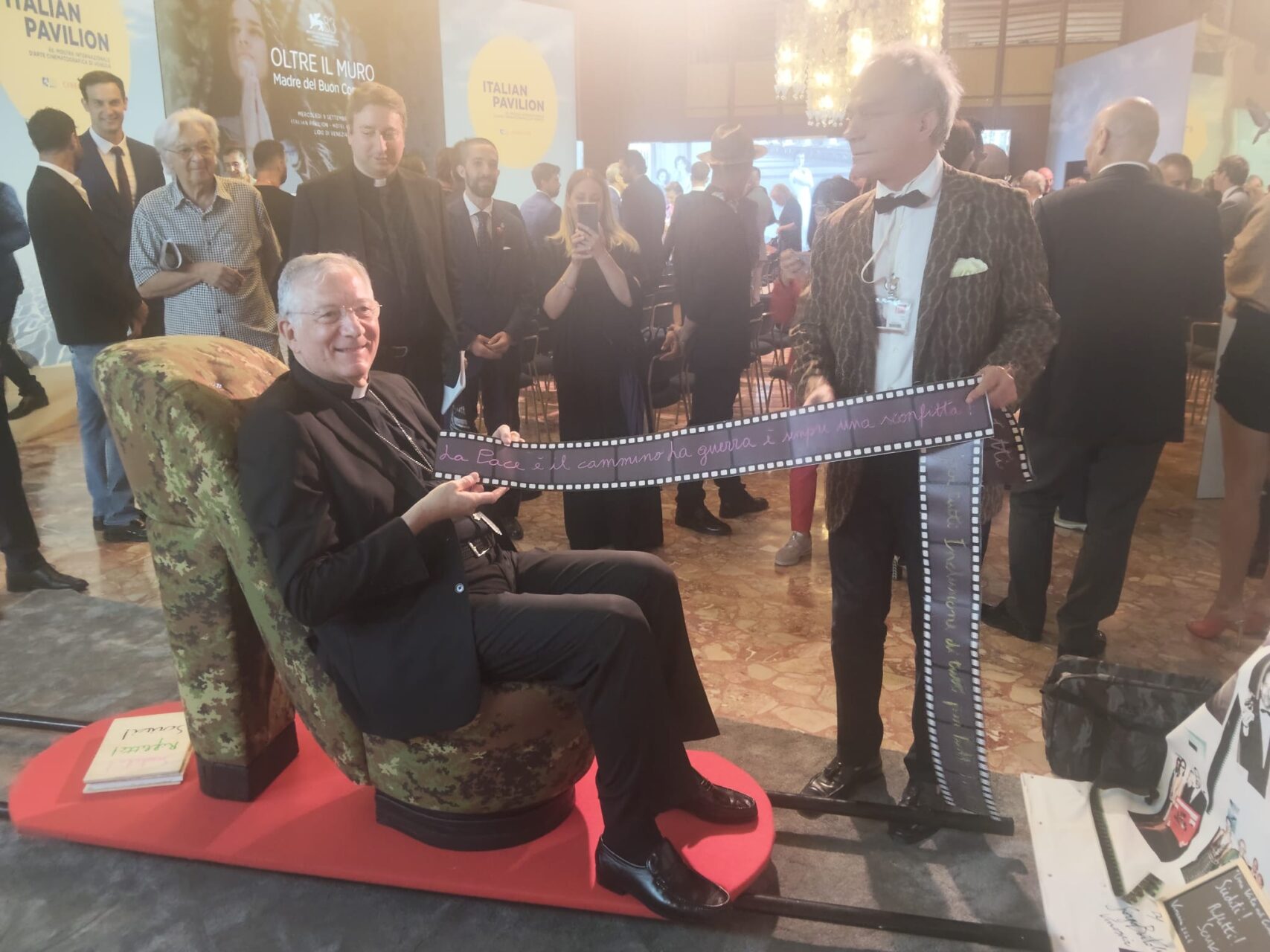
The sculpture created by master sculptor Giorgio Bortoli—in which the Patriarch is depicted—as part of the “A Life in Cinema” award, which he created and promoted. In Monsignor Moraglia’s hands is also a “film strip” bearing the phrase “Peace is the path; war is always a defeat.”

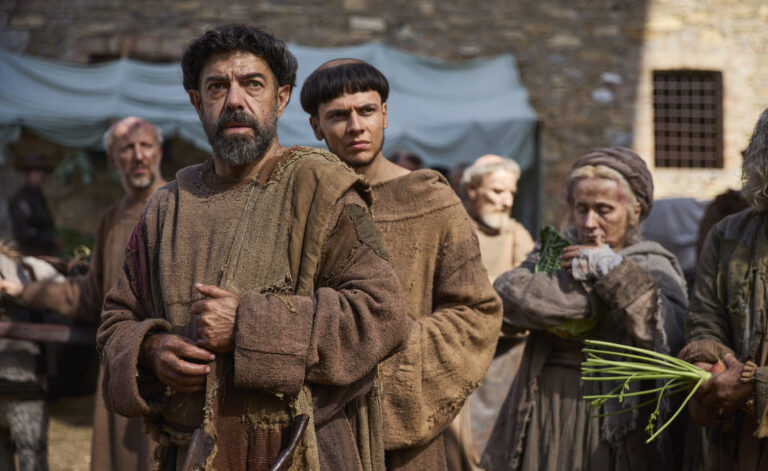
“Bringing together history, faith, and quality,” Patriarch Francesco reiterated, “is the great wisdom of the art of cinema and also the value of this outstanding work. It is aboutknowing how toaddress and raise issues, prompting reflection, and above all, building a better world.” The film intertwines faith, historical dramas, and emigration, retracing the centuries-long struggles of the Albanian people and their connection to Italy, from the Ottoman invasion of 1467 to the persecutions of the 20th century. “The wall,” explains the director, “is often a symbol of persecution, of prisons, and of all the suffering of the Albanian people.” Through references to relics and testimonies, the work highlights the devotion of the people of Shkodër and figures such as Mother Teresa of Calcutta and St. John Paul II, creating an ideal bridge between the past and the present. The event, moderated by Carlo Gentile, was attended by, among others, the Bishop of Shkodër-Pult, Monsignor G. Peragine; Father Pasquale di Lernia; and the president of the Venice City Council, Matteo Senno.
Autore:

Iscriviti a CRUX e non perderti nessun aggiornamento, ti invieremo 1 volta a settimana i nuovi articoli!