
It’s a win-win for everyone: for seventeen young Kenyans who are finding jobs; for Veritas, which is having its needs met; for the city of Venice, which will be a little cleaner; for Ol Moran, which is helping its young people build a future; for the rule of law, as well, because this time immigration is being handled in accordance with the regulations from A to Z; and finally, for Christian charity, because for once, the person is being put first.
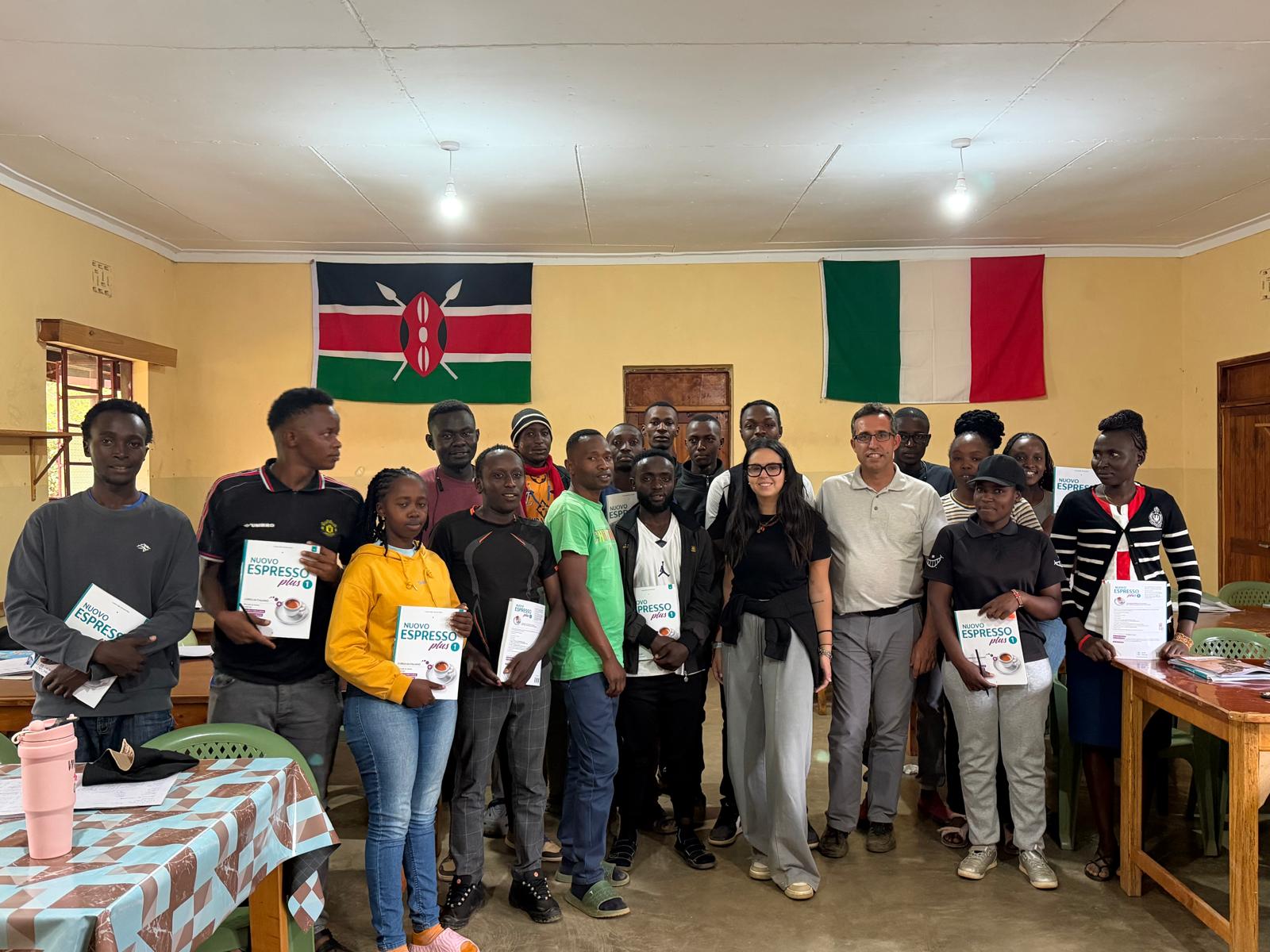
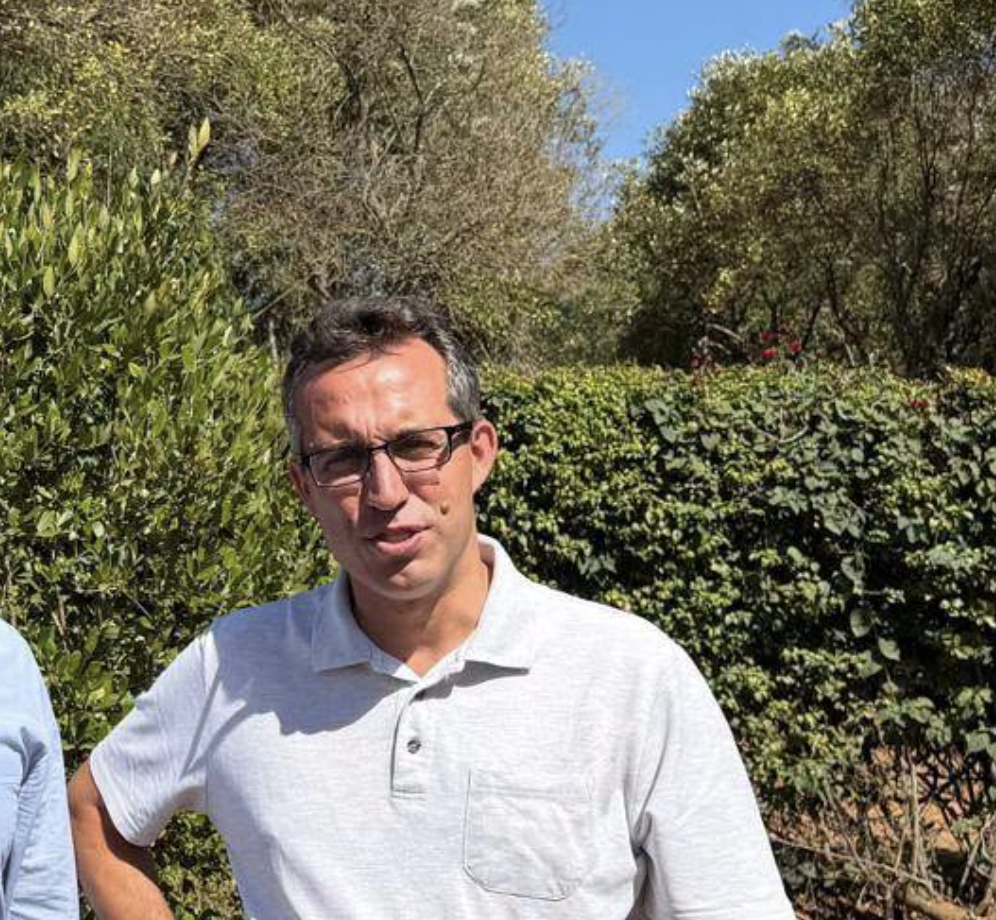
This is the significance that Father Giacomo Basso, a Venetian priest who leads the parish of San Marco in Ol Moran, Kenya, attributes to the project that will bring 12 young men and 5 young women to Venice to work as sanitation workers for Veritas. The process begins with a selection process in Kenya, continues with language and vocational training, and culminates in formal employment in Italy, in accordance with the procedures governing the admission of foreign workers.
“The idea came from a request by Veritas and was brought to me by Father Gianni Fazzini, who for many years has been attentive to the needs of the local community and to offering people opportunities for growth,” says Father Giacomo. He admits that his initial reaction was one of surprise: “We had never considered taking steps to send our own people abroad.”
What convinced him was the practicality of the proposal. During a meeting with Father Fazzini and several Veritas executives, the parish priest of Ol Moran found a company willing to assess the Kenyan community’s willingness to collaborate both in the selection of candidates and in their initial training. “I realized this was serious: the entire Veritas administrative team was there, wanting to know if we were willing to lend a hand.”
The project brings together entities with different roles. Veritas provides job opportunities; Eurointerim organizes training and provides the financial resources to carry it out; The Ol Moran community helps select and prepare the candidates through the Tumaini Academy. The Diocese of Venice, through Caritas, will be responsible for finding housing for the young people, at least during the first few months after their arrival. .
“It struck me as an initiative that takes everyone’s opportunities into account, while adhering to the rules and striving to put the people involved at the center,” explains Father Giacomo. The process is part of the institutional framework established for the admission of foreign workers and also includes the necessary procedures for hiring and departure. Before they can apply for a work permit, candidates must first acquire basic language skills, obtain the relevant certification, and learn about certain aspects of civic culture.
For the priest, the value of the initiative goes beyond simply addressing the company’s staffing needs. In fact, there is also an ecclesial dimension: the young people come from the parishes of Ol Moran and other communities in the Diocese of Nyahururu. “We, as the Ol Moran mission, support people’s life plans and operate within the framework of a formation program that defines our institute. It is also an opportunity for apostolic ministry, allowing us to share the life of our Christian communities with others who have a Christian background.”
There is also a less common factor: Italy as a destination.“From Kenya, especially for those with higher qualifications, migration tends to be directed toward English-speaking countries, such as the United States, England, and Australia. For others, the destination is the Arab countries of the Middle East.” In this case, however, the prospect is a permanent, regularly paid job in Italy.
Don Giacomo Basso knows that the prospect of a job abroad can raise very high expectations. “The idea of finding a job opportunity outside one’s own country is appealing. But there is also the risk of some illusions—of expectations that need to be adjusted ". The priest recalls what happens when a young person from Ol Moran, a rural area, finds work in Nairobi: moving to the big city can be seen as the solution to all economic and stability problems, even though this does not necessarily reflect reality.
“We need to realize that a great deal also depends on how seriously a person takes their work and the opportunities offered to them,” he notes. Training, therefore, also serves to prepare candidates for a change in their lives, not just to teach them the vocabulary needed to perform a job.
The selection process, he adds, was conducted with an eye toward the participants’ commitment and potential for integration. “We can’t shield them from all difficulties, nor can we guarantee in advance that they’ll be good kids in every situation. We looked for people who deserved this opportunity because of their commitment and their prospects for successfully integrating into the program.”