
Solidarity takes the form of young people: out on the streets, amongst the most marginalised, reaching out to those who are alone

The service for the homeless, which involves the Santa Fosca student residence, and the M.eat Up project run by Punto Pace Venezia focus on people, their stories and the desire to come together around a table

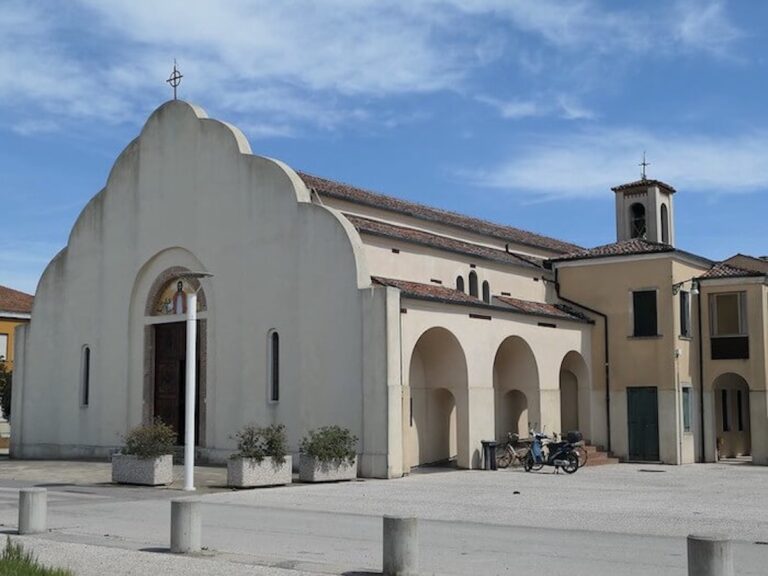
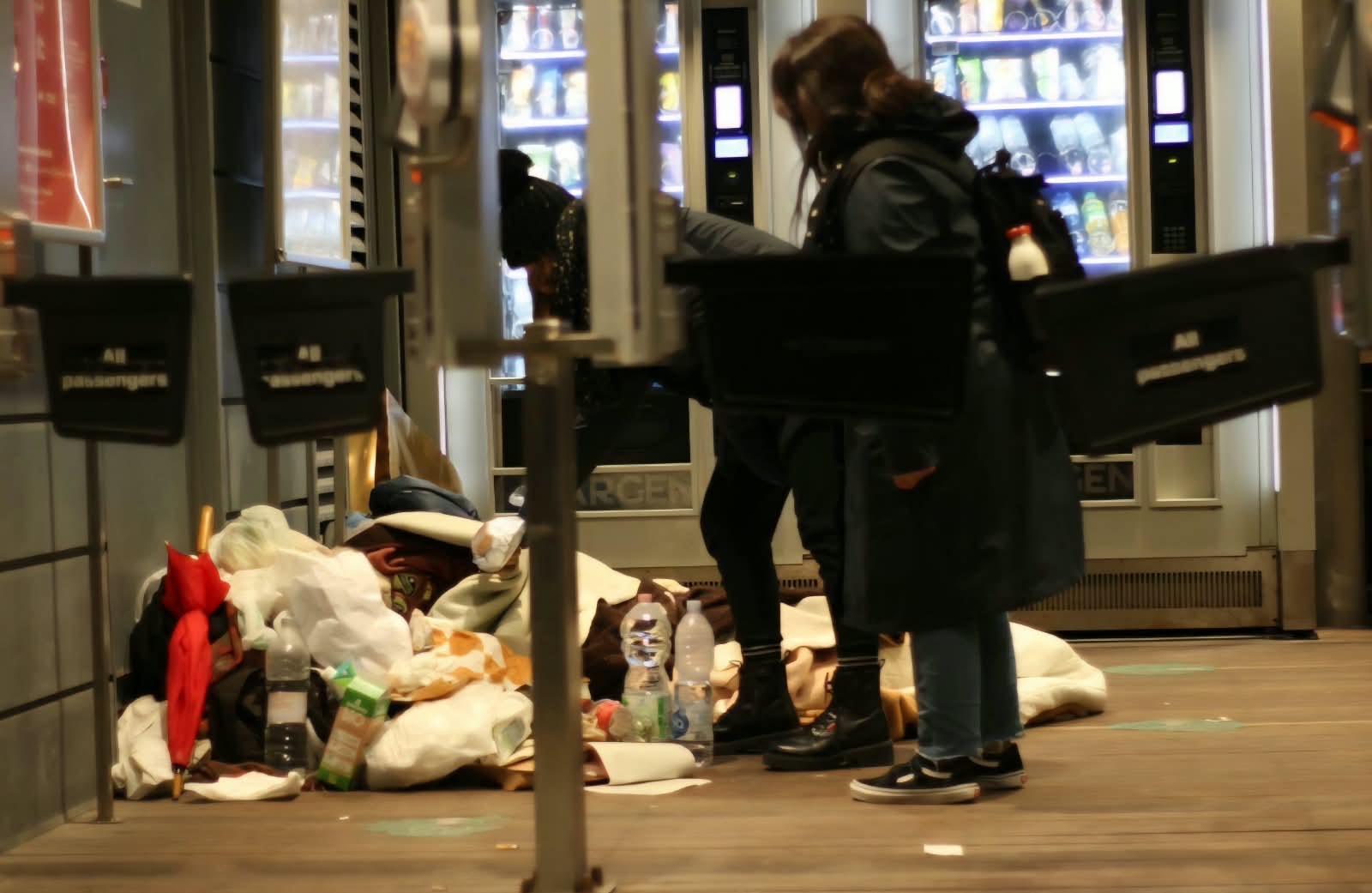
A hot meal, a bottle of water, a packet of crackers or some personal hygiene products. But above all, a smile, a few words exchanged, the chance to feel truly seen and listened to. This is the deeper meaning behind the initiative involving students from the Santa Fosca student residence (and others) in supporting homeless people in the local area. Every Monday evening, the volunteers meet at Santa Fosca itself, which makes its premises available as a base of operations. Items are collected from the storeroom – where a cupboard is set aside for the initiative – before the bags are prepared for distribution during the evening. One group makes its way through Venice – stopping at Strada Nova, Santa Lucia station and the Calatrava Bridge – whilst another group covers areas on the mainland such as Via Carducci, Piazzale Donatori di Sangue, Via Piave and Via Querini, Corso del Popolo and Via Cappuccina, as well as Mestre railway station. The items delivered to those in vulnerable circumstances come from the shelves of the Emporio della Solidarietà, coordinated by the ‘Corte del Forner’ association, with which the University Pastoral Centre (CPU) has signed an agreement: the agreement provides for the free distribution of essential goods to a maximum of fifty people, subject to the availability of food in stock. However, as Lucia Ceradini, the current manager of the Santa Fosca student residence, points out, ‘often a meal is merely an excuse to meet up, offer a smile and build a relationship’. The value of the initiative, in fact, goes far beyond the distribution of material goods. ‘A relationship is forged with these people, who eventually open up, confiding their problems and needs, such as the need for a doctor’s appointment or a warm jumper to protect themselves from the cold.’ The experience described here has, over time, managed to reinvent itself and attract new energy. This refers to the so-called Punto Pace, an organisation founded last year on the initiative of a group of university students living away from home, following a meaningful experience at Sermig in Turin. The aim is to bring the spirit of that initiative to the Lagoon as well, by listening to the needs of the local community and creating a network amongst the organisations already active in the field of solidarity. The young people from Punto Pace have also joined the Monday evening service, offering a valuable contribution in terms of coordination too. They have also developed further initiatives, including community dinners organised a couple of times a month, on Wednesdays, at the premises in Via Altobello, Mestre. This is a gesture that restores the central importance of hospitality and fellowship. These initiatives are run in partnership with Caritas Venezia, the Youth Ministry and the University Ministry. As this work has progressed, the involvement of the San Michele Students’ Hall in Mestre has also grown, with its students taking an active part, particularly in the community dinners. “These are experiences open to everyone, so much so that they have been promoted on several occasions to raise awareness amongst as many people as possible,” says Ceradini, explaining how the temporary nature of university life had initially raised fears that, with the departure of the most actively involved students, the service might suddenly come to an end. The opposite has happened, however: the arrival of new generations and the collaboration with Punto Pace have breathed new life into the initiative and ensured its full continuity, continuing to support those most in need. A genuine culture of service has thus taken root – a sort of ‘legacy’ that students completing their studies pass on to those who come after them. It is no coincidence that today it is mainly first-year students, who joined Santa Fosca this year, who are carrying on the Monday charity initiative. ‘It is an experience that is deeply enriching on a human level, as it offers a genuine opportunity to build relationships. A wonderful tradition,’ concludes Ceradini. Because, ultimately, solidarity is not merely about meeting a need, but about recognising in the other person someone with whom to share time, attention and dignity.

Community dinners

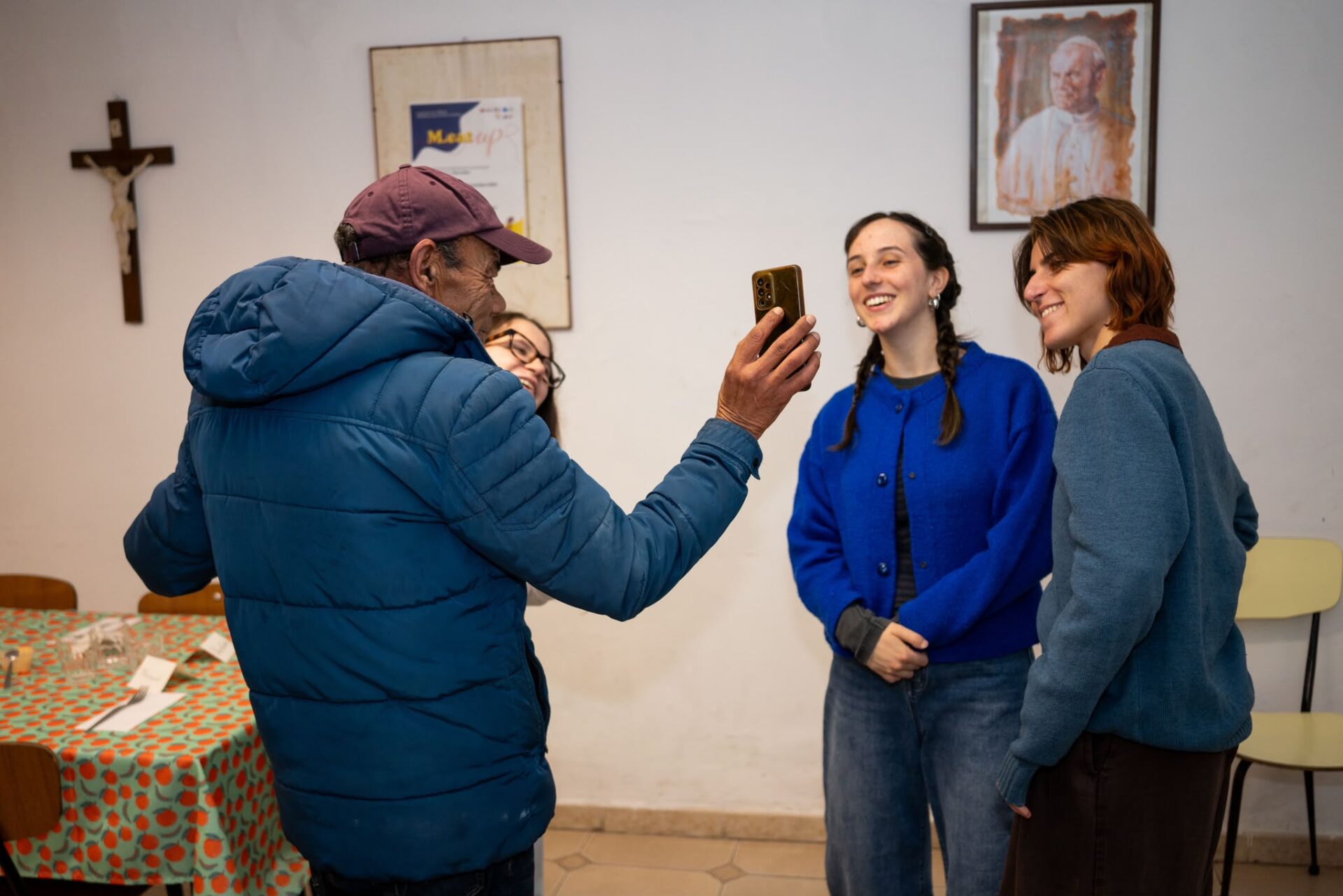
He used to be a professional chef; today he has returned to the kitchen to share a meal with others, not to serve them. This is the story of a former chef who, whilst out on the streets with the young people from Punto Pace Venezia, expressed a desire to cook alongside them. From listening to him, the idea arose to organise community lunches and dinners – occasions where those living on the streets are not merely recipients of help, but become protagonists and active participants in a convivial gathering. This is one of the most significant aspects of the Punto Pace Venezia initiative, a youth-led organisation that has been active for several months in Mestre, set up to support people living on the streets. The project brings together young people from a variety of church and community backgrounds, both within and outside the Diocese of Venice: from Sermig to Youth Ministry, from student halls of residence to Caritas, right through to Catholic Action and the Neocatechumenal Way. The group was formed following the experience of a number of young people at the Sermig (Youth Missionary Service) ‘Arsenale della Pace’ in Turin and the subsequent coordination process involving Caritas, Youth Ministry and University Ministry. There are two main activities. The first is the outreach service, which takes place every Monday evening between Venice and Mestre: the young people prepare meals, currently at Casa Santa Fosca in Venice, and distribute them to homeless people. But delivering food is only part of the initiative. ‘Our main aim is to move away from a purely welfare-based approach and towards building relationships,’ explains Annachiara Banzoli, one of the group’s members. “We focus above all on connecting with people: we spend a couple of hours together chatting, getting to know their stories and trying to understand if they have any particular needs. We listen to those who want to talk about themselves and simply stay close to those who are more reserved.” It was precisely from these encounters that the need to go beyond simply distributing meals emerged. The former chef told the young people that he could have sourced food for himself, but that he would very much have liked to return to cooking alongside others. This request inspired the group to find a different way of coming together. This is how M.eat Up came about – a series of community lunches and dinners. Not a canteen, but a shared table, where everyone finds their place and can contribute: some cook, some set the table and some clear up. Everyone also has a place card with their name on it. “It’s like a family dinner,” remarks Banzoli. The initiative is attracting a growing number of young people: nearly 25 people attended the last dinner, whilst every Monday around twenty volunteers take turns serving at the station, with an even wider overall turnout. “The most valuable thing is seeing so many young people getting involved and realising how this experience is growing, slowly and unexpectedly, right before our eyes,” concludes Banzoli.
Autore:

Iscriviti a CRUX e non perderti nessun aggiornamento, ti invieremo 1 volta a settimana i nuovi articoli!