

At the heart of it all, for Sensini, is the theme of a community that must prove itself ready to welcome others and actively involved in the gradual process of reintegrating those who are serving their sentences back into society. This support helps them move toward the outside world so they can rebuild their autonomy and dignity. The diocesan Caritas is working on this project in collaboration with the Diocese, in line with the commitment made by the Patriarch during Pope Francis’s visit to Venice in 2024, at the women’s prison. The beds in Campalto, at least in theory, could have been made available much earlier, but some setbacks—fortunately now resolved—slowed down the process. “We already had a plan in hand last year that faced some administrative difficulties. Once the property’s cadastral status was verified, the project was given the green light.” The same project ultimately had to navigate two decrees from the Ministry of Justice—which took effect in July and September 2025—as well as the necessary authorizations.

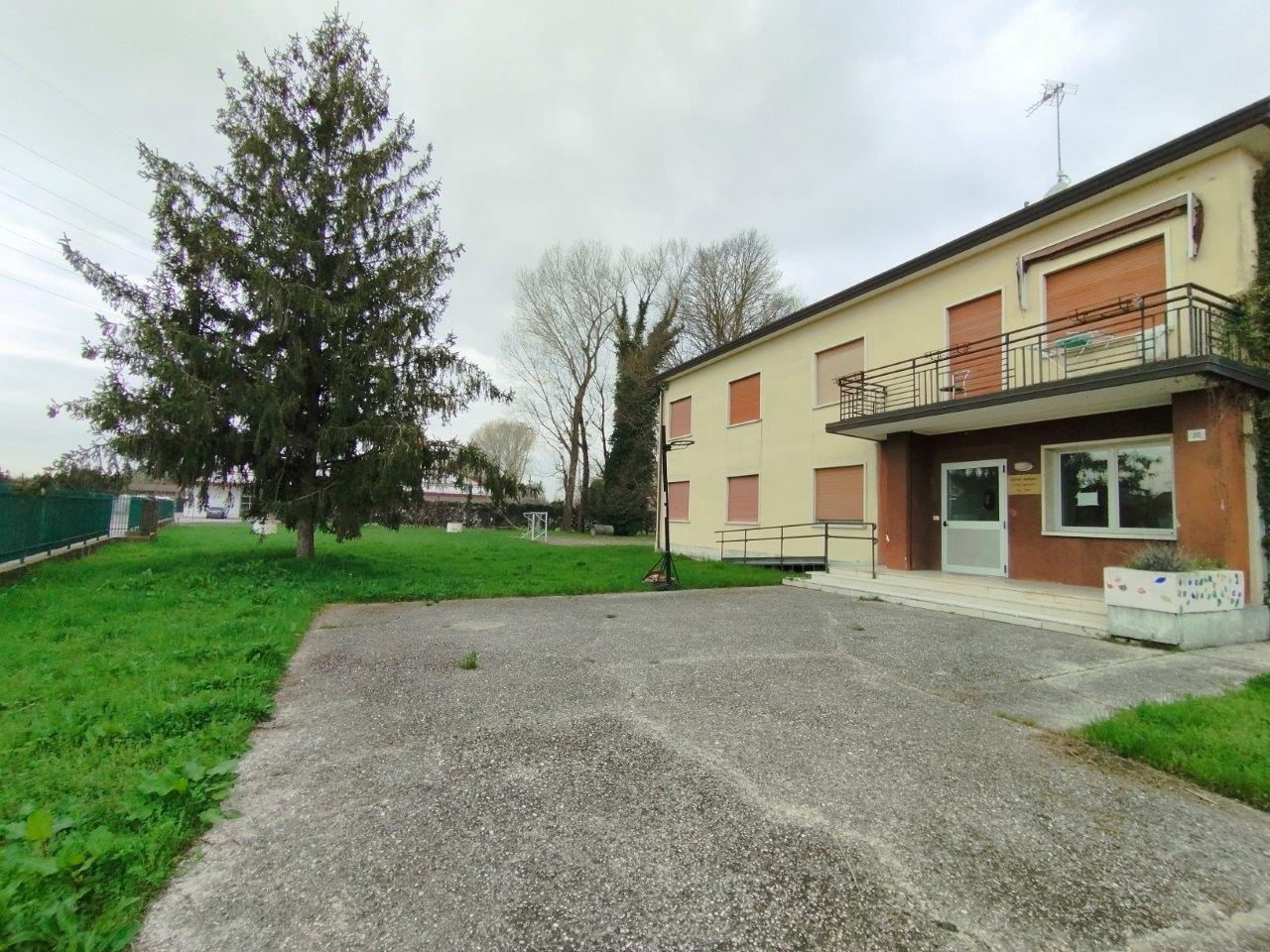
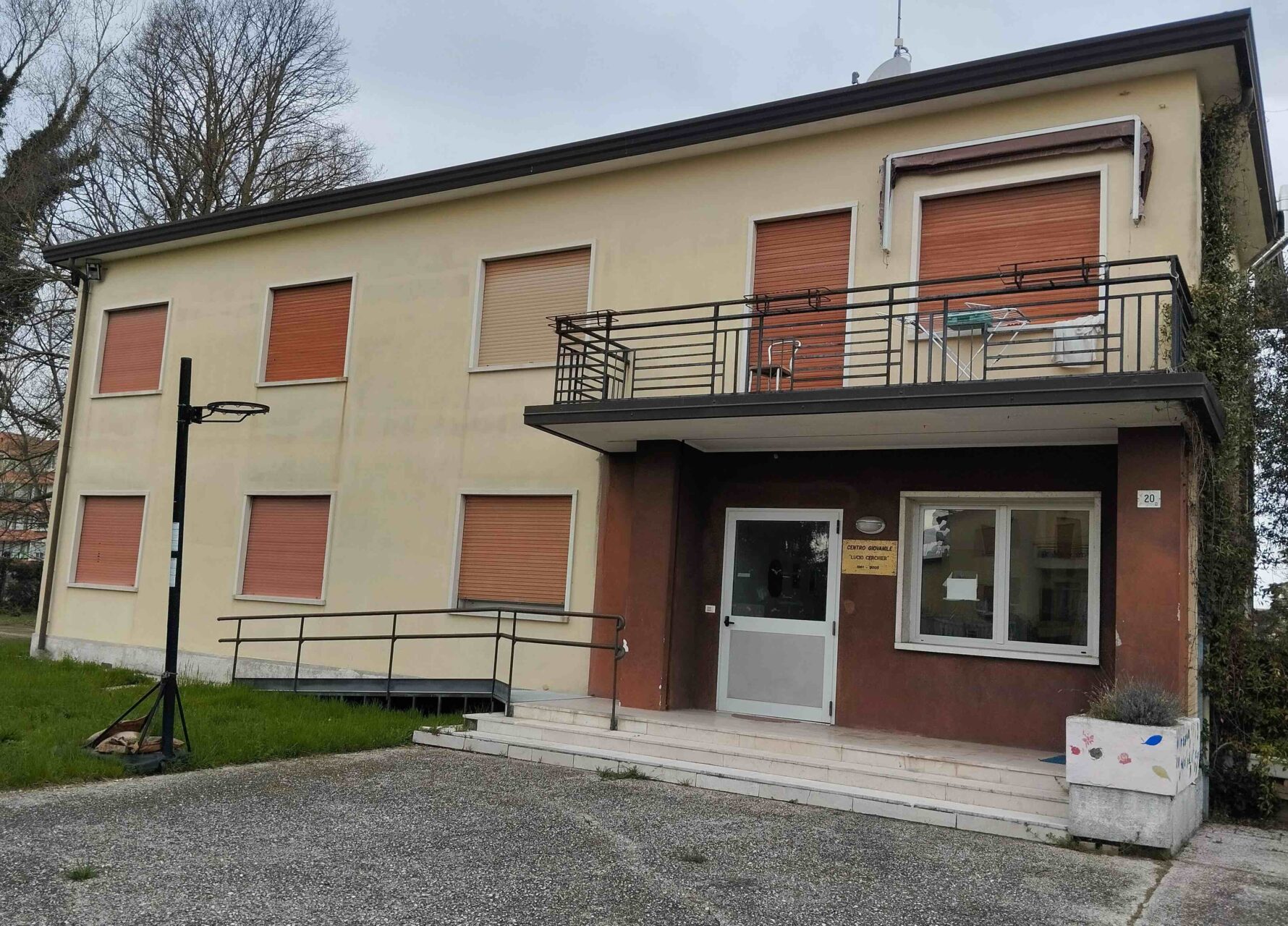
“Based on these new regulations,” Sensini points out, “we have adjusted the design, bringing the building into compliance with a series of standards. These range from the maximum number of beds to bringing emergency exits up to code, as well as ramps and the number of bathrooms and rooms for any guests with disabilities.” This project includes a partnership with Fondazione Esodo—which is dedicated to supporting released inmates through rehabilitation programs aimed at restoring their personal autonomy—and Caritas has become a partner to contribute specifically to the prison system. Spanning two floors, with a total area of over 300 square meters (excluding terraces and staircases), the facility in Campalto also includes a large, tree-lined green area of 3,350 square meters. “The House will not be left to fend for itself. Educators from the Esodo Foundation will be on site; the foundation, in turn, relies on the Nova cooperative, which supports these individuals both at “Le Muneghette” in Castello and at Casa San Giovanni XXIII in Piazzale Roma. The underlying goal? To reduce recidivism and ensure that men and women gradually reclaim their lives, including their experiences and talents. To break down walls—clearly while respecting the rules established by the judges.”

Sensini is keen to highlight the valuable work carried out by Father Massimo Cadamuro, chaplain of Santa Maria Maggiore, whose parish of Campalto encompasses the very facility currently undergoing renovation. This is why the Caritas director hopes to involve the community itself in the overall project, which is intended for inmates and female prisoners. “The new House, which once also housed a preschool, must not become a ghetto,” he advises. It would be wonderful if the local vicariate were to engage and interact with the future residents, to ensure they feel integrated—even if only temporarily—into a community setting.” Educational and cultural activities could also be organized within the facility, as well as social gatherings outdoors, just as is already the case in Castello. The work will require a financial commitment of 230,000 euros, provided by the Diocese: mostly from its own funds, while the remainder will be covered by the “8xmille” tax contribution. “Extraordinary maintenance work, including windows, doors, code-compliant restrooms, and rooms. Other work, however, will involve the arrangement of the spaces. The rooms will be primarily on the second floor, as will the kitchen, which will be one of the common areas.” There are six beds (plus two under the “premio” permit program) for female inmates at Casa San Giuseppe alle Muneghette, while for male inmates there are seven at Casa Giovanni XXIII and three to four in the Ater apartment in Marghera, to which the 12 beds in Campalto will soon be added.