
We often come across or read reflections that reek of psychological nonsense… Oh well! If that’s the way it is, we’ll just have to go with the flow, so today we’ll talk about a health issue of primary importance.
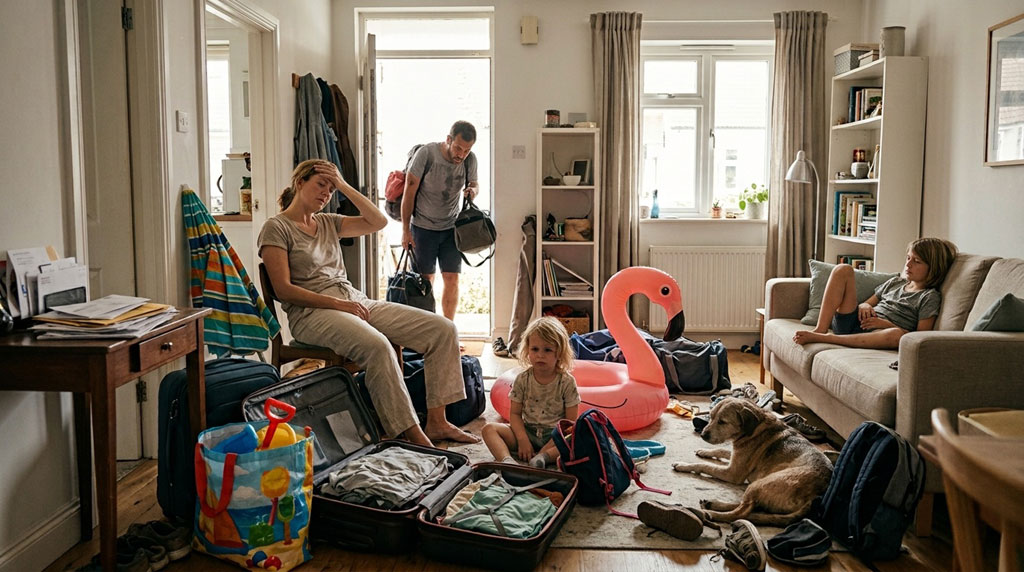
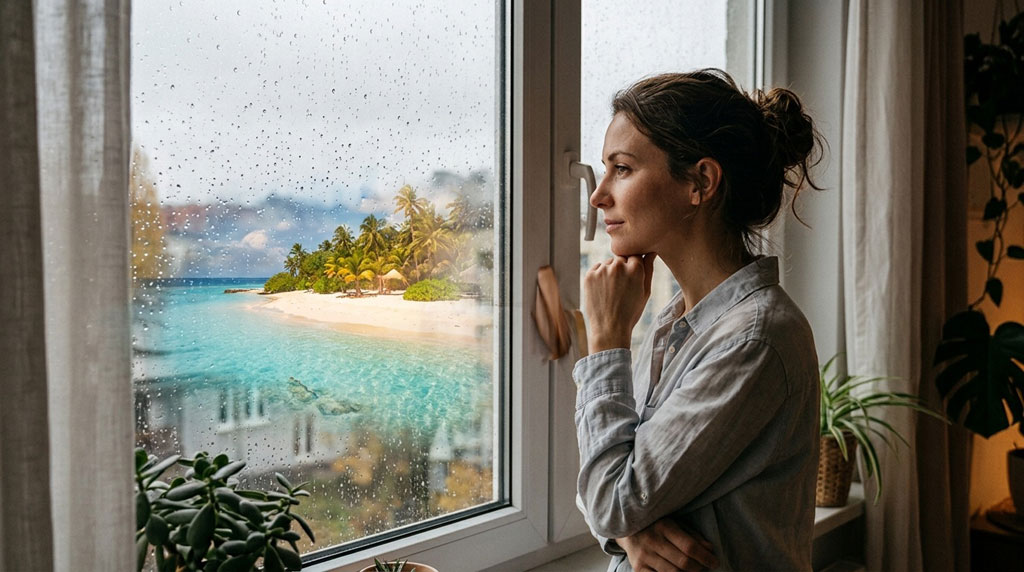
A rather complex syndrome, which I’ve been aware of for some time now, is “post-vacation blues” or “post-holidays blues”—in Italian: post-vacation melancholy—which, obviously named in the Anglo-Saxon tradition, has emerged as a significant condition of psychological distress, complete with a whole host of symptoms and related advice on how to recover.
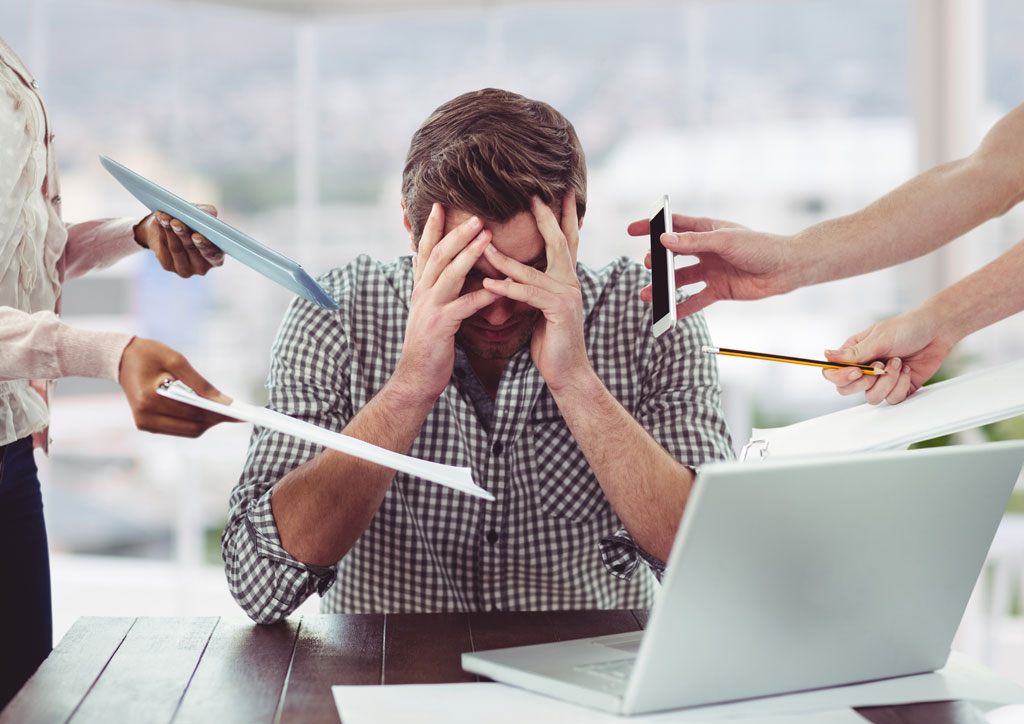
This debilitating syndrome is said to affect people upon returning from vacation when, as they face the stress of daily life again, they experience anxiety, depression, and agitation that are even worse than the very issues for which the vacation was planned in the first place. For this reason, esteemed specialists weigh in through the press or on social media, proposing specific recovery activities: relaxation, problem-solving, meditation, and so on and so forth.
I believe that any of us, after a peaceful period of vacation and relaxation, at the thought of returning to the frenzy of daily life—intense, stressful, and competitive, as is typical of our Fordist society—would have some temptation to stay hidden under a beach umbrella or a fir tree and never be found again. But what we, poor unsuspecting souls, thought was normal, we now know is actually a potential illness.