
Caregivers: recognition is not enough – families need services and resources

Caring for an elderly, ill or disabled family member often means reorganising one’s life around their needs, for months or even years. Doctor’s appointments, medication, help with daily activities, the costs of care and personal sacrifices become part of a routine from which it is difficult to find respite. The Veneto Region has dedicated Law No. 23 of 7 October 2026 on family carers to those who carry out this work, often without pay and without specific training. This measure formally recognises the role of those who look after a vulnerable person, but it has yet to prove its ability to ease the burden on families.
‘This is the first time that attention has been focused comprehensively on those who provide help to their loved ones, and not just on the person receiving care,’ observes Paola Roma, Regional Councillor for Social Services, Family, Longevity, Sport and Housing Policy. The law, in fact, regards the carer as someone to be supported and accompanied, not merely a resource on which health and social services can rely. This recognition applies to anyone who cares for a family member free of charge, even if they do not live together, and paves the way for support in various areas: psychological support, training, work-life balance, insurance cover, respite care, combating loneliness and educational support.
The transition from the legislation to its implementation, however, will still take time. The Region will need to set up a permanent working group comprising experts, tasked with defining the guidelines for organising these measures. The work will be coordinated by the Social Services Directorate, in collaboration with the regional bodies responsible for employment and vocational training. Among the tasks will be establishing how to certify the skills acquired by carers through experience and how to recognise any training credits. The implementing measures are expected within 180 days of the law’s approval, but for families, the timing and procedures by which the individual measures will become available remain to be seen.
Venice: Verone’s final masterpiece re-emerges from the darkness
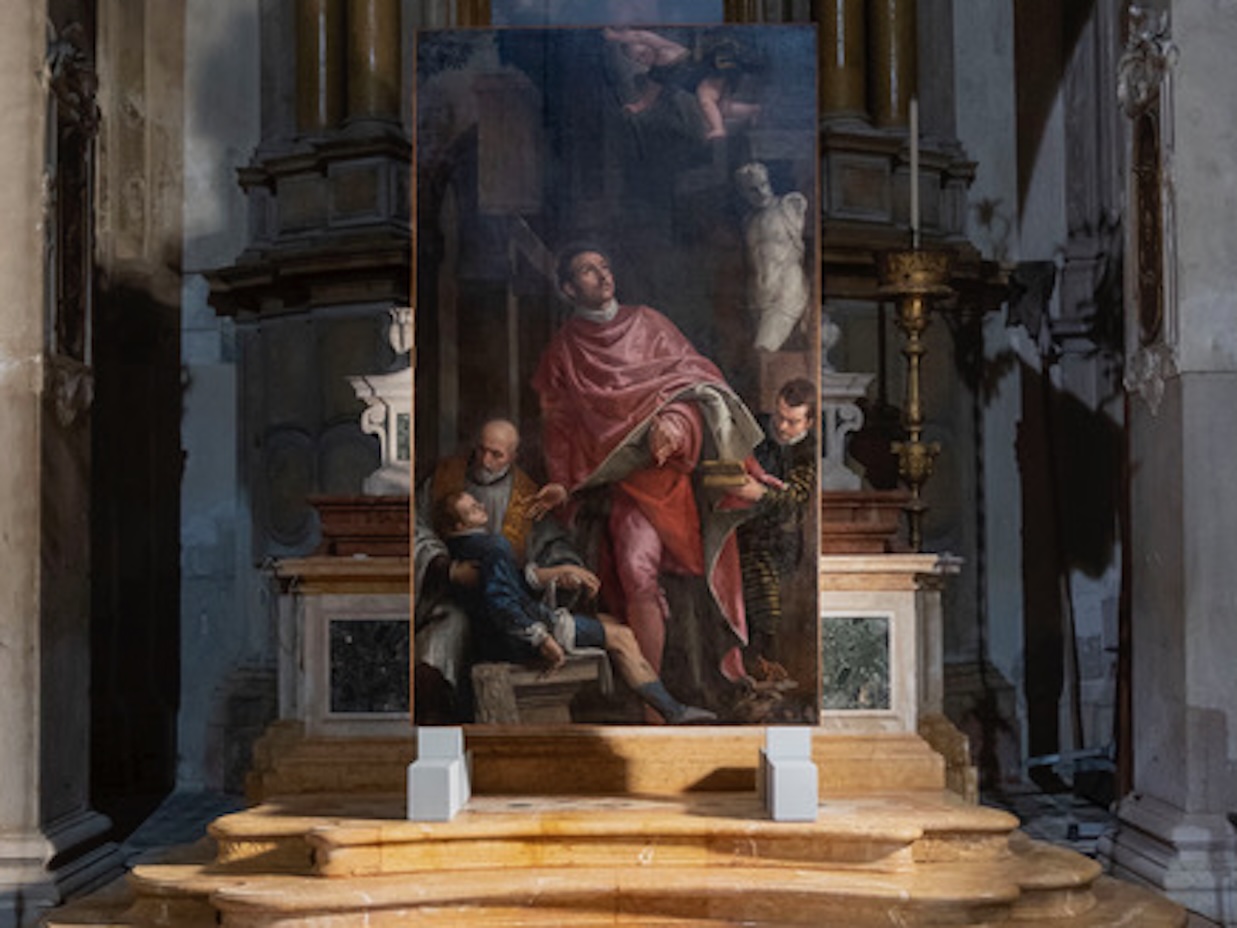
It was in 1587 that Paolo Veronese painted ‘Saint Pantalon Healing the Boy’, his last known work, commissioned for what was once the high altar of the church of San Pantalon in Venice. Now the restoration, carried out by the conservator Giulio Bono and his team, under the supervision of the Superintendency and the Patriarchate of Venice, has allowed for a fresh interpretation of the work, bringing to light colours but, above all, tones and chiaroscuro that were previously difficult to discern, revealing details in the background that had previously remained hidden in the darkness that had long permeated the painting. The restoration work, unveiled on Thursday 12th, was made possible thanks to the American organisation Save Venice, which also funded the restoration of the Chapel of Saint Anne in the church (read more here), thanks to a contribution from Arnold M. Bernstein, who passed away before the work was completed.
The altarpiece is of paramount importance for understanding the history of the church, as it originally adorned the high altar and remained there until the renovation of the 16th-century building, which took place between the 17th and 18th centuries, when the church’s architecture was rotated by 90 degrees and the high altar thus became a side chapel, whilst Fumiani’s imposing cycle of paintings, which still adorns the entire ceiling today and is considered the largest painted ceiling in the world, came to the fore.
‘The work, which is now considered to be off to one side, was once the liturgical centre; the church’s patron saint played a fundamental role,’ said Melissa Conn, director of the Venice office of Save Venice.
“As a young priest, back in the 1980s, I used to see doctors coming here on pilgrimage from all over the world,” recalled Father Gianmatteo Caputo, director of the Patriarchate’s Cultural Heritage Office, thanking Save Venice for its intervention in support of the devotional artistic heritage.
Altino: the church of the first bishop has been identified
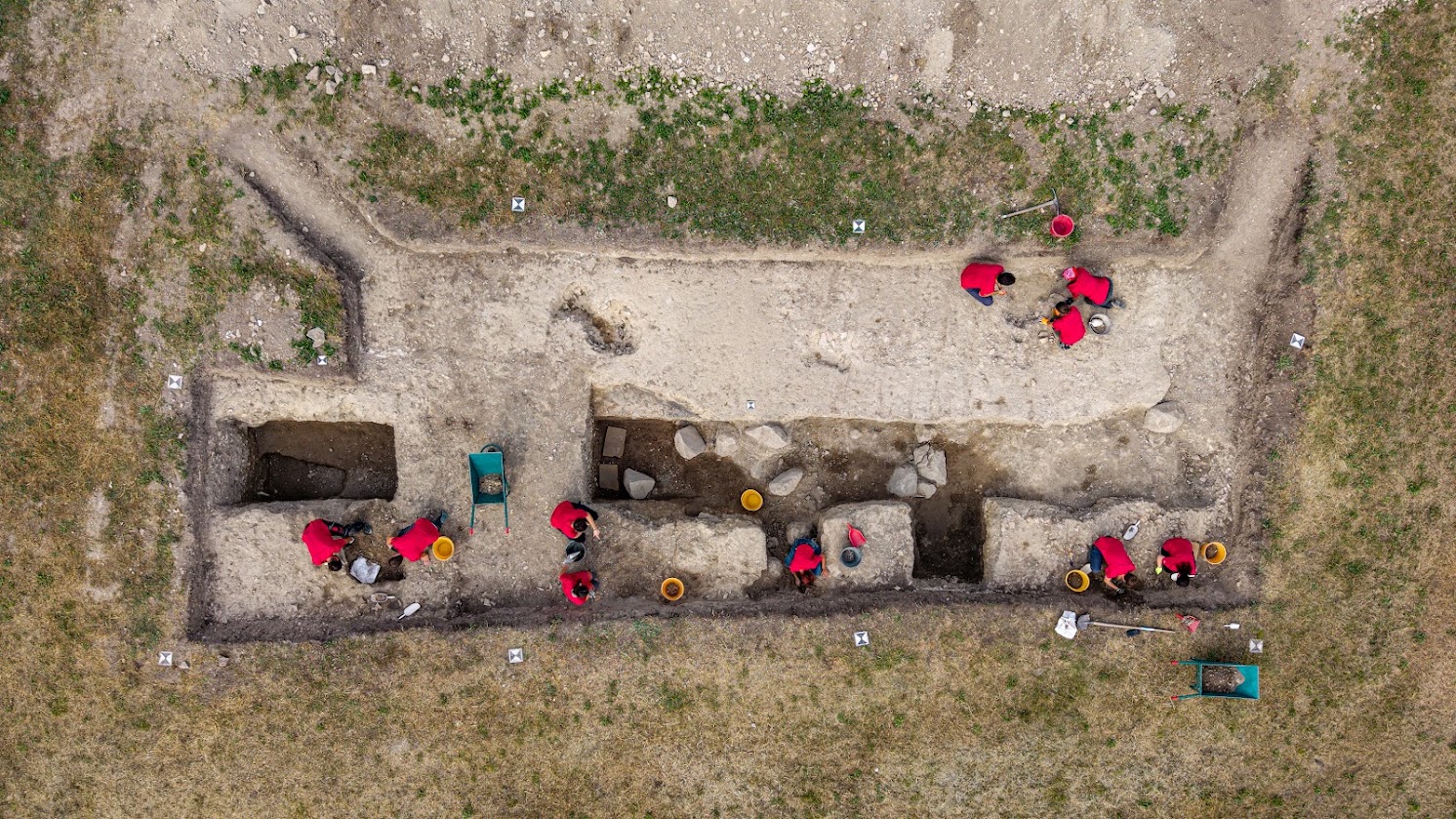
After centuries of written records and decades of archaeological research, the episcopal church of the ancient city may have been identified in Altino, along with what appears to be the bishop’s palace. The discovery stems from excavations carried out by Ca’ Foscari University in the Altino Archaeological Park, which continued between September and October 2026 following the initial findings from last year. The church is a rectangular building measuring approximately 30 metres by 20 metres, without an apse and facing east. Archaeologists date its construction to between the end of the 4th and the first half of the 5th century AD. On the eastern side, a second large porticoed building with a complex layout has been identified, which may be the bishop’s palace. Its imposing foundations suggest a two-storey structure. ‘For the first time, we can say with a high degree of certainty where the church and the bishop’s palace of Altino were located,’ explains Diego Calaon, director of the excavation and lecturer at Ca’ Foscari. Historical sources attested to their existence, but until now there had been insufficient archaeological evidence to pinpoint their exact locations. Among the earliest records is a letter from Saint Jerome dated 396 AD, addressed to Heliodorus, the first bishop of Altino. The text describes the dedication of the young priest Nepoziano to the upkeep of the church, from the altar to the walls, from the floors to the doors and the sacred vessels. This account coincides with the period in which archaeologists date the building’s foundation. The reconstruction of the complex was possible despite the profound changes the area has undergone. Agricultural activities and the systematic extraction of building materials have obliterated much of the ancient structures. Bricks and stones from Altino were reused on building sites in Torcello and Venice.
The island of Sant’Erasmo and the parish’s 100th anniversary: ‘There are few of us, but we’re holding on’
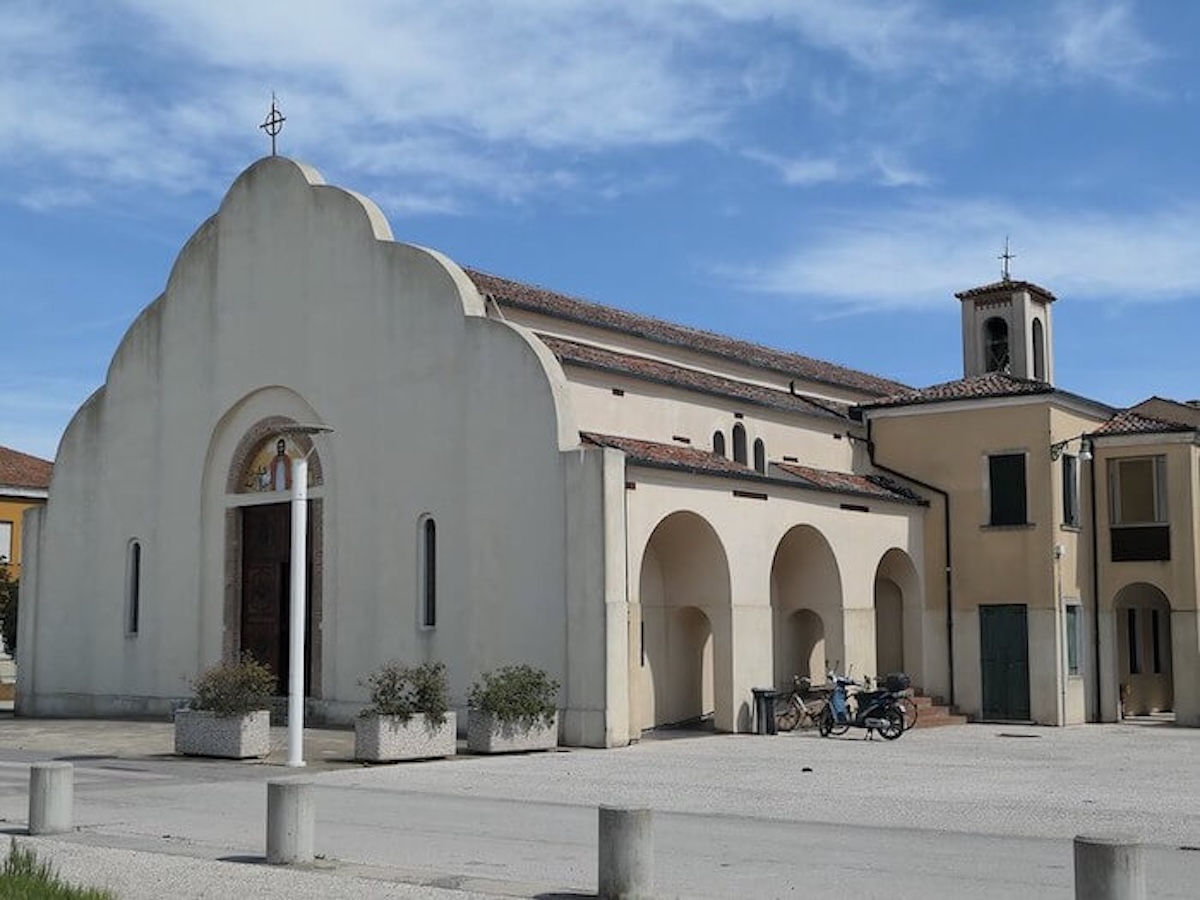
They call it the ‘vegetable garden of Venice’, but the island of Sant’Erasmo, a pearl of the Venetian lagoon, is so much more than that. A small but lively community still lives here, tenaciously holding its ground and defending its traditions. A strong sense of identity stems from the parish church, dedicated to Christ the King, which will celebrate its centenary this Sunday in the presence of the Patriarch of Venice, Francesco Moraglia.
The Matteotti Trial: a Venetian translates the shorthand transcripts of the trial

A document to be deciphered, concerning one of the darkest chapters in 20th-century Italian history. And a passion – for shorthand – which has evolved from a hobby into an essential tool for understanding. Today more than ever.
A group of shorthand enthusiasts, including Filippo Martin from Venice (an administrative officer at the Venice Seminary), is deciphering the documents from the ‘Matteotti trial’ – that is, the shorthand transcript of what took place in the courtroom in Chieti in 1926, when those responsible for the abduction and murder of Giacomo Matteotti in 1924 stood trial. A trial which reclassified the murder as ‘unintentional’, resulting in lenient sentences and penalties for the guilty parties. According to historians, those events marked a turning point in the consolidation of the Fascist regime in Italy, which is why they remain a subject worthy of study and further investigation even today.
And this is where the research being carried out by Filippo Martin, Gabriele Pellegrini and Marco Cerini comes in; they were contacted by the Matteotti Foundation via the Meschini Institute.
Water buses in the lagoon: new engines have reduced pollutant emissions
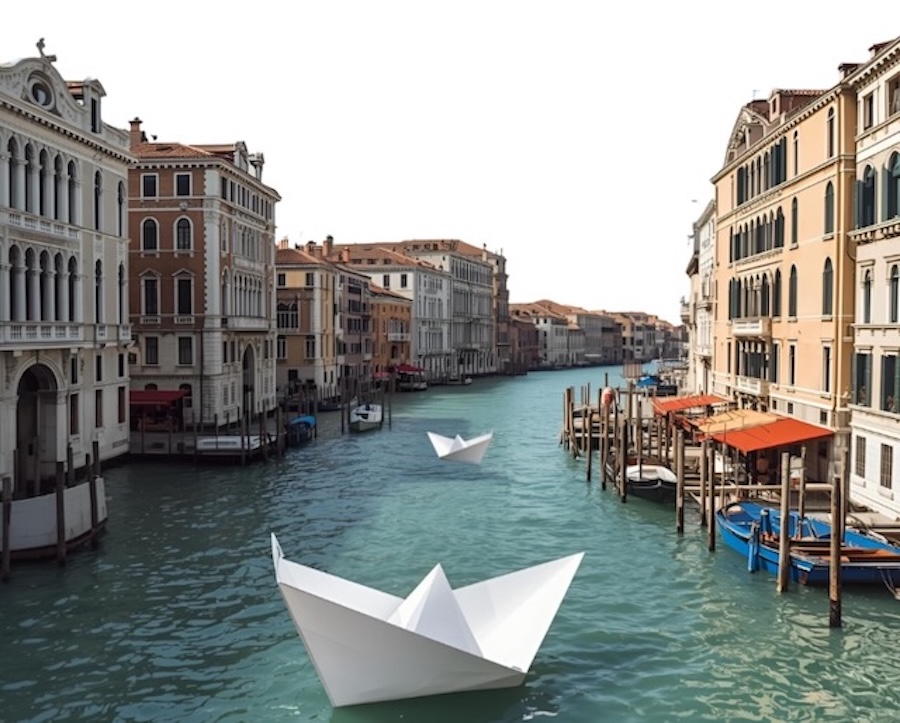
Up to 34 per cent fewer nitrogen oxides from ACTV water buses on routes within Venice, and a reduction of almost 50 per cent from Alilaguna’s hybrid vessels on routes between the islands. These are the findings of the study Emissions in the Lagoon: An exploratory investigation into the impact of passenger transport on Venice’s canals, presented on 19 November at the IUAV University of Venice during the conference ‘From the sources to the sea’, dedicated to the relationship between water, energy and climate.
For the first time in Venice, measurements were taken directly on board, whilst the vessels were in service, taking into account traffic, passenger loads and stops during the daily service. The research, which arose from discussions with the Veneto Region, was carried out by the Venice Sustainability Foundation (VSF) in collaboration with the City of Venice (ACTV and AVM), Alilaguna, AVL Italia, PwC and Sanlorenzo. It was presented by Silvia Oliva, coordinator of VSF’s project activities, who led the study alongside Roshan Borsato and Anna D’Este from the Foundation, and Florian George Bonadeo, Carla Riccio and Andrea Sangermano from AVL Italia. The conference was organised by the City of Venice, which leads a network of institutional and scientific partners, including the Foundation.
It’s so cold! My teeth are chattering…

We’ve all experienced our teeth chattering at least once on a particularly cold winter’s day. This is a defence mechanism that our body automatically triggers to generate heat. Just as the sweltering heat and heatwaves affect us in summer, so too can low temperatures and sudden changes in temperature in winter have an impact on our oral health.
In fact, what ‘bothers’ our teeth the most are precisely these sudden changes in temperature, as the mouth maintains a temperature of around 36–37 degrees, and a rapid change in temperature causes the teeth to contract. This can damage the enamel, making the teeth more brittle and sensitive.
Venice: the Chapel of Sant’Anna, damaged by the Acqua Granda, has been restored
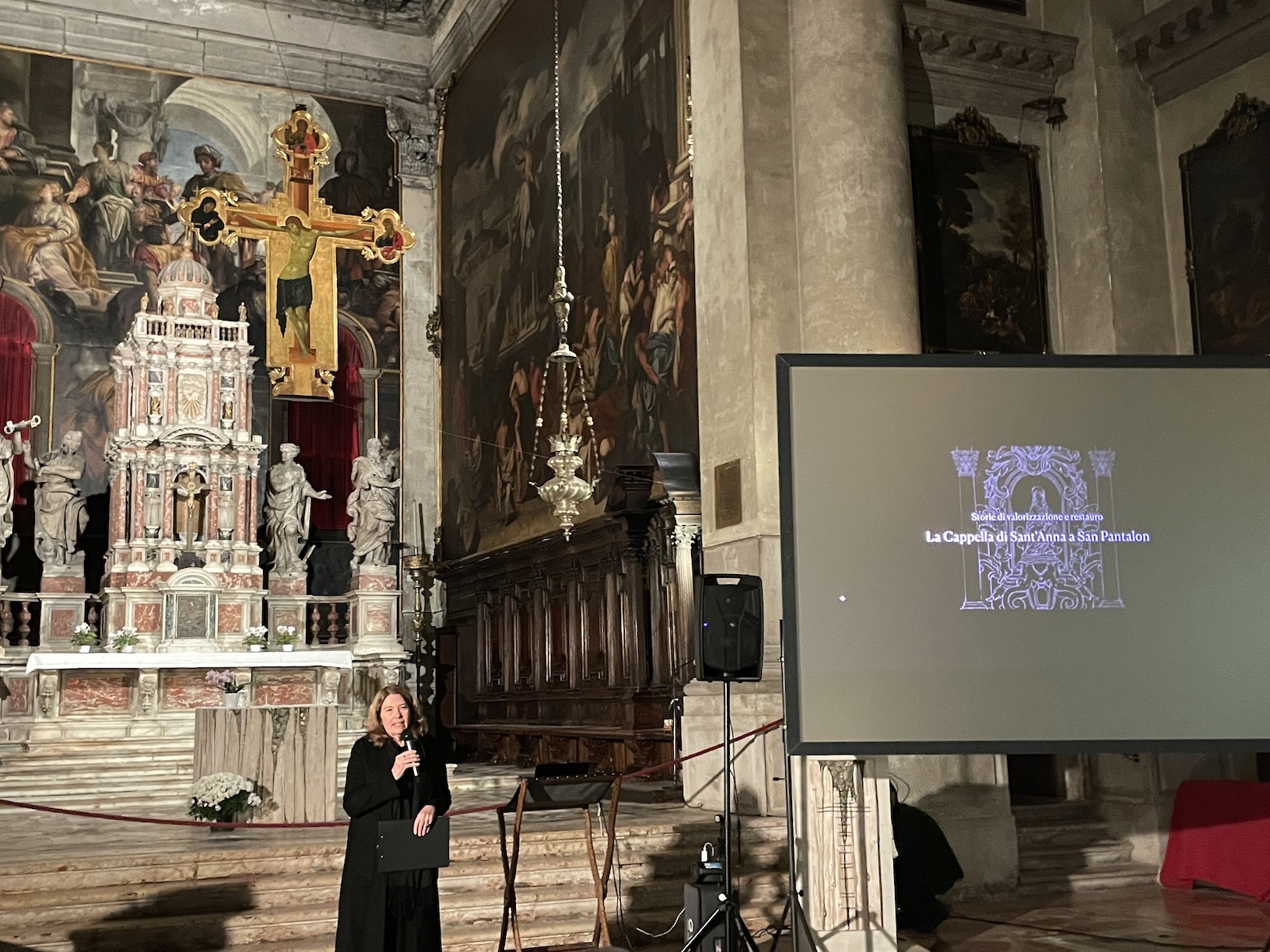
Now that the marblework has been restored to its original splendour and the problems caused by damp and salt efflorescence have been resolved, the Chapel of Saint Anne in the Church of Saint Pantalon in Venice can be appreciated in its entirety. A major heritage enhancement project has been completed following two years of work carried out by restorers from the firm Uni.S.Ve, whose technical director is Guido Jaccarino, was made possible thanks to funding from the American Save Venice Committee, which, through a donation from Arnold M. Bernstein, also financed the restoration of the painting ‘St Pantalon Healing the Boy’ (read more here).
The works, directed by architect Giovanna Ferrari, under the supervision of the Superintendency and the Patriarchate of Venice, was presented on Thursday 12th in the presence of the parish priest, Marco Pellegrini, the Superintendent, Corrado Azzollini, and Don Gianmatteo Caputo, director of the Patriarchate’s Cultural Heritage Office.
The restoration work as a whole involved the chapel’s decorative elements in marble and stone, the altar, the reliefs, the balustrades, the sculptural ensemble and even the marble flooring, thereby resolving the problems caused by corrosive dirt, dust, water ingress and, above all, salt efflorescence which, particularly following the ‘Acqua Granda’ of 2019, threatened the integrity of the chapel.
The Chapel of Saint Anne was probably built in 1696, commissioned by the Company of Noblewomen Devoted to Saint Anne. The church, first mentioned in 1161 in a document by Pope Alexander III, has undergone numerous renovations over the centuries. The last of these, completed at the very beginning of the 18th century, saw the building embellished in the Baroque style with various altars and a ceiling depicting the ‘Martyrdom and Glorification of Saint Pantalon’ by Giovanni Antonio Fumiani. The chapel’s intricate architectural, sculptural and pictorial ensemble has now been restored to its full splendour thanks to work involving the cleaning and desalination of the stone elements, the removal of surface deposits and the repair of damaged or detached parts.
Eighty years of music and faith: choirs from past and present gather at La Gazzera
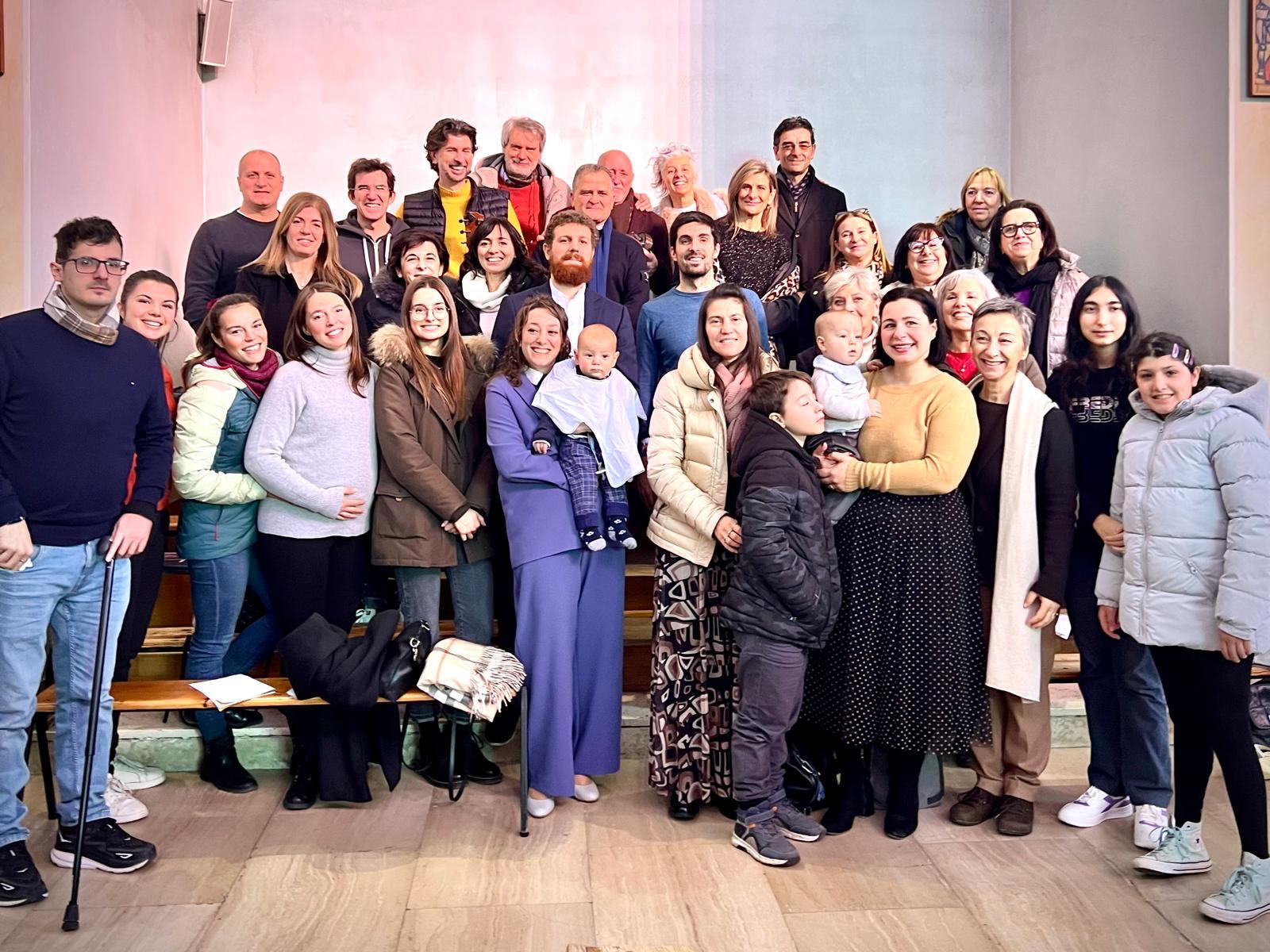
A special evening featuring the choirs that have been, and continue to be, an integral part of community life: on Saturday 21 November, the feast day of Our Lady of Health, the parish of Santa Maria Ausiliatrice in Gazzera will bring its jubilee year marking its first eighty years to a close by gathering in the church, starting at 8.45 pm, for an evening devoted entirely to songs performed by nearly 200 singers from past and present. From the moment the then Patriarch Adeodato Piazza established the parish – by a decree signed on 25 April 1946 – if there is one thing that has never been lacking here, nor has it ever ceased, it is the attention (and care) paid to the liturgical and musical accompaniment of the celebrations. ‘Our community in Gazzera has always been fortunate to have people who sing,’ says Stefano Allorini, one of the event’s organisers, who, for about ten years whilst Don Luigi Stecca was parish priest, conducted the parish “Schola Cantorum”. Over time, the instruments have obviously changed, the conductors and the choristers, but the musical and liturgical accompaniment has never ceased, always in keeping with the Church’s liturgical guidelines, particularly those of the Second Vatican Council, and always with the aim of helping the congregation to sing and to fully participate in the celebration. We recall with affection and tenderness that the earliest musical accompaniment was provided by the pedal harmonium played by Sister Callista, the mother superior of the Mantellate sisters here at the parish nursery school, who now sings with us from heaven.” Over the years, the repertoire of the Schola Cantorum of Gazzera has thus ranged from hymns for and with the congregation to four-part polyphony, and there have also been performances outside the parish, enlivening Masses and celebrations at San Marco (for example, for the commissioning of catechists or on special occasions), as well as at La Salute and in other parishes, even outside the diocese; on the occasion of the Jubilee in 2000, it had also organised a recital.

