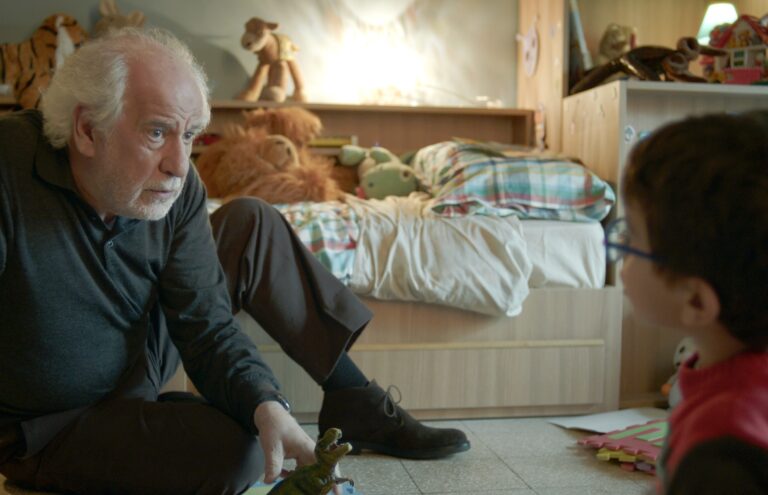


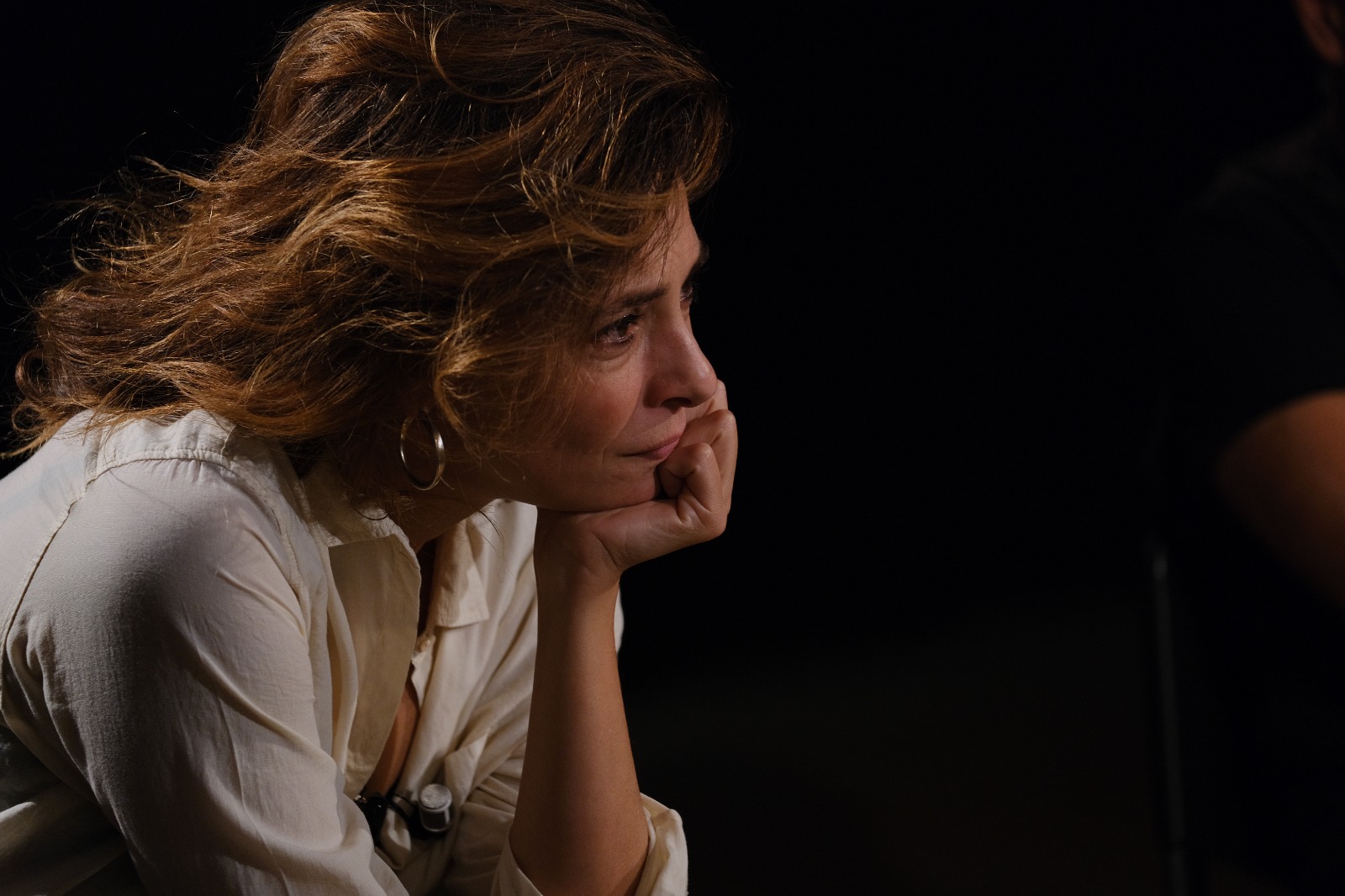
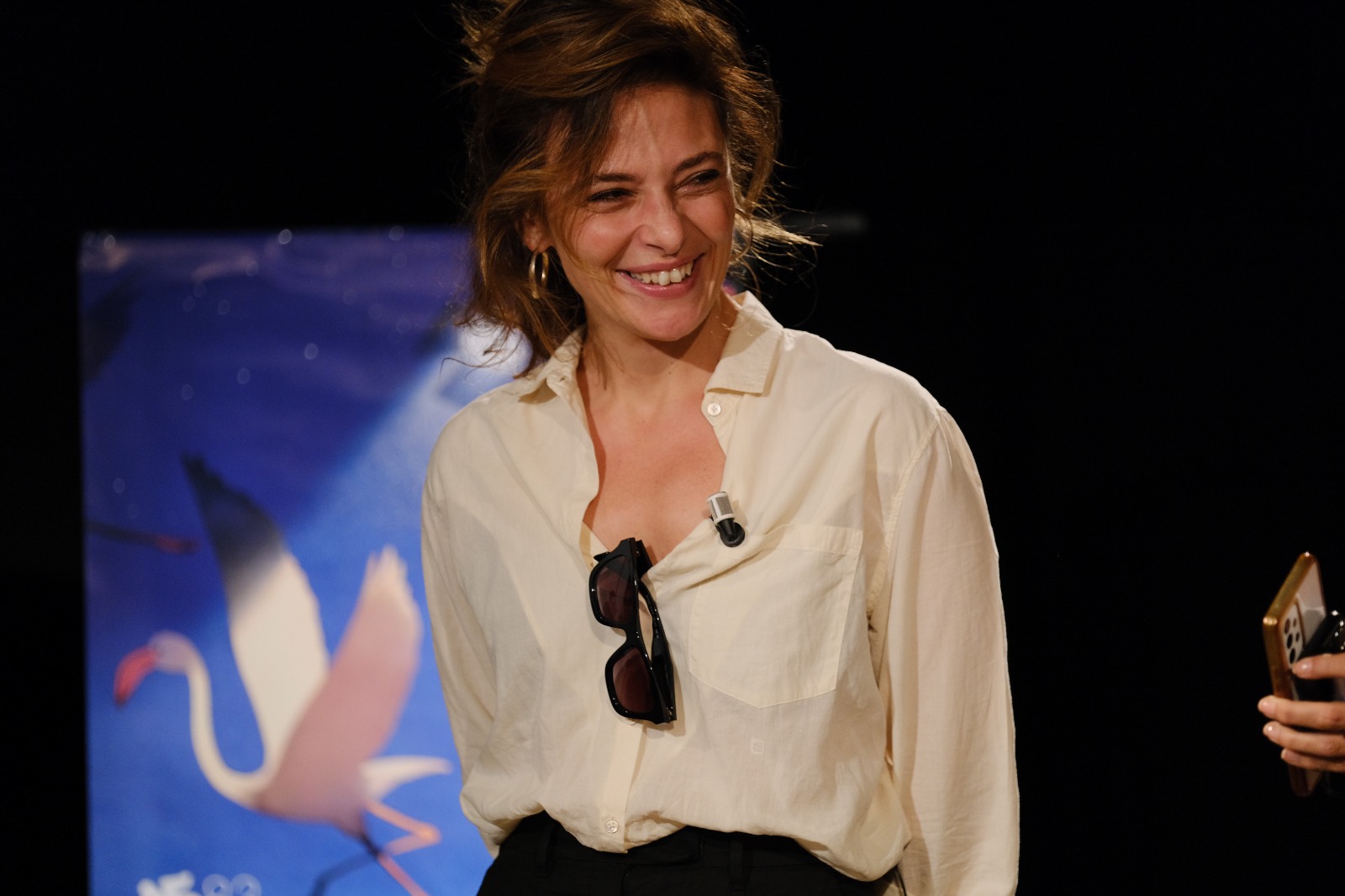
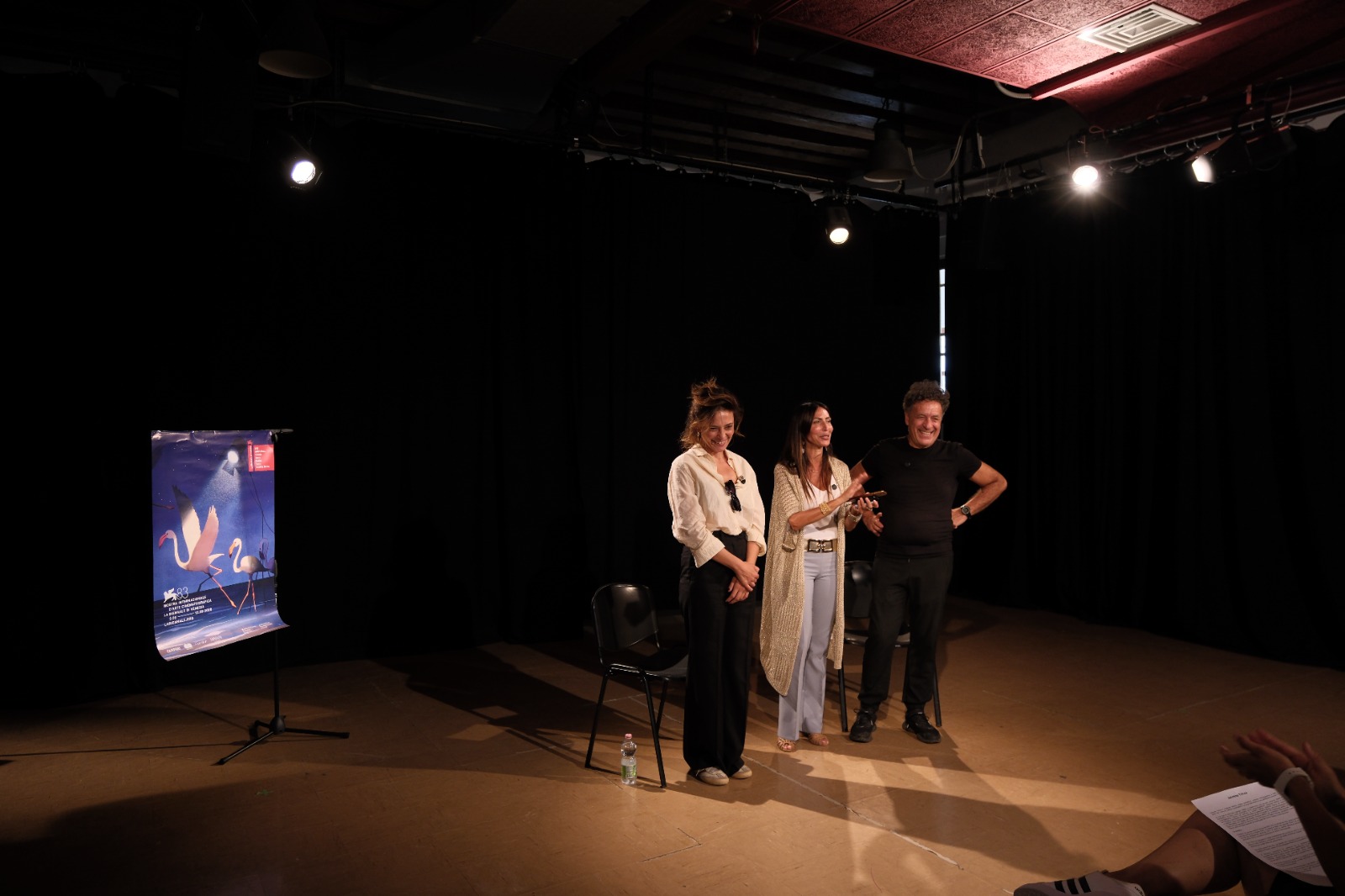
“Thank you for letting me come into your lives,” Trinca began, addressing the women present, before recounting her early days in film—when she was very young—with *La stanza del figlio* (Palme d’Or at Cannes), a film the inmates had had the chance to see in the previous days along with *Fortunata*. “I was still in school and wanted to become an archaeologist. When I started making films, I began to give shape to pain and joy: putting a piece of our broken heart into art is a form of survival. I was curious about the chance to meet Nanni Moretti, so I went to the audition organized right at my school. I remember that all the prettiest girls in school were there, and I didn’t know what to do or say,” she recounted. “In the end, I was asked how I spent my days.” Moretti, in search of authentic faces, was able to see deep into her, ultimately choosing her precisely for the person she was, as she emphasized during an initiative born from a collaboration between the city’s correctional facilities, the Biennale, and Balamòs Teatro. “He saw my life in me,” Trinca explained, noting that she is also fond of “Fortunata,” a film starring a young woman born in a Roman suburb who “speaks my mother tongue—in the sense that it was exactly the same as my mom’s: a simple woman who had nothing but who led me to imagine that redemption was possible. That idea that you can be different from the fate society has planned for you. My grandmother, on the other hand, was a legendary figure at the Testaccio market, where she sold fish.” The character she plays “struggles to get through the day. Life is hard, and movies don’t always have to convey the concept of a fairy tale.”
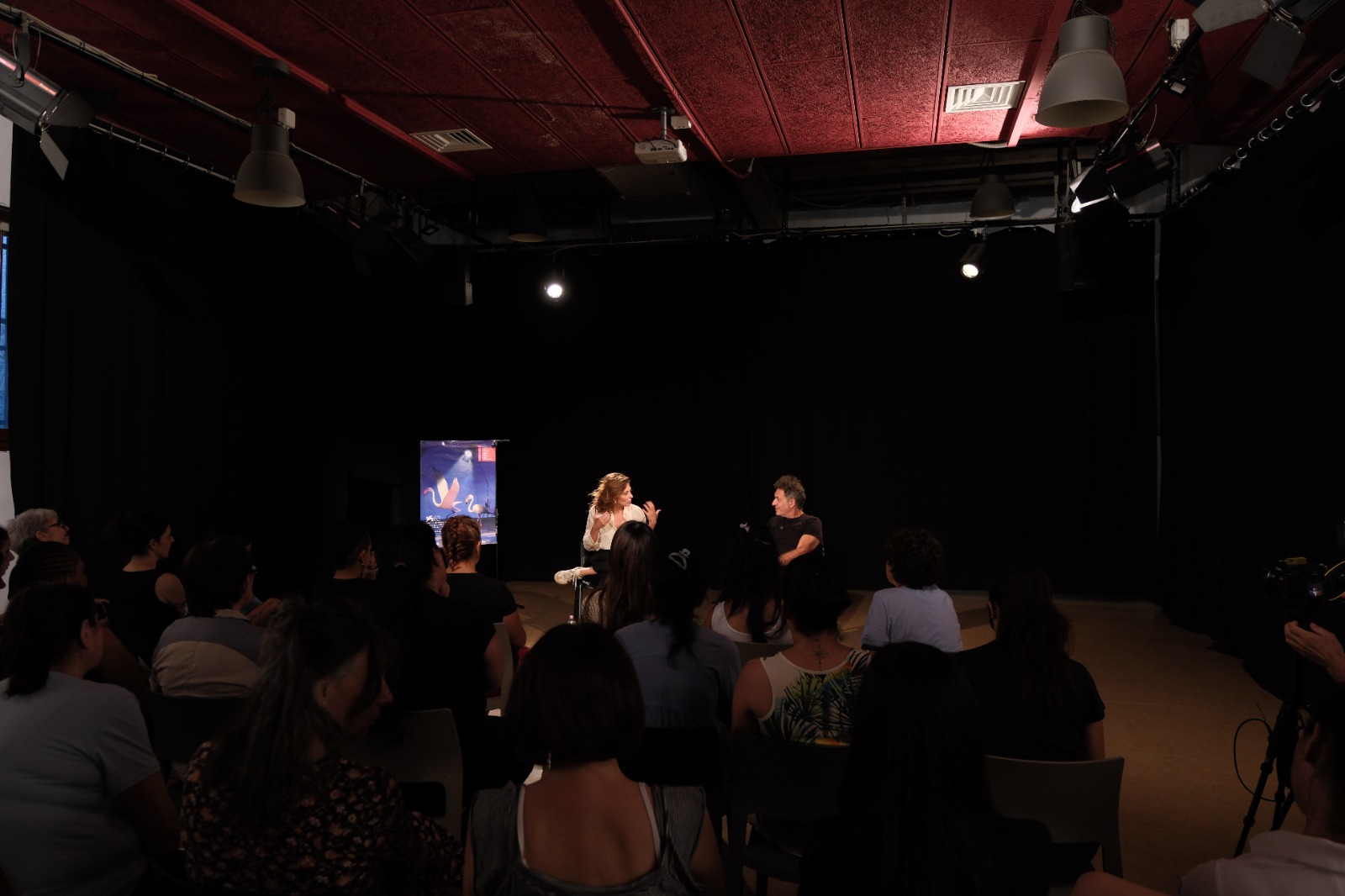
Among the inmates, some asked what emotions she felt upon entering prison, while others asked Trinca questions about her profession and the films in which she has acted. “The theater has changed me,” said one inmate. “It dug deep inside me, eliminating all my fears. I have a son I haven’t seen in five years, but the time will come when I’ll hold him in my arms again.” “Actors,” Trinca continued, her eyes glistening as she listened to their confessions, “are people who find the courage to step into the spotlight. At the same time, however, they are extremely fragile individuals, constantly plagued by doubt.” Regarding *Fortunata*, she then shared an anecdote: a mishap that affected the subsequent takes as well. “I hit a pothole and broke my foot, but I continued the scene because I already knew I wouldn’t be able to reshoot it precisely because of the injury.” It was a moment that, in a way, represented a “breaking of boundaries” for her—as acknowledged by director Sergio Castellitto—which pushed her to step outside her usual self and fully immerse herself in the role.
The prison warden, Maurizia Campobasso, addressed the issue of ICAM, which allows mothers to remain with their children until they are 6 years old. “There are women who prefer to keep their children out of prison (and for them, it’s like tearing their hearts out), while others make the opposite choice, especially if they have no other options,” she said. “What I did in the past—replied one of the inmates, who chose not to raise her son in prison—shouldn’t be his burden to bear.” “Even though the guards at ICAM wear plain clothes, children aren’t stupid. How do you explain the bars to them—another voice asked—or the word ‘prison’?” “Never judge a person,” urged the warden, referring to the period of incarceration, “at the worst moment of their life. My goal? To try to guide these women in facing this phase with awareness.” “Theater is for those who have something to say,” said Traitsis, who continues to introduce female and male inmates to the art of acting. And the process of coming to terms with pain can often yield extraordinary moments in theater.” Autographs, hugs, and Trinca’s expressed wish to “come see one of your productions someday” brought to a close an afternoon filled with emotion.