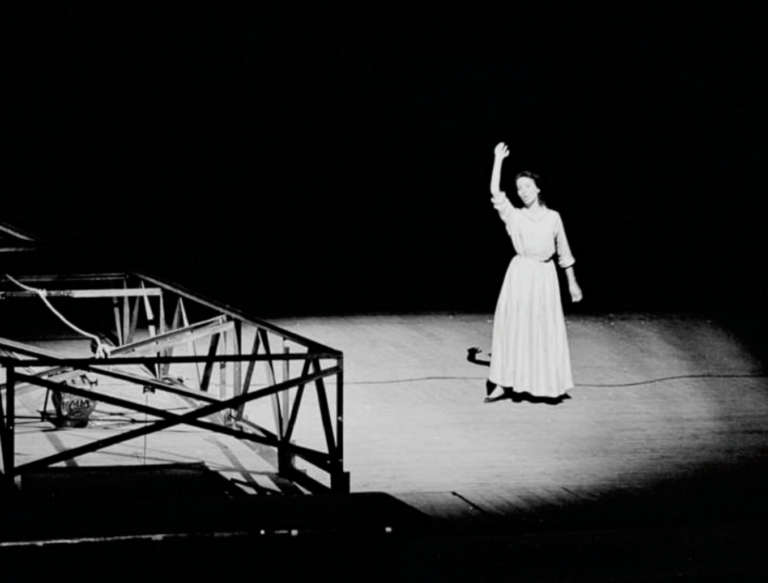


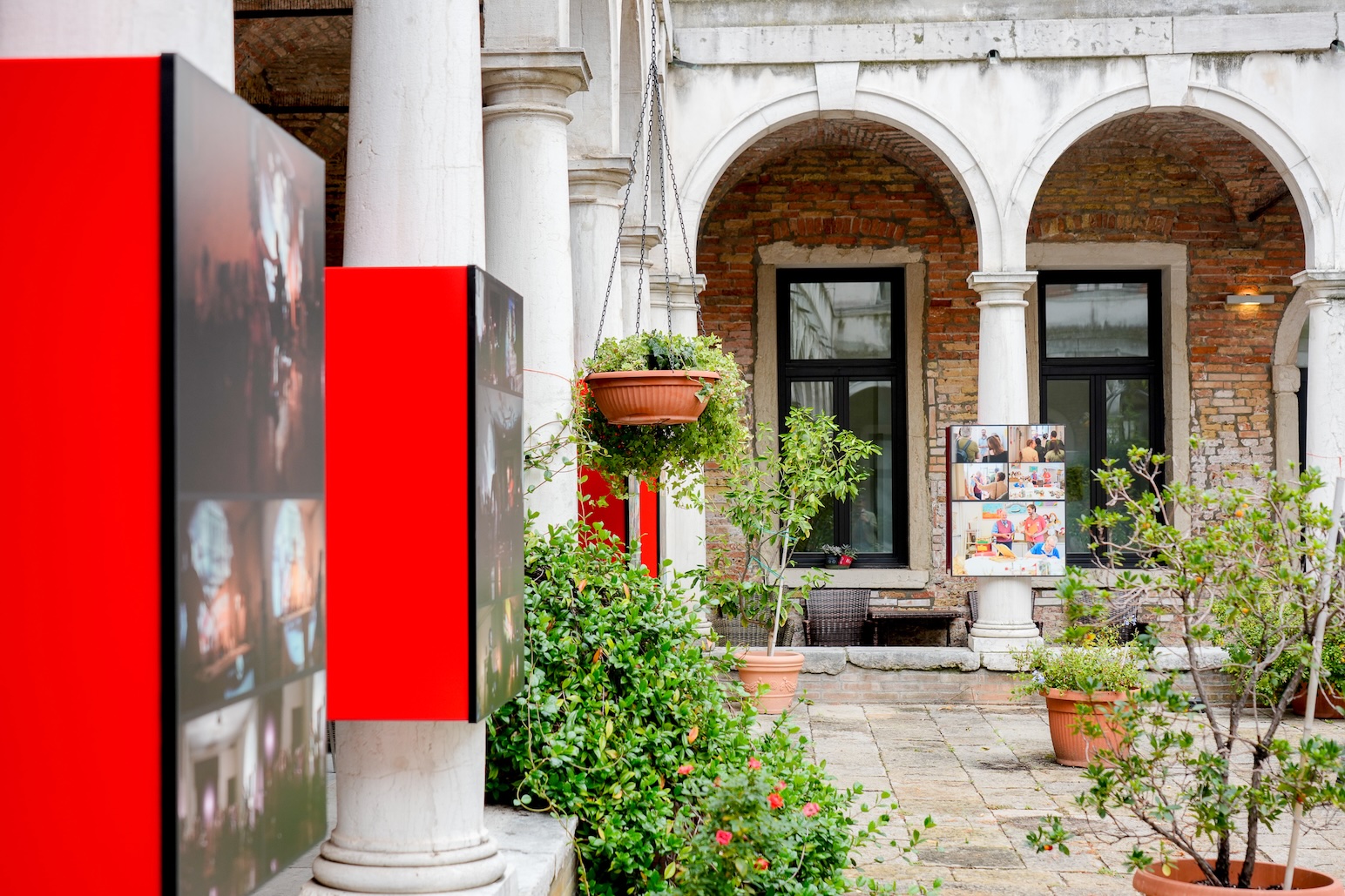
The extensive photo collection documents the workshops that were first offered to the elderly, giving them an opportunity to connect with one another and subsequently compile an archive of extraordinary voices and stories.
“The performance simply consisted of taking what had happened naturally to an even higher level of intensity,” explained Iodice.
"We really enjoyed the workshop, we were able to share our life experiences,,” say Susanna and Rosanna, guests at the house. Among them was also Romulus, at the time a union leader for the gondoliers, who recalled the political ideas that inspired him.
During the traveling performance throughout the shelter, Ms. Alberta—who had sold her house to move into the nursing home—baked bread and talked about the bakery her family used to run in La Maddalena.
Mr. Guglielmo , on the other hand, who recited Ugo Foscolo’s “A Zacinto” from memory, accompanied by Maria Stella from the artistic team with whom he was in dialogue, recalled his time in America and London, sharing with her, sixty years later, a life journey that was almost identical.
In total, there were 35 seniors participated in the workshops, and 19 of them went on to take part in the performance, as some had passed away in the meantime.
“Although it was a wonderful project, it was also a painful one, because we suffered some losses along the way,” explains Iodice. “-” "We worked with people we knew were about to say goodbye to us and, together with their families, we reflected on the significance of the experience they were going through, supporting them through this work,” he says, highlighting the initiative’s strong social impact.
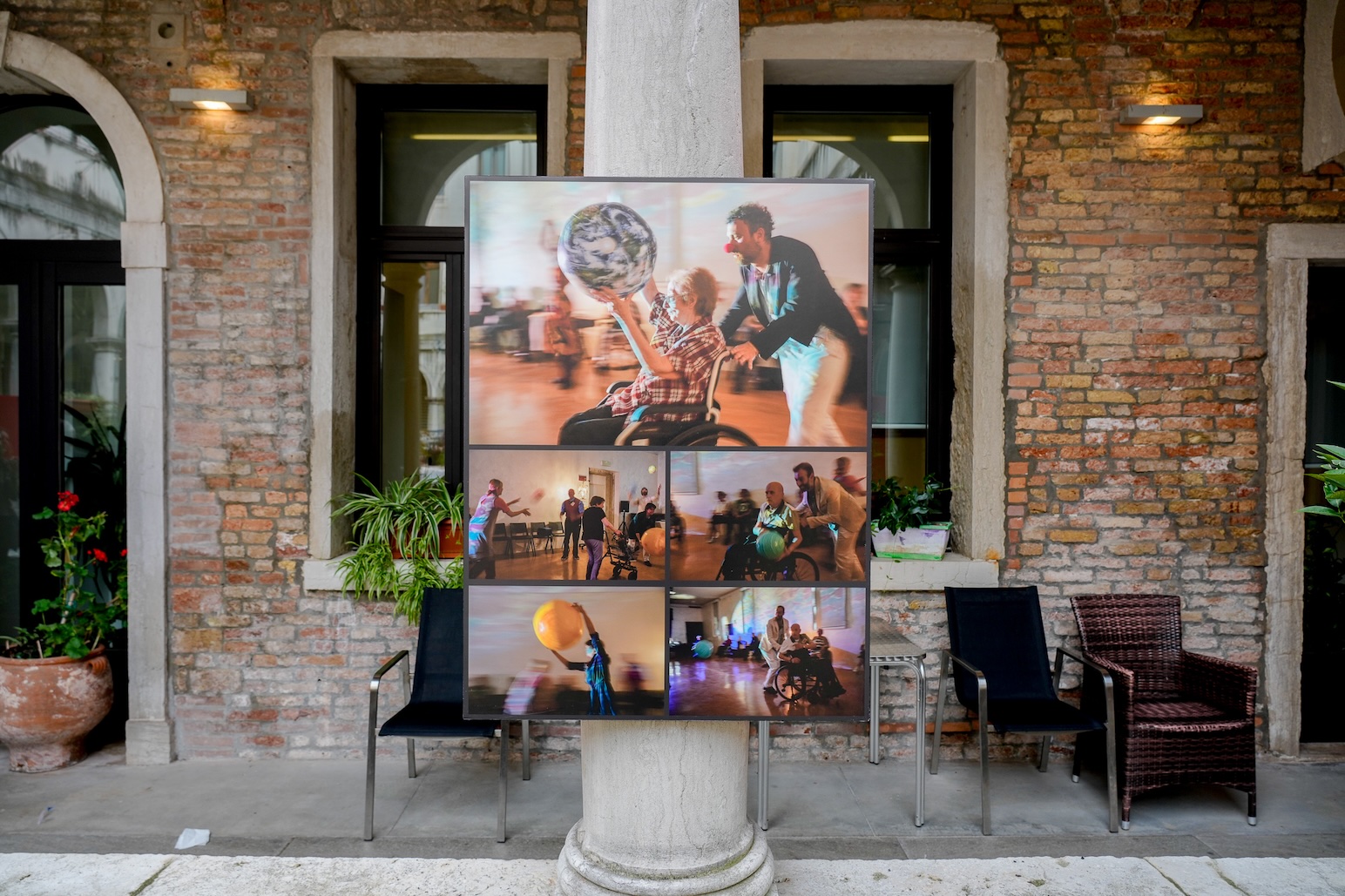
“Promemoria” is so named because during the workshops, the seniors were asked what remains when memory fades: “At the core of it all, feelings and ideas remain.”
A project to combat the sense of loneliness and abandonment that some residents may feel—in a place where, however, according to Iodice, there is more life than one might imagine: “It was a community effort; we chose this IPAV because of the exceptional work the educators do there.”
An incredible journey that transformed me and reminded me of what theater means to me, that is, the vital connection with people—with the experts on life. And there are many of them here. Theater, in fact, is not just the technical production of a show, but it is a process that fosters relationships.”
Iodice found so much humanity at the San Giobbe Nursing Home: “We encountered faces that form an emotional landscape of stories, jobs, and emotionsi. “They are a map of all the possibilities a person can experience in life,” he says. “In these places, you find a beautiful humanity. You expect a lot of melancholy and nostalgia, but…” There is a love of life that, though poignant, teaches us to live to the very end. "I noticed this in my father as well; I remember that toward the end, he used to say he wanted to fill himself up and gorge himself on life." — and he continues — "In the desire to live life to the fullest, even when the body is at its most fragile, there is a great lesson to be learned."
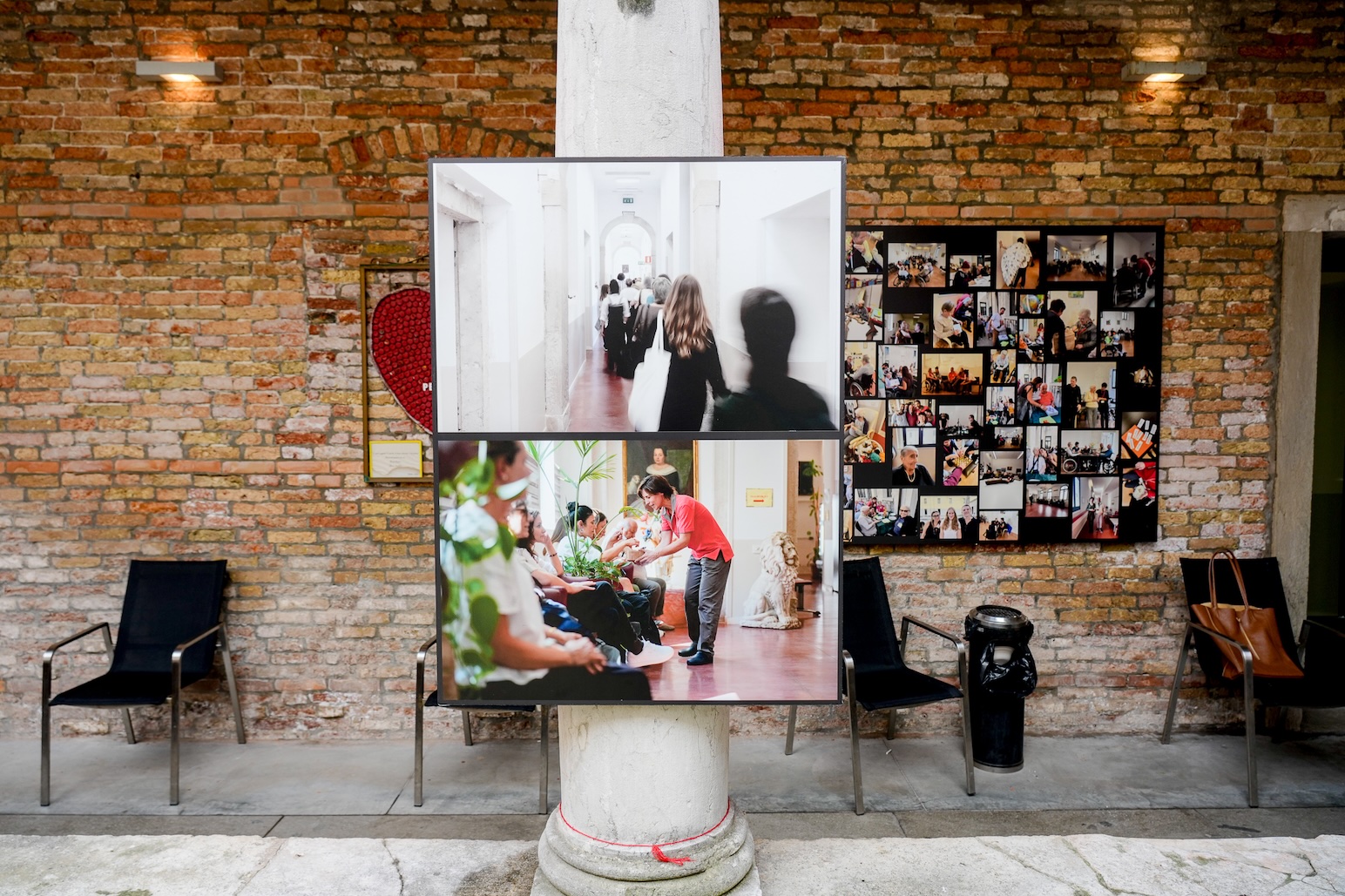
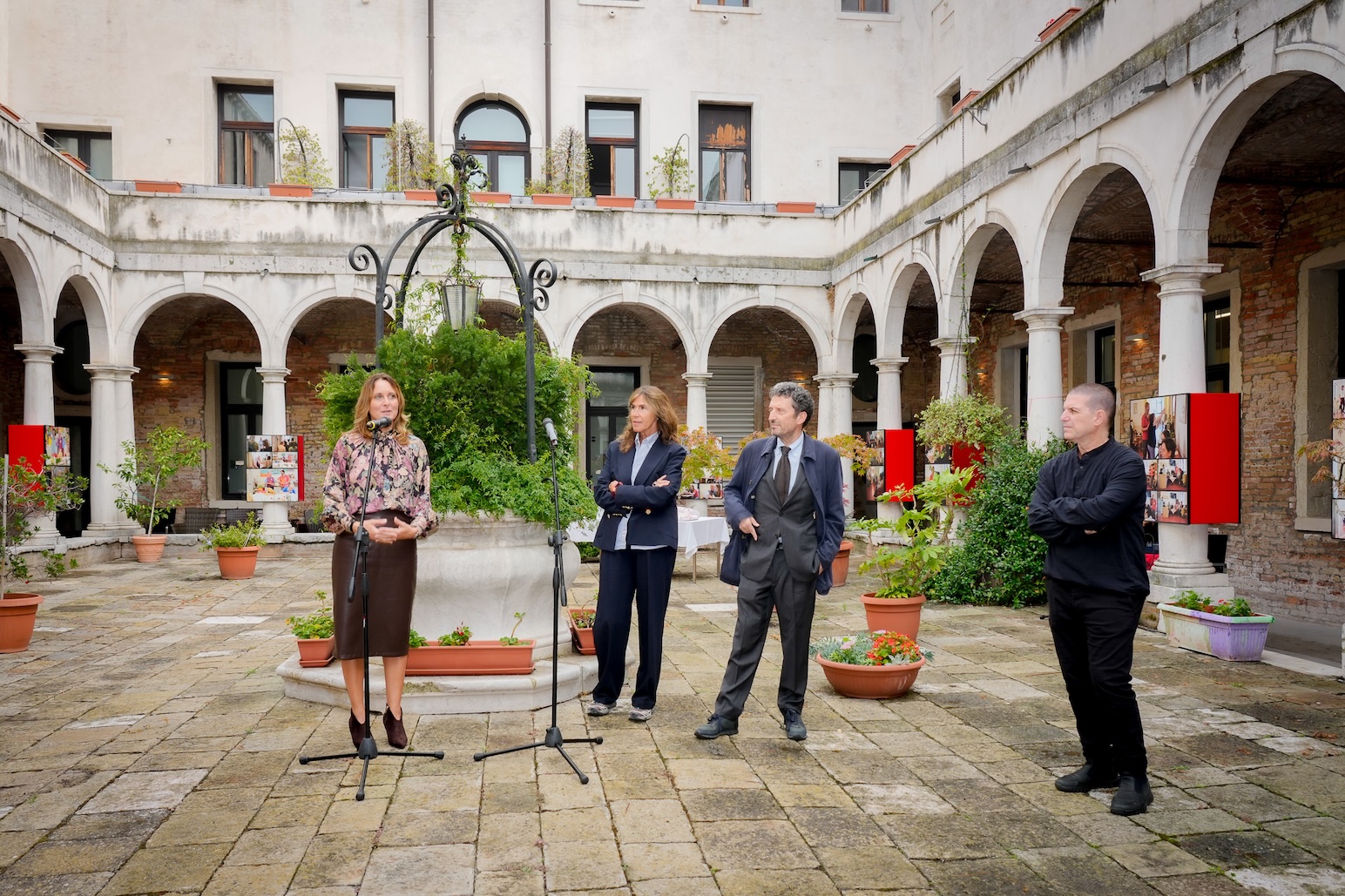
"The elderly were the real stars," said Elisa Pozzobon, Director of the San Giobbe Nursing Home—commenting on the exhibition that recounts their shared adventure.
The President of La Biennale, Pietrangelo Buttafuoco, then spoke at length about the importance of preserving the precious thread of memory, building a rich body of work: “Feelings of sorrow and joy are, here, memory transformed into a prism. The Biennale could not escape this, because this is what forms its enduring foundation.” —and he continued—“As a theater artist, Davide Iodice has gathered a report that has now been added to the Biennale Archives, in which is preserved the paradigm of an artistic event—though it becomes clear that the true event is life.”
A journey that everyone described as full of grace and charm, which was greatly appreciated by the staff at the home: “Nursing homes are environments that, unfortunately, people today still aren’t familiar with and about which they have hold many prejudices. "For us, it's also an opportunity to showcase our work beyond the stereotypes," he said Silvia Marzinotto, a teacher at San Giobbe.
In fact, projects in this area will continue. Soon, the nursing home will house a new Special project by the Historical Archives dedicated to the Acqua Granda of ’66, conceived by Marco Paolini and Michela Signori as part of the initiative ““Atlante delle Rive”, with consulting by Davide Iodice.
The guests are already looking forward to this new adventure, where they’ll be able to share their stories and emotions. As part of the project On November 4, La Biennale, 60 years after the extreme tidal event, will present “The Vigil of the Acqua Granda 1966–2066” , which will take place from 6:30 p.m. to 1 a.m. at the new location of the Historical Archives at the Arsenale. The focus of the evening will be on the letters to be written today and symbolically addressed to Venice in 2066. An invitation to everyone—Venetians and non-Venetians alike—to imagine the city of tomorrow and reflect on its future, starting with the climate crisis. The letters may be submitted in the “VENEZIA 2066” mailbox, which is to be sealed and kept at the Historical Archives until November 4, 2066, when the centennial of the Acqua Granda will be celebrated.