Gen Rosso: 60 years of history in concert in Venice
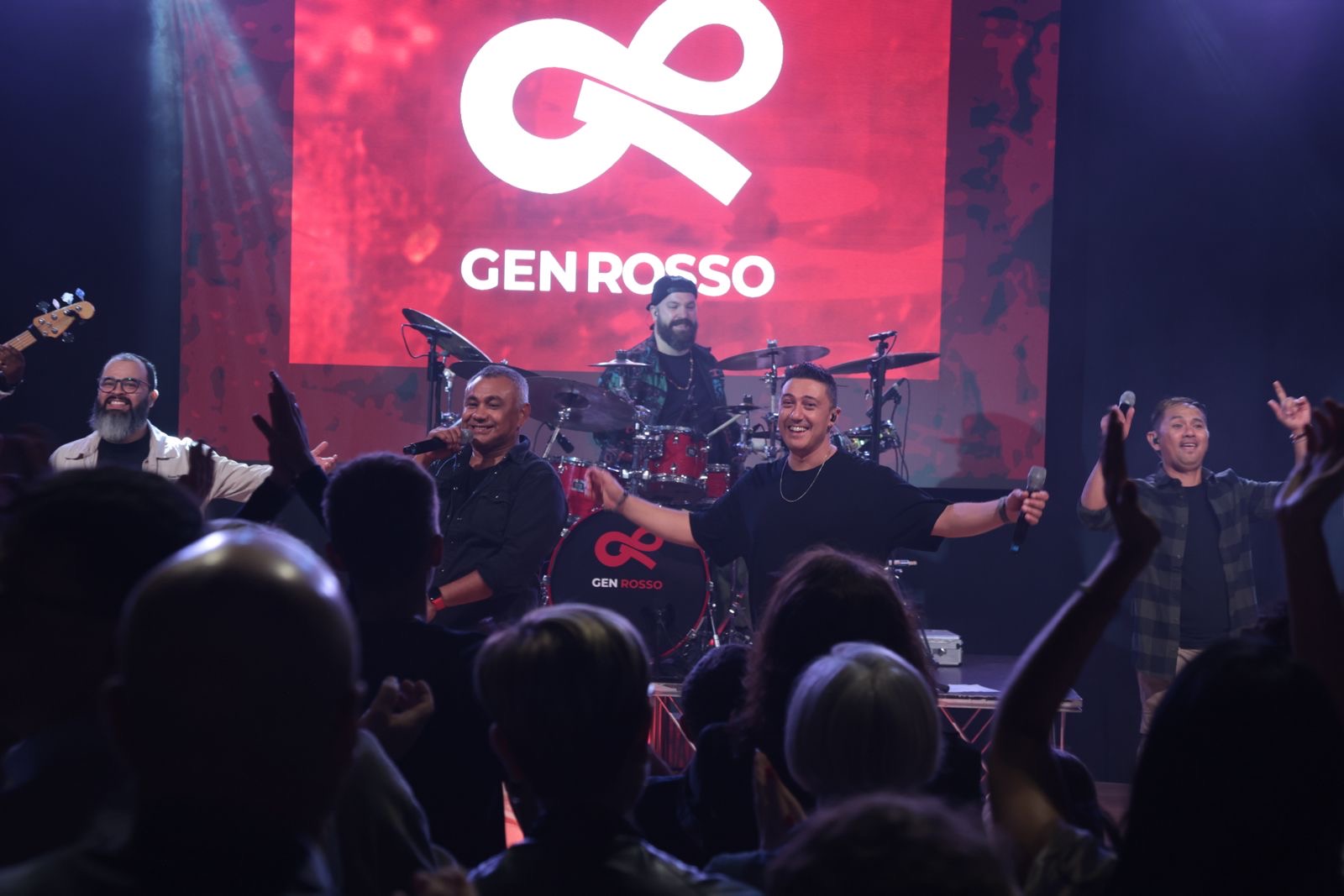
There is a fundamental question facing the Church and the adult world: how can we speak to young people about faith at a time when the future seems to offer ever fewer certainties? Perhaps the answer lies not only in words, but also in the notes of a song, the energy of a concert and the chance to feel part of a long-running project which, long after its inception, continues to captivate audiences of all ages. For the path taken by Gen Rosso International Performing Arts Group has always embraced entire generations, passing on iconic pieces from its repertoire that have remained timeless over the years, combining artistic performance with spirituality and raising awareness of the most pressing issues of yesterday and today. That very same journey will be retraced on 22 November, at 6 pm, when the group will take to the stage for the first time at the Teatro Goldoni in Venice with ‘Gen Rosso in concert’, an initiative promoted by the Comitato San Pietro di Castello Aps (to which the proceeds will be donated) and dedicated to music, peace and brotherhood. A significant milestone in the run-up to the celebrations marking the 60th anniversary of the group’s founding, which will officially begin on 23 December. “Music is a natural and universal language,” explains Tomek Mikusinski, Gen Rosso’s spokesperson, who is of Polish origin. “More than artists, young people need role models.” Words that encapsulate the essence of an artistic experience in which the concert becomes – beyond the performance itself – an opportunity to come together, recognise one another and rediscover values often stifled by the hustle and bustle of daily life. Founded in 1966 in Loppiano, Tuscany, following an idea by Chiara Lubich, founder of the Focolare Movement, the group took shape when a guitar and a red drum kit were given to a group of young people. The idea was simple, yet innovative: to use music to convey a message of brotherhood and Christian renewal. Since then, generations have come and gone and musical styles have evolved, but the desire to build bridges between people and cultures has remained intact. It is no coincidence that Gen Rosso currently comprises 17 members from 10 different countries (Italy, Brazil, Ecuador, Spain, Congo…); an international community in which daily life together becomes an integral part of their artistic vision.
The Treasures of St Mark’s on display in London: two masterpieces depict Byzantium
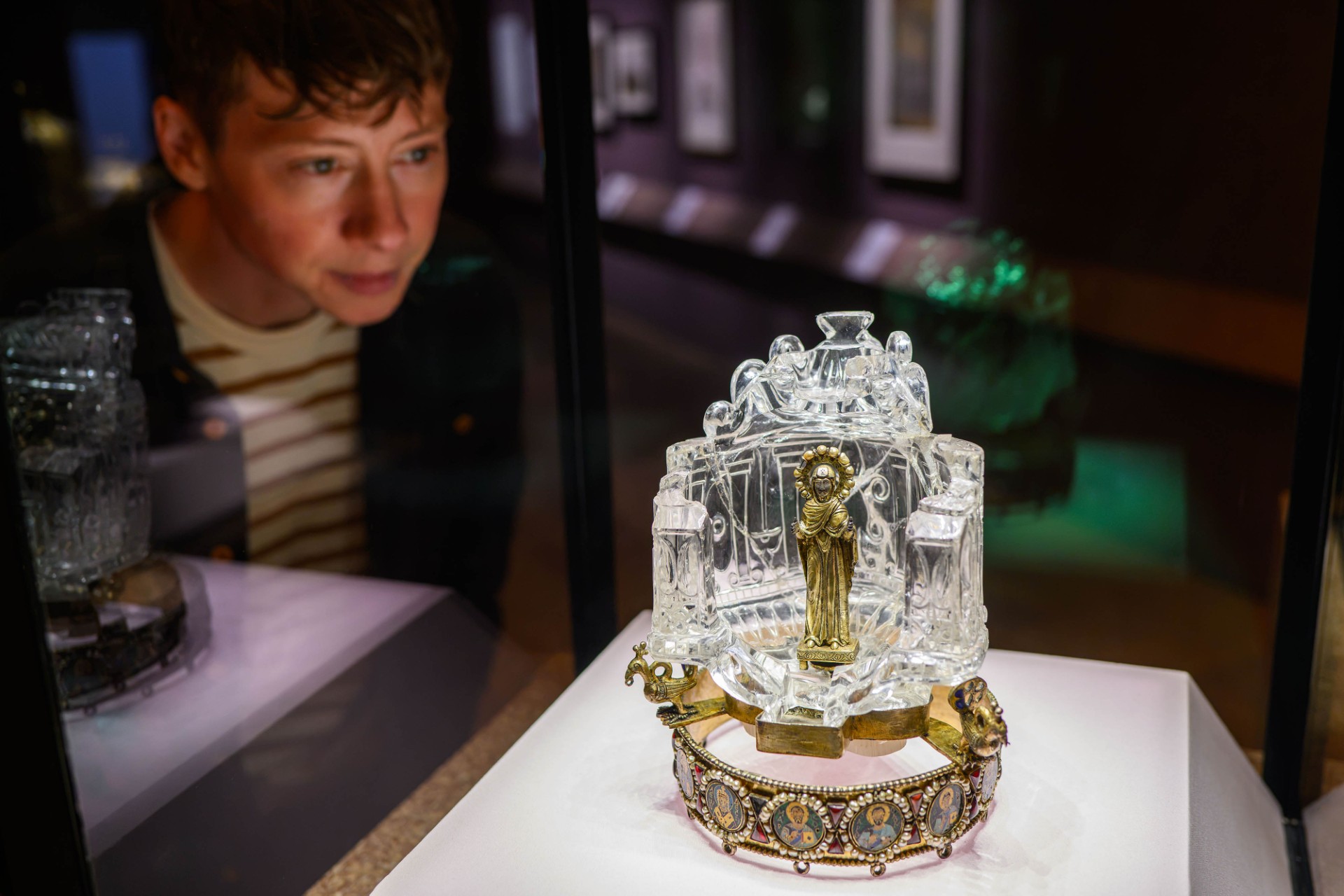
Two precious artefacts from the Treasury of St Mark’s Basilica will be on display in London as part of the exhibition “Constantinople to Istanbul: One City, Two Empires”, organised by the Victoria & Albert Museum and open to the public from 4 November 2026 to 9 May 2027. For the occasion, the Procuratoria di San Marco has authorised the temporary loan of the Grotta della Vergine and a Byzantine incense burner in the shape of a domed building. The exhibition takes visitors on a journey through almost sixteen centuries of history, from 330 to 1922, comparing the Byzantine and Ottoman periods. It is the first exhibition organised in the United Kingdom to explore these two phases of the history of Constantinople – now Istanbul – together. The chief curator is Tim Stanley, head of the Middle East section at the London museum. The exhibition features works from museums around the world. Among the most significant sections of the exhibition is the one dedicated to Byzantine court art and the imperial workshops. Alongside the two Venetian artefacts, works from some of the world’s leading museums will be on display, including the Louvre in Paris, the Bode-Museum in Berlin, the British Museum in London and the Metropolitan Museum of Art in New York, as well as items from the Vatican Apostolic Library.
Social freezing is on the rise. But is this really emancipation?

In the current debate on birth rates, a biomedical practice is coming to the fore: the preservation of oocytes for non-medical reasons, commonly known as ‘social freezing’. The creation of new life is shifting from the couple to the laboratory, reducing parenthood to an individualistic journey. We must restore the freedom to have children without fear
The True Cross Cycle: the first three canvases have been restored
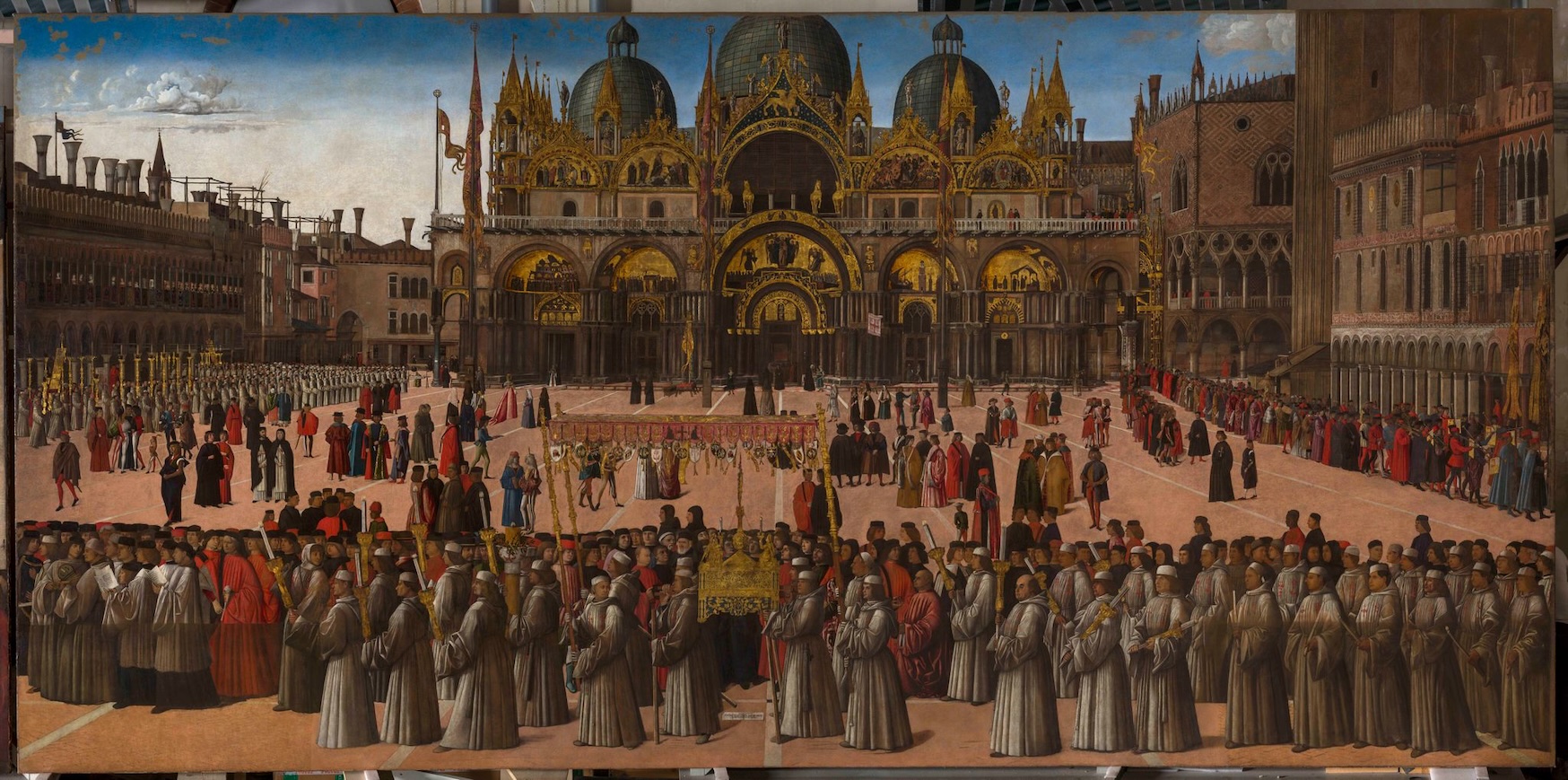
The monumental cycle *The Miracles of the True Cross*, featuring masterpieces by Bellini and Carpaccio and housed at the Gallerie dell’Accademia in Venice, has been partially restored. The first three panels of the eight that make up the cycle have been restored thanks to the American Save Venice Committee and are once again on display to the public after six years. The restoration work began in February 2020 on the masterpiece “The Miracle of the Relic of the Cross at the Rialto Bridge”, painted in 1496 by Vittore Carpaccio, and continued from 2022 on the two works by Gentile Bellini, ‘Procession in St Mark’s Square’ from 1496 and ‘The Miracle of the Relic of the Cross at the Bridge of San Lorenzo’ from 1500. The work, led by the director of the Galleries, Giulio Manieri Elia, with technical supervision by Maria Chiara Maida and Cristiana Sburlino, was carried out by CBC (Conservazione Beni Culturali) in the Misericordia Workshops under the coordination of Caterina Barnaba.
To date, 340,000 euros have been spent on restoring the three canvases, out of a total estimated cost for the entire project of around 700,000 euros, which also includes the costs of setting up the restoration sites.
Commissioned to decorate a hall of the Scuola Grande di San Giovanni Evangelista and to celebrate the relic of the cross donated in 1369 by the Grand Chancellor of Cyprus, Filippo de Mezières, the cycle was coordinated by Gentile Bellini, considered at the time to be Venice’s most skilled painter, and featured contributions from masters of the calibre of Vittore Carpaccio, Lazzaro Bastiani, Giovanni Mansueti and Benedetto Diana. The scenes illustrating the miracles performed by the relic have been identified thanks to a pamphlet written in 1590 by Giacomo de Melzi, Grand Guardian of the Scuola, which has enabled us to identify the artists, the events depicted and the dates on which the canvases were painted.
Between theatre and medicine: a production of Macbeth in Venice
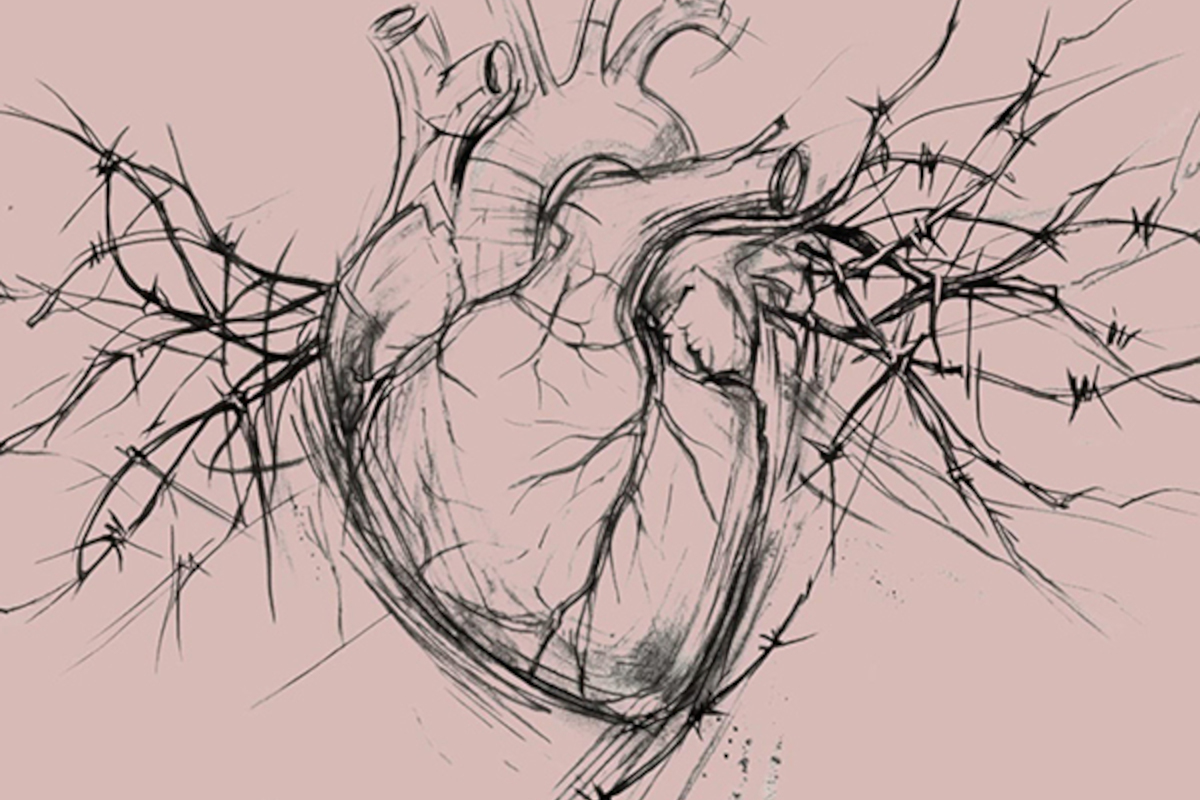
‘Beauty heals’ – with this reflection by Mario Po’, Director of the Fondazione Museo Scuola Grande di San Marco e della Sanità, the national PRIN research project ‘Theatre and Medicine’ was presented. The project brings together medicine and theatrical performance and will launch with a staging of the play ‘Macbeth_we lived happily during the war’, produced by the Biancofango Theatre Company, scheduled for Saturday 14 November 2026 at 6.00 pm at the Scuola Grande di S. Marco in the Sala S. Domenico in Venice.
The initiative was presented on 4 November 2026 at Ca’ Foscari University in Venice as the first public engagement initiative, that is, involving the local community in academic activities, for research led by Prof. Massimo Stella of the Department of Comparative Linguistic and Cultural Studies at Ca’ Foscari, in partnership with the Department of Literature and Philosophy and the Department of Experimental and Clinical Medicine at the University of Florence.
Girardo (Avvenire): ‘Let man be at the centre of the artificial age’
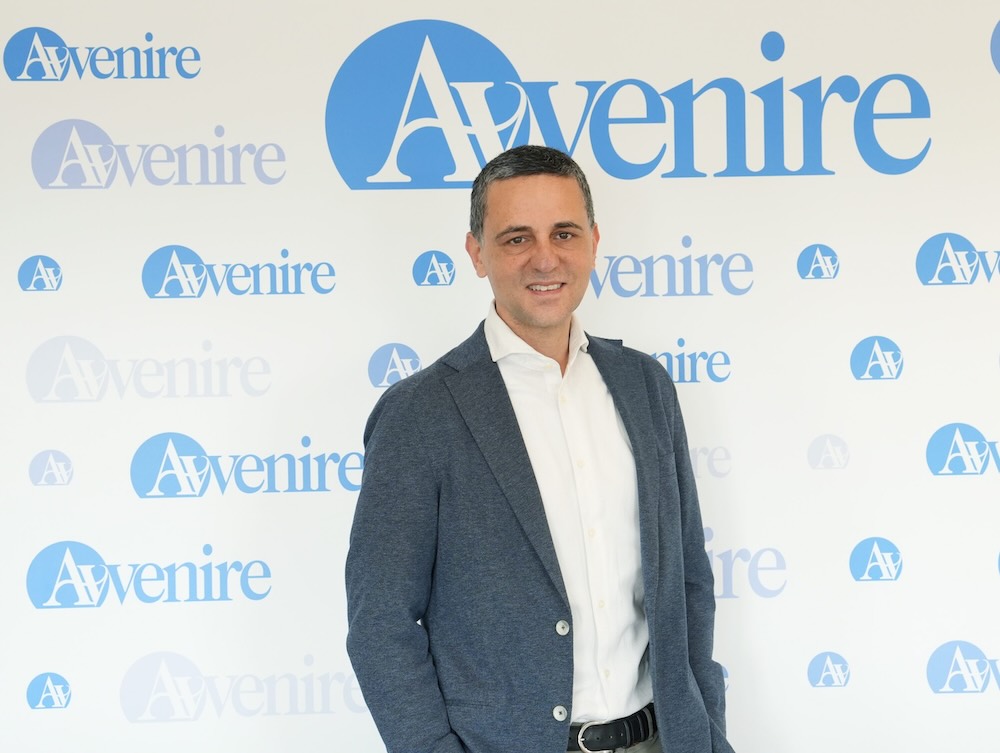
Ever since the Second Vatican Council, it has been a word that refuses to give up. It speaks of peace in a world at war, placing its full trust in humanity as the ‘artificial age’ dawns. The Church’s social doctrine continues to forge a path of dialogue, making its presence felt in the debate – one need only think of *Magnifica Humanitas*. The actual and concrete scope of this voice will be discussed on Tuesday 12 November at 6.00 pm at the Centro S. Maria delle Grazie in Mestre during the second meeting organised by Acli Venezia on the Church’s social doctrine, entitled ‘(The (scant) common) good’, featuring, following an introduction by President Pierangelo Molena, Fr. Giacomo Costa SJ, Undersecretary to the General Secretariat of the Synod, and Marco Girardo, essayist and editor-in-chief of the daily newspaper *Avvenire*.
Marco Girardo, the Pope’s voice seems today to be the only one speaking out on disarmament, within a Church that is the only truly authoritative supranational entity. Is this really the case?
Surprisingly, the word that struck me most whilst reading *Magnifica Humanitas* was ‘worksite’. The model proposed by the encyclicals – first under Francis and then under Leo XIV – is to offer a concrete worksite for building paths to peace. Let us consider Cardinal Zuppi’s mission to Ukraine, and the support given to Cardinal Pizzaballa to ensure that dialogue in the Holy Land continues. Leo XIV invites us to view this era not as spectators, but as active participants.
There are those who speak of an ‘Artificial Age’ and the fear of AI spiralling out of control.
At the beginning of *Magnifica Humanitas*, two models are presented to us. The first is Babel, an efficient, powerful, orderly city dominated by the ambition of the new digital feudal lords – an order that might function but which lacks communion and any reference to the common good. The second image is that of Nehemiah: Jerusalem seen through the eyes of a refugee. Nehemiah observes, prays and listens in a wounded city in need of rebuilding; he assesses the damage and then entrusts each person with a section of the wall, re-establishing a sense of shared responsibility. This is a political image: to each his own section of the wall; to each of us a responsibility for the common good.
Is it really possible to steer the development of AI by encouraging reflection? Is the Pope succeeding in bringing about this reversal of trend?
As the Slovenian philosopher Slavoj Žižek puts it quite well, the crisis of our times is an ecological, economic and social crisis, the effects of which we are seeing these days in the streets, and which is linked to AI and the temptation to regard the human as a resource to be enhanced. The great merit and authority of the message from the Church and the Pope lie in the fact that *Magnifica Humanitas* not only brings these three fault lines together, but also offers readers a clear focal point: the human person, created in the image of God, who possesses an inherent dignity that takes precedence over the demand for efficiency. This is the core and the strength of *Magnifica Humanitas*; it is certainly reductive to treat it merely as an encyclical on AI. In any case, the Pope does not condemn it; he recognises the element of high innovation resulting from human ingenuity, but the fundamental question concerns the place that remains for the human person. One need only think of Palantir and the role that AI has come to play in wars.
In this context, what role does information play?
There is no doubt that in a public sphere characterised by platforms and algorithms, these function better through conflict than through compassion. Conflict is also well-suited to an economy that monetises our attention and seeks the most effective means of keeping us glued to the platform.
Avvenire often stands out as a voice that breaks the mould. What is the secret?
To be informed, you have to want to be. And you have to consider where you get your information from, who you trust; you need to adopt an ‘information diet’ – there is also a responsibility on the part of those who receive the news. For those who produce the news, however, this responsibility translates into a method, starting with the first and good old rule of journalism: verifying the news, because so much of it today is false or fabricated. And then there’s the need to put things into context: if you follow the mainstream media, you might think we’re raising a generation of vandals and are at the mercy of crime, whilst in reality crimes against the person are on the decline. Thirdly, choosing the right words. To avoid news that excites and incites, we must not use words such as ‘alarm, emergency, invasion, crisis, boom’, but more measured terms, favouring individual faces over categories, which are far more frightening than people themselves. Foreigners, migrants and the poor are frightening; the lady who comes to our mother’s house to look after her because we can’t manage on our own is not.
Maria Paola Scaramuzza
Jenny Saville: ‘My works are inspired by Venice and Titian’s use of colour’
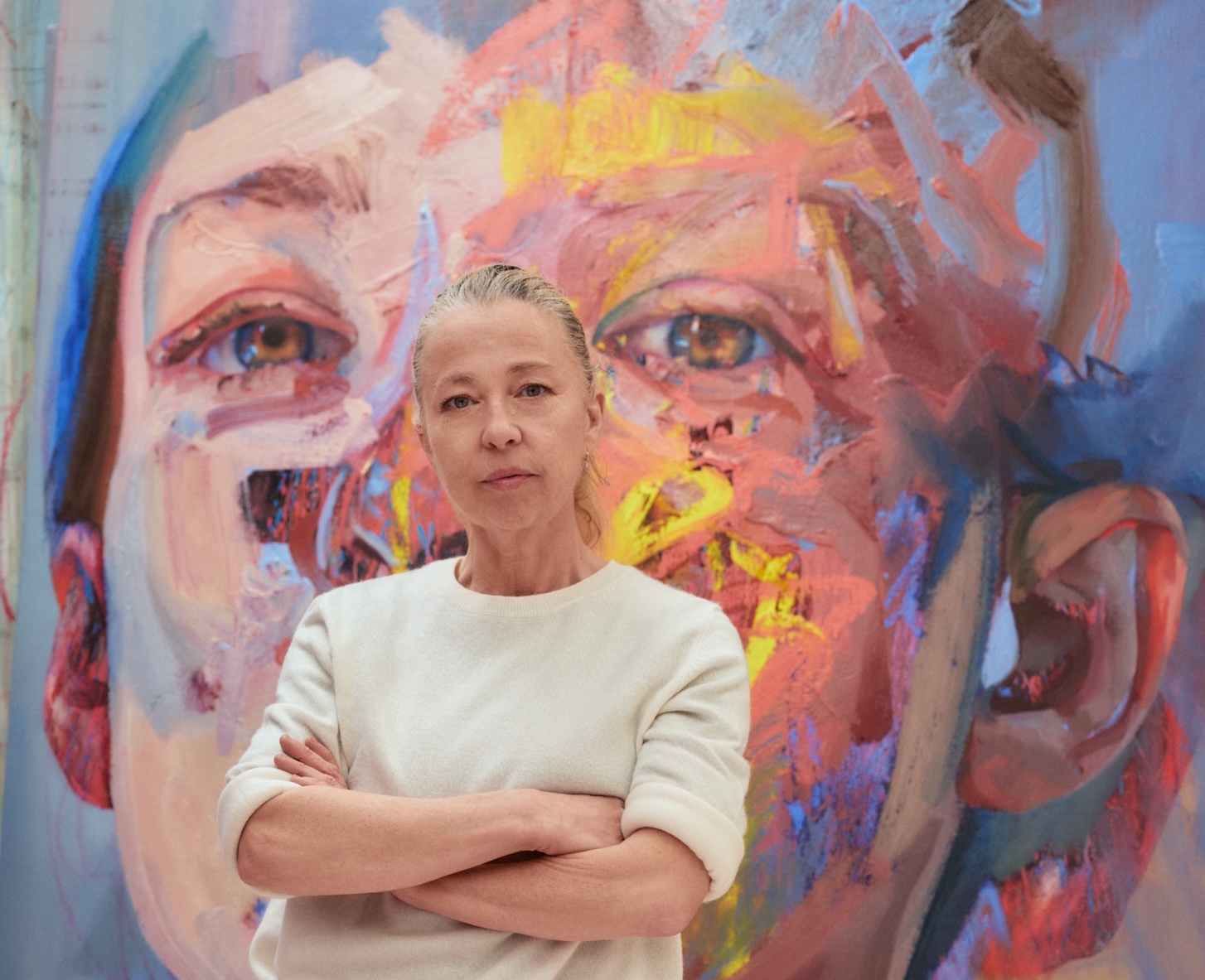
It is with the motto ‘Push the paint!’ that Jenny Saville spurs herself on every day in her studio to take painting to the extreme, always bearing in mind Venetian colourism and, in particular, the example set by Titian.
Saville’s (Cambridge, 1970) painting, in fact, confronts the reality of the body and the human condition without filters, continually pushing the medium of painting beyond its limits.
There are just a few days left to visit the exhibition of one of the most important contemporary painters at the Ca’ Pesaro Museum of Modern Art in Venice, which runs until 22 November. This is the first major exhibition of Saville’s work in the city, intended to document her artistic development by tracing her career from her beginnings in the 1990s to the present day.
Belonging to the generation of artists known as the Young British Artists, who made their mark in the UK between the late 1980s and early 1990s, Saville has breathed new life into contemporary figurative painting by reconnecting with the sensuality of oil painting and its raw potential.
With her ungainly, far-from-seductive bodies, she has addressed themes linked to feminism and gender equality, raising questions about society’s perception of the body at a time when cosmetic surgery and body reconstruction were booming. This experience enabled her to see the human body in all its fragility and resilience.
Jago opens up in Venice: ‘I’m my own boss’
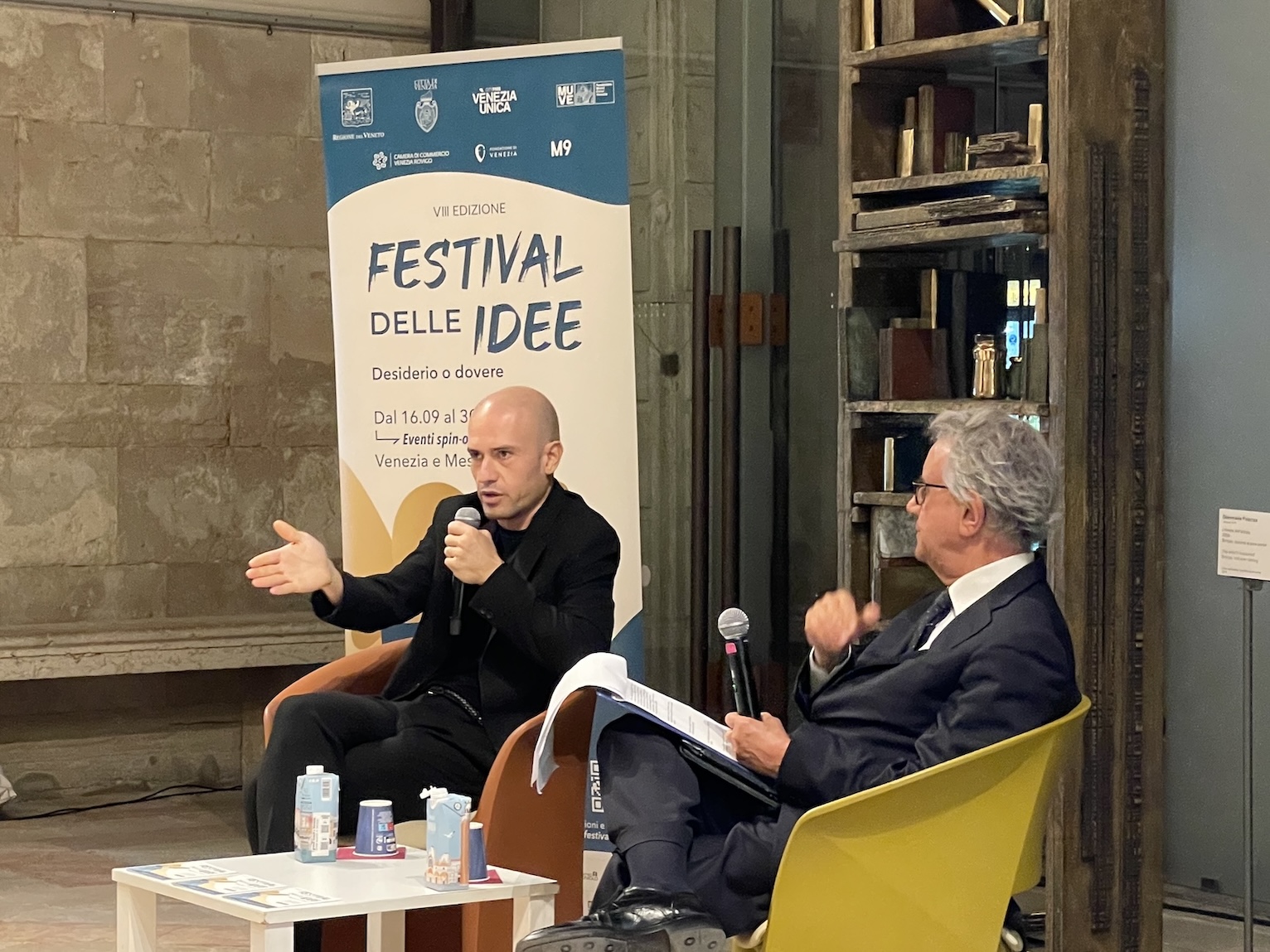
He shapes matter in a way not seen for some time, but don’t call him Michelangelo: he is Jago. The internationally renowned sculptor from Anagni, born Jacopo Cardillo in 1987, who takes archetypes of classical art such as the Pietà and reinterprets them, spoke in Venice on Friday 23rd as part of the Festival delle Idee, thanks to a collaboration with the Ca’ Pesaro Museum, in conversation with Corriere della Sera columnist Paolo Conti.
‘Pietas is a feeling, not a work of art. There are millions of them, even if we are particularly familiar with just one,’ Jago clarified straight away, explaining that in his work he starts with familiar images and well-known stories, so as to connect with the viewer immediately.
‘True innovation may not be understood. I start from what people already understand in order to say something new,” he emphasised. “There is never an attempt at comparison, but rather a desire to test myself to see if I am capable of expressing myself on a new and personal level, seeking original solutions.”
In a world dominated by the immaterial and the virtual, Jago demonstrates total confidence in the material every day and engages with the immensity of the marble in which he seeks his own form: ‘Marble is the most interesting choice because, whilst the world is moving in the opposite direction, I have no competitors, and this gives me an incredible advantage.’
Acid reflux: ‘prazoles’ work, but it’s best not to overuse them
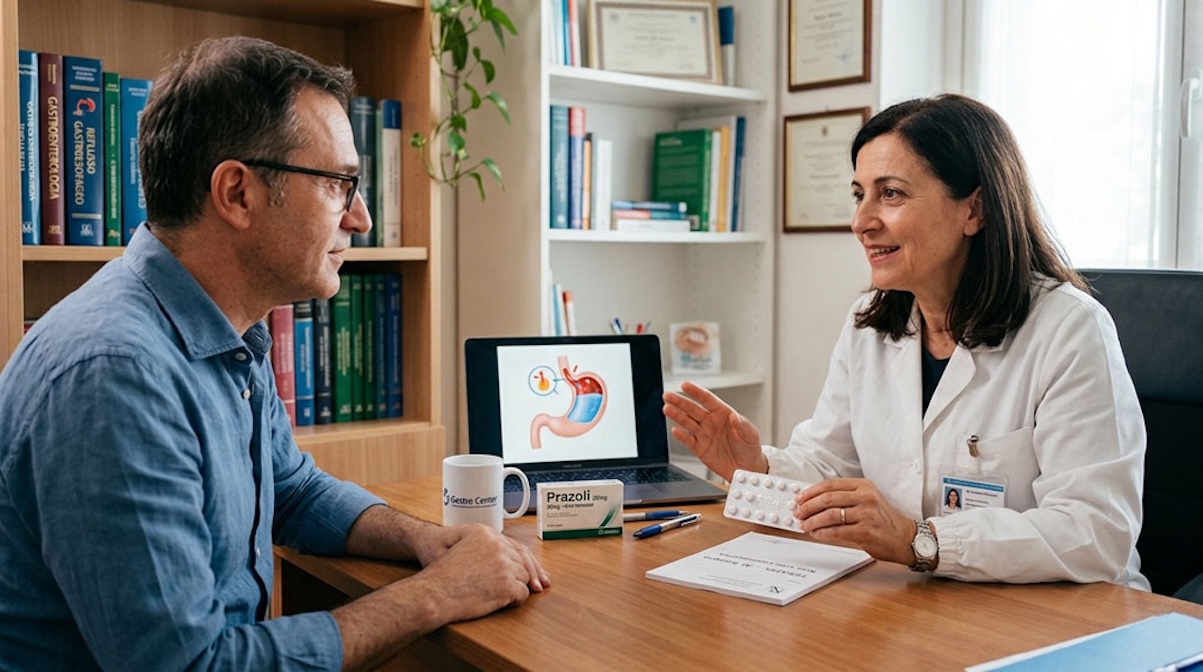
We left off a while ago (https://www.gvperte.it/non-e-tutto-reflusso-quel-che-brucia-come-si-fa-the-real-diagnosis/) with a diagnosis of gastro-oesophageal reflux disease – an endoscopic diagnosis, to be precise – and with the promise to discuss treatment with ‘prazole’ drugs, which all too often becomes routine and isn’t always really necessary…
A gastroscopy can reveal various minor findings: most commonly erosions – a sort of ‘scratch’ on the lining of the oesophagus – sometimes ulcers or a ring of scar tissue in the oesophagus, or, not infrequently, just a bit of ‘redness’ on the walls of the oesophagus itself. To put it simply, these represent varying degrees of inflammation and, therefore, varying degrees of disease severity.

